The Global Gig Trap: New Findings Expose Systematic Labor Exploitation and Poverty Wages Among Platform Delivery Workers in Europe and North America
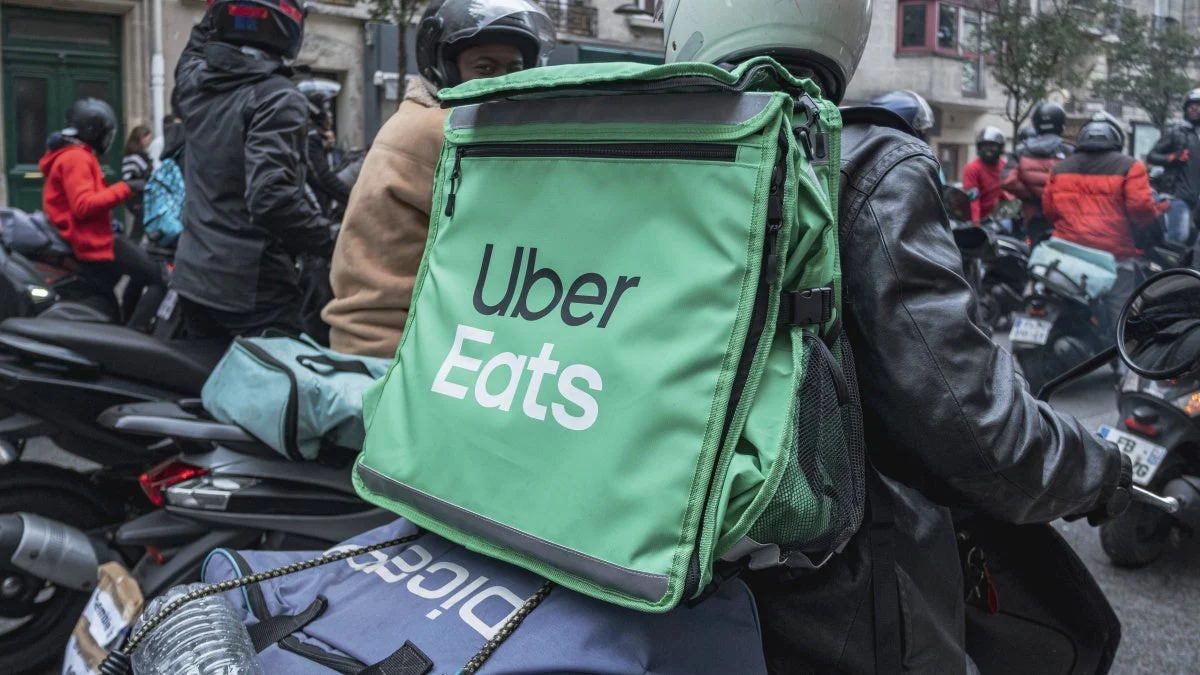
The landscape of modern urban labor is increasingly defined by the sight of delivery workers weaving through traffic in cities like Paris, Bordeaux, and Austin. These individuals, often operating under the banners of global giants such as Uber Eats and Deliveroo, serve as the backbone of a multi-billion dollar "gig economy." However, beneath the convenience of app-based services lies a stark reality of systemic exploitation, where workers are subjected to grueling hours and compensation that falls significantly below national minimum wage standards. A comprehensive new survey of approximately 1,000 platform workers in France, conducted by Médecins du Monde, alongside documentation from Human Rights Watch (HRW) in the United States, has cast a spotlight on the deteriorating living conditions and financial instability inherent in the platform business model.
The Economic Reality of Platform Labor
The central tension of the platform economy lies in the classification of workers. Most delivery companies categorize their couriers as independent contractors or self-employed individuals rather than employees. This classification allows companies to bypass traditional labor obligations, such as providing a guaranteed minimum wage, health insurance, paid leave, and social security contributions. The financial burden of the operation—including the purchase and maintenance of vehicles, fuel or electricity costs, smartphone data plans, and insurance—is shifted entirely onto the worker.
In the United States, specifically in Texas, HRW’s survey of 127 platform workers revealed that these operational costs consume a staggering portion of gross earnings. For workers using personal automobiles, expenses related to gas, insurance, and vehicle wear-and-tear reduced their effective take-home pay by up to 70 percent. This resulted in an average hourly wage of just $5.12 (€4.35). This figure stands in sharp contrast to the federal minimum wage of $7.25 (€6.16) per hour, a rate that has not been increased since 2009 and is already widely criticized for being insufficient to meet basic living standards.
The situation in France mirrors these findings, despite the prevalence of bicycles and e-bikes which generally incur lower maintenance costs than cars. The Médecins du Monde survey found that after accounting for expenses, delivery workers earned an average of less than €4 per hour. At the time of the survey, the French national minimum wage (SMIC) was €11.65 per hour. This indicates that platform workers in one of Europe’s strongest economies are earning less than a third of the legal minimum required for other sectors.
Food Insecurity and the Health Crisis
The most alarming consequence of these low wages is the prevalence of "working poverty," where full-time labor is insufficient to prevent hunger. The survey data provides a harrowing look at the physical toll of the gig economy. In France, 56 percent of the platform workers surveyed reported going an entire day without a proper meal at least once in the past year due to a lack of financial resources. In the Texas cohort, nearly two-thirds of respondents reported significant difficulty in affording groceries and basic food items.
This irony—that those who spend their days delivering food to others are often unable to feed themselves—highlights a profound failure in the current regulatory framework. Beyond nutrition, the health of these workers is in constant jeopardy. The pressure to complete deliveries quickly to maximize meager earnings leads to increased risks of road accidents. Furthermore, the lack of access to employer-sponsored healthcare means that injuries sustained on the job often go untreated or result in catastrophic debt. The Médecins du Monde report emphasizes that the combination of physical exhaustion, financial stress, and the absence of a social safety net is creating a public health crisis among the migrant and low-income populations that dominate this sector.
The Shadow Market: Account Renting and Vulnerability
A unique and troubling aspect of the French gig economy is the emergence of a secondary market for app access. The survey revealed that three-quarters of respondents do not own the accounts they use to work. Instead, they rent access to someone else’s registered account, paying an average of €528 per month to the account holder. This practice is particularly common among migrant workers who lack the necessary legal documentation or residency status to register directly with platforms like Uber Eats or Deliveroo.
This arrangement creates a tiered system of exploitation. The "sub-lessors" or account owners take a significant cut of the worker’s already thin margins, while the workers themselves operate in a legal gray area with zero protections. Because they are not the official account holders, these workers have no recourse if the account owner decides to withhold pay or if the platform deactivates the account. This "shadow economy" thrives on the desperation of undocumented individuals, leaving them vulnerable to both the algorithmic whims of the tech companies and the whims of the individuals who "lease" them the right to work.
Algorithmic Management and Surveillance
A defining feature of platform work is the replacement of human management with algorithmic control. Workers in both France and the United States described a work environment characterized by constant surveillance and "opaque algorithms" that dictate every aspect of their day. These algorithms determine which orders a worker receives, the route they must take, and the compensation offered for each task.
The lack of transparency regarding how pay is calculated makes it nearly impossible for workers to predict their income or dispute discrepancies. Furthermore, the threat of "arbitrary deactivation" hangs over every worker. Accounts can be suspended or permanently closed by the algorithm based on customer ratings, perceived delays, or technical glitches, often without a clear explanation or a meaningful appeals process. This creates a climate of fear and compliance, where workers feel pressured to accept low-paying or dangerous assignments to maintain their standing with the software.
Chronology of Regulatory Action and Global Standards
The findings from France and the United States arrive as the international community begins to take a firmer stance on the regulation of the platform economy. The timeline of these developments suggests a growing consensus that the "self-employed" model is being used as a tool for labor arbitrage.
- May 2024: The European Union formally adopts the "Platform Work Directive." This landmark legislation is designed to improve the working conditions of the estimated 28 million platform workers across the EU. A key component of the directive is the "presumption of employment," which stipulates that if a platform exercises a certain level of control and direction over its workers, they must be legally classified as employees with all attendant rights.
- August 2025: The International Labour Organization (ILO) releases a comprehensive report titled "Decent Work in the Platform Economy." This document serves as the basis for upcoming deliberations on a global treaty intended to set universal standards for gig labor.
- Late 2025/Early 2026: Member states of the EU begin the process of transposing the 2024 Directive into national law. This period is expected to see intense lobbying from tech giants and counter-advocacy from labor unions and human rights organizations.
Official Responses and Stakeholder Perspectives
The reaction to these findings has been polarized. Human Rights Watch has been vocal in its call for governments to intervene. The organization argues that the current state of the gig economy is not merely a byproduct of technological innovation but a deliberate circumvention of hard-won labor rights. HRW advocates for four primary reforms: the legal presumption of employment, guaranteed pay for all time worked (including waiting time), access to social security and healthcare, and an end to arbitrary account deactivations.
Platform companies, conversely, have historically defended their model by emphasizing the "flexibility" and "autonomy" it offers workers. In various legal battles across Europe and the U.S., these companies have argued that reclassifying workers as employees would force them to adopt fixed shifts, thereby destroying the very freedom that attracts couriers to the platforms. They also warn that such a shift would lead to higher costs for consumers and a reduction in the number of available work opportunities.
However, labor advocates point out that "flexibility" is often an illusion when workers must log 60 to 80 hours a week just to cover basic survival costs. Unions in France have responded to the Médecins du Monde survey by demanding that platforms take responsibility for the "sub-leasing" crisis, arguing that the companies have the technological means to verify the identity of their couriers but choose to look the other way to maintain a steady supply of cheap labor.
Broad Impact and Future Implications
The implications of the "gig trap" extend far beyond the immediate financial struggles of delivery workers. If the platform model remains unregulated, it threatens to erode labor standards across other sectors. The "uberization" of work—where traditional jobs are broken down into discrete, low-paid tasks managed by software—is already appearing in nursing, cleaning, and professional services.
The data from France and Texas suggests that without government intervention, the platform economy will continue to function as a mechanism for wealth transfer from the most vulnerable workers to high-tech corporations. The 2024 EU Directive represents a significant step toward rebalancing this dynamic, but its success will depend on how rigorously individual countries enforce its provisions.
As the ILO prepares to deliberate on global standards, the world is watching to see if the international community can create a framework that protects human rights in the digital age. The goal is to ensure that technological progress does not come at the expense of human dignity. For the worker in Paris who has not eaten in 24 hours, or the driver in Texas earning $5 an hour, the regulation of the platform economy is not a theoretical debate about economics—it is a matter of fundamental rights and survival.

Related Posts

Human Rights Watch Calls for Investigation into Death of Detainee Following Removal from Najaf Hospital by Iraqi Drug Police

Human Rights Watch Urges UN Security Council to Extend Lebanon Peacekeeping Mission Amid Escalating Conflict and Humanitarian Crisis