Expanding Europe’s Explosive Production: Sweden and Poland Lead the Surge in TNT Manufacturing Capacity
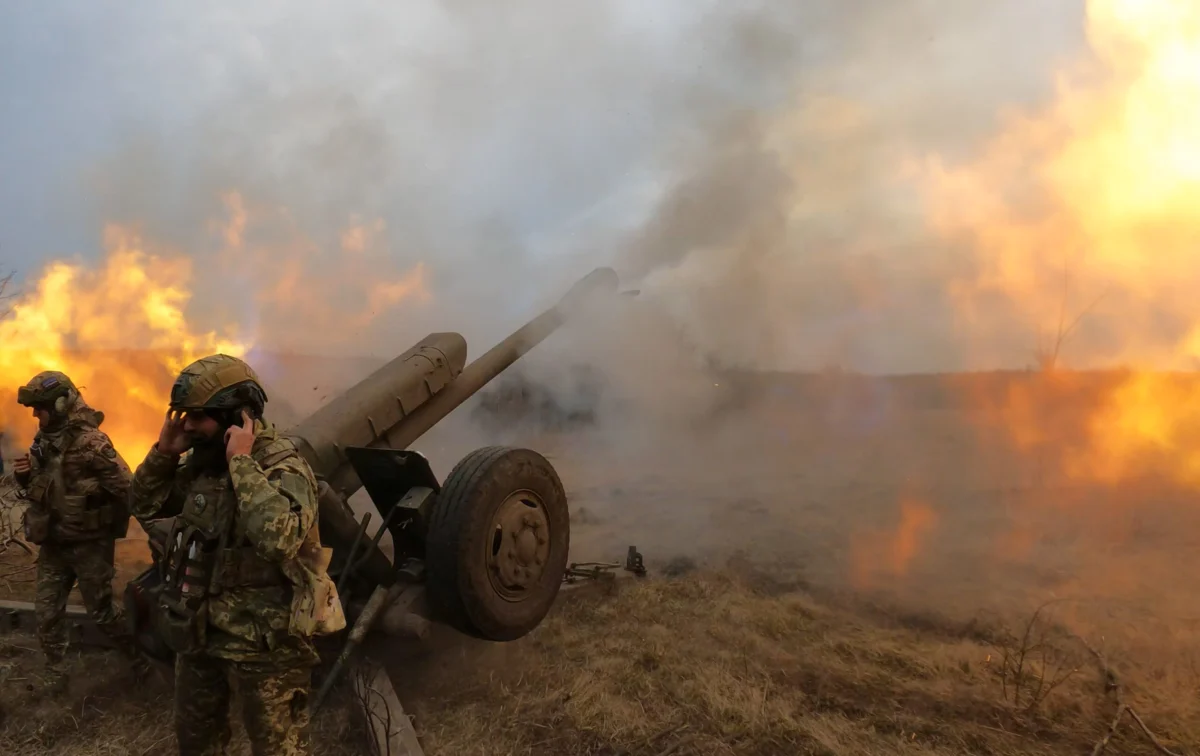
The geopolitical landscape of Northern Europe is undergoing a seismic shift as Sweden prepares to re-enter the production of high explosives for the first time since the cessation of the Cold War. Swedish defense firm Swebal has announced the construction of a new trinitrotoluene (TNT) factory, a move designed to sever Europe’s reliance on Asian supply chains and address the critical shortage of energetic materials currently hampering the continent’s defense industries. This initiative comes as Poland’s Nitro-Chem, currently the only major TNT producer in the European Union, accelerates its own expansion plans to meet the insatiable demand for artillery shells and precision-guided munitions driven by the ongoing conflict in Ukraine.
The Resurgence of Swedish Defense Manufacturing
For decades, Sweden maintained a policy of neutrality supported by a robust domestic defense industry. However, the "peace dividend" that followed the collapse of the Soviet Union led to the systematic dismantling of much of the continent’s heavy industrial capacity for explosives. At the height of the Cold War, Europe boasted seven major TNT production facilities. Today, that number has dwindled to one.
Swebal’s decision to build a new plant marks a definitive end to this era of deindustrialization. Joakim Sjöblom, the co-founder and chief executive of Swebal, emphasizes that the project is not merely a commercial venture but a strategic necessity. According to Sjöblom, the current European output is "far below" the needs of a continent facing a conventional high-intensity conflict on its doorstep. The new factory is slated to reach an annual production capacity of more than 4,000 metric tons of TNT, with production expected to go live by 2028.
While 4,000 tons represents a significant boost for European sovereign capability, it remains a fraction of the global scale. For context, Swebal’s internal data estimates that the Russian Federation produces upwards of 50,000 tons of TNT annually. This disparity highlights the "production gap" that Western allies are now racing to close as they transition from stockpiling to active, large-scale manufacturing.
The Polish Stronghold: Nitro-Chem’s Expansion
While Sweden prepares its new facility, Poland remains the cornerstone of European explosive production. Nitro-Chem, a subsidiary of the state-owned Polish Armaments Group (PGZ), has operated as the primary supplier for NATO forces in Europe for years. Recognizing the shifting security environment, Nitro-Chem signed a landmark agreement in March 2024 to establish a second TNT production line at its facility in Bydgoszcz.
Arkadiusz Miszuk, CEO of Nitro-Chem, noted that the expansion is a direct response to the "clear increase" in international interest. The Polish plant does not only supply the domestic military; it is a vital exporter to the United States, Germany, the United Kingdom, France, and Ukraine. By doubling down on its capacity, Poland is cementing its role as the "arsenal of the East" for the NATO alliance.
A Chronology of Decline and Rebirth
To understand the urgency of these investments, one must look at the timeline of European munitions capacity over the last thirty years:
- 1990–2000: Following the fall of the Berlin Wall, European nations shuttered six of the seven major TNT plants across the continent, opting to purchase cheaper chemical inputs from China, India, and Southeast Asia.
- 2014: The annexation of Crimea by Russia serves as an initial warning, but European procurement cycles remain largely unchanged, focusing on "just-in-time" logistics.
- 2022: The full-scale invasion of Ukraine exposes the fragility of European stockpiles. The demand for 155mm artillery shells skyrockets, revealing that the bottleneck is not just the steel casings, but the explosive "fill" inside them.
- 2023: The European Union introduces the Act in Support of Ammunition Production (ASAP), earmarking €500 million to ramp up manufacturing.
- 2024–2028: New projects are greenlit in Sweden, Finland, and Greece, aiming to restore a decentralized and resilient supply chain for energetic materials.
The Vulnerability of Global Supply Chains
A central theme in the push for domestic TNT production is the vulnerability of international maritime routes. The ongoing instability in the Middle East, particularly around the Strait of Hormuz and the Red Sea, has created significant bottlenecks for the shipment of chemical precursors and raw materials.
Sjöblom warns that Europe’s "long-distance dependency" is a strategic liability. "We need to look at the available supply of rare earth metals which is dominated by Chinese suppliers, semiconductors from Taiwanese companies, and also Asian energetic materials on which European companies depend so much," he stated. If a conflict were to disrupt trade in the Indo-Pacific or the Middle East, European ammunition assembly lines would grind to a halt within weeks, regardless of how many factories they have for final assembly.
The current trend in European defense is "friend-shoring"—moving production to allied nations—and "on-shoring"—bringing it back within domestic borders. The goal is to ensure that the entire value chain, from raw chemical inputs to the finished 155mm shell, remains within the jurisdictional control of NATO and EU member states.
Data Analysis: The Munitions Math
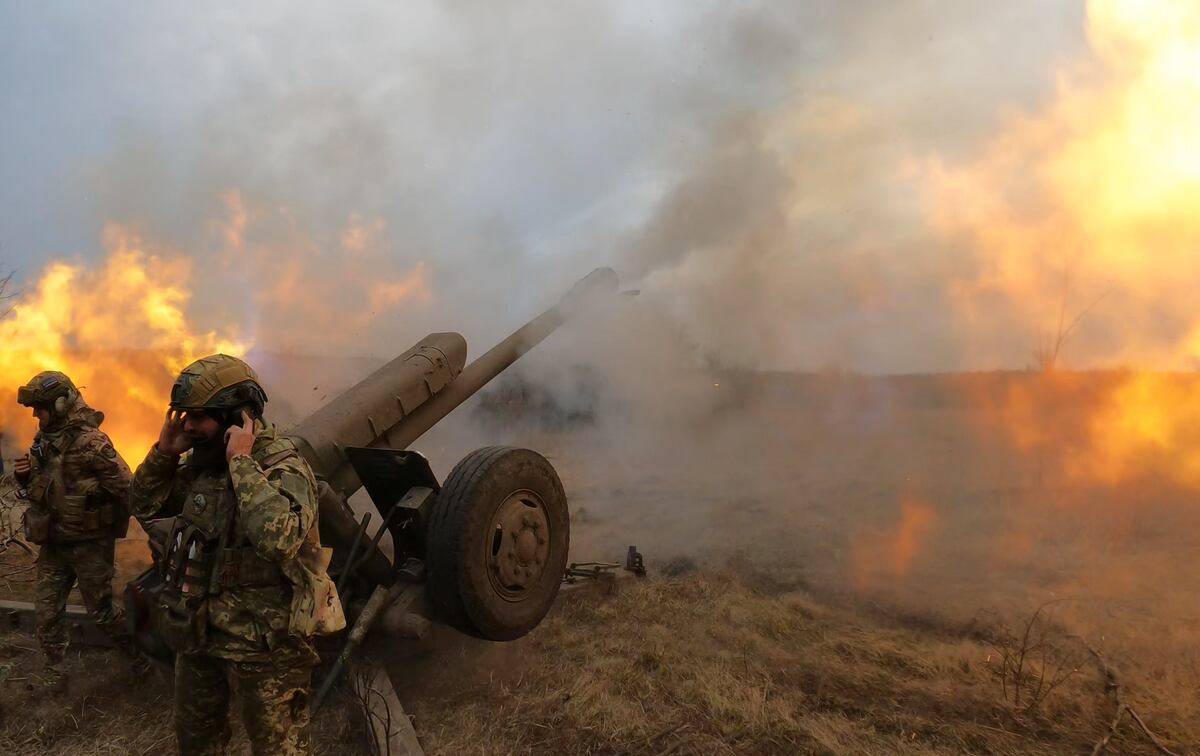
The demand for TNT is driven primarily by the consumption of artillery. Military analysts estimate that Ukraine and Russia are engaged in an "artillery war" where daily shell expenditure often exceeds monthly production totals in the West.
- Artillery Requirements: Approximately 70% of Swebal’s future TNT output is earmarked for missiles and 155mm artillery shells. A single 155mm shell typically requires between 7kg and 11kg of high explosives (often a mix of TNT and RDX).
- Drone Warfare: The remaining 30% of production will support the manufacturing of landmines and loitering munitions (drones). Russia’s use of Shahed-type drones, which rely on significant quantities of TNT for their warheads, has forced Europe to reconsider the mass-production of low-cost, high-explosive aerial systems.
- The EU Goal: The European Union aims to produce 2 million artillery shells annually by the end of 2025. To meet this target, the continent requires an additional 20,000 to 30,000 tons of high explosives per year—a figure that the current infrastructure cannot support without the new Swedish and Polish projects.
Broader Strategic Implications and Market Reactions
The expansion of TNT production in Sweden and Poland is being met with high interest from the private sector. Major defense primes, including Rheinmetall, BAE Systems, and Nammo, are looking for long-term supply contracts to stabilize their own production schedules.
However, building a TNT factory is not without its challenges. These facilities are subject to stringent environmental regulations due to the toxic nature of chemical byproducts like "red water." Furthermore, the safety protocols required for handling volatile energetic materials make these plants expensive and slow to build. Swebal’s four-year lead time (from planning to 2028 production) reflects the complexity of navigating modern regulatory and safety frameworks while attempting to meet an urgent military need.
The geopolitical implication is clear: Europe is preparing for a protracted period of rearmament. By investing in the fundamental building blocks of munitions—the explosives themselves—countries like Sweden and Poland are moving beyond political rhetoric and into the realm of hard industrial power.
Conclusion: Toward European Strategic Autonomy
The move by Swebal and Nitro-Chem represents a pivotal moment in the quest for European strategic autonomy. For decades, European security was predicated on the assumption that global trade would remain unfettered and that high-intensity industrial warfare was a relic of the past. The war in Ukraine and the volatility of Asian supply chains have shattered those assumptions.
By 2028, with the completion of the Swedish plant and the expansion of Polish facilities, Europe will be significantly closer to self-sufficiency in the production of energetic materials. While the continent still trails Russia in sheer volume, the shift toward a robust, sovereign industrial base ensures that European defense companies will no longer be at the mercy of distant suppliers for the most basic and essential component of modern warfare: the power to strike.

Related Posts
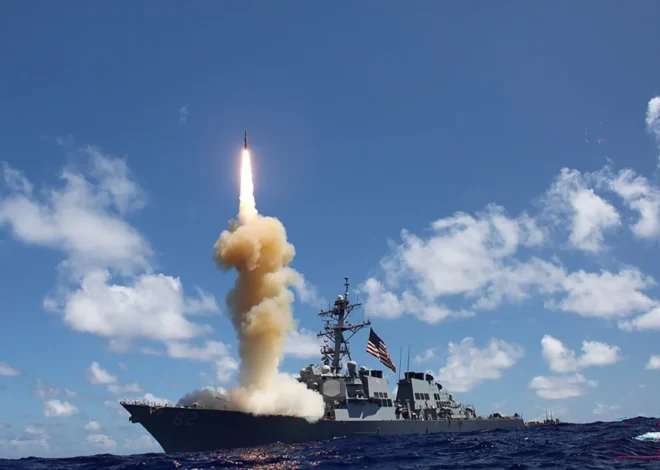
Pentagon Forges Landmark Seven-Year Agreements with Boeing and RTX to Accelerate Standard Missile-3 Production and Stabilize Defense Supply Chains
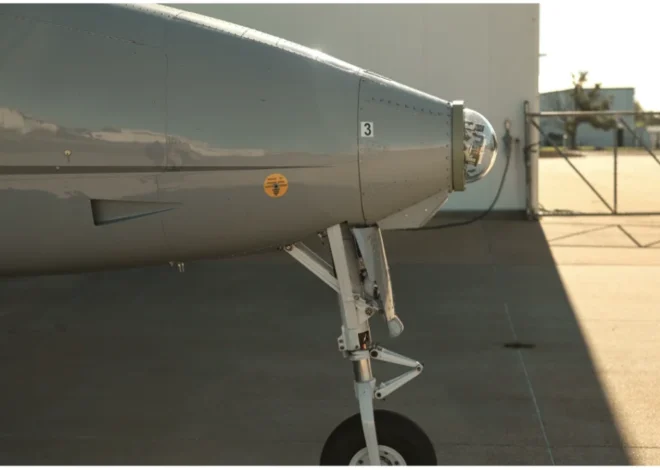
Boeing Unveils Ultra Low-Cost Seeker to Enhance Missile Inventory and Combat Cost Challenges in Modern Warfare