Orbán suffers crushing defeat in Hungary’s election
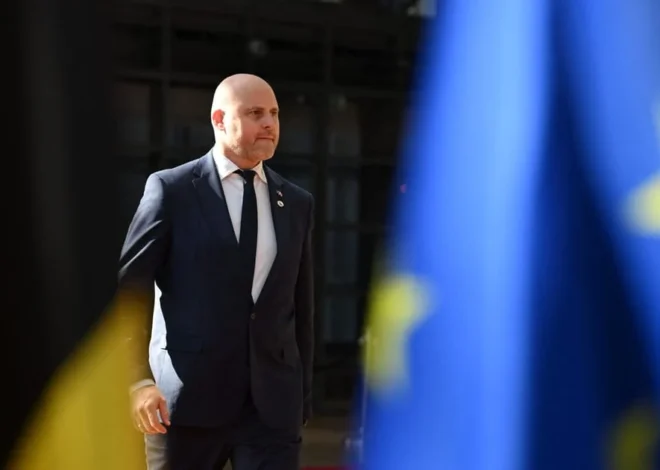
In a historic political upheaval that signals a tectonic shift in Central European politics, Hungarian Prime Minister Viktor Orbán has officially conceded defeat in the national parliamentary elections. The outcome, which saw challenger Péter Magyar and his political coalition secure a commanding victory, brings a sudden end to Orbán’s long-standing dominance over the Hungarian government. Projections indicate that Magyar’s coalition is set to command a supermajority in the 199-seat National Assembly, a development that will likely lead to a comprehensive dismantling of the legislative framework built during the Fidesz party’s tenure.
The Twilight of the Orbán Era
For over a decade, Viktor Orbán has remained a polarizing but singularly dominant force in Hungarian politics, characterized by his "illiberal democracy" model and frequent clashes with the European Union. However, the 2026 election cycle proved to be an insurmountable hurdle for his administration. Faced with mounting economic pressure, persistent inflation, and a public fatigue regarding his administration’s isolationist policies, the Fidesz party saw its support base erode in key urban centers and, crucially, among younger demographics.

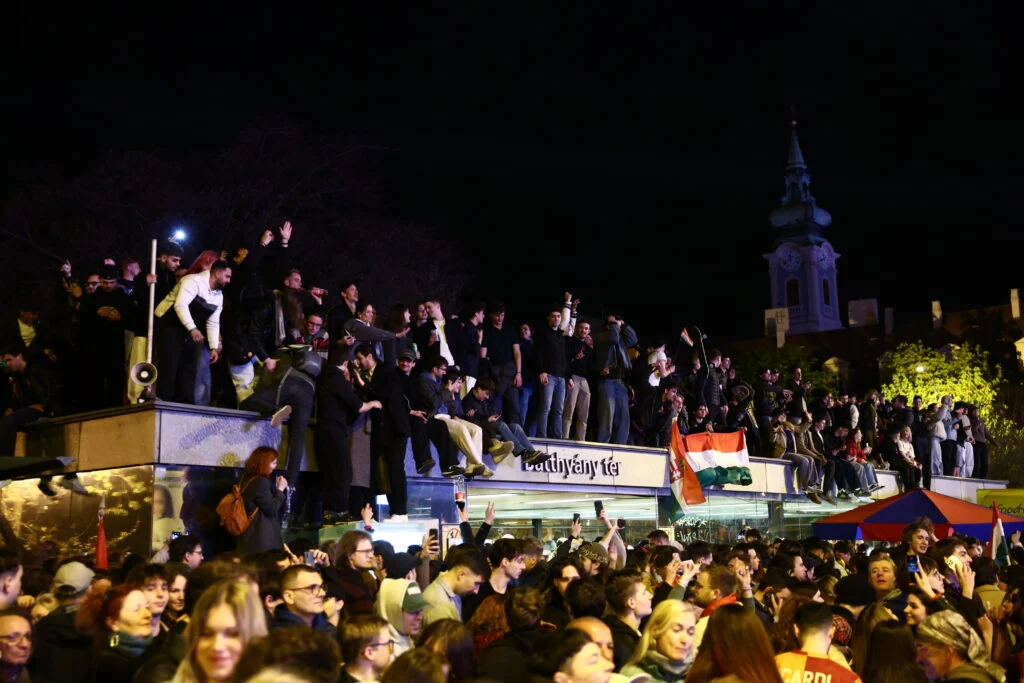
The concession, delivered late Sunday evening, was brief and stoic. Standing before a subdued crowd of supporters in Budapest, the outgoing Prime Minister acknowledged that the electorate had chosen a different path for the nation. "The people have spoken, and we respect their decision," Orbán stated, marking the conclusion of a campaign cycle defined by high-stakes rhetoric and profound societal division.
A Timeline of a Contentious Campaign
The path to this result was fraught with tension, marked by weeks of intense public debate and accusations of foul play.
- Early April 2026: As the campaign entered its final stretch, the Orbán administration shifted its focus toward digital influence, publicly accusing Meta (Facebook) of intentionally suppressing government content. Government spokespeople claimed that the platform’s algorithm was actively working to disadvantage Fidesz, a charge that Meta’s regional representatives categorically denied, citing adherence to neutral content moderation policies.
- April 8, 2026: Economic debates dominated the discourse. Challenger Péter Magyar placed the €17 billion in frozen EU funds at the center of his platform. Analysts noted that while Magyar’s promise to unlock these funds was a popular campaign pledge, the procedural reality of negotiating with Brussels presented a complex, uphill battle.
- April 11, 2026: As voters headed to the polls, reports of procedural irregularities began to circulate. Election observers noted a high level of scrutiny from both sides, with supporters of both parties preparing for potential post-election legal challenges.
- April 12, 2026: The final tally confirmed the landslide, with the opposition coalition securing the necessary seats to override potential constitutional hurdles, effectively granting them a mandate for systemic reform.
Economic Realities and the EU Nexus
The central pillar of Péter Magyar’s campaign was the promise of economic revitalization, specifically through the restoration of relations with the European Commission. For years, Hungary has been locked in a standoff with Brussels over concerns regarding the rule of law, judicial independence, and corruption. The withholding of €17 billion in development and recovery funds has acted as a drag on the Hungarian economy, contributing to high interest rates and a weakening of the forint.

Magyar’s success in the polls is widely viewed as a mandate from the Hungarian public to prioritize pragmatic diplomacy over ideological confrontation. Economists suggest that while the transition will not be instantaneous, the change in government leadership is likely to be viewed favorably by the European Central Bank and international investors. The task ahead for the incoming administration is significant: they must navigate the technical requirements of the EU’s compliance benchmarks while simultaneously addressing a domestic cost-of-living crisis that has hit middle- and lower-income families hardest.
Allegations of Fraud and the Legal Landscape
The election was not without significant controversy. Throughout the voting process, "fraud" became a watchword for both camps. Fidesz supporters, citing the intense digital scrutiny of the campaign, questioned the integrity of the polling stations, while opposition groups highlighted alleged voter intimidation in rural districts.
Legal experts have warned that the transition of power may be slowed by litigation. In the final days leading up to the vote, various NGOs reported that the legal teams for both sides were drafting briefs to contest results in specific constituencies. The Electoral Commission, currently under pressure to maintain public confidence, has pledged to conduct a thorough review of all complaints before the final certification of the parliamentary seats. Despite these tensions, international observers from the OSCE were on the ground, and their preliminary report suggested that while the process was highly polarized, the logistical execution of the vote remained consistent with democratic standards.

Implications for the European Union
The defeat of Viktor Orbán is arguably the most significant geopolitical event in the EU this year. As a vocal skeptic of European integration and a frequent veto-wielder on key policy decisions regarding Ukraine and regional security, Orbán’s influence was a major variable in Brussels. A government led by Péter Magyar is expected to adopt a more collaborative stance, potentially shifting Hungary back into the mainstream of EU decision-making.
Diplomatic sources in Brussels have indicated a cautious optimism. "The shift in Budapest suggests a return to a more traditional, consensus-based approach to European policy," said one senior official, who requested anonymity. However, observers also caution that the internal political climate in Hungary remains deeply polarized. The incoming administration will need to manage a powerful opposition bloc that still maintains deep roots in the state bureaucracy and judicial system.
Societal Shifts and Future Outlook
The election result also highlights a generational divide. Data from exit polls suggest that the "Magyar wave" was driven by voters under the age of 40 who prioritize European alignment and transparency over the traditionalist, nationalist themes that characterized the Orbán era. This demographic shift indicates that the political landscape in Hungary is undergoing a structural change that may persist long after the current administration begins its term.

The new parliament will face an immediate test: the formation of a government and the crafting of an emergency budget to address the economic fallout of the campaign. As the nation pivots toward a new political chapter, the international community remains attentive. The stability of the government in Budapest is seen as a key factor in the regional security architecture, particularly in the context of the ongoing conflict in neighboring Ukraine and the broader energy security concerns facing Central Europe.
Conclusion: A New Chapter for Hungary
As the dust settles on the 2026 election, the immediate future of Hungary remains a subject of intense global interest. The transition of power—should it proceed without major judicial intervention—will mark the most significant pivot in the country’s trajectory since the democratic transitions of the 1990s. With a supermajority in hand, Péter Magyar and his coalition possess the legislative power to enact sweeping reforms. However, the true test will be whether they can bridge the deep social and political chasm that has opened within the country, ensuring that the transition serves the entirety of the Hungarian electorate rather than just the victors.
For now, the era of Viktor Orbán has drawn to a close, and a new, untested coalition prepares to assume the reins of power, facing a complex set of domestic expectations and international obligations. The coming months will determine whether this electoral outcome leads to a lasting transformation or whether the political volatility that marked the campaign will continue to define the Hungarian landscape.