River Plate Secures Crucial Victory Over Racing Club in Tense Apertura Tournament Encounter
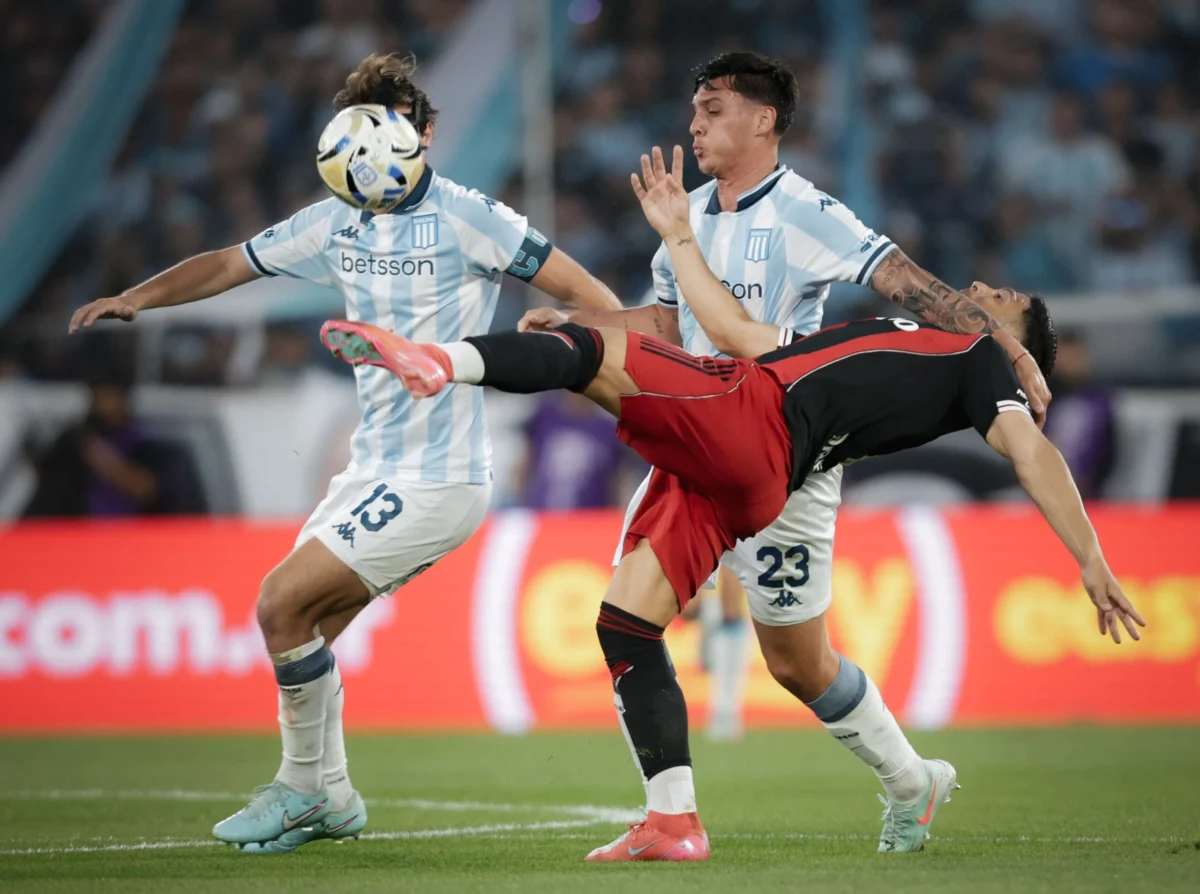
River Plate emerged victorious in a hard-fought battle against Racing Club, securing a vital 1-0 win in their Torneo Apertura clash. The solitary goal, netted by Facundo Colidio, proved to be the decisive factor in a match that saw both teams display moments of brilliance and periods of frustration. The encounter, played at Racing’s El Cilindro in Avellaneda, was a significant fixture in the fourteenth matchday of the Apertura, with both sides vying for crucial points in the competitive Zone B.
Match Overview and Key Moments
The first half concluded with River Plate holding a slender 1-0 lead, courtesy of Colidio’s clinical finish. The goal came after a defensive lapse from Racing’s captain, Gonzalo Rojo, whose attempted clearance fell kindly for the River striker. Colidio capitalized on the opportunity, advancing towards goal and calmly slotting the ball past Racing’s goalkeeper, Cambeses. This pivotal moment occurred in the 36th minute, shifting the momentum of the game and putting the visitors in a commanding position heading into halftime.
Racing Club, despite finding themselves a goal down, showed flashes of attacking intent. In the 30th minute, a well-orchestrated counter-attack saw River break forward. Subiabre initiated the move, feeding Driussi, who then played a clever backheel to Colidio. Colidio’s subsequent shot, however, sailed wide of the target, a missed opportunity that could have doubled River’s advantage.
The early stages of the match were characterized by cautious play from both sides, with Racing initially showing more attacking intent. In the 10th minute, a dangerous opportunity arose for River when Subiabre delivered a precise cross from the left flank. Galván met the ball at the edge of the penalty area and unleashed a powerful shot, which was parried away by Cambeses.
River Plate’s goalkeeper, Beltrán, was called into action on several occasions. In the 22nd minute, a defensive miscue by Martínez Quarta presented an opportunity for Solari. Solari found himself one-on-one with the goalkeeper, but Beltrán stood tall, making a crucial save to deny Racing an equalizer. Moments later, in the 28th minute, Beltrán was again tested when he managed to get a hand to a shot from Cannavo, preventing a potential equalizer.
The first half also saw its share of disciplinary actions. In the 15th minute, River’s debutant, Tobías Ramírez, received the game’s first yellow card for a challenge on Cannavo. Later, in the 34th minute, Gonzalo Montiel of River was cautioned for a robust tackle on Racing’s Baltasar Rodríguez.
Second Half Developments and Tactical Shifts
The second half commenced with River Plate maintaining their 1-0 lead. Racing Club’s coach, Gustavo Costas, made tactical substitutions in an attempt to alter the team’s fortunes. Germán Pezzella was introduced in place of the cautioned Ramírez, a move aimed at bolstering the defense and potentially introducing more aerial presence. Meanwhile, River Plate’s manager, Eduardo Coudet, also opted for changes, bringing in Juan Fernando Quintero and Juan Cruz Meza for Subiabre and Galván. These substitutions indicated a desire from both managers to inject fresh energy and tactical options into their respective squads.
River Plate continued to create opportunities to extend their lead, though they struggled to convert. In the 51st minute, a quick free-kick by River led to a chance for Montiel at the far post. His delivery into the penalty area, however, was not met by either Martínez Quarta or Colidio, who were unable to capitalize on the loose ball. This instance highlighted River’s difficulty in converting their chances, a recurring theme throughout the match.
The second yellow card of the match was shown to River’s Gonzalo Montiel for a foul on Baltasar Rodríguez, underscoring the physical nature of the contest. Racing, meanwhile, were vocal in their appeals to the referee, Zunino, regarding several perceived officiating errors, particularly in the first half.
As the match progressed, Racing intensified their efforts to find an equalizer. However, their attacking endeavors were met with a resolute River defense. The introduction of Sosa, Zaracho, and Martirena by Racing in place of Rodríguez, Zuculini, and Solari signaled a more aggressive approach from Costas’s side in the latter stages of the game.
Pre-Match Context and Historical Significance
The fixture between Racing Club and River Plate is steeped in history and carries significant weight in Argentine football. The two clubs boast a rich and storied rivalry, having met on 244 occasions across various domestic and international competitions. Historically, River Plate has held the upper hand in these encounters, with 112 victories compared to Racing’s 69, and 63 draws. Their league encounters alone have seen River secure 100 wins against Racing’s 56, with 51 stalemates. The last meeting between the two sides prior to this fixture was in the Round of 16 of the Torneo Clausura 2025, underscoring the regularity and importance of their clashes.
The atmosphere at El Cilindro was electric, with a large contingent of Racing supporters filling the stadium. Pre-match festivities included a light show and projected images on the field, setting a vibrant stage for the encounter. Both managers, Eduardo Coudet for River Plate and Gustavo Costas for Racing Club, were met with ovations from the crowd, reflecting their respected status within the footballing community.
Team Lineups and Tactical Formations
Both teams lined up with their expected strong squads, signaling their intent to compete fiercely for the three points.
Racing Club’s Confirmed XI: Cambeses; Cannavo, Di Césare, Rojo, García Basso; Zuculini, Sosa; Toto Fernández, Baltasar Rodríguez, Santiago Solari; Maravilla Martínez.
River Plate’s Confirmed XI: Beltrán; Gonzalo Montiel, Martínez Quarta, Tobías Ramírez, Marcos Acuña; Aníbal Moreno; Tomás Galván, Fausto Vera, Subiabre; Driussi, Colidio.
The tactical approaches suggested by these lineups indicated that both teams would likely employ formations designed to balance defensive solidity with attacking prowess. River, under Coudet, often favors a proactive style, while Costas’s Racing would be expected to leverage the attacking capabilities of players like Maravilla Martínez.
Broader Implications and Analysis
This victory provides a significant boost for River Plate in their Torneo Apertura campaign. Securing three points away from home against a strong rival like Racing is a testament to their resilience and ability to grind out results. The win keeps them firmly in contention for the league title, extending their impressive run of form. The ability to win even when not at their most clinical in front of goal demonstrates a maturity and tactical discipline that will serve them well in the remainder of the season.
For Racing Club, this defeat represents a setback. While they showed moments of promise and pushed River throughout the match, their inability to convert chances and a crucial defensive error proved costly. The loss will undoubtedly increase the pressure on Gustavo Costas to find a more consistent attacking rhythm and shore up defensive frailties. Their performance in the Copa Sudamericana, where they secured a victory, offers some solace, but domestic form remains a critical concern.
The match also highlighted the tactical nuances of modern football, with both managers utilizing substitutions to influence the game. The introduction of Quintero for River signaled an intent to control possession and unlock Racing’s defense with creative passing. Similarly, Costas’s changes aimed to inject more attacking verve into his side. The effectiveness of these tactical adjustments, however, was ultimately overshadowed by Colidio’s decisive strike and River’s ability to manage the game in the latter stages.
The officiating, particularly from referee Sebastián Zunino, was a point of contention for Racing. The team’s protests, especially regarding a potential handball incident following a corner, suggest a feeling of being on the wrong side of some key decisions. While the VAR was consulted and the original call stood, such moments can often impact the psychological aspect of a tightly contested match.
Looking ahead, River Plate will aim to build on this momentum as they continue their pursuit of the Apertura title. Their ability to navigate difficult away fixtures and secure vital wins, even when not at their absolute best, is a positive indicator. Racing Club, on the other hand, faces the challenge of regrouping and addressing the issues that led to this defeat, with their focus likely to be on improving their offensive output and defensive organization to climb the league standings. The Torneo Apertura remains fiercely competitive, and both teams will be keen to learn from this encounter as the season progresses.

Related Posts

The Electric Vehicle Battery Health Debate Emerges as Argentina’s EV Market Accelerates

President Donald Trump Confirms Secret Departure from Turkey Amidst Assassination Threat