Nigerians Ditch Diesel Generators for Solar Power Amid Surging Fuel Costs and Grid Instability
Across the bustling commercial corridors of Port Harcourt and the industrial hubs of Lagos, a quiet revolution is taking place on the rooftops of Nigerian homes and businesses. For decades, the rhythmic, deafening thrum of diesel and petrol generators served as the background noise of Nigerian life, a necessary evil required to bridge the massive gap left by a failing national power grid. However, a combination of unprecedented fuel price hikes, recurring grid collapses, and a sharp decline in the cost of renewable technology has triggered a mass exodus from fossil-fuel-based backup systems toward solar energy.
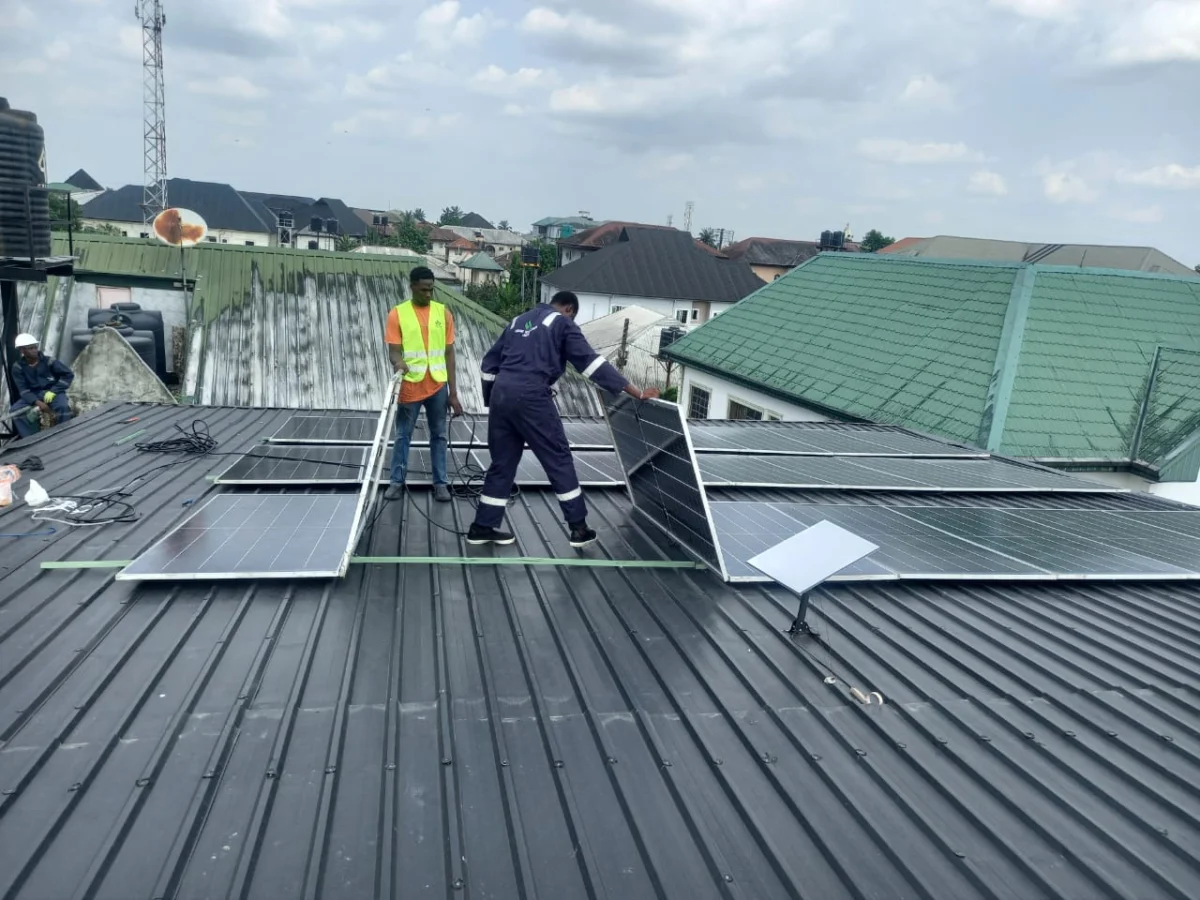
In Port Harcourt, the capital of Rivers State, Samuel Okechukwu and his team of technicians have seen their workload quadruple over the last eighteen months. As a solar installation lead, Okechukwu represents a new generation of energy providers who are dismantling the dominance of the internal combustion engine. On a typical afternoon, his team can be found retrofitting apartment buildings and small-scale factories with high-capacity photovoltaic (PV) arrays and lithium-ion storage systems. The motivation for his clients is rarely purely environmental; it is a matter of economic survival.
The Economic Catalyst: The End of Cheap Fuel
The primary driver of this shift was the landmark policy change in May 2023, when the Nigerian government announced the immediate removal of the long-standing petrol subsidy. This move, while intended to stabilize the national treasury, sent shockwaves through the economy. Within weeks, the price of premium motor spirit (PMS) tripled, jumping from approximately N195 per liter to over N600, with subsequent market fluctuations pushing it even higher in various regions.
For the millions of small and medium-sized enterprises (SMEs) that form the backbone of the Nigerian economy, the cost of running "I-better-pass-my-neighbor" generators—the small, portable units used by barbers, tailors, and shopkeepers—became unsustainable. In the industrial sector, where heavy-duty diesel generators are the standard, the situation was even more dire. Diesel prices, which had already been deregulated, surged to record highs, often exceeding N1,500 per liter depending on the location and supply chain logistics.
Business owners who previously allocated 20% of their operating costs to energy found themselves spending upwards of 50% to 60% just to keep the lights on and machinery running. This "energy tax" forced many to either raise prices—contributing to record-high inflation—or seek a permanent alternative. Solar power, once viewed as a luxury for the elite or a niche solution for rural NGOs, suddenly emerged as the most viable financial hedge against fuel price volatility.
A Chronology of Grid Instability
The transition to solar has been further accelerated by the persistent fragility of the Transmission Company of Nigeria (TCN) infrastructure. Despite various government interventions and international loans aimed at privatizing and stabilizing the power sector, the national grid has remained notoriously unreliable.
In 2024 and 2025, Nigeria recorded dozens of total grid collapses, where power generation dropped to zero megawatts, plunging the entire country into darkness. These "system collapses" often took days to resolve, leaving hospitals, data centers, and manufacturing plants entirely dependent on their own power generation.
The timeline of Nigeria’s energy crisis highlights why the shift to solar became inevitable:
- 2020–2022: The grid experienced frequent "partial collapses," with average daily supply hovering around 4,000 megawatts for a population of over 200 million.
- May 2023: Removal of the fuel subsidy. The cost of backup power becomes the single largest expense for Nigerian households.
- Early 2024: A series of major grid failures occurs within weeks of each other, highlighting the inability of the aging infrastructure to handle modern demand.
- 2025: The Nigerian government passes the Electricity Act, which allows states and private entities to generate, transmit, and distribute power, breaking the federal monopoly and encouraging decentralized renewable energy projects.
- 2026: Solar adoption hits a "tipping point" in urban centers. Financing models like "Pay-As-You-Go" (PAYG) and "Lease-to-Own" make solar accessible to middle-class families and small businesses.
Supporting Data: The Case for Solar Over Diesel
The financial argument for solar is now supported by data that is difficult to ignore. According to market analysis from local energy consultancies, the Levelized Cost of Energy (LCOE) for solar in Nigeria has dropped by nearly 80% over the last decade. Meanwhile, the operational cost of a diesel generator has increased by over 300% when factoring in fuel, oil changes, and mechanical repairs.
A standard 5kW solar system, capable of powering a three-bedroom home including refrigeration, lighting, and fans, requires an upfront investment that many Nigerians previously found daunting. However, when compared to the monthly expenditure on diesel or petrol, the "break-even" point for such a system has shrunk from seven years to less than three years.

Furthermore, the longevity of modern lithium-iron-phosphate (LiFePO4) batteries has changed the equation. Unlike the older lead-acid batteries that required replacement every two years, modern storage solutions can last for a decade or more with minimal degradation. This reliability is a crucial factor for businesses that cannot afford the downtime associated with generator maintenance or fuel shortages.
Official Responses and Policy Shifts
The Nigerian government, recognizing that it cannot meet the country’s energy demands through the centralized grid alone, has begun to pivot its strategy toward the Rural Electrification Agency (REA) and the Nigeria Electrification Project (NEP). These bodies have been instrumental in deploying mini-grids and solar home systems to underserved areas.
In a recent statement, a spokesperson for the Federal Ministry of Power noted: "The era of total reliance on a single, centralized grid is coming to an end. Our goal is to create a hybrid energy landscape where the national grid provides the industrial base-load, while decentralized solar and hydro solutions empower our communities and SMEs. We are working to remove import duties on solar components to further drive down costs for the average Nigerian."
However, industry experts argue that more needs to be done. While the Electricity Act of 2023 was a significant step toward deregulation, the lack of standardized net-metering policies remains a hurdle. Net-metering would allow solar owners to sell excess power back to the grid, creating a two-way energy flow that could stabilize the local distribution networks.
Broader Impact and Social Implications
The shift to solar is producing ripple effects that extend far beyond economics. The environmental benefits are significant; Nigeria is one of the world’s largest importers of small gasoline generators, which contribute heavily to urban air pollution and respiratory illnesses. The transition to "clean and silent" energy is noticeably improving the quality of life in densely populated neighborhoods.
In the education sector, schools that have adopted solar power report higher student engagement and the ability to run computer labs that were previously mothballed due to fuel costs. In the healthcare sector, solar-powered refrigeration for vaccines and 24-hour lighting for emergency rooms are saving lives in rural clinics that the national grid never reached.
There is also a growing "solar economy" emerging in Nigeria. Thousands of jobs are being created for installers, maintenance technicians, and sales agents. Vocational training centers in Port Harcourt and Lagos are now prioritizing renewable energy certifications, as the demand for skilled solar labor continues to outpace supply.
Challenges on the Horizon
Despite the momentum, the transition is not without its obstacles. The Nigerian market has been plagued by an influx of sub-standard solar panels and counterfeit batteries, which often fail within months of installation. This has led to a "trust deficit" among some consumers who are wary of making a large investment only to be disappointed by poor-quality hardware.
Moreover, the volatility of the Naira against the US Dollar remains a challenge, as most solar components are imported. When the Naira devalues, the cost of solar hardware rises, temporarily slowing the pace of adoption.
Conclusion: A Decentralized Future
The trend observed in Port Harcourt—where technicians like Samuel Okechukwu are replacing the roar of generators with the silent efficiency of solar—is more than a temporary fix for a fuel crisis. It represents a fundamental shift in how one of Africa’s largest economies views energy.
As the technology continues to mature and financing becomes more accessible, the "generator culture" that has defined Nigeria for half a century is beginning to fade. In its place is a decentralized, resilient, and increasingly green energy model that promises to provide the stability the national grid could not. For the Nigerian business owner, solar is no longer just an alternative; it is the primary engine of progress in an era of high-cost fossil fuels.

Related Posts

Constitutional Court of South Africa Bars Shell Oil Exploration in Landmark Victory for Environmental and Community Rights

The Battle for Saldanha Bay: South Africa’s Ambitious Ocean Economy Strategy Faces Legal and Environmental Reckoning