DR Congo South Kivu Conflict Escalates as Humanitarian Access Crisis Deepens Amid Drone Strikes and Armed Group Interference
The humanitarian landscape in the eastern Democratic Republic of Congo (DRC) has reached a critical inflection point as the Congolese armed forces (FARDC) and a shifting coalition of armed groups intensify their presence in the South Kivu highlands. According to a comprehensive report released by Human Rights Watch, these warring factions are systematically interfering with the delivery of life-saving aid and actively preventing civilians from escaping the escalating violence. As the United Nations Security Council prepares to convene on April 15, 2026, to address the deteriorating situation, the international community is facing urgent calls to impose new sanctions on abusive commanders and establish safe passage for the thousands of displaced persons trapped in the crossfire.
The South Kivu highlands, specifically the territories of Fizi, Mwenga, and Uvira, have long been a flashpoint for ethnic and political violence. However, the current crisis represents a significant escalation in both the sophistication of the weaponry used and the severity of the humanitarian restrictions. The United Nations has officially classified the access constraints in these "Hauts Plateaux" regions as "severe," a designation that reflects a near-total breakdown in the ability of non-governmental organizations (NGOs) to provide medical supplies, food, and protection services to vulnerable populations.
The Humanitarian Stranglehold in the Highlands
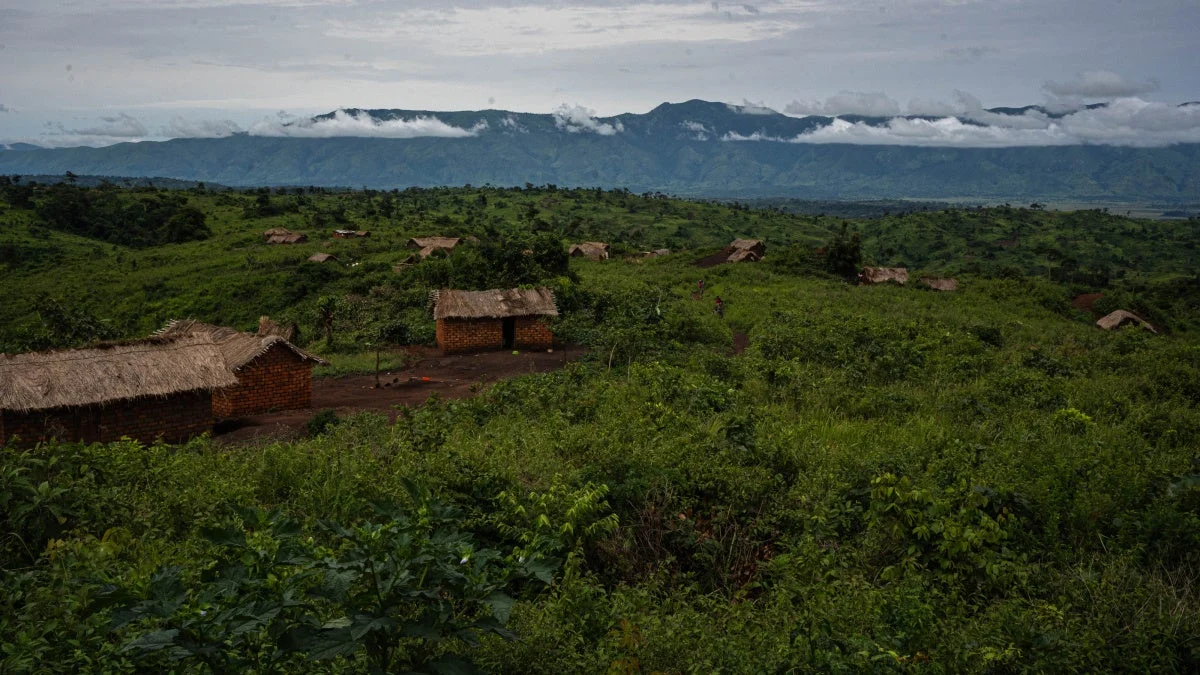
The city of Minembwe, a strategic hub in the highlands, currently serves as the epicenter of the crisis. Since its capture in March 2025 by the Twirwaneho armed group and the M23—a rebel movement with documented ties to neighboring Rwanda—the city has been effectively besieged by Congolese government forces and their allies. This encirclement has created a "dead zone" for humanitarian logistics.
Local sources and medical workers report that the lack of basic staples has led to an economic catastrophe for the civilian population. Prices for essential goods such as salt and sugar have surged to five times their normal market value compared to other cities in South Kivu. More critically, medical facilities are facing a total depletion of essential medicines. The inability of aid convoys to penetrate the front lines has left hospitals unable to treat even basic infections or provide trauma care for those wounded in the fighting.
The Twirwaneho, a group primarily composed of members from the Banyamulenge community, has been accused of using the civilian population as a strategic shield. Reports indicate that the group has blocked residents from leaving Minembwe, despite the threat of ongoing aerial bombardments, in an effort to bolster its image as a "local defense" organization and to ensure a pool of potential recruits. Families who refuse to provide a fighter to the group or pay financial "compensation" face severe retaliation, including physical abuse and the destruction of property.
The Rise of Drone Warfare and Aerial Bombardments
One of the most alarming developments in the South Kivu conflict is the increased use of unmanned aerial vehicles (UAVs) or drones for reconnaissance and kinetic strikes. Between January and March 2026, Human Rights Watch documented at least eight credible incidents involving drone strikes in the highlands. This data is supported by the Armed Conflict Location & Event Data Project (ACLED), which has noted a significant uptick in air-based political violence in the region since late 2025.
The civilian toll of these strikes has been devastating. On March 23, 2026, an 86-year-old man was killed by a drone strike while tending his cattle near the outskirts of Minembwe. Just a week later, on March 30, a 14-year-old boy was killed in a field in Fizi territory. Beyond the loss of life, the strikes have targeted civilian infrastructure. On March 9, a community radio station in Madegu was hit, destroying solar panels and forcing journalists to flee. In an area where telecommunications have been disrupted for over a year, the destruction of the radio station has severed the last remaining link to information for thousands of people.
While the Congolese government has not officially claimed responsibility for all the strikes, the nature of the targets—which include Twirwaneho-held areas—strongly suggests that the FARDC or its immediate allies are operating the drones. Human Rights Watch’s requests for clarification from the Congolese army’s regional command have, thus far, gone unanswered.
A Complex Web of Belligerents and Regional Actors
The conflict in South Kivu is characterized by a dizzying array of alliances that transcend national borders. On one side stands the Twirwaneho and the M23, who are reportedly supported by Rwandan forces. This coalition is opposed by a pro-government alliance consisting of the FARDC and the "Wazalendo" (Patriots). The Wazalendo is an umbrella term for various "Mai-Mai" militia groups, including those from the Babembe, Bafuliru, and Banyiundu communities.
Adding further complexity to the theater is the presence of the Burundian army. Security sources estimate that approximately 4,000 Burundian troops are currently deployed in Fizi and Mwenga territories, fighting alongside the Congolese army. This regionalization of the conflict has turned South Kivu into a proxy battlefield, where the internal grievances of the DRC are intertwined with the security interests of its neighbors.
The Wazalendo groups, while ostensibly fighting on the side of the government, have been a primary source of insecurity for the local population. Led by figures such as William Yakutumba, these militias have established a network of illegal checkpoints. Between the towns of Baraka and Misisi—a distance of roughly 130 kilometers—residents have counted as many as eight to ten barriers where Wazalendo fighters and FARDC soldiers extort money from passersby. Those unable to pay the "tax," which ranges from 1,000 to 2,000 Congolese Francs, risk arbitrary detention and physical assault.
The Vacuum Left by MONUSCO’s Disengagement
The surge in violence and the breakdown of order can be traced back, in part, to the withdrawal of the United Nations Organization Stabilization Mission in the Democratic Republic of the Congo (MONUSCO). In June 2024, as part of an agreement with the Congolese government, MONUSCO completely disengaged from South Kivu province. The departure of UN peacekeepers removed a critical layer of civilian protection and human rights monitoring.
Since the withdrawal, security incidents have increased dramatically. The lack of a neutral third party has allowed armed groups to operate with relative impunity, and the absence of UN logistics has made it nearly impossible for humanitarian agencies to reach isolated highland communities. In December 2025, a new UN Security Council resolution was passed, potentially allowing for MONUSCO’s re-engagement specifically for ceasefire monitoring and verification. Human Rights Watch and other advocacy groups are now urging the UN to act on this resolution to provide a modicum of stability.
Chronology of the Crisis (2024–2026)
- June 2024: MONUSCO completes its withdrawal from South Kivu province following an agreement between the UN and the DRC government.
- March 2025: M23 and Twirwaneho forces capture the strategic city of Minembwe, leading to a counter-encirclement by the Congolese army.
- November 2025: ACLED data begins to show a marked increase in aerial and drone strikes across the South Kivu highlands.
- December 2025: The UN Security Council passes a resolution allowing for the potential resumption of MONUSCO activities for monitoring purposes.
- January–March 2026: A series of drone strikes hit civilian targets, including a church in Ilundu and a radio station in Madegu, resulting in multiple civilian deaths.
- February 2026: Gen. Fabien Dunia, FARDC regional commander, meets with Wazalendo leaders in an attempt to ban armed elements from urban centers, though abuses continue.
- April 15, 2026: Scheduled UN Security Council meeting to discuss the humanitarian and security crisis in the DRC.
Implications and International Responsibility
The situation in South Kivu is not merely a localized ethnic conflict; it is a profound failure of international protection mechanisms and state sovereignty. The use of drone technology in such an underreported and inaccessible area suggests a new and dangerous phase of warfare where "precision" strikes are being used indiscriminately against civilian infrastructure.
Clémentine de Montjoye, senior Great Lakes researcher at Human Rights Watch, emphasized the urgency of the situation: "Civilians in South Kivu’s highlands are facing a dire humanitarian crisis and live in fear of abuses by all parties. More attention is needed for this vastly underreported conflict or this bad situation will get even worse."
The upcoming UN Security Council meeting represents a pivotal moment for international intervention. Beyond calling for a ceasefire, there is a pressing need for a structured humanitarian corridor to be established, bypassing the illegal checkpoints of the Wazalendo and the military blockades of the Twirwaneho. Furthermore, the Congolese authorities are under increasing pressure to investigate and prosecute their own commanders who have allowed, or participated in, the harassment of the population.
Without immediate action to rein in the Wazalendo coalition and ensure that aid can reach the "Hauts Plateaux," the South Kivu highlands risk becoming a permanent zone of conflict characterized by starvation, displacement, and the total erosion of the rule of law. The international community’s response on April 15 will determine whether the thousands of people trapped in Minembwe and the surrounding territories are granted a reprieve or left to suffer in silence.

Related Posts
Human Rights Watch Calls for Investigation into Death of Detainee Following Removal from Najaf Hospital by Iraqi Drug Police
Human Rights Watch Urges UN Security Council to Extend Lebanon Peacekeeping Mission Amid Escalating Conflict and Humanitarian Crisis