India optimistic that talks with Iran can ease shipping disruptions
NEW DELHI — Following weeks of escalating maritime tensions in the Middle East, India has successfully secured the safe passage of two Indian-flagged tankers through the Strait of Hormuz, signaling a potential breakthrough in diplomatic efforts to stabilize energy supply chains. The tankers, which were carrying vital shipments of liquefied petroleum gas (LPG), successfully navigated the waterway on Saturday, marking the first significant result of New Delhi’s intensified engagement with Tehran since the region descended into a state of near-total blockade.
The development comes as the conflict involving the United States, Israel, and Iran enters its third week, a period characterized by targeted strikes on commercial shipping and a tightening Iranian grip on the world’s most critical energy chokepoint. While the passage of the two tankers offers a reprieve, Indian officials remain cautious. Indian Foreign Minister Subrahmanyam Jaishankar expressed optimism that ongoing negotiations would eventually resolve the plight of 22 other Indian vessels currently stranded west of the strait, unable to proceed to their destinations due to the high risk of seizure or kinetic attack.
The Strait of Hormuz: A Chokepoint Under Siege
The Strait of Hormuz, a narrow waterway separating the Persian Gulf from the Gulf of Oman, serves as the artery for approximately 21 million barrels of oil per day—roughly 21% of global petroleum liquid consumption. For India, the stakes are existential. Roughly 50% of the country’s crude oil and liquefied natural gas (LNG) imports pass through this channel.
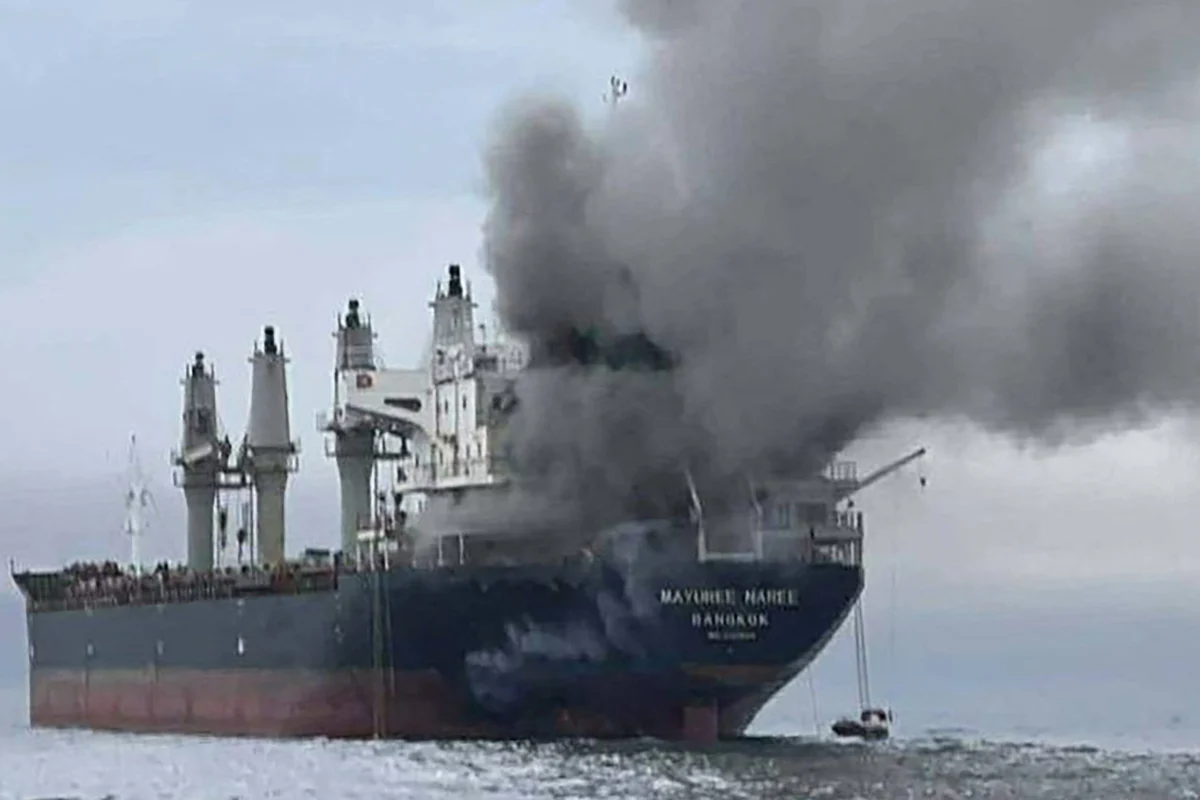
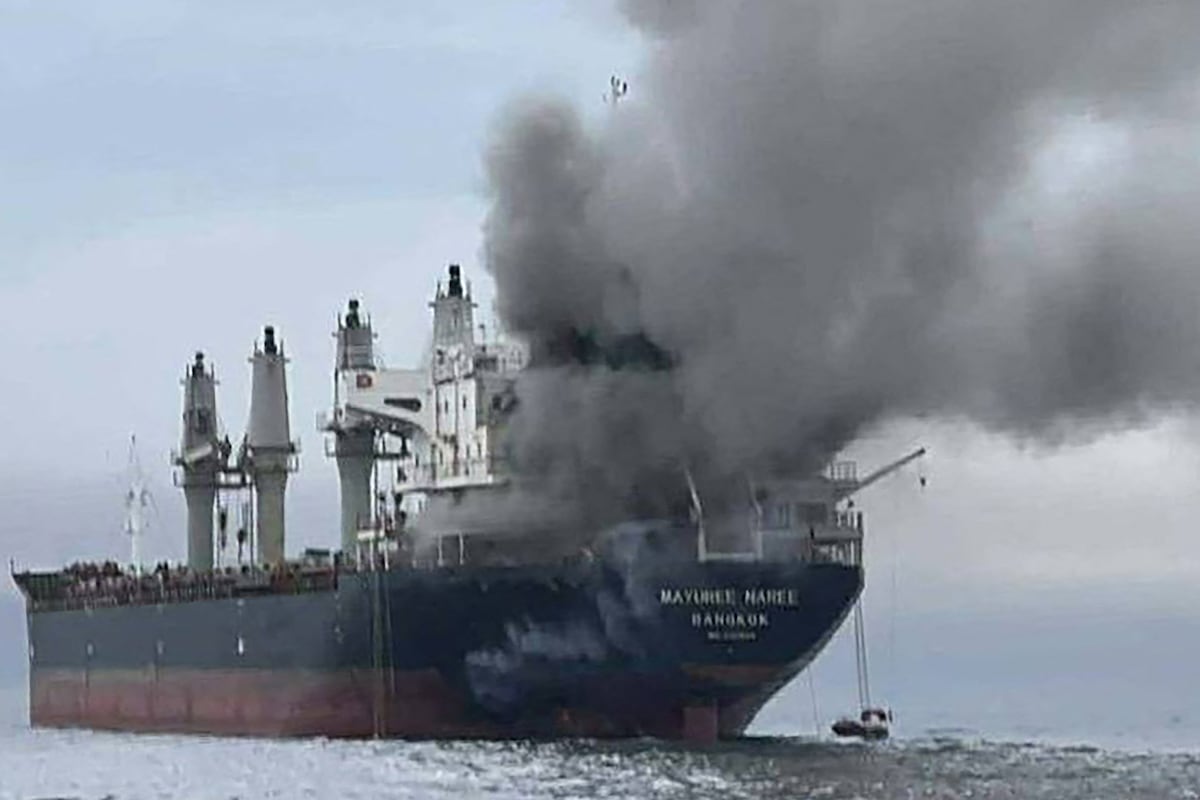
The current blockade, initiated by Iranian forces in response to hostilities with the U.S. and Israel, has effectively paralyzed commercial transit. The impact was underscored by a recent attack on the Thai-flagged bulk carrier "Mayuree Naree," which was seen billowing smoke near the strait following a strike. Such incidents have driven marine insurance premiums to record highs and forced many international shipping lines to abandon the route entirely, opting for the lengthy and expensive journey around the Cape of Good Hope.
For India, however, the "Cape route" is not a viable alternative for the short-haul energy imports coming from the Gulf nations. The disruption has already manifested in severe domestic shortages. In urban centers across India, supplies of cooking gas have dwindled, leading to long queues and rising prices, prompting the government to prioritize diplomatic solutions over military confrontation.
Chronology of the Crisis and Indian Intervention
The current crisis began three weeks ago following a rapid escalation of hostilities between Israel and Iranian-backed forces, which quickly drew in U.S. military assets.
- Week 1: Initial skirmishes led to the deployment of U.S. carrier strike groups to the region. Iran responded by announcing "maneuvers" in the Strait of Hormuz, slowing commercial traffic.
- Week 2: The "Mayuree Naree" and other commercial vessels were targeted. Iran officially restricted access to the strait for ships associated with "hostile nations." Global energy prices surged by 15% in 48 hours.
- Week 3: India began direct high-level talks with Tehran. Simultaneously, an Iranian warship that had been participating in naval exercises hosted by India was struck by a U.S. submarine in the Indian Ocean. India provided sanctuary to the surviving Iranian vessels and crew.
- March 14-15, 2026: Two Indian LPG tankers were granted safe passage following a personal appeal from New Delhi to the Iranian leadership.
Minister Jaishankar, speaking to the Financial Times, characterized these individual successes as the fruit of "reasoned coordination." He emphasized that while there is no "blanket arrangement" for all Indian ships, the case-by-case resolution demonstrates that diplomacy can function even in a theater of war. "Every ship movement is an individual happening," Jaishankar noted, adding that India’s ability to talk to all sides—Washington, Tel Aviv, and Tehran—positions it as a unique mediator in a fractured landscape.
Humanitarian Diplomacy and the Iranian Warship Incident
A pivotal factor in India’s successful negotiation appears to be a recent humanitarian gesture involving the Iranian Navy. Prior to the outbreak of the conflict, three Iranian warships were in the Indian Ocean for joint exercises hosted by India. When hostilities erupted, the fleet became a target.
According to maritime reports, one of the Iranian vessels was torpedoed by a U.S. submarine. The remaining two sought refuge in neutral waters. India provided sanctuary to one vessel and its crew, while Sri Lanka assisted another. On Monday, India confirmed it had repatriated approximately 180 Iranian crew members, ensuring their safe return to Iran.
Chintamani Mahapatra, chairman of the Kalinga Institute of Indo Pacific Studies, noted that this act of "goodwill diplomacy" was crucial. "India is not a warring party, and by ensuring the safety of these sailors, New Delhi proved its commitment to international maritime norms and its neutrality," Mahapatra said. "Iran allowing Indian ships through the strait is a direct vindication of this policy."
Sri Lanka has played a similar role, recovering the bodies of 84 Iranian sailors who perished when their ship was sunk. The return of these remains was handled with high-level diplomatic protocols, further easing tensions between the regional powers and the Iranian government.
Domestic Economic Impact and Energy Security
The urgency of India’s diplomatic mission is driven by the precarious state of its energy reserves. Unlike some Western nations that have diversified their energy portfolios, India remains heavily reliant on Middle Eastern hydrocarbons to fuel its industrial growth and domestic needs.
The shortage of LPG, primarily used as cooking gas in millions of Indian households, has become a sensitive political issue. Government data suggests that if the blockade continues for another month, the country could face a 30% shortfall in its total energy requirements. While India maintains Strategic Petroleum Reserves (SPR), these are designed for long-term national security emergencies rather than daily commercial disruptions.
The Ministry of External Affairs (MEA) has been working in tandem with the Ministry of Petroleum and Natural Gas to identify the most critical shipments. The 22 vessels currently stranded carry a mix of crude oil, LNG, and refined products. Each day these ships remain stationary adds millions of dollars in demurrage costs and increases the risk of supply chain collapses for Indian refineries.
The U.S. Response and India’s Stance on Naval Coalitions
While India pursues a path of "quiet diplomacy," the United States has adopted a more assertive posture. President Donald Trump announced on Sunday that his administration is in talks with seven nations—including China, France, Japan, South Korea, and the United Kingdom—to form a naval coalition aimed at reopening the Strait of Hormuz by force if necessary.
"I’m demanding that these countries come in and protect their own territory because it is their territory," President Trump told reporters aboard Air Force One. "It’s the place from which they get their energy."
Despite the pressure from Washington, India has signaled that it will not join a U.S.-led military escort mission. The Indian Foreign Ministry confirmed on Monday that there have been no bilateral discussions with the U.S. regarding the deployment of Indian warships for such a coalition.
New Delhi’s refusal to join the coalition stems from its long-standing policy of strategic autonomy. Joining a U.S.-led military initiative would likely be viewed by Tehran as a hostile act, potentially ending the safe passage agreements currently being negotiated. India prefers to deploy its own naval assets independently—such as "Operation Sankalp"—to monitor its vessels without becoming an active participant in the broader conflict.
Analysis: The Path Forward
The situation in the Strait of Hormuz remains a volatile standoff with global implications. For India, the successful transit of the LPG tankers serves as a proof of concept for its "neutrality-plus" diplomacy. By leveraging its historical ties with Iran and its strategic partnership with the U.S., India is attempting to carve out a "green corridor" for its energy needs.
However, the sustainability of this approach is under threat. If the conflict escalates into a full-scale regional war, "individual happenings" and case-by-case negotiations may no longer suffice. The presence of U.S. submarines and the threat of Iranian mine-laying operations make the waterway hazardous for even the most neutral of carriers.
The international community is watching closely to see if India’s model of engagement can serve as a blueprint for other non-aligned nations. If New Delhi can successfully extract all 22 of its stranded vessels through dialogue, it will represent a significant victory for middle-power diplomacy in an era of superpower confrontation.
For now, the focus remains on the horizon west of the Strait of Hormuz, where dozens of ships wait for the signal that it is safe to move. In the halls of New Delhi’s South Block, the optimism is tempered by the reality that in the Persian Gulf, the line between a successful transit and a maritime disaster is thinner than ever.

Related Posts
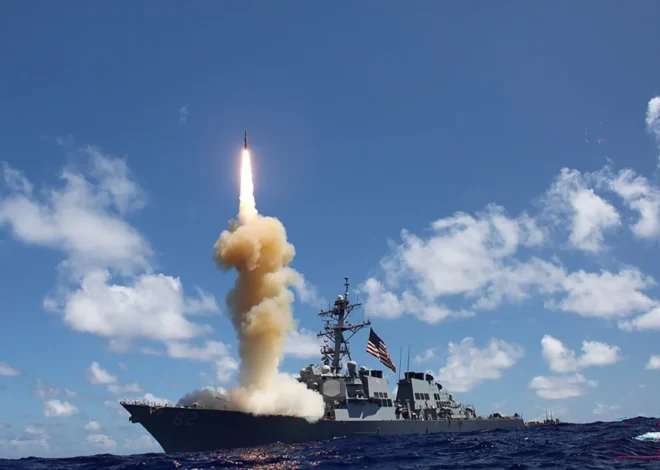
Pentagon Forges Landmark Seven-Year Agreements with Boeing and RTX to Accelerate Standard Missile-3 Production and Stabilize Defense Supply Chains
Boeing Unveils Ultra Low-Cost Seeker to Enhance Missile Inventory and Combat Cost Challenges in Modern Warfare