Hong Kong’s Prime Office Vacancy Rate Dips to Single Digits for First Time in 26 Months, Signaling Tentative Recovery
Hong Kong’s prime office vacancy rates in its core business districts have fallen to single digits for the first time in 26 months, a significant development that is beginning to lift overall rents in the city’s previously struggling office property market. This milestone, reported by global real estate consultancy JLL, offers a much-needed glimmer of optimism for the sector, which has been grappling with headwinds for an extended period.
Central District Leads the Charge as Vacancy Declines
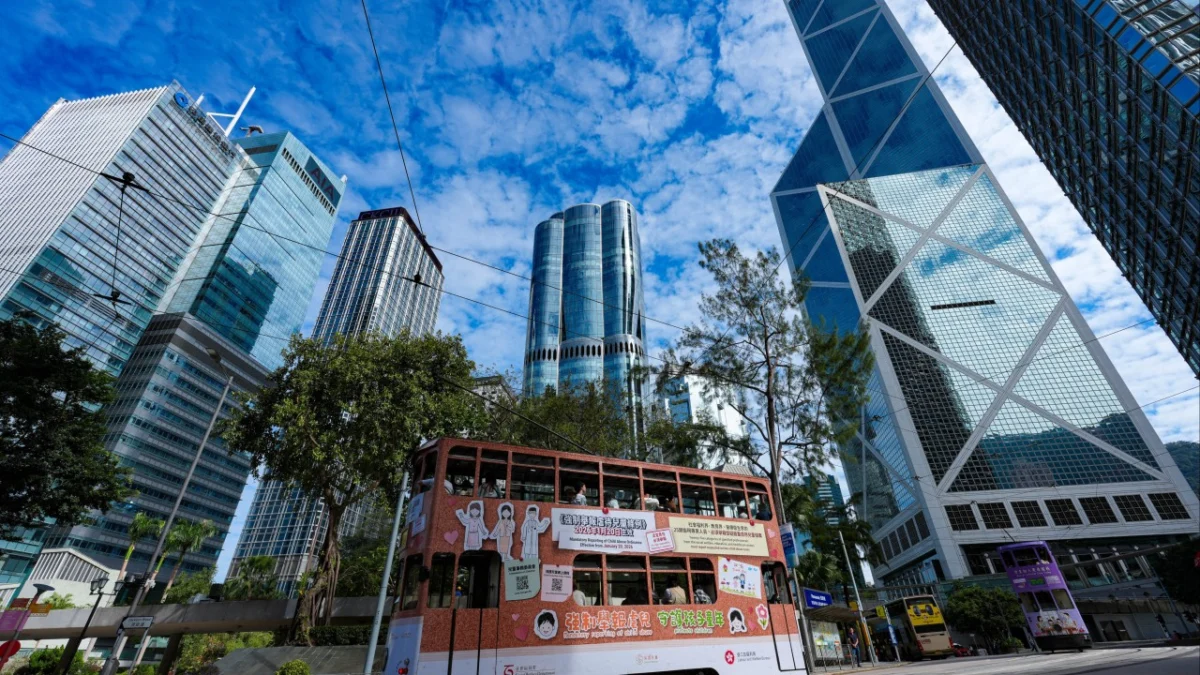
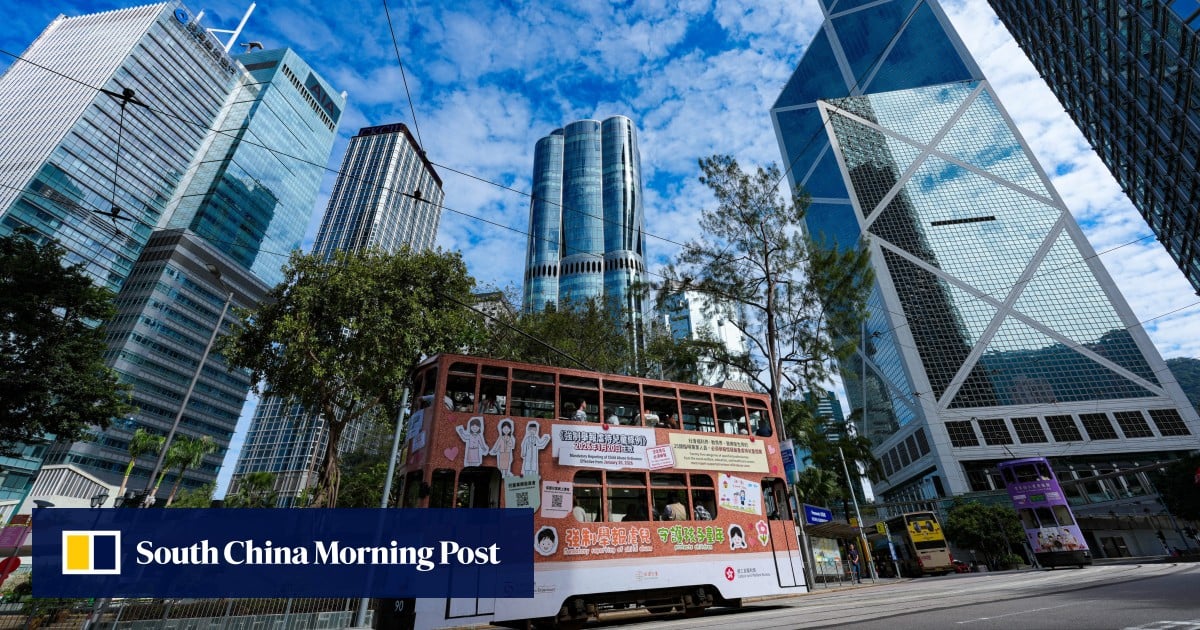
The most prominent improvement has been observed in Central, Hong Kong’s undisputed financial and business heart. JLL data reveals that the vacancy rate for premium, Grade A offices in Central dropped to 9.9 per cent in February. This marks a notable decrease from the 10.1 per cent recorded in January and represents the first instance of a single-digit vacancy rate for this prime segment since December 2021. The last time this benchmark was met was indeed in December 2023, when the rate also registered at 9.9 per cent. This sustained decline in available space in one of the world’s most sought-after business addresses is a strong indicator of renewed demand.
Citywide Trends Show Gradual Improvement
Beyond the prestigious Central district, the broader Hong Kong office market is also exhibiting signs of a gradual turnaround. The citywide prime office vacancy rate saw a slight but significant reduction, inching down to 13.4 per cent in February from 13.5 per cent a month prior. This modest decline, when aggregated across the entire market, underscores a city-wide trend towards absorption of available office space.
Furthermore, the Wan Chai and Causeway Bay area, another key commercial hub, has also recorded a decrease in its prime office vacancy rate. In February, this rate stood at 10.2 per cent, down from 10.3 per cent in January. This marks the third consecutive month of falling vacancy rates in this district, suggesting a consistent pattern of demand outweighing supply in this specific locale.
Rents Begin to Rebound on the Back of Lower Vacancy
The improved vacancy metrics are directly correlating with an uptick in office rents. Central’s Grade A office rents, in particular, have shown a robust increase, climbing by 3.5 per cent in the first two months of 2024. This growth was driven by a 1.2 per cent rise in January and a further 2.3 per cent increase in February. This sustained upward momentum in prime rents in the city’s most prestigious business district is a crucial development for landlords and investors.
On a citywide basis, this positive trend has supported an overall increase in office rents. In February, overall office rents experienced a 1.1 per cent month-on-month rise, reflecting the broader market’s response to tightening supply in key areas. This represents a welcome shift from periods of rental stagnation or decline that have characterized the market in recent years.
Banking Sector: The Primary Engine of Leasing Activity
According to Alex Barnes, Managing Director of JLL in Hong Kong, Macau, and Taiwan, the banking sector continues to be the primary driver of leasing activity in the Hong Kong office market. This sustained demand from financial institutions is crucial for absorbing available space, particularly in new and high-quality office buildings located in core business districts. The financial services industry, with its inherent need for premium, well-located office space, remains a cornerstone of the city’s commercial real estate landscape.
Barnes further elaborated on the current market dynamics, stating, "With the banking sector remaining the primary driver of leasing activity, and demand focused on new office buildings in core business districts, only two districts have shown early signs of improvement." This highlights a bifurcated market where prime locations and newer developments are benefiting disproportionately from current demand trends.
Future Outlook: Sustained Improvement in Core, Pressure in Non-Core
Looking ahead, JLL anticipates that the current trend of improving demand and rental growth in prime areas will persist throughout the year. Barnes projected, "This trend is expected to persist throughout the year, while non-core districts such as Kowloon East are likely to remain under pressure." This forecast suggests a continued divergence in performance between the prime, established business districts and emerging or secondary commercial areas.
Kowloon East, which has been positioned as a future business hub, may continue to face challenges in attracting tenants and maintaining rental levels. This could be attributed to a variety of factors, including the availability of newer, more competitive supply in other districts, or a slower-than-anticipated development of its supporting infrastructure and amenities.
Background Context: A Market Navigating Challenges
The Hong Kong office market has been under considerable pressure in recent years, influenced by a confluence of global and local factors. The COVID-19 pandemic significantly altered working patterns, with a surge in remote and hybrid work models leading to reduced office space requirements for some companies. Geopolitical tensions and economic uncertainties have also impacted business sentiment and investment decisions, further affecting leasing activity.
Prior to this recent improvement, vacancy rates had been on an upward trajectory, particularly in the Grade A office segment. This led to a prolonged period of rental decline or stagnation, creating a challenging environment for landlords and developers. The sustained single-digit vacancy rate in Central, therefore, signifies a crucial turning point, suggesting that the market may be moving past its most challenging phase.
Timeline of Key Developments
- December 2021: The last recorded instance of single-digit prime office vacancy rates in Central.
- 2022-2023: A period characterized by elevated vacancy rates and rental pressures across Hong Kong’s office market, influenced by global economic uncertainties and evolving work-from-home trends.
- Late 2023 – Early 2024: Gradual signs of market stabilization and absorption begin to emerge, particularly in core business districts.
- January 2024: Prime office vacancy in Central stands at 10.1 per cent. Overall citywide vacancy at 13.5 per cent. Wan Chai/Causeway Bay vacancy at 10.3 per cent. Central Grade A office rents see a 1.2 per cent increase.
- February 2024: Prime office vacancy in Central drops to 9.9 per cent, marking a return to single digits after 26 months. Citywide vacancy falls to 13.4 per cent. Wan Chai/Causeway Bay vacancy at 10.2 per cent, marking its third consecutive month of decline. Central Grade A office rents see a further 2.3 per cent increase, bringing the year-to-date rise to 3.5 per cent. Overall office rents experience a 1.1 per cent month-on-month increase.
Broader Impact and Implications
The return of single-digit vacancy rates in Central has significant implications for Hong Kong’s commercial real estate sector and its broader economic standing.
- Investor Confidence: This positive development could boost investor confidence in Hong Kong’s office market, potentially attracting new investment and encouraging existing stakeholders to retain or expand their portfolios.
- Rental Growth Potential: With tighter supply, landlords are in a stronger position to negotiate lease terms and command higher rents. This could lead to improved profitability for property owners and contribute to the overall economic performance of the sector.
- Attracting Talent and Business: A vibrant and competitive office market is essential for attracting and retaining top talent and businesses. The resurgence in demand, particularly from the financial sector, signals that Hong Kong remains a key financial hub.
- Economic Indicator: The office market often serves as a leading indicator for broader economic activity. An improving office market can suggest underlying economic strength and a more optimistic business outlook.
- Urban Development: The sustained demand for prime office space in core districts can spur further investment in urban renewal and development, enhancing the city’s infrastructure and amenities.
While the current trend is encouraging, it is crucial to note that the market remains dynamic. External economic factors, global business trends, and the specific policies of companies will continue to shape the demand for office space. However, the recent dip in vacancy rates to a 26-month low in Hong Kong’s prime business districts, spearheaded by Central, represents a significant and welcome shift, signaling a potential period of sustained recovery and renewed vitality for the city’s office property market. The continued focus on core business districts and demand from key sectors like banking are likely to be the defining characteristics of the market in the coming months.