Live Blog Update| War on Iran
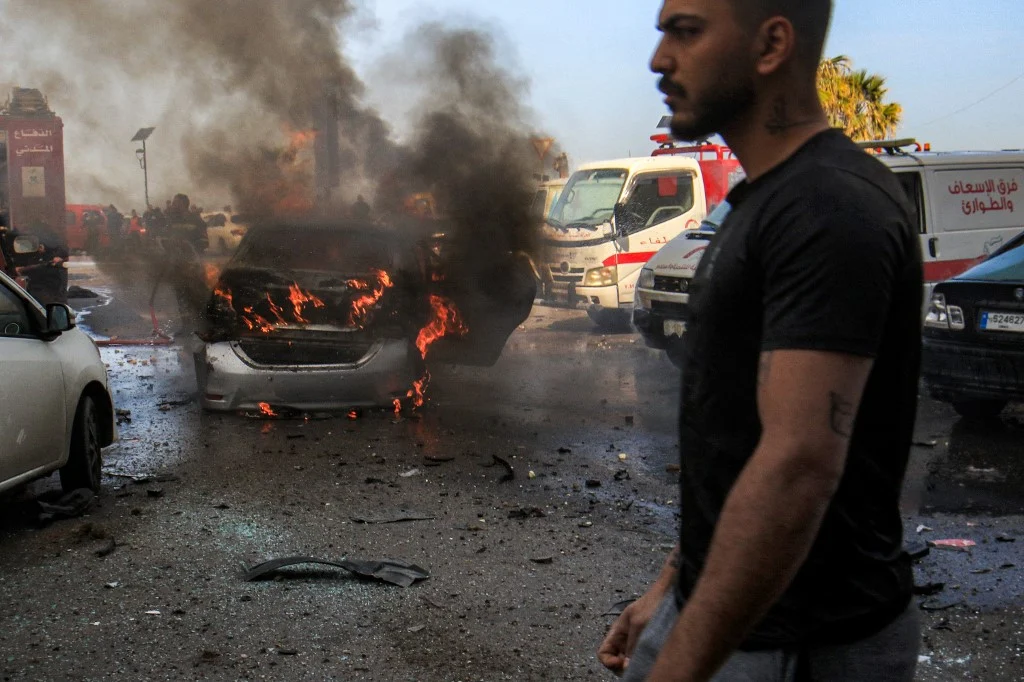
Iran’s Khatam al-Anbiya Central Headquarters issued a grave warning on March 20, 2026, accusing Israel of planning a “false flag” operation targeting critical Saudi Aramco oil facilities. The alleged plot, intended to unjustly attribute blame to Tehran, was reported by Iran’s state news agency IRNA, further escalating already fraught regional tensions. A spokesperson for the elite military command unit stated unequivocally, “The Israeli terrorist regime plans to attack Aramco in a false flag operation to blame Iran,” according to the IRNA report. This accusation arrives amidst a period of heightened regional volatility, underscored by recent Israeli military actions, including a bombardment in Lebanon’s southern coastal city of Sidon on March 18, 2026, which targeted a vehicle and left it burning, as captured in widespread imagery. The Iranian warning, while unverified, immediately injected a new layer of complexity into the intricate web of geopolitical rivalries dominating the Middle East, threatening to destabilize global energy markets and push the region closer to open conflict.
The Anatomy of the Warning: Iran’s Accusation
The accusation from the Khatam al-Anbiya Central Headquarters carries significant weight, as this command is responsible for coordinating Iran’s military and paramilitary forces. The use of the term "false flag" suggests a deliberate deception designed to provoke a retaliatory response against Iran, potentially drawing other regional and international actors into a broader conflict. Such a strategy, if true, would aim to isolate Iran further and provide a pretext for military action against its nuclear program or regional proxies. The target, Saudi Aramco, is not arbitrary; it represents the economic heart of Saudi Arabia, a key regional rival to Iran, and a vital artery for global energy supply. Any significant disruption to Aramco’s operations would have immediate and severe international repercussions, driving oil prices skyward and potentially triggering a global economic crisis.
The timing of the warning is also crucial. It follows closely on the heels of the March 18 Israeli bombardment in Sidon, Lebanon. While the specific target and casualties of that strike were not immediately detailed in the Iranian report, such an act of aggression in a neighboring country where Iran-backed groups like Hezbollah hold significant sway typically signals an intensification of the ongoing shadow war between Israel and the Iran-led "Axis of Resistance." Iran’s swift response, framing it as a preemptive exposure of an alleged Israeli plot, highlights the acute state of distrust and paranoia that permeates regional security calculations.
Historical Precedents and the Vulnerability of Aramco
The Iranian warning is not entirely unprecedented within the context of Middle Eastern geopolitical maneuvering. The notion of "false flag" operations has been a recurring theme in the region’s propaganda and counter-propaganda narratives for decades. More specifically, Saudi Aramco facilities have been the target of significant attacks in the past, most notably in September 2019. That attack, which involved drones and missiles, struck the Abqaiq oil processing plant and the Khurais oil field, temporarily halving Saudi Arabia’s oil output and sending shockwaves through global markets. While Yemen’s Houthi rebels, an Iran-aligned group, claimed responsibility, both Saudi Arabia and the United States unequivocally blamed Iran for orchestrating the sophisticated assault. Tehran vehemently denied involvement, pointing to the Houthis’ claims as evidence. This historical incident provides a critical backdrop to the current Iranian warning, illustrating both the vulnerability of Saudi Aramco and the existing pattern of accusations and denials concerning attacks on its infrastructure. The 2019 incident serves as a stark reminder of how quickly such an attack can escalate tensions and impact global stability.
Saudi Aramco, the world’s largest integrated oil and gas company, is critical not only to Saudi Arabia’s economy but also to global energy security. Its vast infrastructure, including oil fields, pipelines, processing plants, and export terminals, presents numerous potential targets. Protecting these assets is a paramount concern for Riyadh, and any threat, real or perceived, is taken with extreme seriousness. The prospect of an attack, regardless of who is ultimately responsible, immediately raises concerns among international partners and energy consumers worldwide.

Escalating Tensions: A Regional Chronology
The Iranian accusation must be understood within a broader timeline of escalating regional tensions that have characterized the relationship between Iran, Israel, and Saudi Arabia for years, if not decades.
- Early 2000s: The foundation of heightened tensions, with Israel increasingly concerned about Iran’s nuclear program and its support for groups like Hezbollah in Lebanon and Hamas in Gaza. Saudi Arabia, a Sunni-majority kingdom, views Shiite Iran as a rival for regional hegemony.
- 2015: The Joint Comprehensive Plan of Action (JCPOA), or Iran nuclear deal, is signed. While seen by some as a de-escalation, Israel and Saudi Arabia strongly opposed it, arguing it did not go far enough to curb Iran’s regional ambitions or ballistic missile program.
- 2018: The United States withdraws from the JCPOA under the Trump administration and reimposes crippling sanctions on Iran, leading to Iran’s gradual rollback of its nuclear commitments and a "maximum pressure" campaign. This significantly ratchets up economic and military pressure on Iran.
- 2019: The Abqaiq-Khurais attacks on Saudi Aramco facilities. This event marked a direct and significant assault on Saudi infrastructure, demonstrating the potential for devastating economic impact and the willingness of actors to target critical energy assets.
- 2020-2025: A period characterized by a "shadow war" between Israel and Iran, with frequent Israeli airstrikes in Syria targeting alleged Iranian weapons transfers or militia positions, and cyberattacks attributed to both sides. Iran, meanwhile, continues to develop its missile capabilities and support regional proxies. Occasional maritime incidents and assassinations of Iranian nuclear scientists further fuel the animosity.
- Late 2025 – Early 2026: Reports indicate an uptick in covert operations and public rhetoric, with both sides issuing increasingly stern warnings. The "War on Iran" descriptor in the news headline itself reflects a prevailing sentiment that the region is on the brink of, or already engaged in, a low-intensity conflict that could spill over.
- March 18, 2026: Israeli bombardment targets a vehicle in Sidon, Lebanon. This overt military action in Lebanese territory, a sovereign nation with a complex political landscape and significant Hezbollah presence, serves as an immediate flashpoint preceding the Iranian warning. Such strikes are often interpreted by Iran and its allies as attempts to degrade their strategic depth or provoke a response.
- March 20, 2026: Iran’s Khatam al-Anbiya Central Headquarters issues the "false flag" warning regarding Saudi Aramco, bringing the focus back to potential economic warfare and direct confrontation.
This chronology illustrates a consistent pattern of escalation, counter-escalation, and proxy conflict, making the current Iranian accusation a direct continuation of an entrenched regional struggle.
Inferred Reactions and International Diplomacy
Given the gravity of the Iranian accusation, immediate and strong reactions from key regional and international players would be expected:
- Israel: Would almost certainly issue a swift and unequivocal denial, dismissing the Iranian claims as "baseless propaganda" or "fabrications" designed to deflect attention from Iran’s own destabilizing activities. Israeli officials would likely reiterate their commitment to regional security and their right to defend themselves against Iranian threats, potentially accusing Iran of preparing its own provocations. They might also highlight Iran’s history of supporting terrorism and its nuclear ambitions as the true threats to regional stability.
- Saudi Arabia: Riyadh would likely express deep concern over any threats to its vital oil infrastructure and national security. While not directly confirming or denying the specifics of the Iranian warning regarding Israel, Saudi officials would likely emphasize their commitment to protecting their assets and ensuring the stability of global energy supplies. They might also call for de-escalation from all parties and reiterate their desire for a stable region, potentially through diplomatic channels, while simultaneously reinforcing their military readiness.
- United States: As a key ally to both Israel and Saudi Arabia, and a signatory to the now-defunct JCPOA, the U.S. would face immense pressure. Washington would likely issue a statement urging all parties to exercise maximum restraint, avoid provocative actions, and engage in de-escalation. The U.S. would underscore the critical importance of secure global energy flows and warn against any actions that could destabilize the Middle East. It might also covertly engage in diplomatic efforts to verify the Iranian claims or prevent any potential escalatory actions.
- United Nations: The UN Secretary-General and Security Council would almost certainly issue statements expressing grave concern over the heightened tensions. They would call on all member states to adhere to international law, respect sovereignty, and resolve disputes through peaceful means. The UN might also offer its good offices for mediation or deploy observer missions if the situation deteriorates significantly.
- European Union: The EU would likely echo calls for de-escalation and restraint, emphasizing the need for dialogue and a diplomatic solution to regional conflicts. Europe’s reliance on stable energy supplies means it would be particularly sensitive to any threats against Saudi Aramco facilities and would advocate for measures to protect global oil markets.
Broader Impact and Geopolitical Implications
The Iranian warning, regardless of its veracity, has immediate and far-reaching implications across several fronts:
- Global Energy Markets: Even the threat of an attack on Saudi Aramco can trigger speculative trading and drive up crude oil prices. A real attack, particularly one of the scale of the 2019 incident, would cause an immediate and severe supply shock, potentially pushing oil prices to unprecedented levels and contributing to global inflation and economic recession. The instability would also impact investor confidence in the broader Middle East.
- Regional Stability and Risk of Direct Conflict: The accusation significantly raises the stakes in the ongoing shadow war. If an attack were to occur and Iran were blamed, it could provide a pretext for direct military confrontation between Israel and Iran, or between Saudi Arabia and Iran, potentially drawing in their respective allies. The region is already a powder keg, and such an incident could be the spark that ignites a broader conflagration.
- International Diplomacy and Nuclear Negotiations: The warning further complicates any potential efforts to revive the Iran nuclear deal or engage in broader diplomatic discussions. Trust between the parties is already at an all-time low, and an alleged false flag operation would only deepen suspicions and make any future negotiations incredibly difficult. It would also likely push Iran further into a defensive posture, potentially accelerating aspects of its nuclear program or increasing its support for regional proxies.
- Credibility and Information Warfare: The accusation itself is a move in the information war. Iran aims to preemptively undermine any future claims against it regarding attacks on Saudi oil facilities. This type of strategic communication is designed to sow doubt and complicate the international community’s ability to assign blame should an incident occur. It forces other nations to consider multiple narratives, even if only briefly.
- Internal Dynamics: Within Iran, such a warning can be used by hardliners to rally public support against a perceived external threat and justify increased military spending or regional operations. In Israel, it could be used to highlight the perceived existential threat from Iran and justify robust defense measures. In Saudi Arabia, it underscores the persistent security challenges it faces from regional adversaries.
- Cyber Warfare Dimension: In an increasingly digitized world, any attack on critical infrastructure like Aramco could involve significant cyber components, either as a primary means of attack or to disrupt command and control systems. The false flag accusation could extend to cyber operations, making attribution even more complex.
In conclusion, the Iranian warning regarding an alleged Israeli "false flag" operation targeting Saudi Aramco is far more than a mere diplomatic skirmish. It represents a critical juncture in the escalating regional tensions, laden with historical precedents of conflict, economic vulnerability, and profound geopolitical implications. Coming just days after an Israeli strike in Lebanon, the accusation underscores the extreme fragility of peace in the Middle East and the constant threat of a low-intensity conflict boiling over into a full-scale regional war with global consequences. The international community watches with bated breath, aware that any misstep or miscalculation could plunge an already volatile region into unprecedented chaos, with ripple effects reaching every corner of the world.

Related Posts
Over 150 Israeli Settlers Storm Al-Aqsa Compound and Perform Prayers, Violating Status Quo Under Police Protection.
UN Report Highlights Over 900 Obstacles Hampering West Bank Aid Amid Escalating Humanitarian Crisis