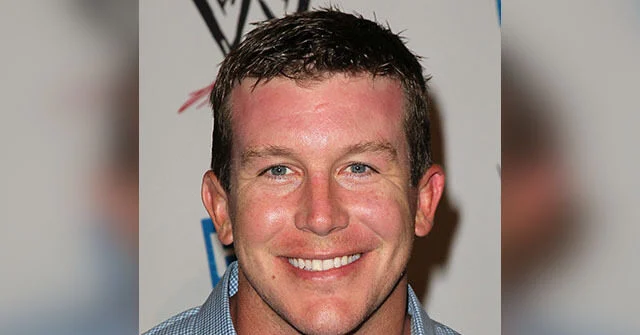
Ex-WWE Star Ted DiBiase Jr. Accused of Buying $1M Home, Luxury Goods with Stolen Welfare Funds
Ted DiBiase Jr., a former professional wrestler known for his tenure with World Wrestling Entertainment (WWE), has been formally indicted on federal charges related to Mississippi’s colossal state welfare fraud scheme. Prosecutors allege that DiBiase Jr. is responsible for stealing more than $1.4 million in funds designated for some of the state’s most vulnerable citizens, marking a significant development in a scandal that has already seen dozens charged and implicated high-profile figures. If convicted on the fraud charges, the 43-year-old son of WWE Hall of Famer "Million Dollar Man" Ted DiBiase Sr. faces a potentially decades-long prison sentence, with the possibility of up to 120 years if found guilty of all charges.
The indictment against DiBiase Jr. stems from a broader investigation into the alleged misappropriation of tens of millions of dollars from federal safety-net programs, primarily the Temporary Assistance for Needy Families (TANF) and the Emergency Food Assistance Program (TEFAP), which are intended to provide critical support to low-income families and individuals in Mississippi, the nation’s poorest state. The charges highlight a pattern of alleged malfeasance where funds meant for the impoverished were diverted for personal enrichment and luxury purchases.
Allegations of Misappropriation and Lavish Spending
According to federal prosecutors, DiBiase Jr. is accused of misusing a substantial portion of the welfare funds he received. The indictment specifically details that he allegedly used these funds to acquire a $1.4 million home, alongside other high-value luxury items. Among the listed purchases are a $55,000 pontoon boat, a $34,000 Kubota tractor, and a $40,000 truck. These allegations paint a stark picture of public funds intended for basic necessities being spent on opulent assets, drawing sharp criticism from state officials and poverty advocacy groups. The scale of these alleged purchases, juxtaposed against the dire needs of Mississippi’s low-income population, underscores the gravity of the charges.
The indictment further states that DiBiase Jr. received approximately $3 million between 2017 and 2018. These funds were allegedly funneled to him by John Davis, the former director of the Mississippi Department of Human Services (MDHS), who has emerged as a central figure in the sprawling fraud case. Davis has since pleaded guilty to both state and federal charges related to his role in orchestrating the misuse of welfare funding, admitting to diverting tens of millions of dollars from the very programs he was tasked with overseeing. His cooperation with authorities has been instrumental in uncovering the full extent of the conspiracy.
The Role of Key Co-Conspirators and the Unfulfilled App Project
The web of alleged deceit extends beyond DiBiase Jr. and Davis. Two other individuals, Christi Webb and Nancy New, have also been implicated in the fraud, with Davis identified by investigators as the primary conduit for channeling cash to various recipients, including DiBiase Jr. Nancy New, who operated the Mississippi Community Education Center (MCEC), a non-profit organization that received millions in welfare grants, and her son Zach New, also pleaded guilty to charges related to the scheme, acknowledging their roles in misusing funds. Their non-profit was ostensibly meant to provide services to needy families but allegedly served as a mechanism for siphoning off public money.
Central to DiBiase Jr.’s defense, as stated previously, is his assertion that the funding he received was intended for the development of a mobile application. This app, he claimed, was designed to assist the Department of Health and Human Services in its efforts to combat poverty across Mississippi. However, prosecutors and state officials contend that this project was a sham. The app has reportedly never been finished, nor has it been delivered to the state, casting significant doubt on the legitimacy of the contract and the use of the allocated funds. John Davis, in his testimony, reportedly admitted that he knew DiBiase Jr. would be unable to complete the app and fulfill the contract with the state, suggesting a pre-meditated scheme to misappropriate funds under the guise of a legitimate project. This particular aspect highlights a recurring theme in the broader scandal: the use of nebulous or unfulfilled projects to justify the transfer of welfare funds to individuals and entities with little accountability.
Understanding the Welfare Programs: TANF and TEFAP
The funds at the heart of this scandal originate from federal programs designed to alleviate poverty. The Temporary Assistance for Needy Families (TANF) program, created as part of the 1996 welfare reform, provides block grants to states to design and operate their own programs that help needy families achieve self-sufficiency. Its primary goals include providing assistance to needy families so children can be cared for in their own homes, reducing the dependency of needy parents on government benefits, preventing and reducing out-of-wedlock pregnancies, and encouraging the formation and maintenance of two-parent families. The Emergency Food Assistance Program (TEFAP) helps supplement the diets of low-income Americans by providing them with emergency food assistance at no cost.
Mississippi, consistently ranking as the poorest state in the U.S., has a particularly high reliance on these federal programs. According to recent census data, the state’s poverty rate hovers around 19%, significantly higher than the national average. This context makes the alleged theft of welfare funds even more reprehensible, as the money was intended for a population already struggling with food insecurity, inadequate housing, and limited access to essential services. The diversion of these critical resources directly impacts the ability of the state to support its most vulnerable residents, exacerbating existing social and economic challenges.
A Broader Web of Deceit: The Mississippi Welfare Scandal’s Scale
The indictment of Ted DiBiase Jr. is but one facet of a much larger, multi-faceted investigation that has rocked Mississippi’s political and social landscape. State officials have pursued legal action against at least 38 individuals and entities in connection with what is now estimated to be at least $77 million in stolen state funding. This figure has continued to grow as the investigation progresses, making it one of the largest public corruption cases in Mississippi’s history.
The scandal has drawn national attention not only for its sheer scale but also for the involvement of several well-known figures. Among those connected to the fraud are NFL Hall of Famer Brett Favre, who allegedly received millions in welfare funds for projects that included a volleyball stadium at his alma mater, the University of Southern Mississippi, and for a concussion drug company. While Favre has not been criminally charged, he has repaid some of the funds and is a defendant in a civil lawsuit filed by the state to recover misappropriated money. Also implicated are ex-University of Oklahoma star Marcus Dupree and even DiBiase Jr.’s own father, Ted DiBiase Sr., and his brother, Brett DiBiase, both of whom had ties to entities that received welfare funds. Brett DiBiase previously pleaded guilty to charges of conspiracy to commit welfare fraud. The involvement of these prominent individuals has amplified public outrage and cast a shadow over state institutions.
Chronology of the Scandal’s Unraveling
The Mississippi welfare fraud scandal began to truly unravel in 2019 when State Auditor Shad White’s office initiated an investigation into alleged irregularities within the Department of Human Services.
- 2019: Auditor White’s office begins investigating MDHS, focusing on grant spending and non-profit contracts.
- February 2020: Six individuals, including John Davis, Nancy New, and Zach New, are arrested and charged with embezzlement and fraud, marking the first major public revelation of the scandal.
- April 2020: The state files a civil lawsuit to recover $14 million in misspent welfare funds, expanding the scope of the legal battle.
- October 2020: Brett DiBiase pleads guilty to conspiracy to commit welfare fraud, agreeing to cooperate with prosecutors.
- May 2022: John Davis pleads guilty to federal and state charges, agreeing to cooperate and providing crucial testimony against other defendants, including DiBiase Jr. and potentially Favre.
- September 2022: Nancy New and Zach New plead guilty to federal and state charges.
- May 2023: Ted DiBiase Jr. is indicted by a federal grand jury on charges related to the alleged misappropriation of over $1.4 million in welfare funds.
- Ongoing: State and federal investigations continue, with further indictments and civil recovery efforts anticipated as authorities work to trace all misused funds.
This timeline illustrates a deliberate and methodical process by state and federal authorities to untangle a complex web of financial transactions and illicit agreements.
Legal Ramifications and Defense
Ted DiBiase Jr. has consistently maintained his innocence in the face of these grave accusations. He has opted to take his case to trial, signaling his intent to challenge the prosecution’s evidence and arguments. The legal process will involve rigorous proceedings, including discovery, motions, jury selection, and the presentation of evidence by both the prosecution and the defense. Given the severity of the charges and the potential prison sentence of up to 120 years, the stakes for DiBiase Jr. are incredibly high. His defense team will likely aim to discredit the prosecution’s witnesses, particularly John Davis, and argue that DiBiase Jr. genuinely believed his contract for the app development was legitimate. However, the prosecution will likely leverage Davis’s testimony and detailed financial records to establish intent and the alleged fraudulent nature of the transactions.
The federal charges against DiBiase Jr. signify the commitment of the U.S. Justice Department to pursue accountability in cases of public corruption, especially when federal funds are involved. This dual state and federal prosecution strategy ensures a comprehensive legal response to the multi-jurisdictional nature of such large-scale fraud.
Official Reactions and Public Trust
The ongoing revelations of the Mississippi welfare fraud have elicited strong reactions from state officials and the public alike. State Auditor Shad White, whose office initially uncovered many of the irregularities, has been a vocal critic of the alleged perpetrators and a champion for accountability. "This is one of the largest public corruption cases in Mississippi history, and we are committed to seeing justice served for the taxpayers and, more importantly, for the truly needy families who were robbed," White stated in previous comments regarding the scandal. Prosecutors have emphasized the egregious nature of stealing from programs designed to assist the most vulnerable segments of society, underscoring the betrayal of public trust inherent in such crimes.
Advocacy groups for the poor have expressed profound disappointment and anger, highlighting the tangible impact of these diversions on actual welfare recipients. The funds allegedly stolen could have provided crucial support for countless families, including food, housing assistance, and educational opportunities. The scandal has inevitably eroded public confidence in government institutions and the oversight mechanisms intended to protect public funds.
Implications for Mississippi and Federal Oversight
The Mississippi welfare fraud scandal carries profound implications for the state and potentially for federal oversight of welfare programs nationwide. For Mississippi, the long-term effects could include a damaged reputation, increased scrutiny from federal agencies, and a difficult path to restoring public trust in its government. The scandal has already prompted calls for significant reforms within state agencies, particularly the Department of Human Services, to prevent similar abuses in the future. This includes strengthening internal controls, enhancing transparency in contracting, and improving oversight of grant recipients.
On a broader level, the case may prompt federal authorities to re-evaluate the structure and oversight of block grant programs like TANF. While these programs offer states flexibility in addressing local needs, they also present vulnerabilities to fraud and mismanagement if not adequately monitored. The Mississippi case could serve as a cautionary tale, leading to stricter federal guidelines, enhanced reporting requirements, and more aggressive auditing of state-administered welfare funds across the country. The outcome of the numerous legal battles, including Ted DiBiase Jr.’s trial, will undoubtedly shape future policy discussions regarding accountability and the protection of safety-net resources for those who need them most.
As the legal proceedings against Ted DiBiase Jr. and other defendants continue, the focus remains on ensuring justice for the citizens of Mississippi and safeguarding the integrity of vital welfare programs designed to assist the nation’s most vulnerable. The gravity of the alleged offenses underscores the critical importance of vigilant oversight and unwavering commitment to ethical governance in the administration of public funds.

Related Posts
Democratic Candidates Must Moderate to Win General Elections, Says Rep. Greg Stanton
Lisa Demuth Secures Republican Gubernatorial Nomination in Minnesota, Defeating Trump-Endorsed Mike Lindell