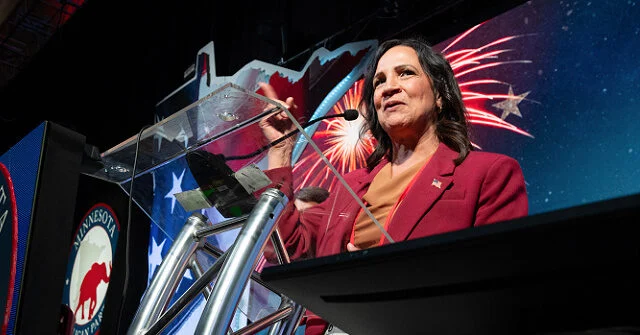
Senator Sarah McBride Urges Strategic Shift in Transgender Rights Advocacy, Emphasizing Dialogue Over Disengagement
Senator Sarah McBride (D-DE), a prominent figure in the transgender rights movement and the first openly transgender state senator in U.S. history, has called for a significant reassessment of advocacy strategies, citing a decline in public support for transgender issues over the past five years. Speaking in a video produced by Epworth United Methodist Church, titled "Dignity, Grace, and Better Angels," McBride articulated a new approach that prioritizes sustained conversation and engagement over the previous tactic of disengagement, even with individuals who hold opposing views. Her comments signal a potential recalibration within the LGBTQ+ rights movement, acknowledging that past methods may not be effectively advancing public understanding and acceptance.
McBride’s Call for a New Approach
During her address, Senator McBride candidly stated, "Many of the strategies and tactics that we employed over the last five years didn’t work." This frank admission underscores a growing recognition within advocacy circles that the landscape of public opinion and political discourse has evolved, necessitating a more adaptive and nuanced approach. The core of her proposed shift centers on maintaining dialogue, even in uncomfortable spaces. "We need you to stay in conversation with people [family members, politicians] who aren’t on our side," McBride urged. She emphasized that perfection is not the goal in these interactions, adding, "You might not say everything perfectly. It’s okay to be imperfect. You don’t have to be the perfect ally." This message seeks to empower allies by lowering the bar for engagement, suggesting that imperfect but persistent dialogue is more effective than silence.
McBride acknowledged the understandable reasons behind the prior strategy of cutting ties, particularly when LGBTQ+ individuals are subjected to hurtful comments. She empathized with the desire to "extract yourself from that situation" when "a person is saying deeply hurtful things about LGBTQ people," especially if one’s "mental and physical health is really at risk." This nuance is crucial; McBride is not advocating for individuals to subject themselves to abuse. Instead, she draws a distinction between personal self-preservation and the broader advocacy role of allies. "I don’t want all of my friends and family members and allies though to do the same with that person," she explained, "because I want my friends and family and allies to be able to be proximate to that person so that they can continue to have conversations – to push back, to hold them accountable." This suggests a strategic division of labor, where those less directly impacted by prejudice might bear the responsibility of maintaining lines of communication for the sake of long-term persuasion.
The Shifting Landscape of Public Opinion
McBride’s call for a strategic pivot comes amidst a period of notable flux in public opinion regarding transgender issues. While overall acceptance of LGBTQ+ individuals has generally trended upward in the United States over decades, data from various polling organizations indicates a more complex and, in some areas, declining level of support specifically for transgender rights over the past five years. This period has seen increased public discussion and legislative action surrounding gender identity, particularly concerning issues like gender-affirming care for minors, participation in sports, and bathroom access.
-
Polling Data Reveals Declining Support:
- Surveys conducted by organizations like the Pew Research Center and Gallup have shown that while a majority of Americans express general acceptance of transgender people, support for specific policies has softened. For instance, a 2022 Pew Research Center study found that the share of U.S. adults who say society has gone "too far" in accepting transgender people increased significantly since 2017. While only 16% held this view in 2017, that number rose to 38% by 2022. Conversely, the percentage saying society hasn’t gone "far enough" decreased from 33% to 26% in the same period.
- Similarly, a 2023 Gallup poll revealed that American adults are more divided on the morality of changing one’s gender than on other LGBTQ+ issues, with a notable shift towards viewing it as "morally wrong" compared to previous years.
- The Public Religion Research Institute (PRRI) has also documented shifts, showing that while majorities still favor nondiscrimination protections for LGBTQ+ people, there’s less consensus on issues specifically related to gender identity, with significant partisan and religious divides widening. This data suggests that while the broader concept of LGBTQ+ equality enjoys widespread support, the nuances of transgender identity and associated policy debates present more challenging terrain for advocates.
-
Legislative Battles and Increased Polarization:
The past five years have witnessed an unprecedented surge in state-level legislation targeting transgender individuals, particularly youth. According to organizations like the American Civil Liberties Union (ACLU) and the Human Rights Campaign (HRC), hundreds of bills have been introduced across the country aimed at restricting access to gender-affirming care, banning transgender athletes from sports teams, and limiting discussions of gender identity in schools.- 2018-2020: While some anti-trans bills were introduced, particularly regarding bathroom access, the volume was lower.
- 2021-2023: This period saw an explosion of legislative activity. In 2023 alone, over 500 anti-LGBTQ+ bills were introduced, with a significant portion targeting transgender rights. Many of these bills have successfully passed into law in conservative states, leading to legal challenges and creating a deeply polarized environment. These legislative battles have brought transgender issues to the forefront of national discourse, often framed in contentious terms, which has likely contributed to the shifting public sentiment. The intense political rhetoric surrounding these debates has made it increasingly difficult for advocates to bridge divides and foster understanding.
The Nuance of Engagement vs. Disengagement
McBride’s strategy suggestion delves into a fundamental dilemma for social justice movements: how to effectively advocate for marginalized groups without compromising their well-being or alienating potential allies. The previous strategy of disengagement, while criticized by McBride as ineffective in a broader advocacy sense, emerged from a very real need to protect individuals from harm and to avoid legitimizing hateful rhetoric.
-
Protecting Well-being While Fostering Dialogue:
For many years, a common piece of advice within LGBTQ+ advocacy was to "cut off toxic people" or to "not engage with bad-faith actors." This approach served several purposes: it protected the mental and emotional health of LGBTQ+ individuals and their allies from the constant burden of explaining their existence or defending their rights against hostility; it also aimed to deny a platform to those whose views were deemed discriminatory or harmful. The rationale was that engaging with such individuals might inadvertently normalize or validate their prejudice.However, McBride’s current perspective suggests that while this approach is valid for individual self-preservation, it may have inadvertently created echo chambers, limiting opportunities for persuasion and preventing a broader shift in public consciousness. By asking allies to "be proximate to that person," McBride is advocating for a strategic long game, where sustained, albeit imperfect, conversations can chip away at misconceptions and foster empathy over time. This approach recognizes that public opinion is not static and that genuine change often requires prolonged, interpersonal effort, rather than solely relying on legislative victories or confrontational tactics. The challenge lies in finding a balance where allies can engage without becoming enablers of prejudice, and where the emotional labor of engagement is distributed rather than solely resting on the shoulders of the marginalized.
Reactions and the Path Forward
McBride’s comments, particularly her call for allies to remain engaged with those holding opposing views, quickly drew criticism on social media platforms like X (formerly Twitter). Many users pushed back, expressing concerns that this strategy could place an undue burden on allies, legitimize harmful viewpoints, or even expose individuals to further emotional distress. Critics argued that asking allies to continually engage with people who deny the humanity or rights of transgender individuals could be emotionally draining and counterproductive, especially when faced with intransigent opposition. Some felt it implied that the onus was on the marginalized community and its supporters to "fix" the prejudice of others, rather than on those holding bigoted views to educate themselves.
-
Social Media Scrutiny and Advocacy Group Perspectives:
The online backlash highlights a significant tension within the LGBTQ+ rights movement: the desire for radical acceptance and firm boundaries versus the pragmatic need for persuasion and dialogue. While some advocacy groups might align with McBride’s call for broader engagement, others may continue to emphasize protecting vulnerable individuals from harm and rejecting platforms for hate speech. Mainstream LGBTQ+ organizations like the Human Rights Campaign or GLAAD have historically employed a mix of strategies, including public education campaigns, legislative advocacy, and direct engagement with policymakers. McBride’s statements could spur internal discussions within these organizations about the optimal balance of these approaches in the current climate. Some religious organizations that are affirming of LGBTQ+ identities, such as the Epworth United Methodist Church which hosted McBride’s video, often prioritize dialogue and bridge-building as part of their theological approach, making such a strategy resonate within those communities. -
Implications for the LGBTQ+ Rights Movement:
McBride’s re-evaluation represents a crucial moment for the transgender rights movement and the broader LGBTQ+ advocacy landscape. It suggests a potential shift from a strategy primarily focused on legal and legislative battles—which have seen significant setbacks in recent years—to one that emphasizes grassroots, interpersonal persuasion. This "hearts and minds" approach acknowledges that legal protections, while vital, may not be sufficient to achieve widespread social acceptance if public opinion remains resistant or becomes hostile.The implications are multi-faceted:
- Resource Allocation: Advocacy groups might need to reallocate resources towards training allies in effective communication strategies, de-escalation, and fact-based dialogue.
- Messaging Refinement: There could be a renewed focus on crafting messages that resonate with a broader audience, emphasizing common values and shared humanity, rather than relying solely on identity-based arguments.
- Coalition Building: The strategy could necessitate stronger alliances with unexpected partners, including moderate religious groups or community leaders, who can help bridge divides.
- Balancing Act: The movement will need to carefully navigate the tension between maintaining firm moral stances against discrimination and adopting a more accommodating posture for dialogue.
Conclusion: A Challenging Reassessment
Senator Sarah McBride’s call for a strategic re-evaluation in transgender rights advocacy marks a critical juncture. Her candid assessment of past strategies and her emphasis on sustained, imperfect dialogue reflect a pragmatic response to the shifting tides of public opinion and the increasingly polarized political landscape. While the proposed shift has sparked debate and raises complex questions about the emotional labor of advocacy and the boundaries of engagement, it underscores a commitment to finding effective pathways toward greater understanding and acceptance. The coming years will reveal whether this renewed emphasis on conversation and proximity can successfully reverse recent trends and build broader public support for transgender rights, charting a challenging but potentially transformative course for the movement.