Baka Nominated as Hungarian President as Tisza Party Consolidates Power Following Election Landslide
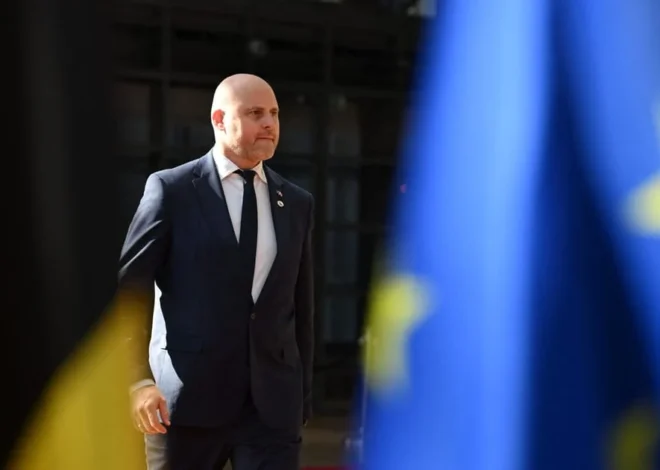
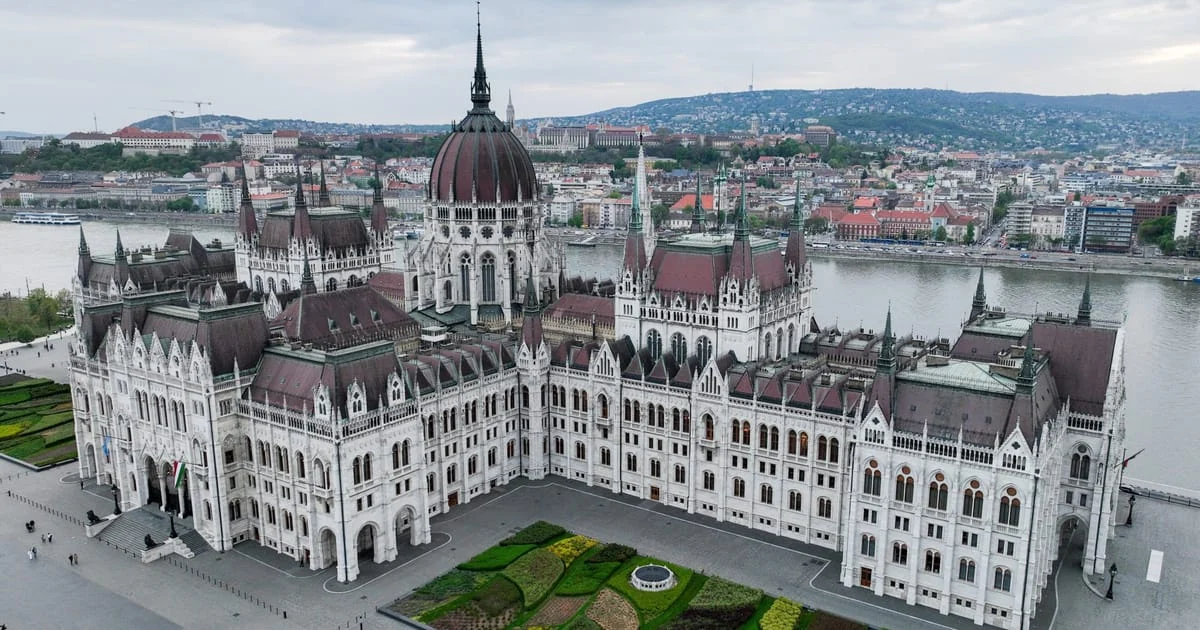
The nomination of a new candidate for the Hungarian presidency signals a decisive transition for the nation’s political landscape, marking the latest chapter in the seismic shifts initiated by the landslide victory of the Tisza party. With the parliamentary vote scheduled for next Tuesday, the ascension of the nominee appears all but guaranteed, given the two-thirds supermajority held by the ruling party. This development follows the high-profile resignation of former President Tamás Sulyok, whose departure was the culmination of months of public pressure spearheaded by Prime Minister Péter Magyar. The shift represents not merely a change in personnel at the Sándor Palace, but a strategic effort by the new administration to redefine the role of the head of state as a counterweight to the legislative dominance of the ruling coalition.
The Path to the Presidency: A Timeline of Political Upheaval
The current political climate in Hungary is the product of an intense period of electoral realignment. For sixteen years, the political architecture of the country was defined by the administration of Viktor Orbán. However, the spring general election served as a profound rupture in this long-standing status quo.
The chronology of this transition began in earnest following the electoral results that saw Tisza secure a historic mandate. Shortly after the election, Prime Minister Magyar intensified his rhetoric, calling for the resignation of then-President Tamás Sulyok. The pressure campaign was multifaceted, involving large-scale public demonstrations and a systematic critique of the institutional continuity between the former administration and the existing presidency.
In June, facing mounting public discontent and a series of constitutional maneuvers, Sulyok signed an amendment that effectively removed him from office. This resignation created a rare power vacuum in the upper echelons of the state. The search for a successor proved difficult for the new administration; Magyar’s initial outreach to globally renowned chess grandmaster Judit Polgár was met with a polite refusal. Polgár, in a statement that highlighted the perceived toxicity of the current political environment, noted that the role would be "too stressful" and incompatible with her professional life. Following this setback, the party pivoted to its current nominee, Baka, whose background is being positioned as a stabilizing force for the republic.
The Mandate of the Tisza Party
The political foundation of this transition rests on the overwhelming electoral success of the Tisza party. In the spring, the party secured a two-thirds majority in the National Assembly, a threshold of power that allows for significant constitutional and structural changes without the need for bipartisan consensus.
Data from the Central Statistical Office and various independent polling firms indicate that voter turnout in the last election reached historic highs, reflecting a profound desire for systemic change among the Hungarian electorate. The Tisza party’s platform centered on the restoration of institutional independence, the strengthening of the rule of law, and a re-evaluation of Hungary’s role within the broader European political framework.
The parliamentary vote on Tuesday is widely considered a procedural formality. Under the current electoral system, the government’s two-thirds majority ensures that the nomination process remains firmly under the control of the executive branch. This concentration of power, while effective for implementing a legislative agenda, has raised questions regarding the long-term democratic balance of the nation.
Reclaiming the Dignity of the Office
Proponents of the Baka nomination have emphasized that his appointment is intended to restore the "true dignity" of the office of the President. In the Hungarian system, the presidency is largely a representative position with limited executive authority. However, it holds significant soft power, particularly as the commander-in-chief of the armed forces and as a symbolic guardian of the constitution.
Official statements from the Tisza leadership describe the nominee as "the strongest guarantee that the office of President of the Republic will regain its true dignity and its ability to unite the nation and serve as a counterbalance to the ruling majority." This phrasing suggests a shift in the philosophy of the presidency. Rather than acting as a rubber stamp for government legislation—a criticism frequently leveled against previous incumbents—the new administration aims to foster a presidency that acts as a check and balance, even when the president and the prime minister are ideologically aligned.
Analytical Perspective: Implications for Hungarian Governance
The appointment of Baka carries significant implications for the future of Hungarian governance. Political analysts note that while the presidency is theoretically neutral, the act of appointing a candidate with the explicit intent of creating a "counterbalance" suggests a sophisticated approach to political legitimacy.
One of the primary challenges facing the new government is the maintenance of internal cohesion. By nominating a figure who is viewed as a bridge-builder, the Tisza party is attempting to preempt criticisms that it is merely replicating the power concentration strategies of its predecessor. However, the optics of a party that controls two-thirds of the legislature also controlling the presidency and the appointment of key state officials remain a point of contention for international observers, including the European Commission.
Furthermore, the resignation of Sulyok and the subsequent replacement process have highlighted the fragility of state institutions during times of radical transition. The use of constitutional amendments to force a change in leadership is a potent tool, but one that sets a precedent for how future transitions may be handled. If the presidency becomes a post that is subject to the political tides of the legislature, the long-term independence of the office may be further eroded.
The Economic and Geopolitical Context
The transition of power occurs against a backdrop of complex economic indicators. Hungary has faced significant inflationary pressures and fluctuating relations with its European Union counterparts. The new administration has signaled a desire to pivot away from the isolationist tendencies of the previous sixteen years, with Prime Minister Magyar emphasizing the need to place Hungary back at the center of regional diplomacy.
The "landslide victory" mentioned by observers was not merely a reaction to domestic policy but a response to the perceived isolation of Hungary on the international stage. Market analysts have observed that the stability provided by the upcoming presidential transition could be a key factor in attracting foreign direct investment. However, investors remain cautious, watching to see how the new administration manages the balance between domestic reform and international treaty obligations.
Reaction and Public Sentiment
While the government maintains that the nomination of Baka is a popular move, the response from the opposition and civil society remains mixed. Some factions within the opposition have expressed concern that the appointment process remains too opaque, arguing that a more consultative approach—including the participation of civil society leaders and opposition parties—would have better served the goal of national unity.
Conversely, supporters of the Tisza party argue that the mandate given by the voters in the spring was a mandate for decisive, swift action. They contend that the time for debate and compromise on institutional appointments has passed, and that the priority must be the swift implementation of the government’s reform agenda.
Conclusion: A New Era for the Sándor Palace
As the National Assembly prepares for Tuesday’s vote, the focus will inevitably shift toward the inaugural address of the new president. This speech is expected to outline the administration’s vision for the role of the head of state in a post-Orbán Hungary. Will the president function as a genuine check on the government, or will the demands of partisan loyalty override the constitutional mandate of the office?
The nomination of Baka is more than a simple administrative adjustment; it is a critical test of the resilience and the character of Hungary’s democratic institutions. As the nation watches the parliamentary proceedings, the international community will be observing to see if this transition marks the beginning of a more stable, inclusive, and balanced political era, or if the challenges of the past decade will continue to cast a long shadow over the future of the republic.
The appointment process, while formal, serves as a poignant reminder of the volatility inherent in democratic transitions. With the nomination of Baka, the Tisza party has laid its cards on the table, signaling a commitment to a specific vision of governance that emphasizes both central control and the symbolic restoration of state authority. Whether this vision succeeds in achieving its goal of national unity remains to be seen, but for now, the path forward for the Hungarian presidency is clear, and the transformation of the state is well underway.