X (formerly Twitter) and World Federation of Advertisers Settle Multi-Year Legal Dispute Over Alleged Ad Boycott, GARM Disbanded
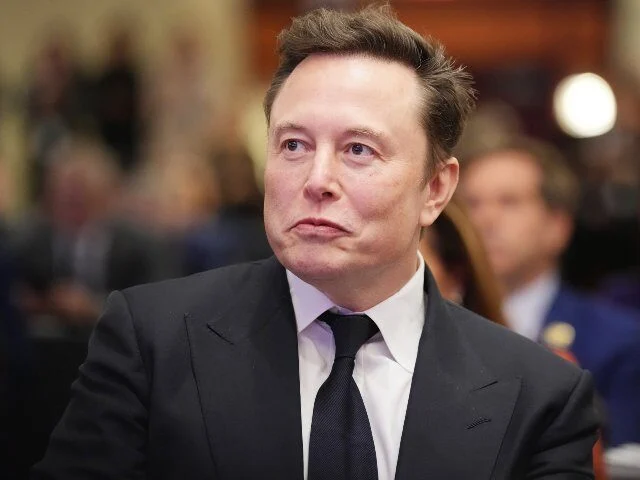
Elon Musk’s social media platform, X, has officially reached a settlement with the World Federation of Advertisers (WFA), concluding a protracted and contentious legal battle that originated in 2024 amidst allegations of an organized advertising boycott. The resolution, announced in a joint statement on Wednesday, July 29, 2026, marks a significant turning point in X’s efforts to hold advertisers legally accountable for substantial reductions in their spending on the platform, which X attributed to brand safety concerns allegedly orchestrated by the WFA. This agreement also notably includes the WFA’s commitment to not re-establish its Global Alliance for Responsible Media (GARM) initiative, which X had accused of effectively censoring conservative voices online.
The Genesis of the Conflict: Musk’s Acquisition and Advertiser Exodus
The roots of this multifaceted dispute trace back to October 2022, when entrepreneur Elon Musk completed his monumental $44 billion acquisition of Twitter, subsequently rebranding it as X. Musk’s stated vision for the platform was to transform it into a bastion of "free speech absolutism" and an "everything app," promising significant changes to its content moderation policies. This ambition, however, immediately sparked apprehension among many advertisers, who traditionally prioritize brand safety and alignment with content they deem appropriate and non-controversial.
Following Musk’s takeover, X underwent rapid and profound transformations. Content moderation teams experienced substantial layoffs, and numerous previously banned accounts, including those of high-profile figures, were reinstated. These shifts, coupled with Musk’s often provocative public statements, led to a perception among some advertisers that X’s environment was becoming increasingly volatile and potentially unsafe for their brands. Major corporations, acutely aware of their public image and the potential backlash from consumers if their advertisements appeared alongside divisive or harmful content, began to significantly reduce or entirely withdraw their advertising spend from the platform. Reports from early 2023 indicated that X’s advertising revenue had plummeted by more than 50% compared to pre-acquisition levels, creating immense financial pressure on the newly acquired company.
The Role of the Global Alliance for Responsible Media (GARM)
At the heart of X’s legal challenge was the role of the World Federation of Advertisers’ Global Alliance for Responsible Media (GARM). Established in 2019, well before Musk’s acquisition, GARM was conceived as a collaborative initiative involving major brands, advertising agencies, and media platforms. Its stated mission was to enhance brand safety and suitability standards across the digital advertising ecosystem. GARM aimed to achieve this by developing common definitions for harmful content categories (such as hate speech, terrorism, and misinformation), establishing standardized measurement frameworks, and fostering industry-wide best practices to prevent advertisements from appearing next to such content.
While GARM publicly positioned itself as a guardian of brand reputation and consumer protection, X and its supporters, including certain conservative media outlets, contended that GARM’s guidelines and collective actions effectively amounted to an economic boycott targeting platforms and content deemed politically unfavorable. Breitbart News, for instance, had previously reported extensively on allegations that GARM’s framework was being weaponized to censor conservative voices online. These reports highlighted concerns that the "brand safety floor" advocated by GARM inadvertently or intentionally pushed advertisers away from outlets that published content deemed "lawful but disfavored" by a segment of the advertising industry.
Chronology of the Legal Battle and Key Milestones
The multi-year legal saga unfolded as follows:
- October 2022: Elon Musk completes the acquisition of Twitter, initiating a period of significant policy and operational changes, leading to immediate advertiser concerns.
- Late 2022 – Early 2023: X experiences a dramatic decline in advertising revenue, with some estimates suggesting drops exceeding 60%. This financial strain becomes a critical motivator for X’s legal actions.
- August 7, 2024: X files a lawsuit against the World Federation of Advertisers (WFA) in a U.S. federal court. The lawsuit accuses the WFA of orchestrating a "systematic illegal boycott" of the platform, alleging antitrust violations. X claimed that the WFA, through GARM, pressured advertisers to withdraw spending, thereby harming X’s business. The lawsuit specifically named major brands like Mars, CVS Health, Shell, and Lego as participants in the alleged boycott.
- August 9, 2024: (As revealed in the settlement statement) The WFA discontinues GARM. This detail, though announced retrospectively as part of the settlement in 2026, indicates that the WFA had already taken action regarding GARM nearly two years prior to the settlement’s announcement, perhaps in response to the lawsuit or evolving industry dynamics.
- March 2026: A federal court dismisses X’s lawsuit against the WFA. The presiding judge ruled that X had not successfully demonstrated that it suffered harm under federal competition laws. This was a significant legal setback for X.
- April 2026: Undeterred by the dismissal, X files an appeal, signaling its intent to continue the legal fight and pursue its claims of an orchestrated boycott.
- July 29, 2026: X and the WFA announce a joint settlement, bringing an end to the ongoing litigation and the appeal process. The terms of the settlement include the WFA’s formal commitment not to restart GARM or any similar initiative in the future.
Throughout the legal proceedings, the accused advertisers and the WFA consistently denied the allegations, maintaining that brands possess the inherent right to independently determine where and how they allocate their advertising budgets based on their own risk assessments and brand values. They argued that any reduction in spending was a direct consequence of X’s policy changes and content environment, not an orchestrated boycott.
Broader Industry Context and FTC Intervention
The conflict between X and the WFA unfolded against a backdrop of increasing scrutiny over the power and influence of major advertising agencies and trade groups in shaping the digital media landscape. A significant development that lent weight to X’s (and Breitbart’s) claims regarding industry collusion against certain content types was the April 2026 settlement between the Federal Trade Commission (FTC) and several advertising giants.
Breitbart News had previously reported on this FTC action, which involved WPP, Dentsu, and Publicis. The FTC’s complaint, filed in the U.S. District Court for the Northern District of Texas, alleged that these agencies, along with primary competitors Omnicom and IPG, coordinated through their trade associations to establish a "Brand Safety Floor" aimed at combating "misinformation." The FTC stated that this policy resulted in fewer ads running on media outlets, including Breitbart News, that published content identified by the industry as "misinformation" – even if such content was lawful.
FTC Chairman Andrew Ferguson explicitly stated, "The ad agencies’ brand-safety conspiracy turned competition in the market for ad-buying services on its head. The antitrust laws guarantee participation in a market free from conduct, such as economic boycotts, that distort the fundamental competitive pressures that promote lower prices, higher quality products and increased innovation." This FTC settlement, occurring just months before the X-WFA agreement, underscored the legitimate concerns about potential anti-competitive practices and collective action within the advertising industry that could impact content creators and platforms, particularly those with a conservative lean. The disbandment of GARM, a key mechanism in the "Brand Safety Floor" strategy, takes on added significance in light of the FTC’s findings.
Implications of the Settlement
The settlement carries multifaceted implications for X, the advertising industry, and the broader discourse around free speech and content moderation online.
For X (formerly Twitter)
The resolution offers X a critical opportunity to reset its relationships with the global advertising community. By ending the litigation, X avoids the potentially lengthy and costly appeal process and can now focus its resources on rebuilding trust and demonstrating its value to brands. The WFA’s commitment not to restart GARM removes a significant point of contention and a perceived obstacle to advertising revenue. However, the challenge remains for X to convince advertisers that its platform offers a suitable and safe environment for their brands, balancing its commitment to "free speech absolutism" with advertisers’ legitimate brand safety requirements. X’s ongoing efforts to diversify revenue streams beyond traditional advertising, such as subscriptions (X Premium) and creator monetization, will continue to be crucial.
For the Advertising Industry
For the World Federation of Advertisers, the settlement allows it to move past a contentious legal battle and reaffirm its commitment to fundamental principles. The joint statement emphasized the WFA’s dedication to freedom of speech, a principle enshrined in its founding constitution since 1953, and highlighted its alignment with X on this front. The formal discontinuation of GARM and the commitment not to form similar initiatives signals a potential shift in how the industry approaches collective action on brand safety. It may lead to a more individualized approach by brands and agencies, or the development of new, less centralized frameworks for suitability. The settlement also underscores the complex interplay between brand responsibility, platform policies, and the potential for regulatory scrutiny, as evidenced by the FTC’s concurrent actions.
For Brand Safety and Free Speech
The settlement brings to the forefront the enduring tension between "brand safety" — the imperative for advertisers to protect their reputation — and "free speech" — the principle of open expression on digital platforms. While GARM was designed to address legitimate concerns about harmful content, its alleged role in effectively censoring certain viewpoints became a central theme of the dispute. The WFA’s decision to disband GARM and its joint commitment with X to "innovation in brand safety" suggests a move towards more nuanced solutions that might better accommodate both principles. This could involve greater transparency from platforms, more granular targeting controls for advertisers, and independent verification mechanisms, rather than broad-stroke boycotts. The outcome may encourage platforms and advertisers to engage in more direct dialogue and collaboration to find common ground.
Legal Precedent
While the lawsuit was dismissed by a federal court, the settlement prevents a higher court from ruling on the merits of X’s antitrust claims. This means no binding legal precedent was set regarding whether a collective action by advertisers constitutes an illegal boycott under U.S. competition law. However, the settlement itself, particularly the WFA’s agreement regarding GARM, sends a strong signal about the risks associated with perceived collective action in the digital advertising space, especially when it involves content moderation and platform policies. It may prompt other industry groups to review their guidelines and practices to ensure they do not inadvertently invite similar legal challenges or regulatory scrutiny.
Conclusion
The settlement between X and the World Federation of Advertisers marks a pivotal moment, signaling a potential new chapter in the often-strained relationship between social media platforms and the advertising industry. By ending the multi-year legal dispute and formally disbanding GARM, both parties have expressed a desire to move forward, emphasizing a shared commitment to free speech and innovation in brand safety. The path ahead for X involves not only rebuilding advertiser confidence but also continuing to navigate the intricate balance between its vision for open discourse and the commercial realities of brand partnerships. For the advertising industry, the resolution prompts a re-evaluation of collective action and a renewed focus on transparent, collaborative approaches to ensuring brand suitability in the dynamic digital landscape. This outcome underscores the ongoing evolution of governance and responsibility in the digital sphere, where economic interests, ethical considerations, and fundamental rights frequently converge.

Related Posts
Democratic Candidates Must Moderate to Win General Elections, Says Rep. Greg Stanton
Lisa Demuth Secures Republican Gubernatorial Nomination in Minnesota, Defeating Trump-Endorsed Mike Lindell