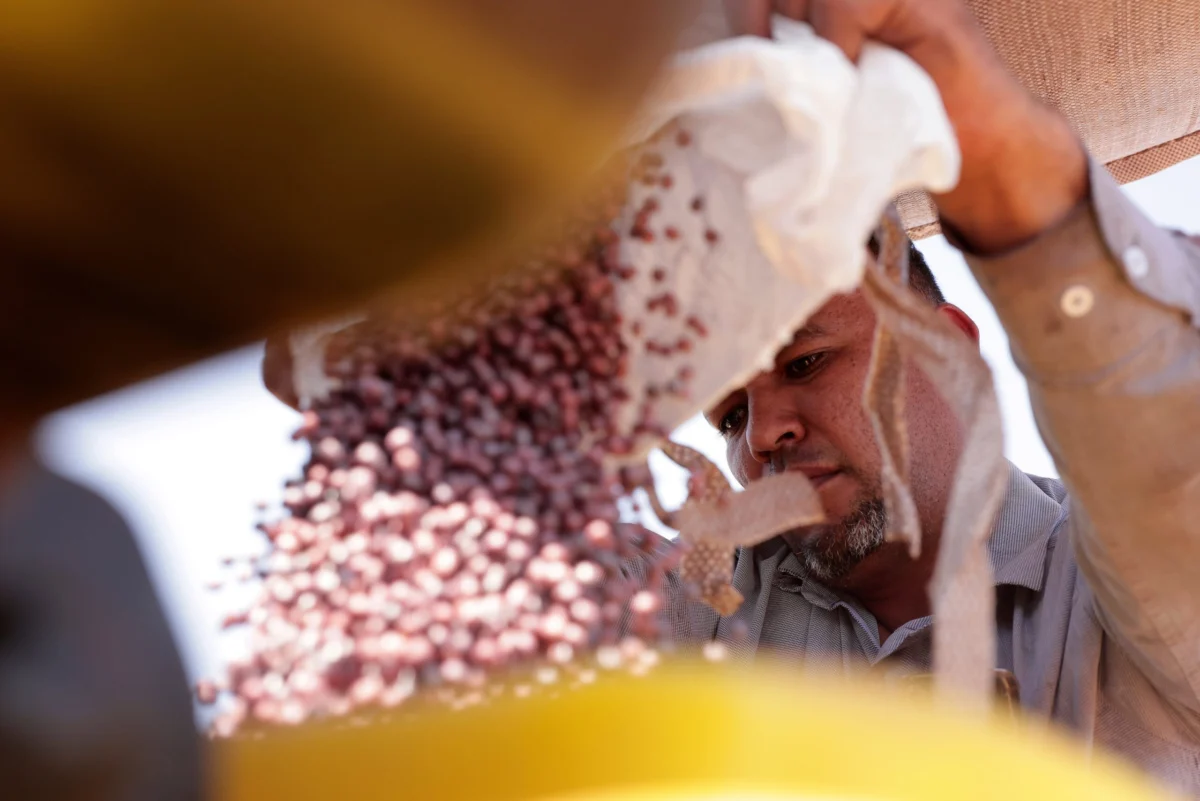
Argentina Seeks Consensus on UPOV 1991 Adhesion with Virtual Expert Meeting
The Argentine government has convened a crucial virtual meeting involving key agricultural stakeholders and international experts to address outstanding differences regarding the nation’s potential adhesion to the 1991 Act of the International Union for the Protection of New Varieties of Plants (UPOV). This initiative represents a significant step in the ongoing process to clarify technical aspects of the convention and pave the way for potential congressional approval. The meeting, scheduled for Wednesday at 11 AM, will feature Yolanda Huerta, Deputy Secretary-General of UPOV, who will provide expert insights into the convention’s framework. The government has reiterated its commitment to pursuing accession to the UPOV 1991 Act, a commitment stemming from its agreement with the United States. However, Buenos Aires is strategically aiming to foster broader consensus among agricultural producers and seed industry representatives before formally presenting the proposal to Congress.
Deepening Technical Understanding: A Final Consultative Phase
Sources close to the matter indicate that this virtual session is intended by the government as a concluding phase of technical consultations. The primary objective is to ensure all involved sectors possess a uniform and comprehensive understanding of the UPOV 1991 Act’s implications before substantive policy decisions are made. This approach aims to eliminate conceptual ambiguities and provide a solid foundation for future negotiations.
In parallel to these technical discussions, the government is encouraging agricultural representatives and the seed industry to reach common ground on contentious issues in the coming weeks. Prominent among these points of contention are the regulations surrounding the "farmers’ privilege" – specifically, the use of self-pollinating seeds like soybeans and wheat for subsequent planting – and the definition of production scale, potentially measured by planted area or other relevant indicators. The aim is to delineate criteria that would determine which producers might be eligible for exceptions or specific allowances concerning seed use.
Inase Leads the Charge for Comprehensive Engagement
The National Seed Institute (Inase), operating under the Secretariat of Agriculture, has spearheaded the invitation to this pivotal meeting. The institute’s outreach extends across the entire agricultural value chain, encompassing major farm organizations that form the Mesa de Enlace, seed industry chambers, plant breeders, technical institutions, and other interested parties. Yolanda Huerta is expected to deliver a detailed presentation on the core tenets of the UPOV 1991 Act, followed by an open forum for attendees to pose questions and seek clarifications.
The overarching goal of this gathering, as pieced together from various accounts, is to ensure "no conceptual doubts remain regarding the scope of the international regulation." By concluding this phase of technical clarification, the government anticipates that the subsequent debate can shift its focus towards harmonizing the specific points that currently generate significant divergence among stakeholders.
Addressing Lingering Questions and Ensuring Clarity
A source closely monitoring the negotiations emphasized the intended outcome of the meeting: "After this instance, someone can say they are in favor or against, or that they consider accession convenient or not. What they will no longer be able to say is that they do not understand what is being discussed." This sentiment underscores the government’s commitment to transparency and informed decision-making.
Further demonstrating this commitment, reports indicate that Ms. Huerta has expressed her willingness to address additional queries via email or through brief follow-up meetings for those who may still require specific clarifications. This proactive approach aims to prevent any participant from advancing to later stages of the discussion process on the grounds of technical unfamiliarity with the UPOV 1991 Act.
Ms. Huerta’s presentation is expected to delve into other key concepts enshrined in the 1991 Act, such as the definition and protection of essentially derived varieties, the breadth of breeders’ rights, and the implications for the protection of harvested material. These are critical elements that Argentina would need to incorporate into its national legislation should it proceed with accession to the convention.
The Farmers’ Privilege: A Historical Context and Current Debate
A central point of contention for agricultural producers revolves around the historical treatment of seed use. Under the UPOV 1978 Act, to which Argentina is currently a signatory, the implicit allowance for saving and exchanging seeds for personal use is not explicitly prohibited. In contrast, the UPOV 1991 Act introduces an optional exception for each member state, granting them the discretion to authorize or prohibit farmers’ use of saved seeds for their own land, as well as to regulate the sale or free exchange of such seeds.
It is important to note that the meeting scheduled for Wednesday will not directly address the contentious issue of farmers’ privilege concerning seed use. As previously stated, this specific matter remains under discussion in a separate, parallel forum involving direct negotiations between producer representatives and the seed industry, with the ultimate goal of forging a consensus-based proposal.
A Long-Term Vision for Seed Intellectual Property
The current engagement forms part of a broader, ongoing process initiated by the Javier Milei administration over a year ago to modernize Argentina’s intellectual property regime for seeds. This period has been characterized by extensive consultations with farmers, rural organizations, seed companies, and various experts to thoroughly examine the ramifications of adhering to the UPOV 1991 Act and its potential integration with a future reform of the national Seed Law.
Earlier this year, during an event organized by the Chamber of Legumes of the Argentine Republic (Clera), the President of Inase, Martín Famulari, reaffirmed the government’s intention to submit the proposal to Congress before the end of 2027. He reiterated, however, that the administration’s primary focus remains on building the broadest possible consensus before proceeding with formal legislative action.
The government’s expectation is that producers and the seed industry will successfully negotiate an agreement on the farmers’ privilege issue, while the technical aspects of the UPOV 1991 Act will be definitively clarified through the ongoing consultations.
Argentina’s Current Standing and the UPOV 1991 Act
Currently, Argentina operates under the UPOV 1978 Act. Adhesion to the 1991 Act would signify a substantial update to the nation’s plant variety protection system. This would involve strengthening the rights of plant breeders, introducing new legal frameworks such as the protection of essentially derived varieties, and expanding the overall scope of protection. The seed industry views these changes as essential for stimulating investment in research and development and fostering genetic innovation. Conversely, certain producer sectors harbor reservations, primarily concerning the potential impact on farmers’ rights to use their own saved seeds and the extent of breeders’ rights.
Supporting Data and Context
Argentina’s agricultural sector is a cornerstone of its economy, with the seed industry playing a vital role in enhancing crop yields and quality. The country is a major global exporter of agricultural commodities, including soybeans, corn, and wheat. The innovation and efficiency of its seed sector are therefore critical to maintaining its competitive edge in international markets.
The UPOV convention aims to provide breeders with intellectual property rights over new plant varieties, thereby encouraging investment in plant breeding. The 1991 Act represents a significant evolution from the 1978 Act, offering more robust protection and broader scope, which proponents argue is necessary to incentivize further research and development in a rapidly evolving agricultural landscape.
Background and Chronology:
- Over a Year Ago: The Javier Milei administration initiates a process to modernize Argentina’s intellectual property regime for seeds, including the potential accession to UPOV 1991.
- Ongoing Consultations: Throughout the past year, numerous meetings have been held with various stakeholders, including producers, seed companies, and technical experts, to discuss the implications of UPOV 1991 and potential reforms to the Seed Law.
- Recent Past: During an event organized by Clera, Inase President Martín Famulari reiterates the government’s commitment to sending the project to Congress before the end of 2027, emphasizing the priority of achieving consensus.
- Present: A virtual meeting is convened with UPOV experts, Mesa de Enlace, and the seed industry to address technical aspects and clarify the scope of the UPOV 1991 Act.
- Near Future: Parallel discussions between producers and the seed industry are expected to yield a consensus proposal on the farmers’ privilege issue.
- By End of 2027: The government aims to submit the UPOV 1991 accession project to Congress.
Analysis of Implications
The potential adhesion to the UPOV 1991 Act carries significant implications for Argentina’s agricultural landscape. For the seed industry, it represents an opportunity to enhance investment in research and development of new, improved crop varieties. This could lead to increased productivity, greater resilience to climate challenges, and the development of novel traits that benefit farmers and consumers alike. The stronger intellectual property protection offered by the 1991 Act is seen as a key driver for such innovation, potentially attracting foreign investment and fostering domestic technological advancement.
However, for a segment of agricultural producers, particularly smaller-scale farmers, concerns remain regarding the potential impact on their traditional practices of saving and exchanging seeds. The UPOV 1991 Act’s framework allows member states to implement exceptions, but the precise nature and scope of these exceptions in Argentina’s legislation will be crucial. A balanced approach that safeguards the rights of breeders while respecting the legitimate needs of farmers is paramount to ensure broad acceptance and avoid unintended negative consequences for food security and agricultural sustainability.
The government’s strategy of pursuing technical clarification and fostering stakeholder consensus before legislative action is a pragmatic approach. It aims to mitigate potential conflicts and ensure that any future legislation reflects a well-informed and broadly supported policy direction for Argentina’s vital agricultural sector. The success of these ongoing dialogues will likely determine the trajectory of Argentina’s engagement with international standards for plant variety protection and its impact on the future of its agricultural innovation and productivity.

Related Posts

The Electric Vehicle Battery Health Debate Emerges as Argentina’s EV Market Accelerates

President Donald Trump Confirms Secret Departure from Turkey Amidst Assassination Threat