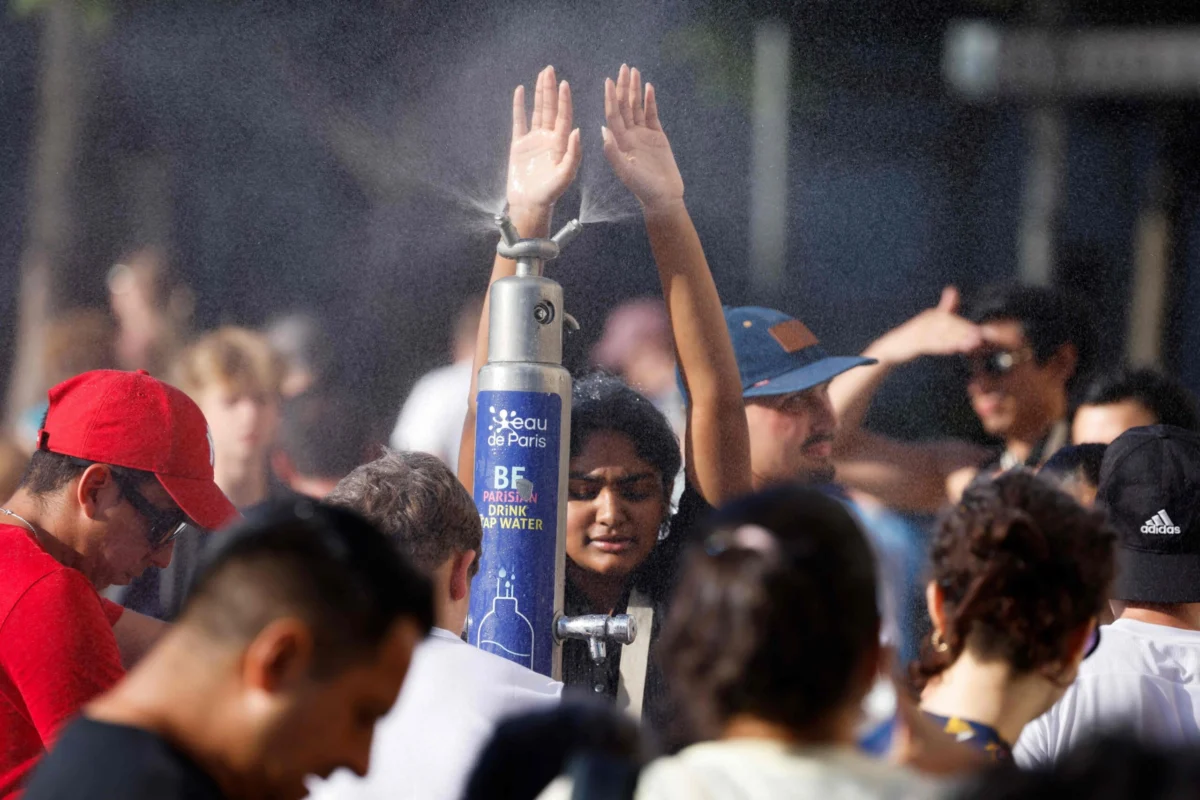
Spain Battles Unprecedented Wildfire Crisis Amidst Approaching Fourth Heatwave
Spain is currently grappling with what is being described as the most devastating wildfire crisis in its modern history, with flames consuming an estimated 77,000 hectares of land. Compounding the already dire situation, the National Meteorological Agency (Aemet) has issued a stark warning regarding the impending arrival of the fourth heatwave of the season. This new wave of extreme heat is predicted to bring temperatures soaring well beyond 40 degrees Celsius (104 degrees Fahrenheit) throughout the week, threatening to further exacerbate the already uncontrollable infernos.
The escalating temperatures arrive at a particularly critical juncture for the Iberian nation, which remains under a state of emergency due to the widespread wildfires that are ravaging significant portions of its territory. Rubén del Campo, a spokesperson for Aemet, articulated the grave implications of this meteorological forecast in an interview with El País: "The weather conditions will worsen for firefighting efforts as we are on the cusp of a new episode of intense heat with low relative humidity." This assessment underscores the critical interplay between climatic conditions and the escalating wildfire threat, creating a dangerous feedback loop.
The Spanish meteorological agency officially declared a special alert for a heatwave set to commence on Wednesday and persist, at a minimum, until Sunday. This warning is in effect across the entirety of Spain, with generalized temperatures expected to exceed 36 degrees Celsius (96.8 degrees Fahrenheit). More alarming still, the southern regions and inland valleys of the Iberian Peninsula are bracing for temperatures to surpass the 40-degree Celsius mark, creating exceptionally hazardous conditions for both firefighters and the general population.
"We do not anticipate any rainfall this week, and with this new warm spell, the risk of fires will once again surge to very high or extreme levels across the entire country starting Tuesday," del Campo elaborated. "This situation is expected to persist or even deteriorate in the coming days." The lack of precipitation, coupled with critically low humidity levels, creates a tinderbox environment where even minor sparks can ignite catastrophic blazes.
The wildfire situation is particularly acute in the region of Madrid and its neighboring provinces, where multiple fire fronts are actively burning. There are growing concerns that these blazes could converge, forming an immense conflagration encircling the nation’s capital. One of the most significant fires, located in Ávila, northwest of Madrid, has already devastated approximately 50,000 hectares. This single incident has been officially declared the "largest forest fire in Spain’s recent history" by the Minister for Ecological Transition, Sara Aagesen. The gravity of the crisis was further emphasized by Spanish Prime Minister Pedro Sánchez, who warned the nation to brace for "complex hours ahead."
European Frontlines: Fires Rage Across Borders
The wildfire crisis is not confined to Spain; it has also spread with alarming ferocity to other parts of Europe. In France, along the Atlantic coast near Bordeaux, firefighters are confronting a phenomenon known as a "firestorm." Lieutenant Colonel Éric Brocardi, a spokesperson for the National Federation of Firefighters, explained that these extreme events cause flames to become virtually uncontrollable. The intense heat at the core of such fires leads to the spontaneous combustion of all combustible materials in their path. "Inside, lightning strikes form, igniting embers on the ground and continuing to feed the fire," Brocardi stated, illustrating the self-sustaining and escalating nature of these infernos.
In the affected areas of Le Porge, situated between Bordeaux and the popular tourist destination of Cap Ferret, aerial footage has revealed scenes of utter devastation: rows of homes reduced to ashes and vehicles carbonized beyond recognition. "There is nothing left. Everything burned," lamented Mathieu Plessis upon returning to his village. To date, an estimated 325,000 people have been evacuated from their homes across both Spain and France as a direct consequence of these devastating wildfires.
In response to the escalating crisis, French President Emmanuel Macron convened an emergency meeting to assess the potential impact of the incoming heatwave. While France is battling several active fires, the inferno near Bordeaux remains the most pressing concern. This blaze has already consumed 42,000 hectares and necessitated the evacuation of 220,000 individuals. The scale of the disaster has also spurred significant community mobilization. Farmers have been assisting firefighters by deploying their tractors to combat the flames, and numerous residents have opened their homes to provide shelter for those displaced by the fires.
Glimmers of Hope Amidst a Precarious Situation
On Monday, the colossal fire threatening Bordeaux registered "fewer active fronts." Wilfried Schneider, a spokesperson for the departmental fire and rescue service Sdis 33, reported, "We have fewer active fronts than yesterday [Sunday]. The meteorological conditions are favorable, with less wind." However, he cautioned that an official declaration of the fire being stabilized is not yet possible. "We have stabilized a situation that was completely unstable, but we do not yet have the fire under control," he added. A slight rainfall offered a temporary reprieve for the exhausted firefighters, but their vigilance remains paramount with the anticipated heatwave approaching.
"All the conditions are present for a resurgence of the fire," warned Philippe de Gonneville, the mayor of Lège-Cap Ferret, a municipality severely impacted since the outbreak of the fire. The fire has destroyed 240 homes, according to prefectural reports. While thankfully no fatalities have been reported, 84 firefighters have sustained injuries, with ten requiring hospitalization.
Historical Context and Contributing Factors
The current wildfire season in Europe is unfolding against a backdrop of increasingly severe climate change impacts. Years of rising global temperatures have led to prolonged periods of drought, reduced soil moisture, and a proliferation of highly flammable vegetation. This year, the intensity and duration of heatwaves have been particularly pronounced. Spain, for instance, experienced its hottest June on record in 2026, with temperatures consistently exceeding seasonal averages for weeks prior to the current crisis.
The Iberian Peninsula’s Mediterranean climate, characterized by hot, dry summers, makes it inherently vulnerable to wildfires. However, the current events are exceeding historical norms. The sheer scale of the affected area, particularly the blaze in Ávila, points to a confluence of factors: extremely dry conditions exacerbated by prolonged heat, strong winds that rapidly spread the flames, and in some cases, the potential for human-induced ignition, although official investigations into the causes of specific fires are ongoing.
The concept of "firestorms," as observed in France, represents an extreme manifestation of wildfire behavior, driven by immense heat release. This process can create its own weather systems, including powerful updrafts and lightning, further intensifying the blaze and making conventional firefighting tactics exceedingly difficult. The cyclical nature of these events—heatwaves leading to drier vegetation, which then fuels more intense fires, creating conditions for further heat release—presents a significant challenge for long-term fire management strategies.
Analysis of Implications
The immediate implications of these widespread fires are catastrophic for the environment and local economies. The loss of vast tracts of forest ecosystems not only impacts biodiversity but also contributes to soil erosion and degrades water quality. For communities directly affected, the destruction of homes and livelihoods represents an immense human tragedy. The economic fallout extends to sectors reliant on natural resources, such as agriculture and tourism, which are particularly sensitive to environmental damage.
On a broader level, the recurring intensity of these wildfires serves as a stark reminder of the accelerating climate crisis. The resources and personnel required to combat such large-scale infernos are immense, placing a significant strain on national emergency services and potentially diverting funds from other critical areas. The psychological toll on affected populations, witnessing the destruction of their homes and familiar landscapes, is also a significant, though often overlooked, consequence.
The international dimension of the crisis highlights the interconnectedness of environmental challenges. Wildfire smoke can travel thousands of kilometers, impacting air quality in distant regions. Furthermore, the shared vulnerability to extreme weather events underscores the need for coordinated international efforts in climate change mitigation and adaptation strategies.
Looking ahead, Spain and France, along with other nations facing similar threats, will likely need to invest further in fire prevention measures, including improved forest management practices, early warning systems, and enhanced firefighting capabilities. The role of public awareness campaigns in promoting responsible behavior, particularly during dry periods, will also be crucial. The current crisis serves as a potent catalyst for re-evaluating and strengthening these strategies to build greater resilience against the escalating threat of wildfires in a warming world. The coming days will be critical as authorities continue their efforts to contain these devastating blazes while bracing for the continued onslaught of extreme heat.

Related Posts

The Electric Vehicle Battery Health Debate Emerges as Argentina’s EV Market Accelerates

President Donald Trump Confirms Secret Departure from Turkey Amidst Assassination Threat