Rubio Rebukes Media: I Cannot Do Diplomacy and Announce Every Detail
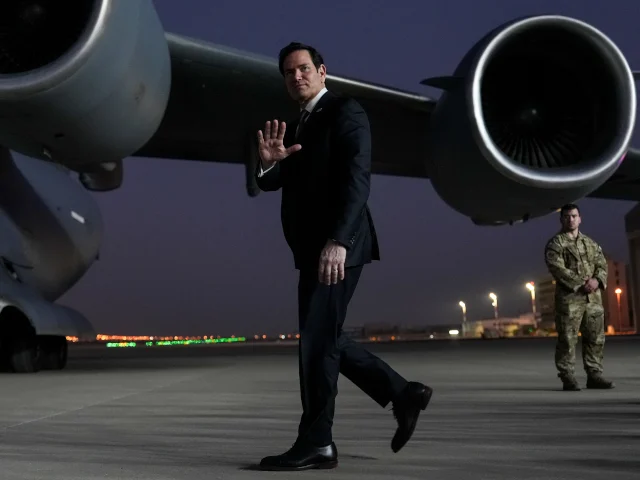
U.S. Secretary of State Marco Rubio on Thursday firmly declined to elaborate on the substance of his closed-door discussion with Russian Foreign Minister Sergey Lavrov, emphasizing to reporters in Manila that the efficacy of diplomacy is often undermined when its intricate details are immediately divulged to the public. The highly anticipated bilateral meeting, occurring on the sidelines of the ASEAN foreign ministers’ gathering in Pasay, Metro Manila, underscored the persistent complexities and sensitivities inherent in U.S.-Russia relations amidst a volatile global landscape in 2026. Rubio’s reticence, while frustrating to an eager press corps, highlighted a long-standing tenet of international statecraft: that sensitive negotiations frequently necessitate a veil of confidentiality to foster genuine progress.
The Manila Summit: A Geopolitical Nexus
The setting for this pivotal encounter was the annual Association of Southeast Asian Nations (ASEAN) Foreign Ministers’ Meeting (AMM), a significant diplomatic platform hosted by the Philippines in July 2026. The AMM traditionally brings together foreign ministers from ASEAN member states and key dialogue partners, including the United States, Russia, China, and others, to discuss regional security, economic cooperation, and pressing international issues. For decades, these gatherings have served not only as forums for multilateral discussions but also as crucial venues for high-level bilateral meetings that might be difficult to arrange elsewhere. The choice of Manila for such a sensitive U.S.-Russia dialogue speaks to the strategic importance of the Indo-Pacific region and the desire of major powers to engage across a broad diplomatic spectrum, even amid deep ideological and geopolitical fissures. The presence of numerous global powers facilitates informal engagements, allowing diplomats to test waters and convey messages without the full formality and scrutiny of dedicated summits.
A Cautious Dialogue: U.S.-Russia Relations in 2026
The 35-minute sit-down between Secretary Rubio and Foreign Minister Lavrov was reportedly the first direct, high-level engagement between the two nations’ top diplomats in several months, occurring against a backdrop of severely strained relations. By 2026, the global geopolitical environment remained largely defined by the ongoing conflict in Ukraine, which had entered its fourth year, casting a long shadow over all interactions involving Moscow and Western capitals. The United States, as a principal supporter of Ukraine, continued to impose extensive sanctions on Russia and provide substantial military and humanitarian aid to Kyiv. This context meant any direct dialogue between Washington and Moscow was meticulously scrutinized, with both sides navigating a delicate balance between the necessity of communication and the imperative of maintaining firm stances on core national interests. Russian state media, which reported the meeting, likely aimed to project an image of Russia as a willing participant in international diplomacy, despite its isolation from many Western forums. The brevity of the meeting, approximately 35 minutes, suggested a focused exchange, perhaps to reiterate established positions rather than to delve into detailed negotiations.
The Secrecy of Diplomacy: Rubio’s Rationale
When pressed by reporters regarding the specifics of his discussion with Lavrov, particularly concerning potential progress on the Ukraine conflict, Secretary Rubio was unequivocal. "I mean, you think we settled the war in Ukraine in our 30 minutes here in Asia? That’s not the way it works," Rubio stated, as per a transcript released by the State Department. He continued, "I’m not going to tell you what we talked about, because these – diplomacy doesn’t work well when you run to the microphones afterwards." This stance is deeply rooted in the traditions of international diplomacy, where confidentiality is often deemed essential for fostering trust, allowing for candid exchanges, and exploring compromises without immediate public pressure or the risk of misinterpretation. Diplomats argue that premature disclosure of details can stiffen negotiating positions, empower hardliners, and limit the flexibility required to achieve breakthroughs. Historically, some of the most significant diplomatic achievements, from the Camp David Accords to various arms control treaties, involved prolonged periods of highly confidential discussions, underscoring the value of private channels in navigating complex global challenges. Rubio’s statement served as a strong defense of this principle, suggesting that transparency, while generally lauded, can be counterproductive in the initial stages of high-stakes, sensitive negotiations.
Ukraine: A Persistent Shadow
Despite the diplomatic secrecy, the Ukraine conflict remained the unspoken, yet central, elephant in the room. Secretary Rubio affirmed Washington’s readiness to play a constructive role in ending what he repeatedly referred to as a "senseless war." This reiteration of U.S. policy, delivered both in the private meeting with Lavrov and in other bilateral discussions at the ASEAN summit, signaled a consistent American position. However, the rejection of the premise that the war could be "settled" in a brief meeting underscored the profound chasm between the two nations’ perspectives and the deeply entrenched nature of the conflict. By 2026, peace efforts had largely stalled, with neither side willing to concede significant ground. The U.S. position, consistently articulated, called for a just and lasting peace that respects Ukraine’s sovereignty and territorial integrity, a stance fundamentally at odds with Russia’s declared objectives and ongoing military operations. The Secretary’s comments suggested that while dialogue channels remain open, the pathway to a resolution is fraught with immense challenges, requiring more than a single, short bilateral meeting.
Allegations of a Dangerous Alliance: Russia-Iran Cooperation
The press conference took an even sharper turn when a reporter inquired whether Rubio had raised the alarming allegations of Russia sharing targeting information with Iran. Rubio’s immediate counter-question, "Well, who says that they are?" initiated a terse exchange that highlighted the tension between official secrecy and media scrutiny. The reporter cited Defense Secretary Pete Hegseth, who had testified earlier that week before the Senate Appropriations Committee, stating that Moscow and Beijing were "enabling some of the things Iran is doing." While Hegseth had declined to specify the scale or nature of this assistance under questioning from Senator John Hoeven (R-ND), his remarks had amplified existing concerns within the intelligence community and Congress regarding deepening strategic ties between Russia, China, and Iran.
Further fueling these concerns was a Reuters report published the day prior, on Wednesday, July 22, 2026. The report alleged that U.S. intelligence analysts were actively investigating whether Russia had supplied navigation or drone technology utilized in recent Iranian strikes on CIA facilities in the Gulf region. Citing four individuals familiar with the matter, Reuters underscored the severity of these allegations, though it also noted that analysts had yet to reach a firm conclusion. Such cooperation, if definitively proven, would represent a significant escalation in the already complex geopolitical dynamics of the Middle East and pose a direct challenge to U.S. security interests in the region. It would suggest a more integrated military and intelligence partnership between Russia and Iran, potentially enhancing Iran’s capabilities to project power and target U.S. assets or allies.
Rubio, however, dismissed the reporter’s reliance on media reports, stating, "Oh, then it must be true. If it’s in the media, it’s a leaker. I’m not going to – let me say – let’s imagine that were true. I certainly wouldn’t discuss it in the press." This response, while acknowledging the hypothetical gravity of the situation, firmly adhered to the principle of not confirming or denying sensitive intelligence matters in public. He further added a reassuring note that nothing Iran or its backers were doing had increased the regime’s ability to strike Americans, a statement likely intended to calm anxieties while maintaining official discretion. This exchange vividly illustrated the delicate balance U.S. officials must strike between addressing public concerns and safeguarding classified information, especially when dealing with highly sensitive intelligence assessments and ongoing investigations.
The Media’s Role and Official Reticence
The exchange between Secretary Rubio and the press corps underscored a perennial friction point in democratic societies: the tension between the public’s right to know and the government’s need for operational secrecy, particularly in foreign policy and national security. Rubio’s dismissal of media reports as originating from "leakers" and his refusal to discuss "hypothetical" intelligence indicated a clear strategy to control the narrative and prevent the confirmation of potentially damaging information. While journalists often rely on informed sources and leaked information to hold power accountable, government officials frequently view such disclosures as detrimental to national security, ongoing operations, or diplomatic efforts. This dynamic is particularly pronounced in the context of high-stakes international relations, where a single misstep in public commentary could have far-reaching consequences. For the U.S. intelligence community, the alleged Russia-Iran cooperation would represent a significant threat, requiring discreet investigation and strategic response, which public confirmation could complicate.
Broader Foreign Policy Challenges
The pattern of official reticence extended to other pressing foreign policy files. When asked about which governments had relayed Iranian requests for talks, Rubio again invoked confidentiality, stating, "I’d be betraying their confidences." This indicated ongoing diplomatic channels, possibly through third parties, aimed at de-escalating tensions or exploring engagement with Tehran, a critical but often covert aspect of U.S. foreign policy in the Middle East. Similarly, when pressed for specifics on the administration’s Cuba policy, a politically sensitive issue with significant domestic implications, Rubio cut the question short: "You want me to give you details on our plan? Okay, not today. No, I’m not going to do that." These consistent refusals underscored a broader strategic approach by the State Department to maintain tight control over information regarding sensitive diplomatic initiatives, regardless of the subject matter.
Reactions and Perspectives
While direct reactions from other parties were not immediately available, the implications of Rubio’s statements and the context of the meeting resonate across various stakeholders.
From the Russian perspective, Foreign Minister Lavrov’s presence at the ASEAN summit and his meeting with Rubio likely served to project Russia as a significant global player, capable of engaging with major powers despite Western efforts to isolate it. While no details were shared by the U.S. side, it can be inferred that Lavrov would have reiterated Russia’s established positions on Ukraine, likely blaming Western expansionism for the conflict and criticizing sanctions. Russia would likely view the allegations of sharing targeting information with Iran as Western propaganda, aligning with its usual narrative of denying such accusations.
Congressional reactions would likely be mixed. Senator Hoeven’s questioning of Secretary Hegseth already indicated a desire for greater transparency and accountability regarding potential threats. Some members of Congress, particularly those critical of Russia and Iran, might express frustration with Rubio’s lack of disclosure, demanding more information on alleged military cooperation. Others might support the Secretary’s call for diplomatic discretion, recognizing the sensitive nature of intelligence and negotiations.
Allied nations, particularly those in ASEAN, would likely welcome any dialogue between the U.S. and Russia, hoping it could contribute to global stability. However, they would also be keenly aware of the implications of superpower rivalries playing out on their diplomatic stage. They would likely emphasize the importance of multilateralism and regional peace, urging all parties to de-escalate tensions.
The U.S. intelligence community would continue its diligent work, as indicated by the Reuters report, to investigate and assess the veracity of the Russia-Iran cooperation allegations. The public exchange highlights the challenge of intelligence agencies operating in secrecy while facing public and political demands for information.
Implications for Global Diplomacy and Security
Secretary Rubio’s interactions in Manila, while outwardly sparse in detail, offered significant insights into the state of global diplomacy in 2026. The continued engagement between the U.S. and Russia, however limited and opaque, suggests a recognition by both powers of the necessity for maintaining some channels of communication, even amid profound disagreements. This could be seen as a cautious step towards potential de-escalation or, at the very least, a means to prevent miscalculation in a highly volatile international environment.
However, the deep-seated issues, particularly the Ukraine conflict and the alarming allegations of Russia-Iran military collaboration, underscore the immense challenges ahead. If the reports of Russia providing advanced military assistance to Iran are substantiated, it would fundamentally alter the strategic calculus in the Middle East, potentially empowering Iran to a greater degree and escalating regional tensions. This would necessitate a robust response from the United States and its allies, possibly including further sanctions, heightened military preparedness, and increased support for regional partners.
Ultimately, the Manila meetings served as a microcosm of complex 21st-century diplomacy: a blend of public posturing, private negotiations, and the constant tension between transparency and strategic secrecy. Secretary Rubio’s steadfast refusal to divulge details, while adhering to diplomatic norms, simultaneously highlighted the critical issues at stake and the intricate, often unseen, efforts being undertaken to navigate a fractured global order. The world watches for what might emerge from these hushed conversations, hoping that seeds of resolution might be sown in the quiet spaces of high-level international forums.

Related Posts
Democratic Candidates Must Moderate to Win General Elections, Says Rep. Greg Stanton
Lisa Demuth Secures Republican Gubernatorial Nomination in Minnesota, Defeating Trump-Endorsed Mike Lindell