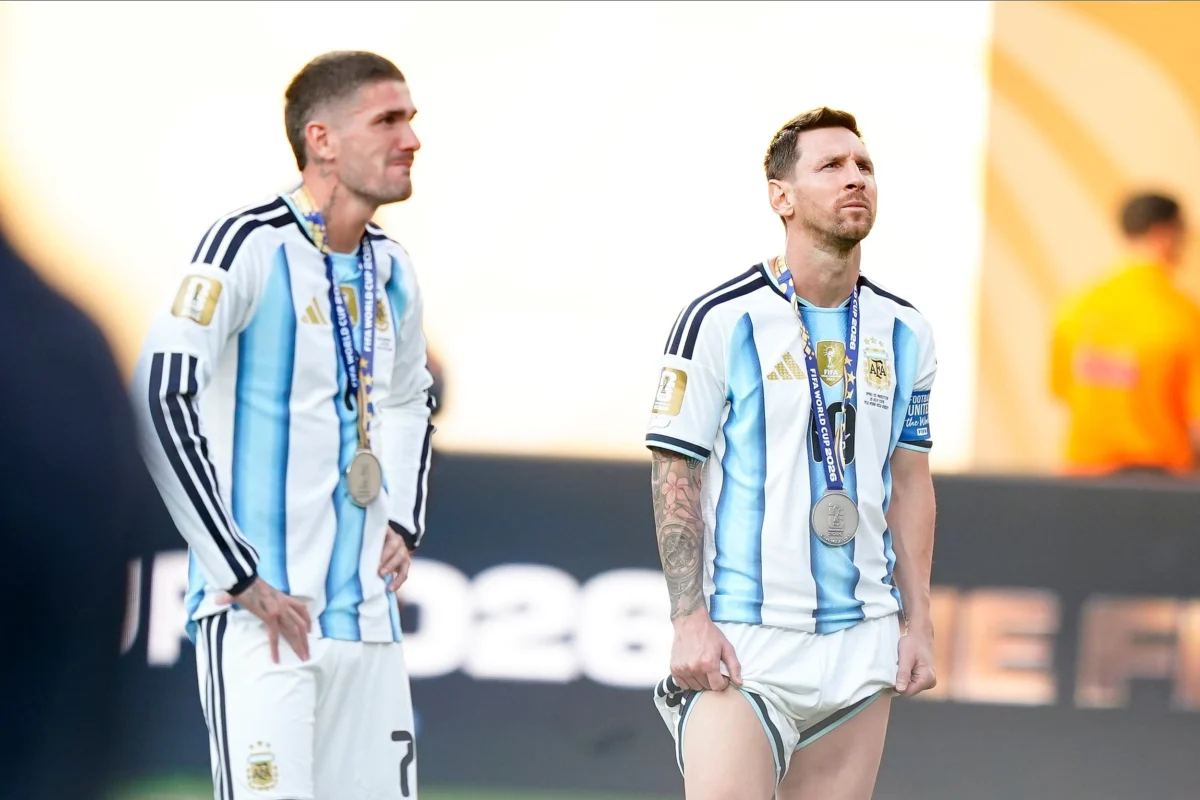
The Tears of a Legend: Messi’s World Cup 2026 Heartbreak and Argentina’s Enduring Pride
The image of Lionel Messi weeping, a stark contrast to the joyous tears of past triumphs, has become the defining, poignant moment of the FIFA World Cup 2026. While a nation mourns a near-miss, the Argentine captain’s profound emotional response underscores the immense pressure and expectation that accompany global football’s pinnacle event. This tournament, held across the United States, Canada, and Mexico, ultimately saw Spain crowned champions, leaving Argentina with a hard-fought silver medal. The outcome, while painful for millions, has also ignited a broader conversation about legacy, national identity, and the enduring spirit of sportsmanship, transcending the immediate sting of defeat.
A World Cup of Unfulfilled Dreams and Resilient Spirit
The narrative surrounding Argentina’s World Cup 2026 campaign was intrinsically linked to Lionel Messi. For many, this tournament represented a final, definitive chapter in his illustrious international career, a chance to cap a career defined by unparalleled individual brilliance with the ultimate team prize. The weight of this expectation was palpable, not only for Messi but for the entire nation that has long rallied behind its footballing icon. His tears, shed in the aftermath of the final whistle, spoke volumes about the personal and national investment in achieving that elusive fourth World Cup title.
However, the article emphasizes that this defeat, while deeply felt, should not be framed as a final indictment. Instead, it highlights the collective effort and unwavering commitment displayed by the Argentine squad. The sentiment expressed is that the team, by giving their all and playing with honor, has earned a place in the collective memory, a testament to their dedication rather than a sole focus on the ultimate result. This perspective aims to shift the narrative from one of despair to one of dignified resilience, acknowledging the pain of defeat while celebrating the spirit with which it was met.
Spain’s Dominance: A Masterclass in Cohesion and Identity
The ultimate victors, Spain, presented a stark contrast in their World Cup journey. The article lauds their triumph as a reward for "harmony and conviction" in their unwavering adherence to a well-defined plan and distinct footballing identity. Spain’s victory is presented as a validation of their playing style, characterized by possession-based football and intricate passing. The analysis suggests that their success is rooted in a deep understanding and commitment to their footballing philosophy, a testament to the vision of their coaching staff, led by Luis de la Fuente.
The report highlights key figures in Spain’s triumphant campaign, including the influential Rodri, who anchored the midfield with authority, and the emerging talent Lamine Yamal, whose fearless performances at the young age of 19 captivated audiences. This blend of experienced leadership and youthful exuberance, coupled with a consistent tactical approach, allowed Spain to navigate the tournament with a remarkable degree of control and conviction. Their ability to impose their game on opponents, including Argentina in the final, underscores the effectiveness of their well-executed strategy.
The Emotional Aftermath: Pride and Gratitude
The emotional landscape following the final was a complex tapestry of disappointment and pride. For Argentina, the immediate sting of defeat was tempered by the palpable sense of gratitude from their supporters. The article describes the "warm and generous applause" from the stadium crowd in New Jersey as the Argentine squad received their silver medals, a moment where no player chose to hide their disappointment. This collective acknowledgment of their effort, despite the ultimate outcome, speaks to a deeper connection between the team and the nation.
The impending return to Buenos Aires is anticipated to be met with a "bath of gratitude" for the squad, a recognition of the epic journey they undertook. This outpouring of national support is presented as a significant reward, perhaps even more valuable than the tangible prize of a medal. The article posits that the scars of the loss will remain, but the overwhelming sense of appreciation from their countrymen will aid the team in processing the magnitude of their World Cup adventure. This focus on the emotional and symbolic rewards of effort and dedication forms a central theme of the piece.
Messi’s Farewell to the World Stage: A Two-Decade Legacy
The World Cup 2026 marked what is widely anticipated to be Lionel Messi’s final appearance on the global stage. The prospect of his absence from future tournaments evokes a sense of profound loss, arguably more keenly felt than the final itself. The article reflects on his extraordinary two-decade career, a period that has redefined individual excellence in football. While his World Cup aspirations may not have culminated in the ultimate prize this time, his contributions have undeniably left an indelible mark on the sport.
The piece acknowledges that while his World Cup journey may have concluded, there remains a possibility of his continued involvement with the national team. This potential extension of his international career offers a glimmer of hope for fans who are already beginning to grapple with his inevitable departure from the global stage. The article suggests that the current desolation only serves to amplify the significance of his contributions and the deep emotional connection he shares with the Argentine public. The impact of his presence is so profound that even a regular Monday would have felt extraordinary had Argentina emerged victorious, a testament to the unifying power of sport and national pride. The article concludes this section by highlighting the profound symbolism of the national team’s colors, the "celeste y blanca," representing something far deeper than mere fabric – a symbol of national pride that transcends personal success or failure.
Messi’s Artistic Masterclass and Unyielding Spirit
Despite the final outcome, Lionel Messi’s performance throughout the World Cup 2026 is lauded as a masterclass in artistry and resilience. Even at the age of 39, he displayed an uncanny ability to surprise and inspire, demonstrating the "gunpowder of one who never resigns." His play was fueled by an unyielding spirit, a determination to overcome not only formidable opponents but also the whispers of conspiracy theories and alleged external advantages that some suggested were aiding Argentina’s progress.
The article emphasizes that Messi played without the burden of past obligations or unfulfilled promises. Instead, he was buoyed by the "tailwind of a grateful nation." His approach was characterized by a rebellious and non-conformist spirit, seemingly detached from the statistical records he so effortlessly dominates. It is suggested that he harbored a deep desire for a different narrative for his final World Cup chapter, one that would transform his life’s journey – from a young boy from Rosario’s La Bajada neighborhood to a global icon who left home at a tender age to forge his destiny in Barcelona – into a true fairytale ending. The final match, against a formidable Spanish side, was perhaps not the celestial wink he had hoped for to complete this remarkable life story.
The Legacy of Effort: More Than Just a Title
The Argentine national team’s journey in the World Cup 2026 is characterized as a "piece of intention, a whirlwind of magnetism." While acknowledging that this was not enough to secure the ultimate victory, the team’s stoic response and applause for the victorious Spanish side speak volumes about their character. They were ultimately victims of the "implacable Spanish balanceo," a testament to the well-drilled and authoritative approach of Luis de la Fuente’s Spanish squad.
Despite the pain of defeat, the article stresses the importance of maintaining dignity and composure. The Argentine team, which has consistently reached podiums in major tournaments since 2019, demonstrated the value of perseverance and facing adversity with courage. This unwavering spirit, even when confronted with profound sadness, leaves a legacy that transcends any single title. It is a testament to nobility, a deeper imprint than any championship trophy. This enduring legacy, built on consistent effort and unwavering commitment, is presented as the true reward of their remarkable World Cup adventure. The article concludes by emphasizing that this enduring spirit, this "legado," is what truly defines the team’s impact, far beyond the silverware that eluded them in this particular tournament.

Related Posts

The Electric Vehicle Battery Health Debate Emerges as Argentina’s EV Market Accelerates

President Donald Trump Confirms Secret Departure from Turkey Amidst Assassination Threat