Guardia Civil Unearths Human Remains in Hornachos, Reigniting Hope and Anguish in Francisca Cadenas Disappearance Case
The Guardia Civil has confirmed the discovery of unidentified human remains during a meticulously planned search operation at a residential property in Hornachos, Badajoz, a development that has sent ripples of renewed attention and profound emotion through the community and, most significantly, the family of Francisca Cadenas, who vanished without a trace in the same town nearly nine years ago. The discovery, made on Wednesday, March 11, 2026, marks a pivotal, albeit still uncertain, turn in one of Extremadura’s most enduring and perplexing missing persons cases. While forensic identification is pending, the find immediately connects to the extensive investigation into Cadenas’s disappearance on May 9, 2017, stirring a mix of long-held fears and a fragile hope for answers.
The Unanswered Questions of May 2017: Francisca Cadenas’s Vanishing
Francisca Cadenas, then 59 years old, disappeared from Hornachos, a tranquil municipality nestled in the Tierra de Barros region of Badajoz, under circumstances that have baffled investigators and tormented her family for almost a decade. On the evening of May 9, 2017, Cadenas left her home around 11:00 PM to accompany a neighbor and her child a short distance to their house, located just 50 meters away. After bidding them farewell, she was last seen heading back towards her own residence. However, she never arrived. The brief, seemingly innocuous walk between two neighboring homes became the stage for a disappearance that has since defied all explanation.
The initial alarm was raised when her husband, worried by her prolonged absence, went out to look for her. Despite the short distance and the well-known path, Francisca was nowhere to be found. Her cell phone, wallet, and keys were all left at home, indicating no intention of a prolonged absence or voluntary departure. The immediate aftermath saw a massive mobilization of emergency services, Guardia Civil units, local police, volunteers, and even military personnel, combing every inch of Hornachos and its surrounding rural areas. Searches extended to wells, abandoned buildings, fields, and ravines, utilizing helicopters, canine units, and drones, all yielding no concrete clues about her whereabouts. The baffling nature of her disappearance from such a short, familiar route in a small, close-knit community led investigators to quickly rule out a voluntary departure, focusing instead on the possibility of an involuntary act, such as an abduction or an unforeseen accident. The case quickly captured national attention, becoming a symbol of the agonizing uncertainty faced by families of missing persons.
A Decade of Lingering Shadows: The Investigation’s Evolution
Over the past nine years, the investigation into Francisca Cadenas’s disappearance has been a testament to both persistence and frustration. Following the initial extensive search, the Guardia Civil’s specialized Central Operational Unit (UCO), renowned for its expertise in complex criminal investigations, took charge of the case. Their involvement signaled the high priority given to finding Cadenas and understanding the circumstances of her vanishing. The UCO meticulously reviewed every detail, conducted numerous interviews, and followed countless leads, many of which ultimately proved to be dead ends.
Public appeals remained a constant feature of the investigation. The family, supported by various missing persons associations, organized numerous awareness campaigns, marches, and vigils, desperately seeking any information that could shed light on Francisca’s fate. Posters with her image and description became a familiar sight across Extremadura and beyond. The case was periodically revisited by national media, particularly on anniversaries of her disappearance, keeping it in the public consciousness, albeit without any significant breakthroughs.
There were periods of intense activity, such as in 2018 and 2019, when specific areas were re-searched with advanced technology, and individuals were questioned, though no arrests were ever formally linked to the direct act of her disappearance. The passage of time transformed the case into a "cold case" in the public imagination, despite the continuous, albeit often discreet, efforts of the Guardia Civil. The lack of a body, a crime scene, or any tangible evidence made it exceptionally challenging to progress beyond speculation. The community of Hornachos lived under a cloud of unease, with the unresolved mystery casting a long shadow over its tranquil existence. The Cadenas family, in particular, endured years of agonizing uncertainty, caught between the desperate hope of finding her alive and the creeping dread of a tragic outcome.
The Breakthrough: A Residential Search and the Discovery
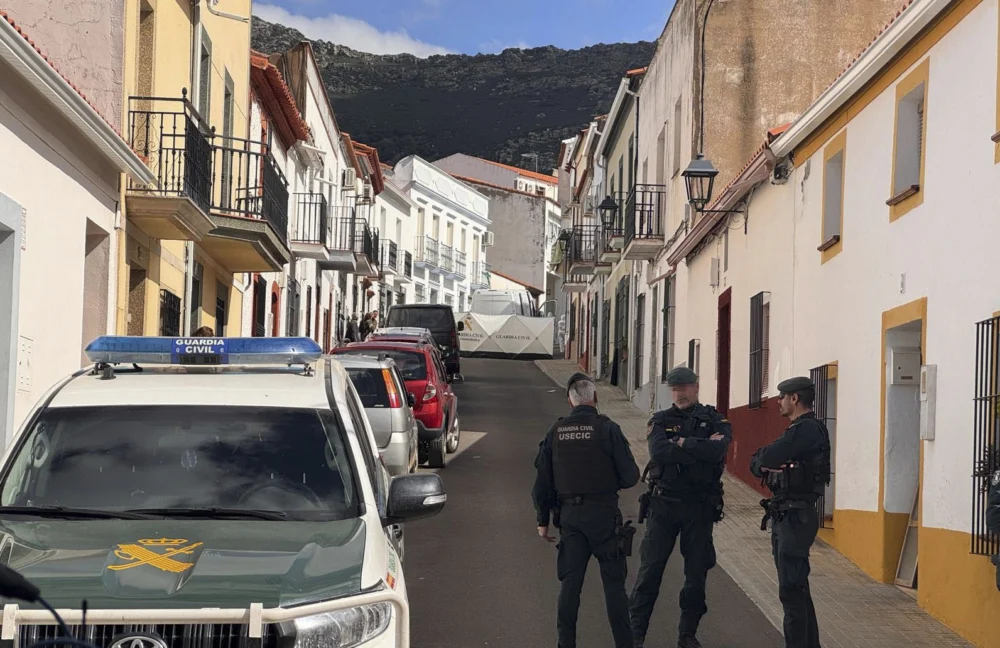
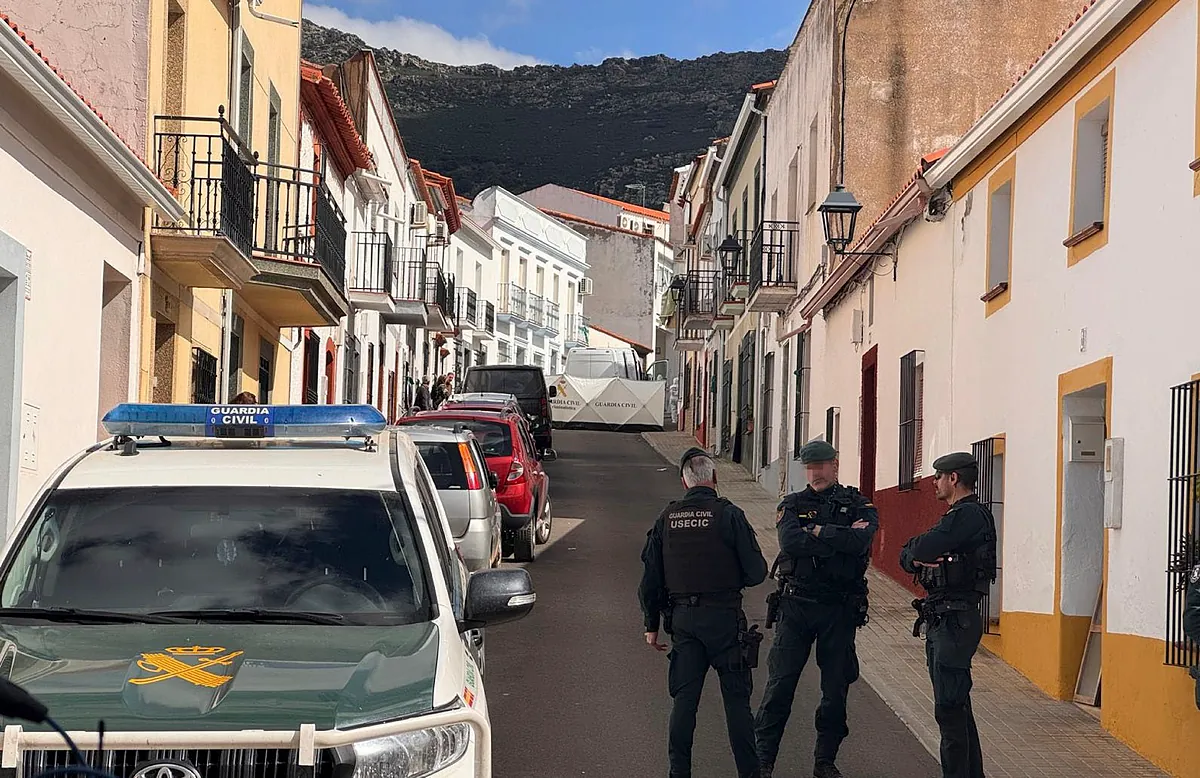
The latest development unfolded on Wednesday, March 11, 2026, when Guardia Civil agents, acting on information gleaned from the ongoing, exhaustive investigation, executed a search warrant at a private residence in Hornachos. While the exact nature of the intelligence that led to this specific property has not been publicly disclosed, it suggests a significant advancement in the investigative strategy. The search operation was conducted with extreme caution and precision, involving forensic specialists, canine units trained in locating human remains, and a substantial presence of law enforcement personnel to secure the perimeter and manage the scene.
It was during this meticulous search that the unidentified human remains were discovered. Sources close to the investigation have indicated that the remains were skeletal, suggesting they had been in situ for a considerable period. The discovery immediately prompted the activation of a specialized crime scene protocol. Investigators from the UCO, along with judicial authorities, converged on the site to oversee the careful excavation and recovery of the bones. The area was cordoned off, and a detailed forensic examination of the property commenced, focusing on any potential links to the Cadenas case or other related evidence. The immediate priority shifted from simply locating Francisca to understanding who the remains belong to, how they came to be there, and what implications this holds for the long-standing mystery.
The Grueling Path to Identification: Forensic Procedures
The discovery of human remains, particularly after such a long period, initiates a complex and critical forensic process. The recovered bones have been transported to the Institute of Legal Medicine for exhaustive analysis. The primary objective is to positively identify the individual. This typically involves several stages:
- Anthropological Examination: Forensic anthropologists will analyze the skeletal remains to determine basic biological characteristics such as age, sex, stature, and any unique features or pathologies that could aid identification. They can also estimate the post-mortem interval, providing a timeframe for when the death occurred, which will be crucial in aligning with Francisca Cadenas’s disappearance date.
- DNA Analysis: This is often the most definitive method for identification. Samples from the remains will be collected and analyzed to extract a DNA profile. This profile will then be compared against DNA samples provided by Francisca Cadenas’s relatives, particularly her parents or children, to establish a genetic match. This process can be challenging with degraded samples but modern forensic techniques have significantly improved success rates.
- Dental Records: If available, dental records of Francisca Cadenas will be compared with any dental structures found in the remains. This method provides another robust avenue for identification.
- Radiological Comparison: Any known X-rays or medical imaging of Cadenas could be compared with post-mortem scans of the remains to identify unique bone structures or healed injuries.
This forensic identification process is not instantaneous. While initial assessments might provide preliminary indications, conclusive results, especially from DNA analysis, can take weeks or even months, depending on the state of the remains and the complexity of the comparisons. The Guardia Civil has urged patience, emphasizing the scientific rigor required to ensure accurate identification. The outcome of this forensic analysis will be paramount: if the remains are confirmed to be those of Francisca Cadenas, the investigation will definitively shift from a missing persons case to a potential homicide inquiry, opening new avenues for prosecution. If they are not hers, the mystery of Francisca Cadenas will tragically remain, while a new mystery surrounding the unidentified remains will begin.
Community and Family: Awaiting Answers
The news of the discovery has sent a shockwave through Hornachos. For years, the town has grappled with the unresolved disappearance, a constant reminder of vulnerability and unanswered questions. The local community, accustomed to the quiet pace of rural life, now finds itself once again at the epicenter of a high-profile investigation. The Mayor of Hornachos has expressed solidarity with the Cadenas family, reiterating the town’s support and trust in the Guardia Civil’s ongoing efforts.
For the Cadenas family, the news is a cruel twist of fate, bringing a mix of profound anguish and a glimmer of the long-sought-after truth. After nearly a decade of living in a purgatory of uncertainty, every new development reopens old wounds while simultaneously offering the possibility of closure. Family members have reportedly reacted with a combination of guarded hope and immense emotional distress. Through their legal representatives, they have requested privacy during this sensitive period, emphasizing their desire for definitive answers while preparing for potentially devastating news. Their nine-year vigil has been marked by unwavering determination, and this development, while painful, represents the closest they have come to understanding Francisca’s fate. Their statements over the years have consistently highlighted the unbearable weight of not knowing, and while the prospect of a tragic end is heartbreaking, the certainty it could bring is, in a paradoxical way, a form of resolution.
The Broader Landscape of Missing Persons Cases
The case of Francisca Cadenas, and now the discovery of these remains, underscores the profound challenges inherent in long-term missing persons investigations in Spain and globally. According to data from the National Center for Missing Persons (CNDES), thousands of individuals are reported missing each year in Spain, with a significant number remaining unresolved for extended periods, often becoming "cold cases." While the vast majority are eventually located, a persistent minority vanish under mysterious circumstances, leaving families in perpetual agony.
Cases like Cadenas’s highlight the unique difficulties faced by law enforcement when there is no initial evidence of foul play or a clear trajectory for investigation. The emotional toll on families is immeasurable, characterized by chronic grief, anxiety, and a relentless quest for information. Support groups and associations dedicated to missing persons play a crucial role in advocating for families, providing emotional support, and maintaining public awareness. The Hornachos case serves as a stark reminder of how a disappearance can forever alter the fabric of a family and a community, even years after the initial event. The commitment of the Guardia Civil to these cases, even when leads are scarce, demonstrates the enduring dedication to bringing closure to affected families.
Legal Ramifications and Future Steps
Should the remains be positively identified as Francisca Cadenas, the legal implications would be immediate and substantial. The investigation would transition from a missing persons inquiry to a full-fledged criminal investigation, most likely a homicide case. This shift would allow for the application of different legal frameworks, including potential charges against any individuals implicated in her death. Evidence gathered during the forensic analysis, such as cause of death or manner of death, would become critical in building a potential prosecution.
The property where the remains were found, and its owner(s), would become central to the criminal proceedings. Investigators would delve deeper into any possible connections between the property, its occupants, and Francisca Cadenas. The discovery could potentially reignite leads that had gone cold or provide entirely new directions for the investigation, perhaps pointing to individuals who were previously considered, or even new suspects.
The Guardia Civil’s next steps will involve not only the forensic identification but also a comprehensive re-evaluation of all existing evidence in light of this new development. Every piece of information, every witness statement, and every theory will be re-examined through the lens of a potential crime scene. While the path ahead is still fraught with uncertainty and emotional pain, the discovery of these remains offers the most significant opportunity yet to unravel the mystery of what truly happened to Francisca Cadenas nearly nine years ago, and potentially, to bring justice to a family that has waited far too long for answers. The focus now rests firmly on the forensic experts, whose painstaking work will either confirm a long-held fear or add another layer of complexity to an already enigmatic disappearance.