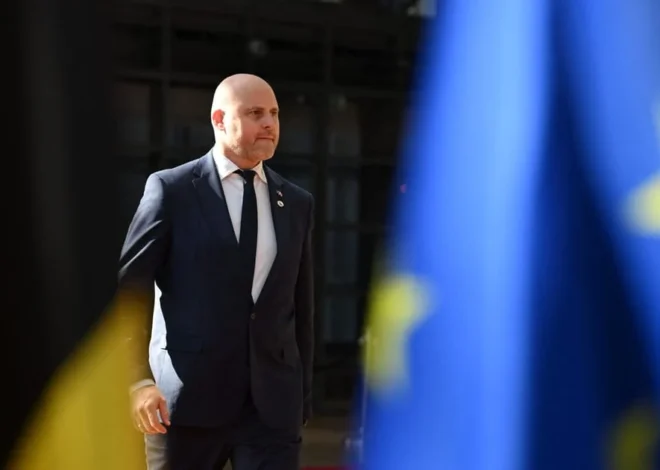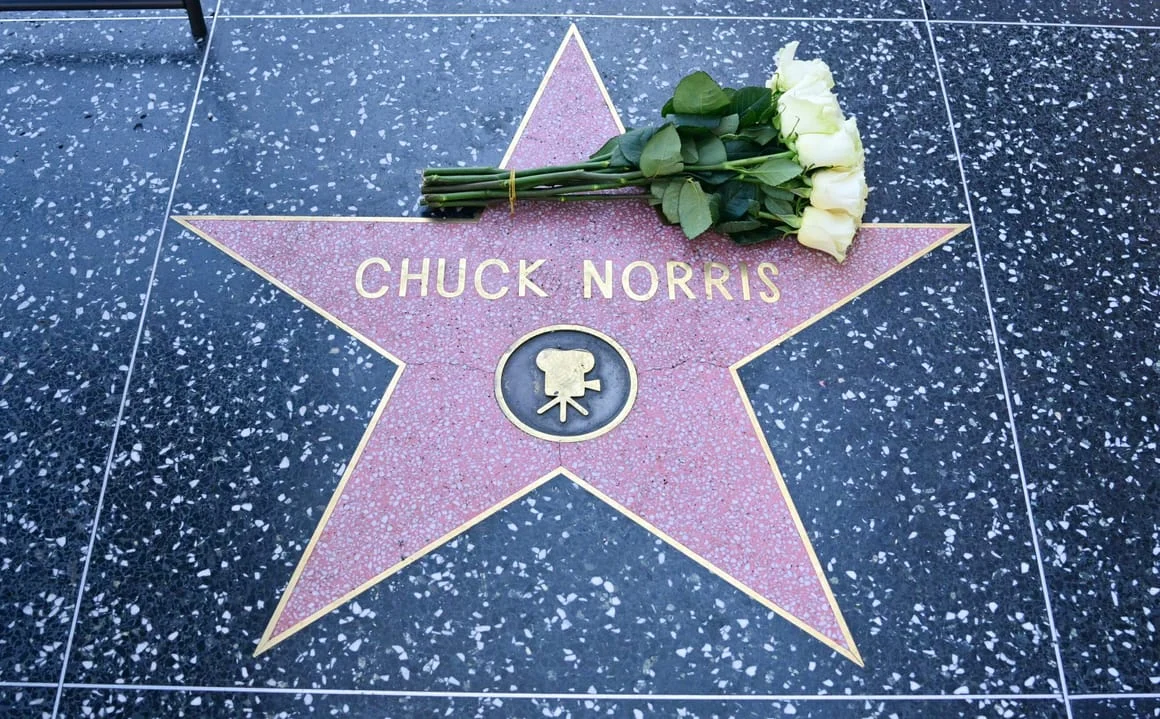
Viktor Orbán pays respects to Chuck Norris as the world mourns the passing of the martial arts icon at age 86
The global entertainment and political communities are in mourning following the death of Chuck Norris, the legendary martial artist, action film star, and cultural icon, who passed away on Friday, March 20, 2026, at the age of 86. As news of his passing reverberated from the Hollywood Walk of Fame to the corridors of power in Europe, a wide array of public figures have offered tributes. Among them, Hungarian Prime Minister Viktor Orbán issued a poignant social media message, reflecting on a personal friendship that bridged the worlds of geopolitical maneuvering and American pop culture.
A Legacy of Action and Influence
Born Carlos Ray Norris in 1940, the actor carved out a career that spanned over five decades. A six-time undefeated world professional middleweight karate champion, Norris transitioned into cinema during the 1970s. His filmography—marked by cult classics like "The Delta Force" and "Missing in Action"—and his long-running television series "Walker, Texas Ranger," cemented his status as a symbol of American ruggedness and conservative values.
Beyond the screen, Norris was a fixture in conservative political circles. His endorsement of Donald Trump in 2016 was a defining moment for his public persona, where he urged "freedom-loving citizens" to unite behind the Republican candidate. His death marks the end of an era for the action-hero archetype that defined much of the late 20th-century American entertainment landscape.
The Budapest Encounter: A Meeting of Minds
The tribute from Prime Minister Viktor Orbán, which included a video clip from a 2018 meeting in Budapest, highlights the ideological affinity between the two men. In the footage, the Hungarian leader is seen introducing Norris to Hungary’s elite anti-terrorism unit. Orbán’s framing of himself as a "street fighter" rather than a member of the traditional political elite resonated deeply with the ethos Norris portrayed in his films.
During that visit, the two engaged in a candid discussion about the nature of political opposition. When Norris remarked that Orbán reminded him of Donald Trump, the Prime Minister reportedly replied, "A little bit more than that!" The exchange serves as a historical footnote illustrating how international populist leaders sought to cultivate relationships with American cultural icons to reinforce their own anti-establishment narratives.
Chronology of a Political Week
The timing of the tribute is notable given the backdrop of a highly contentious week in Brussels. On Thursday, March 19, 2026, just one day prior to the announcement of Norris’s death, Orbán found himself at the center of a diplomatic storm during a European Council summit.
The meeting, characterized by intense friction, centered on a proposed €90 billion loan package for Ukraine. Orbán, maintaining his well-documented stance of skepticism toward European financial support for Kyiv, refused to align with his fellow EU leaders. European Council President António Costa described the Hungarian position as "completely unacceptable," signaling a deepening divide between Budapest and the rest of the bloc. The contrast between the gravity of the European crisis and the personal mourning of a cinematic friend underscores the dual nature of Orbán’s public life: that of a polarizing head of state and a man who values his connections to Western conservative figures.

Data and Context: The Political Landscape
Hungary’s political environment is currently approaching a critical juncture. With national elections scheduled for April 12, 2026, the political maneuvering in Brussels is intrinsically linked to domestic strategy. Orbán’s rhetoric—positioning himself as a defender of national sovereignty against the "liberals" who, as he told Norris in 2018, "hate me"—is a central pillar of his campaign.
Statistically, the influence of figures like Norris on the Hungarian electorate is negligible, yet the symbolic value of the endorsement remains potent. By highlighting his friendship with a quintessential American "tough guy," Orbán reinforces his brand as a leader who operates outside the traditional "elite" structures of Brussels, appealing to a voter base that prioritizes strength and defiance in the face of international pressure.
Reactions from Across the Political Spectrum
The reaction to Norris’s death has been as diverse as his career. In Germany, the Free Democratic Party (FDP) offered a unique, tongue-in-cheek tribute via social media, stating, "Chuck Norris doesn’t die. The resurrection just wants to be thorough." The remark, while humorous, was interpreted by political analysts as a self-deprecating nod to the FDP’s own recent political struggles. Having lost all seats in the German parliament following the disastrous 2025 election, the party is currently attempting to navigate a path back to relevance, making the reference to "resurrection" particularly poignant in a German domestic context.
Broader Implications and Legacy
The death of Chuck Norris transcends the obituary pages; it signals the final sunset on a specific brand of American cultural soft power. During the late 20th century, the "tough guy" movie star acted as an informal ambassador for American values. When leaders like Orbán align themselves with these figures, they are attempting to borrow the cultural authority associated with that era.
The implications for the European Union are significant. As the bloc grapples with internal dissent—exemplified by the standoff over the Ukraine loan—the reliance on traditional diplomatic norms is being tested. Leaders who identify with the "street fighter" persona often prioritize nationalist optics over multilateral consensus.
Furthermore, the loss of a major conservative cultural touchstone like Norris may leave a void in the American political landscape, where celebrities are increasingly relied upon to mobilize base voters. As the Republican party and its international counterparts evolve, the "Norris archetype"—defined by hyper-masculinity, clear-cut morality, and a disdain for perceived liberal elites—remains a powerful, if nostalgic, political tool.
Conclusion: A Figure of Cultural Permanence
Chuck Norris’s death has prompted a wave of tributes, from the official to the satirical. Whether viewed as a martial arts pioneer, a Hollywood icon, or a political signpost for modern populists, his influence on the global zeitgeist is undeniable.
As the world processes his passing, the political maneuverings in Brussels and the upcoming election in Hungary continue, albeit with one less familiar reference point for the leaders involved. The "street fighter" of Budapest will continue his campaign, but for many, the loss of Norris serves as a moment of reflection on the changing tides of both entertainment and international politics. As the flowers accumulate on his star in Hollywood, the world is reminded that even the most enduring symbols of strength are subject to the inexorable passage of time. The geopolitical challenges of 2026, meanwhile, remain, with or without the cultural icons of the past to provide a frame of reference.