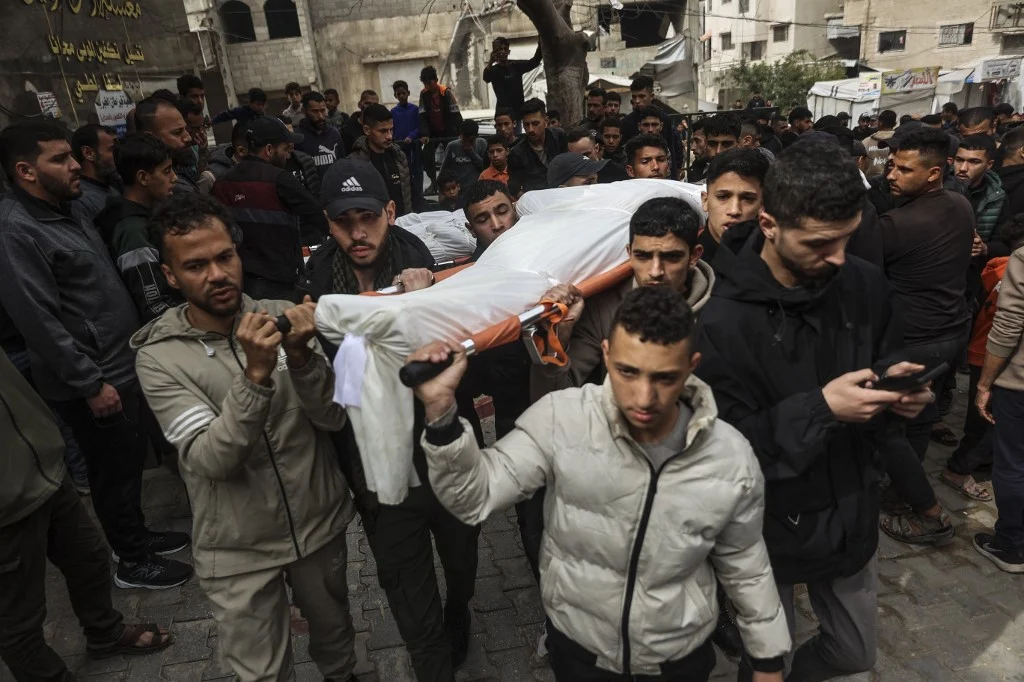
US Pushes Global Signatories for ‘Trade Over Aid’ Initiative, Seeking to Dismantle Traditional Humanitarian Assistance Model
The administration of U.S. President Donald Trump is actively campaigning for a novel global trade initiative, urging nations worldwide to endorse a paradigm shift that advocates for the dismantling of the existing global aid system in favor of enhanced trade and private sector investments. This ambitious policy redirection, dubbed the "trade over aid" initiative, represents a significant departure from decades of established U.S. foreign policy, aiming to reorient international engagement towards economic self-sufficiency and American commercial interests.
According to a confidential cable reviewed by The Washington Post, dispatched on a Wednesday to all U.S. embassies and consular posts, Secretary of State Marco Rubio issued a direct order for American diplomats to formally solicit support from foreign nations. This diplomatic offensive precedes the initiative’s highly anticipated unveiling at the United Nations by the end of April. The directive, as quoted by The Post, explicitly states that the move is designed to scale back traditional humanitarian assistance, instead promoting "America First values and create business opportunities for U.S. companies." This indicates a clear intention to align U.S. foreign policy tools more directly with national economic and commercial objectives.
Background: The "America First" Doctrine and Foreign Policy Realignment
The "trade over aid" initiative is a direct manifestation of the "America First" foreign policy doctrine that has characterized the Trump administration since its inception. This doctrine fundamentally re-evaluated the United States’ role in global affairs, often expressing skepticism towards multilateral institutions, established international agreements, and what was perceived as an overly generous or inefficient foreign aid apparatus. The core tenet of "America First" prioritized U.S. economic interests, national security, and a transactional approach to international relations, often questioning the efficacy and return on investment of traditional foreign aid.
Historically, U.S. foreign aid has been a cornerstone of its global influence and soft power, evolving significantly since the post-World War II Marshall Plan. From combating communism during the Cold War to fostering development, providing humanitarian relief, and promoting democracy, U.S. aid has served diverse strategic and moral objectives. However, the Trump administration frequently voiced concerns about aid dependency, potential for corruption in recipient countries, and the perception that aid often failed to yield tangible benefits for U.S. taxpayers or advance American commercial interests. This skepticism fueled a broader push to reduce foreign spending, reform international organizations, and shift towards bilateral engagements where U.S. interests were more explicitly prioritized. The "trade over aid" initiative, therefore, can be seen as a culmination of these underlying policy preferences, seeking to replace what the administration viewed as handouts with mutually beneficial economic partnerships.
Chronology of a Policy Shift
While the public unveiling is set for late April, the conceptualization and development of the "trade over aid" initiative have likely been underway for an extended period within the administration, reflecting a consistent policy direction.
- Early Discussions (Throughout 2017-2018): Internal debates within the National Security Council, State Department, and USAID regarding the effectiveness and strategic alignment of traditional foreign aid began early in the administration. Calls for significant budget cuts to foreign assistance were a recurring theme in proposed federal budgets.
- Formulation of the Concept (Late 2018 – Early 2019): The "trade over aid" framework likely began to solidify as a cohesive policy proposal, integrating economic development, private sector engagement, and U.S. commercial interests as central pillars.
- Drafting and Inter-agency Review (Early 2019): The initiative’s specific tenets, implementation strategies, and diplomatic messaging would have been drafted and reviewed across relevant U.S. government agencies.
- Secretary Rubio’s Directive (Wednesday, unspecified date): The cable reviewed by The Washington Post marks a critical inflection point, formalizing the diplomatic outreach effort and signaling the administration’s readiness to actively lobby foreign governments. This directive empowers U.S. diplomats globally to engage with host countries on the initiative.
- Global Diplomatic Outreach (Immediately following directive): U.S. embassies and consular posts would commence their outreach, presenting the initiative to foreign ministries, economic departments, and potentially business leaders, seeking preliminary commitments or expressions of support.
- United Nations Unveiling (End of April): The formal presentation at the UN will serve as the global launchpad for the initiative, aiming to garner international attention, articulate its full scope, and begin the process of building a coalition of signatory nations. This platform will also likely be used to address initial criticisms and outline the perceived benefits.
- Post-UN Engagement (Ongoing): Following the UN launch, the U.S. is expected to intensify its diplomatic efforts, potentially hosting bilateral meetings, regional conferences, and engaging with international financial institutions to build momentum and secure widespread adoption of the "trade over aid" principles.
The Philosophy of "Trade Over Aid" and its Proposed Mechanisms
At its core, the "trade over aid" philosophy posits that sustainable economic development and poverty reduction are best achieved through market-driven growth, private sector investment, and robust trade relationships, rather than through direct government-to-government aid. The administration argues that aid can foster dependency, distort local economies, and be susceptible to corruption, while trade and investment empower nations to build self-sufficient economies.
The initiative would likely pursue several mechanisms to achieve this shift:
- Facilitating U.S. Investment Abroad: Encouraging American companies to invest in developing countries by leveraging tools like the U.S. International Development Finance Corporation (DFC), providing risk insurance, loan guarantees, and equity investments for projects with U.S. ties. This would replace direct financial aid with capital flows tied to U.S. business interests.
- Promoting Trade Agreements and Market Access: Advocating for bilateral or multilateral trade agreements that reduce tariffs and non-tariff barriers, making it easier for U.S. companies to export goods and services to developing markets, and potentially creating pathways for developing countries to access the U.S. market under specific conditions.
- Capacity Building for Trade: Investing in programs that help developing countries improve their trade infrastructure, regulatory environments, and supply chain capabilities, making them more attractive for foreign investment and more competitive in global markets. This could include technical assistance, training, and policy advice.
- Public-Private Partnerships (PPPs): Emphasizing collaborative projects between governments and private companies, particularly U.S. firms, to deliver essential services or develop critical infrastructure, with the expectation that these projects would eventually become self-sustaining.
- Conditionality and Policy Alignment: Tying remaining forms of U.S. assistance (e.g., security aid, targeted technical assistance) more explicitly to a recipient country’s commitment to economic reforms, market liberalization, and creating a favorable environment for U.S. trade and investment.
The explicit goal of creating "business opportunities for U.S. companies" underscores the initiative’s dual purpose: fostering development in partner countries while simultaneously advancing U.S. economic prosperity and global competitiveness.
Supporting Data and the Current Landscape of Foreign Aid
Global foreign aid, also known as Official Development Assistance (ODA), is a substantial enterprise. In 2022, ODA from members of the OECD’s Development Assistance Committee (DAC) amounted to $204 billion, representing a significant financial commitment to international development and humanitarian efforts. The United States has historically been the largest single donor country, contributing tens of billions of dollars annually across various categories:
- Humanitarian Aid: Designed to save lives, alleviate suffering, and maintain human dignity during and in the aftermath of man-made crises and natural disasters. This includes food aid, emergency shelter, medical supplies, and refugee assistance.
- Development Aid: Focused on long-term poverty reduction, economic growth, and social progress, encompassing sectors like health (e.g., PEPFAR for HIV/AIDS), education, infrastructure, agriculture, and good governance.
- Security Aid: Assistance aimed at enhancing the security capabilities of partner nations, often tied to counter-terrorism, law enforcement, and military training.
- Economic Support Funds (ESF): Provided to promote economic and political stability in areas of strategic importance to the U.S.
Arguments for traditional foreign aid highlight its critical role in:
- Poverty Reduction: Direct assistance has lifted millions out of extreme poverty, improved health outcomes, and increased access to education.
- Disaster Response: Aid agencies are often the first responders in humanitarian crises, providing immediate relief that trade mechanisms cannot.
- Disease Control: Global health initiatives, heavily funded by aid, have significantly reduced the incidence of diseases like polio, malaria, and HIV/AIDS.
- Stability and Soft Power: Aid can stabilize fragile states, prevent conflicts, and build goodwill, enhancing U.S. influence and national security.
However, critics, including those within the Trump administration, often point to challenges such as:
- Dependency: Aid can create a perpetual cycle of reliance, discouraging local innovation and self-sufficiency.
- Corruption: Funds can be diverted or misused, failing to reach intended beneficiaries.
- Inefficiency: Bureaucratic hurdles and misaligned priorities can reduce aid effectiveness.
- Lack of Sustainability: Projects funded by aid often collapse once external funding ceases.
The "trade over aid" initiative seeks to address these criticisms by promoting a model that inherently fosters sustainability and market integration, rather than direct financial transfers. This shift would have profound implications for countries like those in Sub-Saharan Africa, parts of Latin America, and fragile states in the Middle East, many of which rely heavily on U.S. humanitarian and development assistance for basic services and stability.
Official Responses and Anticipated Reactions
The announcement of such a sweeping policy shift is expected to elicit a wide range of reactions from various stakeholders across the globe.
- U.S. Administration: Officials would likely emphasize the initiative’s forward-looking nature, arguing that it represents a more dignified and sustainable path for developing nations. They would highlight its potential to unlock private sector capital, foster genuine economic partnerships, and move beyond what they perceive as outdated and often ineffective aid models. The focus would be on mutual benefit and aligning foreign policy with national economic interests.
- Developing Nations/Recipient Countries:
- Positive: Some countries, particularly those with stable governance, growing economies, and a desire for greater market integration, might welcome the initiative. They could see it as an opportunity to attract investment, expand trade, and reduce their reliance on foreign assistance, viewing it as a path to greater economic sovereignty.
- Negative/Concerned: Nations heavily reliant on humanitarian aid for immediate needs (e.g., countries experiencing famine, conflict, or natural disasters) would likely express profound alarm. They would argue that trade and investment, while important for long-term growth, cannot address acute crises requiring immediate, unconditional assistance. Concerns might also arise regarding potential conditionalities, the risk of unfavorable trade deals, or the possibility of being sidelined if they do not present attractive investment environments for U.S. businesses.
- International Organizations:
- United Nations: The UN, a primary coordinator of global humanitarian and development efforts, would likely acknowledge the importance of trade and investment for sustainable development but strongly emphasize the indispensable role of humanitarian aid in crisis situations. They would likely advocate for a balanced approach, stressing multilateral cooperation and the achievement of Sustainable Development Goals (SDGs), which include both economic growth and poverty eradication alongside humanitarian action.
- Non-Governmental Organizations (NGOs) and Humanitarian Groups: These organizations, often on the front lines of aid delivery, are expected to voice strong opposition. They would warn of potential humanitarian catastrophes if aid is drastically cut without viable alternatives, arguing that trade and aid serve distinct purposes that are often complementary, not mutually exclusive. They would highlight the unique role of aid in protecting the most vulnerable populations.
- World Bank and International Monetary Fund (IMF): These institutions, which promote both development and economic stability, might offer a more nuanced perspective. They would likely support the principle of fostering trade and investment for long-term growth but also acknowledge the continuing necessity of targeted aid for capacity building, addressing market failures, and supporting the poorest nations.
- Other Major Donor Nations (e.g., European Union, Japan, Canada): These countries, while generally supportive of trade and investment, might express caution about a radical dismantling of the aid system. Many have their own established foreign aid programs and multilateral commitments. They might seek to understand the specifics of the U.S. proposal, possibly signaling a divergence in foreign policy approaches if the U.S. stance is perceived as too extreme or detrimental to global stability.
Broader Impact and Implications
The "trade over aid" initiative, if widely adopted or significantly pursued by the U.S., carries profound implications across geopolitical, economic, and humanitarian spheres.
- Geopolitical Impact: A dramatic shift could alter the landscape of international influence. If the U.S. significantly reduces its traditional aid footprint, other global powers, particularly China and Russia, might seek to fill the void, potentially expanding their own spheres of influence through alternative development models or direct assistance. This could lead to a more fragmented and competitive international development architecture. It also challenges the foundational principles of multilateralism and collective responsibility for global challenges.
- Economic Impact: While the initiative aims to spur economic growth, its success would be uneven. Countries with stable political environments, robust legal frameworks, and existing market infrastructure would be better positioned to attract U.S. trade and investment. Fragile states or those lacking basic infrastructure might struggle to transition, potentially exacerbating economic disparities. The focus on U.S. business opportunities could also raise concerns about neocolonialism or disproportionate benefits accruing to American corporations.
- Humanitarian Impact: This is arguably the most contentious area. Humanitarian crises, driven by conflict, climate change, or pandemics, do not wait for trade deals to mature. A reduction in humanitarian aid could leave millions vulnerable, potentially leading to increased suffering, mass displacement, and instability. The initiative would necessitate a clear articulation of how immediate life-saving needs would be met if traditional aid channels are diminished.
- Policy Implications for the U.S.: Internally, this initiative would require a significant reorientation of U.S. diplomatic efforts, potentially reshaping the mandates of the State Department and USAID. It would demand new metrics for success, moving beyond aid disbursements to tracking investment flows, trade volumes, and economic growth in partner countries. The practical challenges of implementing such a sweeping change across diverse global contexts would be substantial.
In conclusion, the "trade over aid" initiative represents a bold and potentially transformative shift in U.S. foreign policy, driven by the "America First" doctrine. It seeks to replace traditional humanitarian assistance with a model centered on trade and private investment, aiming to foster sustainable economic growth and create opportunities for U.S. businesses. While proponents argue for its long-term benefits and greater efficiency, the initiative faces significant scrutiny and likely opposition, particularly from humanitarian organizations and vulnerable nations concerned about the immediate needs of populations in crisis. Its successful implementation, and indeed its very reception, will undoubtedly shape global development efforts and international relations for years to come, sparking a crucial debate about the balance between immediate humanitarian imperatives and the pursuit of long-term economic self-sufficiency.

Related Posts
Over 150 Israeli Settlers Storm Al-Aqsa Compound and Perform Prayers, Violating Status Quo Under Police Protection.
UN Report Highlights Over 900 Obstacles Hampering West Bank Aid Amid Escalating Humanitarian Crisis