US Navy Strengthens Indo-Pacific Presence as Mine Countermeasure Littoral Combat Ships USS Santa Barbara and USS Tulsa Arrive in Singapore
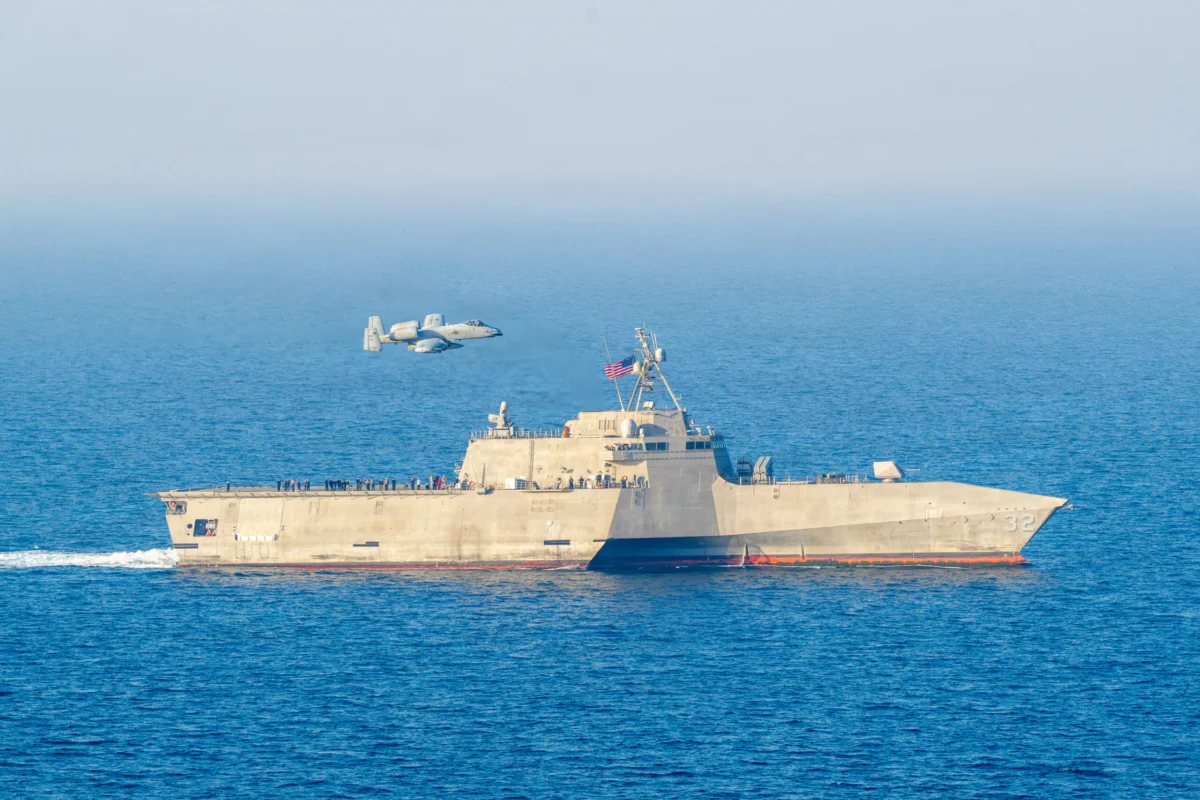
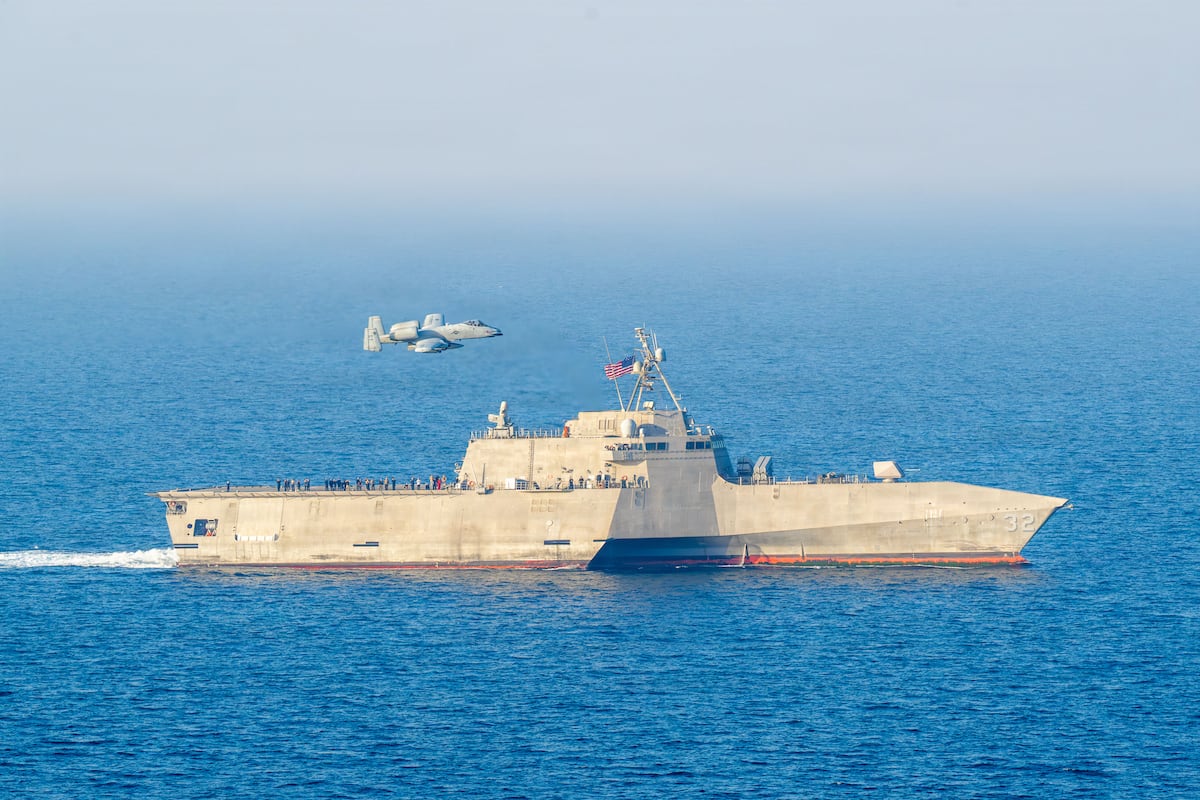
The arrival of the Independence-class littoral combat ships USS Santa Barbara (LCS 32) and USS Tulsa (LCS 16) in Singapore this week marks a significant milestone in the U.S. Navy’s ongoing effort to modernize its mine warfare capabilities while strategically pivoting its most advanced assets toward the Indo-Pacific theater. According to a spokesperson for the U.S. Fifth Fleet, the two vessels, which are officially homeported in Bahrain, transitioned into the U.S. Seventh Fleet’s area of responsibility earlier this month, signaling a broader shift in how the Department of Defense manages maritime security across the transit corridors linking the Middle East to Southeast Asia.
The journey of the Santa Barbara and the Tulsa included a high-profile stop in Malaysia for a scheduled port call before the vessels proceeded to Singapore. This movement highlights the increasing fluidity of U.S. naval operations, where ships assigned to one geographic command are frequently integrated into the operations of another to address emerging security requirements. The presence of these specific vessels is particularly noteworthy because both are equipped with the Navy’s latest Mine Countermeasures (MCM) mission package, a modular suite of technology designed to revolutionize how the military identifies and neutralizes underwater explosives.
A Strategic Hub in the Heart of Southeast Asia
The arrival of these ships in Singapore is not a random occurrence but rather the result of a long-standing bilateral defense agreement between the United States and the Republic of Singapore. For over a decade, the two nations have maintained a framework that allows for the rotational deployment of littoral combat ships to the island nation, utilizing Singapore’s world-class facilities as a primary logistics and maintenance hub.
"Tulsa and Santa Barbara are conducting scheduled maintenance and a logistics stop in Singapore," the U.S. Fifth Fleet spokesperson confirmed. This stop allows the crews to reset after their transit through the Indian Ocean and ensures that the sophisticated MCM systems remain fully operational. Singapore’s Changi Naval Base has long served as the "crown jewel" of U.S. naval logistics in the region, providing deep-water berths and specialized technical support that are essential for the maintenance of the aluminum-hulled Independence-class vessels.
By operating out of Singapore, the U.S. Navy gains a vantage point over the Strait of Malacca and the South China Sea—two of the most critical maritime chokepoints in the world. As global trade continues to rely on these narrow waterways, the threat of naval mining remains a persistent concern for both commercial shipping and military freedom of navigation.
The Evolution of Mine Countermeasures: From Wood to Aluminum
The deployment of the Santa Barbara and Tulsa represents a generational shift in naval technology. For decades, the U.S. Navy relied on the Avenger-class mine countermeasures ships to secure the waters of the Middle East. These legacy vessels, characterized by their hulls made of wood and fiberglass, were designed to have a nonmagnetic signature and a low acoustic footprint. This allowed them to physically enter minefields to hunt for and destroy threats using traditional cables, cutters, and electromagnetic tools.
However, the Avenger-class ships, which famously destroyed over 1,000 mines off the coast of Kuwait during the Gulf War, reached the end of their operational lives in 2025. After more than 30 years of service, the final four Middle East-based minesweepers were decommissioned, leaving a temporary gap that the littoral combat ship program was specifically designed to fill.
Unlike their predecessors, the Independence-class LCS vessels are constructed from aluminum and are significantly faster and larger. However, their size and material composition mean they cannot safely operate inside a high-risk mine zone in the same way the wooden Avengers could. Instead, the LCS utilizes a "stand-off" approach to mine warfare. By remaining outside the immediate threat area, the LCS serves as a mothership for a suite of unmanned systems.
The MCM Mission Package: Unmanned and Autonomous Warfare
The core of the Santa Barbara and Tulsa’s capability lies in the Mine Countermeasures (MCM) mission package. This system integrates a variety of sensors and neutralizers that allow the Navy to map the seafloor and eliminate threats without putting human divers or manned hulls in direct danger.
Key components of the MCM package include:
- Unmanned Surface Vehicles (USVs): These autonomous boats can tow sonar arrays or carry neutralization tools into the minefield while the LCS remains miles away.
- Unmanned Underwater Vehicles (UUVs): These "drones of the deep" use high-resolution sonar to identify objects buried in the seafloor or floating in the water column.
- Sikorsky MH-60S Seahawk Helicopters: Each LCS carries an aviation detachment capable of deploying the Airborne Laser Mine Detection System (ALMDS) and the Airborne Mine Neutralization System (AMNS), which uses a fiber-optic link to guide a destruction charge to a detected mine.
This transition to unmanned technology is a central pillar of the Navy’s future fleet architecture. By removing the sailor from the minefield, the Navy reduces the risk of casualties while increasing the speed at which a waterway can be cleared.
Chronology of the Current Deployment
The current movement of the LCS fleet across the Indian Ocean and into Southeast Asia follows a specific timeline of events that underscores the Navy’s commitment to the MCM mission:
- Late 2024 – Early 2025: The U.S. Navy completes the decommissioning of the aging Avenger-class minesweepers in Bahrain.
- Mid-2025: The USS Santa Barbara, USS Tulsa, and USS Canberra (LCS 30) are fully integrated into the U.S. Fifth Fleet with their newly certified MCM mission packages.
- February 2026: The USS Santa Barbara participates in major exercises in the Arabian Gulf, demonstrating the ship’s ability to coordinate with A-10 Thunderbolt II aircraft and other surface assets like the USS Santa Barbara.
- March 2026: The Santa Barbara and Tulsa depart the Middle East, transiting the Indian Ocean and entering the U.S. Seventh Fleet area.
- Mid-March 2026: Both ships conduct a port call in Malaysia to strengthen regional partnerships.
- Current Week: The ships arrive in Singapore for maintenance and logistics, while their sister ship, the USS Canberra, remains active in the Indian Ocean.
Expert Analysis: Strategic Repositioning and Vulnerabilities
The decision to migrate these two MCM-capable ships from Bahrain to Singapore has been interpreted by many defense analysts as a "strategic repositioning." Dr. Steven Wills, a navalist for the Center for Maritime Strategy and a veteran who served aboard mine countermeasures ships, suggests that the move may be an attempt to balance the fleet’s footprint in high-threat environments.
"I think that was a desire to just reduce the number of targets," Wills noted, referring to the dense threat environment of the Persian Gulf and the Strait of Hormuz. While the LCS is a versatile platform, it possesses inherent vulnerabilities that distinguish it from more heavily armored surface combatants like the Arleigh Burke-class destroyers.
The Independence-class LCS is equipped with a 57mm MK-110 gun system and a SeaRAM self-defense missile system. While these are effective against small boats and incoming cruise missiles, the LCS lacks the Vertical Launch System (VLS) found on destroyers, which provides a much deeper magazine for air defense and long-range strike capabilities. This makes the LCS more dependent on escort ships or land-based air cover in contested environments.
Furthermore, the aluminum hull of the LCS, while providing speed and agility, does not offer the same level of protection against blast effects as a steel-hulled ship. By moving these assets to the Seventh Fleet, the Navy may be looking to leverage the LCS in the vast expanses of the Indo-Pacific, where its high speed and shallow draft are significant advantages for island-hopping operations and littoral security.
Broader Implications for Regional Security
The presence of the Santa Barbara and Tulsa in Singapore sends a clear message to regional actors regarding the U.S. commitment to maintaining open sea lanes. In the Indo-Pacific, the threat of naval mining is a key component of "anti-access/area denial" (A2/AD) strategies. Should a conflict arise in the South China Sea or the Taiwan Strait, the ability to rapidly clear mines would be essential for the movement of carrier strike groups and amphibious assault ships.
The U.S. Seventh Fleet, headquartered in Japan, now has access to a specialized mine-hunting capability that was previously concentrated in the Middle East. This redistribution of assets reflects the Pentagon’s "Indo-Pacific Strategy," which identifies the region as the most consequential theater for U.S. national security in the 21st century.
As the USS Santa Barbara and USS Tulsa conclude their maintenance in Singapore, their next moves will be closely watched by regional neighbors and adversaries alike. Whether they remain in the Seventh Fleet for an extended duration or eventually return to their homeport in Bahrain, their journey highlights the evolving nature of naval warfare—a future defined by unmanned systems, modular mission packages, and the constant movement of assets across the global maritime commons.

Related Posts
BAE Systems Unveils Project Intuity to Revolutionize Future Air Combat and Drone Swarm Management
Pentagon Secures Framework Agreements for Family of Affordable Mass Missiles to Bolster Munition Inventories and Industrial Capacity