The Vanishing Warthog: Assessing the Future of the US Air Force’s Sandy Mission and Combat Search and Rescue Capabilities
The United States Air Force is navigating a pivotal transition in its tactical doctrine as it accelerates the retirement of the A-10 Thunderbolt II, a move that places the future of the specialized "Sandy" combat search-and-rescue (CSAR) mission in an uncertain state. For more than half a century, the Sandy callsign has represented a unique covenant between downed airmen and the pilots tasked with bringing them home from hostile territory. As the service targets fiscal year 2029 for the total divestment of the A-10 fleet, military leaders, veteran pilots, and congressional oversight committees are grappling with a fundamental question: can a multi-role stealth fighter truly replicate the low-and-slow protective umbrella of the "Warthog"?
The Genesis of the Sandy Legacy
The callsign "Sandy" is not merely a tactical identifier; it is a storied tradition that traces its origins to the height of the Vietnam War in late 1965. Capt. J.W. "Doc" George, a pilot flying the Douglas A-1 Skyraider, brought the callsign with him from Bien Hoa, South Vietnam, to Udorn Royal Thai Air Force Base. The A-1 Skyraider, a propeller-driven aircraft, was ideally suited for the dense jungles of Southeast Asia. Its ability to fly at low speeds allowed pilots to conduct visual searches for downed aircrews while providing sustained close-air support for rescue helicopters.
The role was briefly transferred to the LTV A-7D Corsair II in 1972 as the Skyraiders were phased out. However, the transition was fraught with operational friction. The A-7, designed as a high-speed attack jet, struggled with the maneuvering requirements of the CSAR mission. Its higher stall speeds and reduced loiter time made it less effective for escorting slow-moving helicopters and maintaining visual contact with survivors on the ground. This historical precedent serves as a cautionary tale for modern planners: high-performance technology does not always translate to mission-specific effectiveness in the rescue arena.
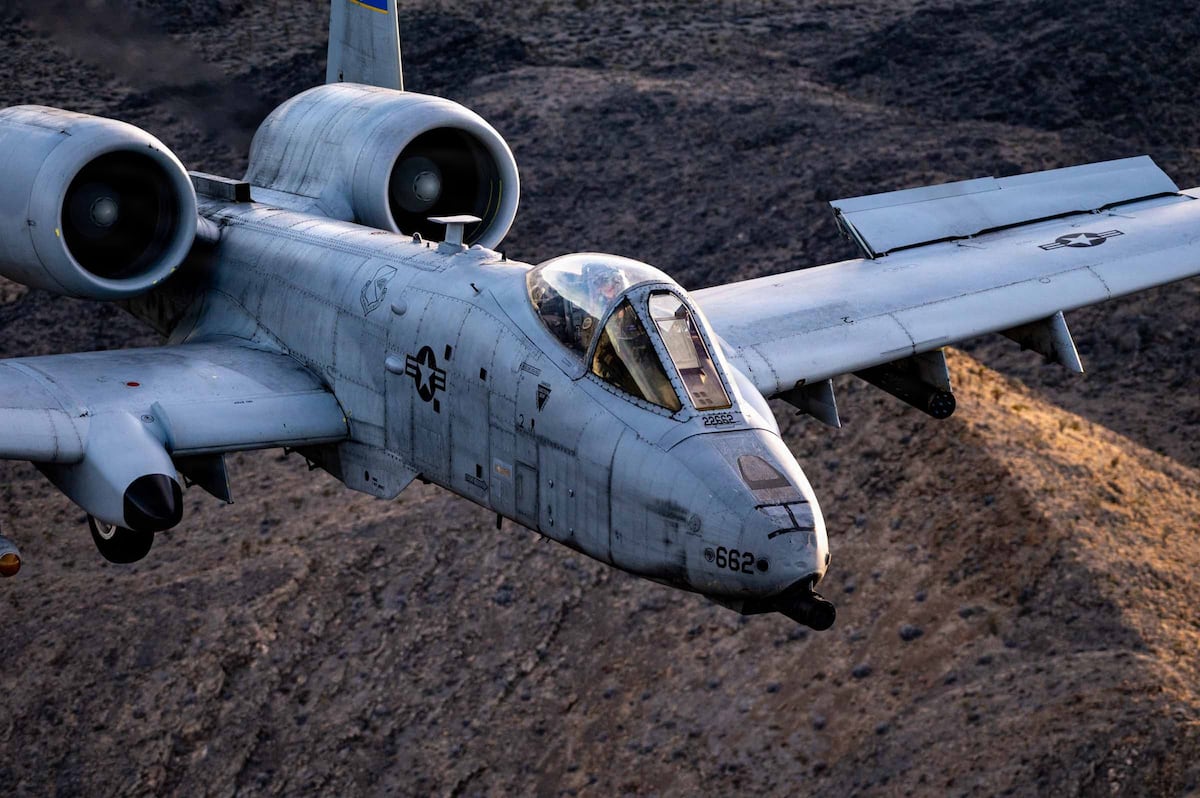
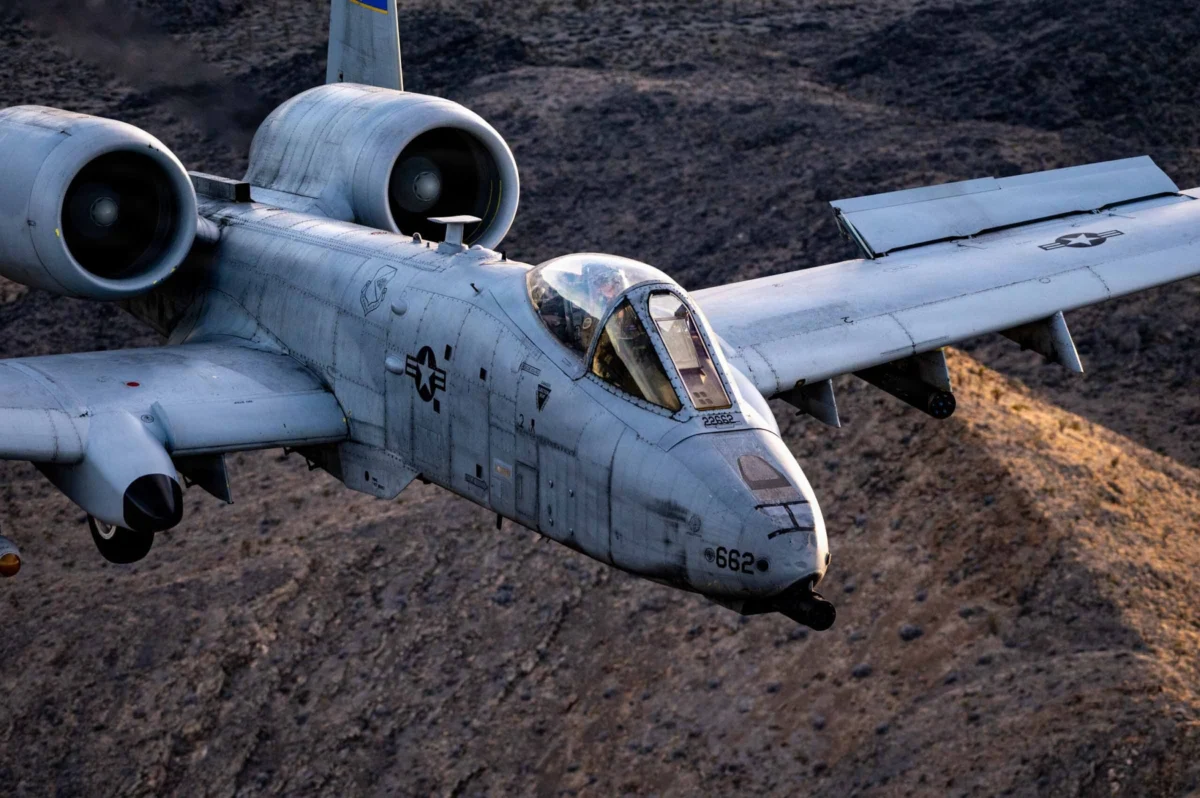
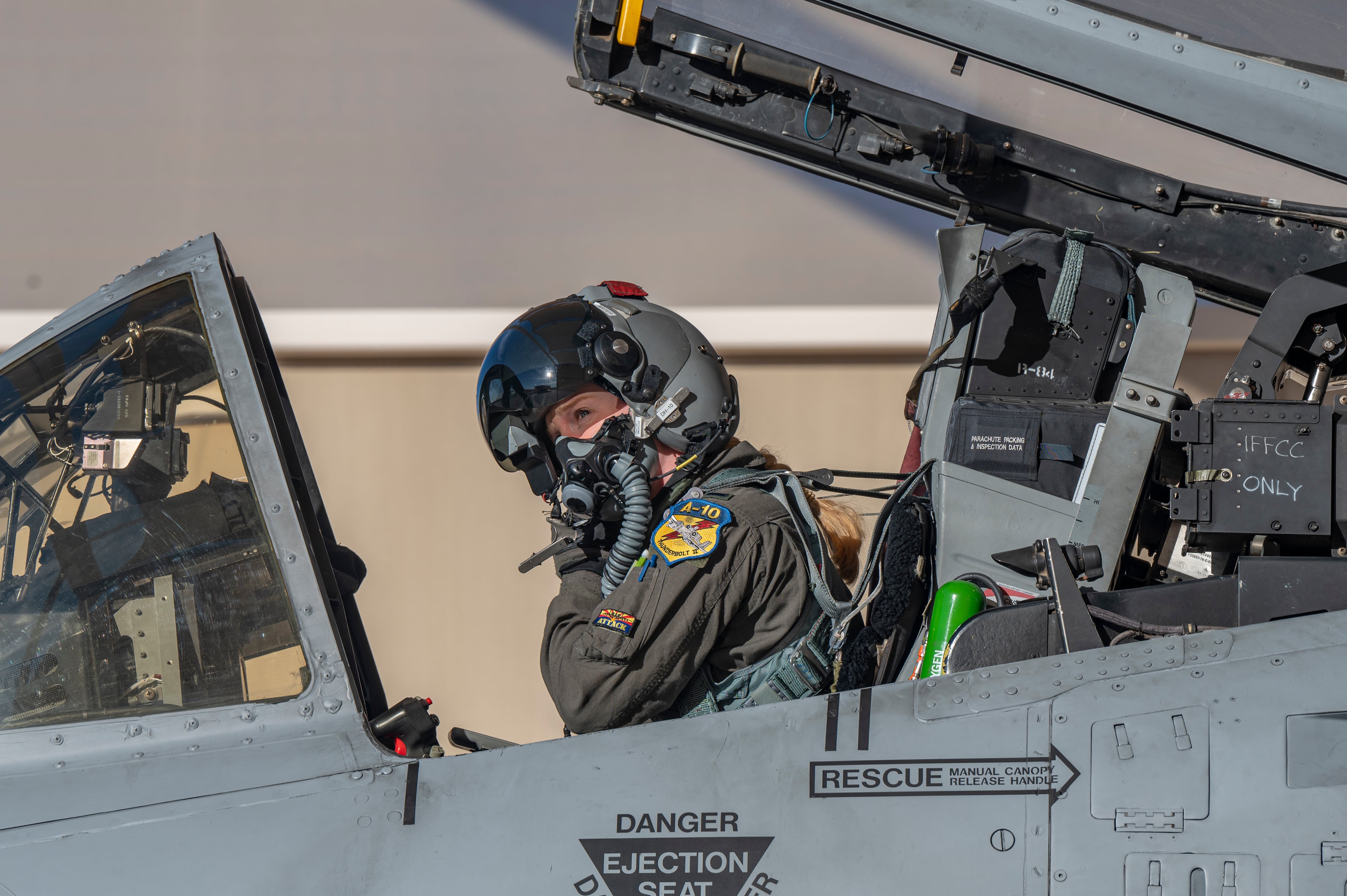
By the late 1970s, the mission found its permanent home with the A-10 Thunderbolt II. With its heavy armor, redundant flight systems, and the ability to loiter over a target area for hours, the A-10 became the definitive Sandy platform. For the next five decades, the "Sandy" callsign became synonymous with the A-10 community’s commitment to the CSAR mission.
Operation Epic Fury: A Modern Proof of Concept
The continued relevance of the A-10 in the Sandy role was underscored as recently as April 3, 2026, during Operation Epic Fury. In a high-stakes mission over Iranian territory, A-10s were instrumental in the recovery of two American F-15E Strike Eagle airmen. The operation highlighted the extreme risks inherent in CSAR; one of the supporting A-10s sustained significant battle damage from ground fire during the extraction. The pilot, benefiting from the A-10’s legendary survivability, managed to fly the crippled aircraft back to friendly airspace before safely ejecting over Kuwait.
General Dan Caine, Chairman of the Joint Chiefs of Staff, emphasized the gravity of the role during a press briefing following the mission. According to Caine, a Sandy pilot has a singular, uncompromising objective: to locate the survivor, coordinate the rescue force, and physically interpose their aircraft between the enemy and the downed airman. This "shield" mentality requires not just specialized hardware, but a specific psychological profile and years of dedicated tactical training.
The Architecture of a Sandy Mission
To understand what the Air Force risks losing, one must examine the complexity of the Sandy task force. A typical CSAR formation is a highly choreographed symphony of diverse assets, including HC-130 tankers (Callsign: "Crown") and HH-60 helicopters (Callsign: "Jolly"). Within this structure, the A-10 Sandy flight typically consists of four aircraft, each with a designated role:
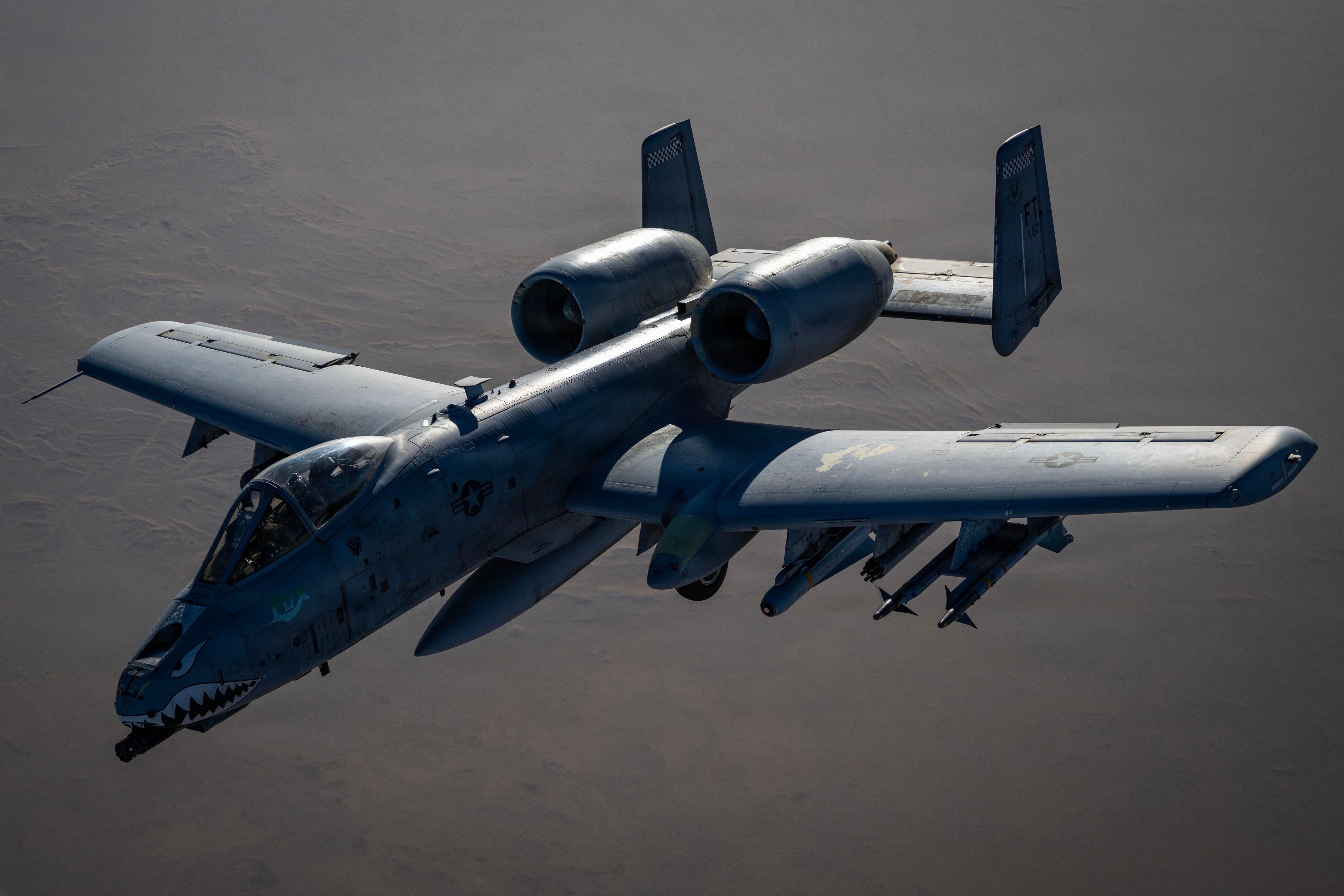
- Sandy 01 (Rescue Mission Commander): The on-scene commander responsible for overall coordination, survivor authentication, and threat suppression.
- Sandy 02 (Deputy Lead): Provides cover for the lead and serves as the backup commander if Sandy 01 is forced to depart the station.
- Sandy 03 and 04 (Rescue Escort): These pilots focus specifically on the HH-60 helicopters, providing close-in protection against small arms fire and man-portable air-defense systems (MANPADS) during the vulnerable pickup phase.
The training for these roles is centralized at Davis-Monthan Air Force Base in Arizona, home to the 357th Fighter Squadron. This unit serves as the formal schoolhouse where the most experienced A-10 pilots undergo the Sandy qualification. The curriculum involves integrated exercises like "Angel Thunder," the world’s largest CSAR exercise, which simulates complex recovery operations in contested environments.
The F-35 Transition: Capabilities vs. Experience
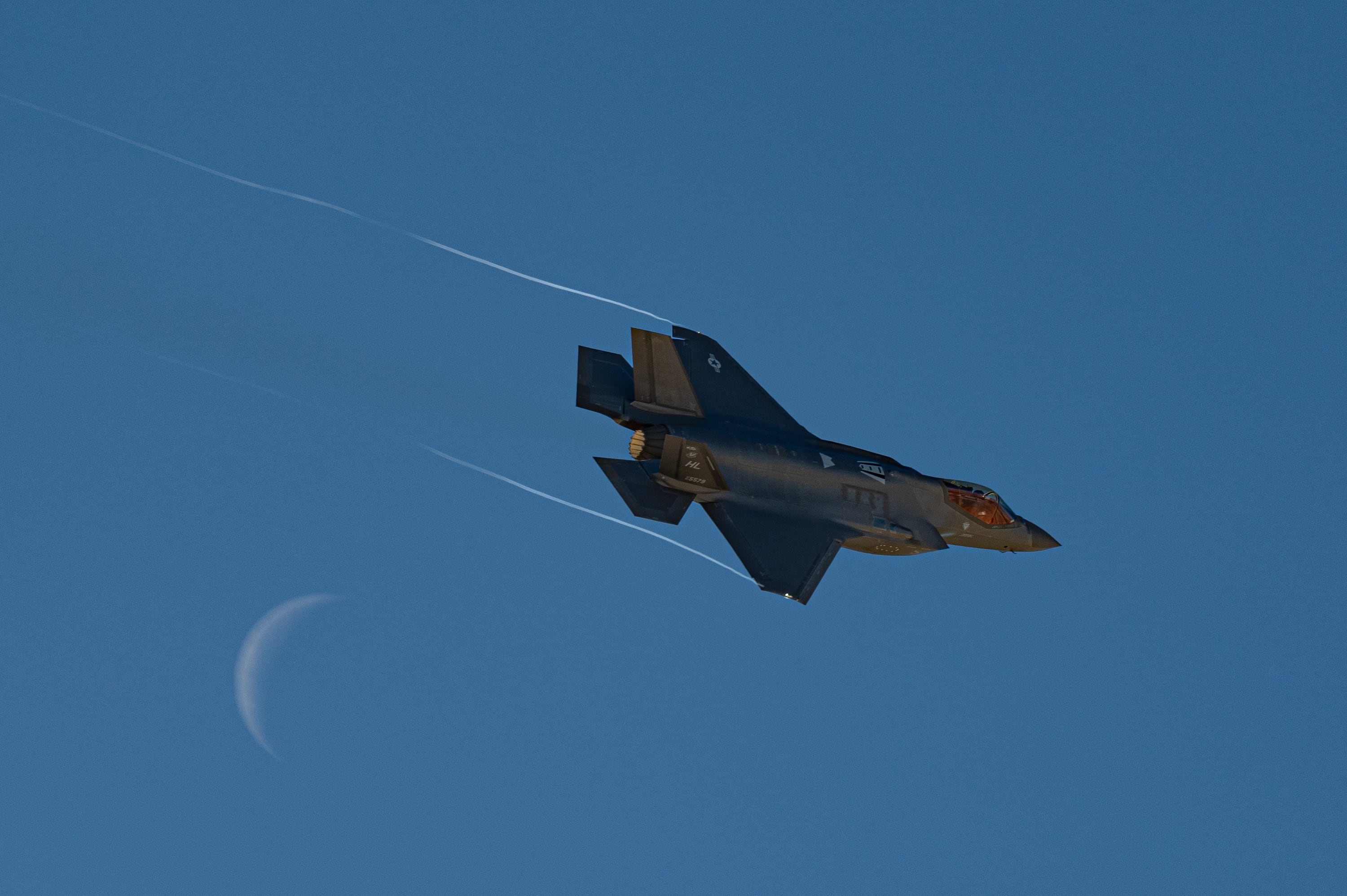
The Air Force’s official strategy for the post-A-10 era centers on transitioning these highly skilled pilots into fifth-generation platforms, specifically the F-35A Lightning II. Air Combat Command (ACC) has stated that the "wealth of expertise" held by A-10 pilots is a transferable asset. However, critics argue that the platform itself imposes limitations that expertise alone cannot overcome.
Internal reports and flight tests have produced mixed results regarding the F-35’s suitability for the Sandy role. A 2022 Pentagon report, released following FOIA litigation, revealed that F-35A pilots experienced a significantly higher cognitive workload when performing forward air control and CSAR tasks compared to A-10 pilots. The F-35 is designed to operate in high-altitude, stealthy environments, utilizing advanced sensors to engage enemies from a distance. The Sandy mission, by contrast, often requires "getting into the dirt"—flying low enough to visually identify a survivor through thick canopy or urban clutter, a task where the A-10’s cockpit visibility and slow-speed stability excel.
Lt. Col. Joel Bier, a retired Sandy 1 instructor with over 2,500 flight hours, warns that the Air Force may be underestimating the "jack of all trades, master of none" syndrome. "Each of the fighter communities trains to a half-dozen or more equally complex missions," Bier noted. "CSAR is fundamentally different. It is friendly-centric and combines elements of air superiority and contingency planning at lower speeds and longer durations that fighter platforms do not routinely train to."
Congressional Resistance and Oversight
The push to retire the A-10 has met significant resistance on Capitol Hill. The fiscal 2026 National Defense Authorization Act (NDAA) included mandates designed to slow the divestment process. Specifically, an amendment led by Representative Austin Scott (R-Ga.) required the Air Force to maintain a minimum of 103 A-10s through late 2026 and demanded a detailed report on how the service plans to fill the CSAR gap.
During a House Armed Services Committee hearing in April 2026, the tension between military leadership and lawmakers was palpable. When questioned about the specific plan for fixed-wing Sandy escorts, General John Lamontagne, Vice Chief of Staff of the Air Force, suggested a "mix of platforms" would handle the coordination role. However, Scott pointed out that the current replacement strategies often conflate the rescue platform (the helicopter) with the escort platform (the Sandy), leaving the question of dedicated protection unanswered.
The closure of the 357th Fighter Squadron’s A-10 training pipeline in April 2026 further complicates the issue. With the last class of A-10 student pilots having graduated, the institutional "schoolhouse" for Sandy tactics is effectively shutting down before a replacement program for the F-35 or F-15E has been fully established.
Strategic Implications and the Path Forward
The divestment of the A-10 reflects a broader shift in U.S. military strategy away from counter-insurgency operations toward "Great Power Competition" with near-peer adversaries like China or Russia. In a high-end conflict involving advanced integrated air defense systems (IADS), the Air Force argues that the A-10 would be too vulnerable. From this perspective, the stealth and sensor fusion of the F-35 are essential for survival.
However, the "CSAR Covenant" dictates that the military will go to any length to recover its personnel. If the Air Force moves to a model where CSAR is performed by multi-role jets flying at high altitudes, the risk to the "Jolly" crews on the ground increases. Without a dedicated, low-altitude escort capable of identifying and suppressing small-arms threats, the "Golden Hour" for recovering downed airmen may become increasingly difficult to achieve.
To mitigate these risks, experts like Lt. Col. Bier suggest that the Air Force must do more than just move pilots; it must create dedicated CSAR squadrons within the F-35 or F-15E communities. This would involve specific "Designed Operational Capability" statements and a training mandate that mirrors the intensity of the A-10’s Ready Aircrew Program.
As the 2029 retirement date approaches, the Air Force stands at a crossroads. The transition away from the A-10 is likely inevitable due to aging airframes and shifting budgetary priorities. Yet, as the Sandy callsign prepares to move to a new generation of cockpits, the service must ensure that the institutional knowledge—often described as being "written in blood"—is not lost in the transition. The legacy of Capt. "Doc" George and the survivors of Operation Epic Fury serve as a reminder that in the world of combat search and rescue, the most advanced technology is only as good as the protection it provides to the person on the ground.

Related Posts
Pentagon Forges Landmark Seven-Year Agreements with Boeing and RTX to Accelerate Standard Missile-3 Production and Stabilize Defense Supply Chains
Boeing Unveils Ultra Low-Cost Seeker to Enhance Missile Inventory and Combat Cost Challenges in Modern Warfare