Kazakh Court Sentences 19 Activists to Prison Following Anti-China Protests Amid Growing Diplomatic Pressure from Beijing
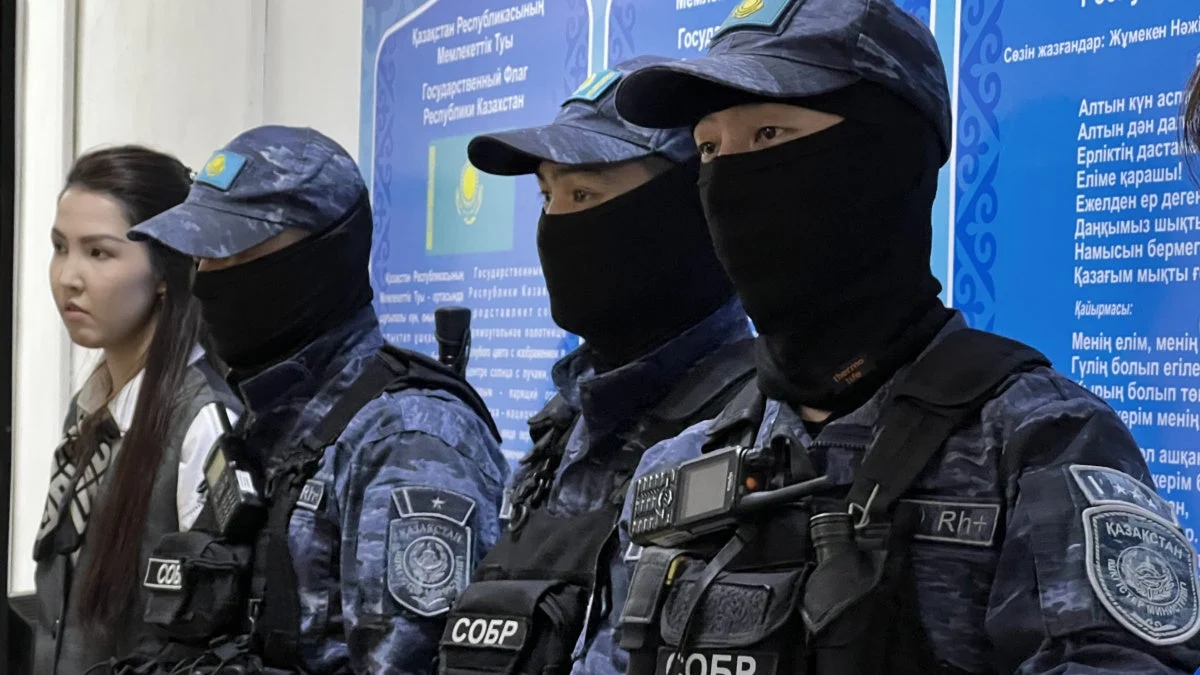
In a ruling that has sent shockwaves through the Central Asian human rights community, a Kazakh court has convicted 19 citizens for their participation in a peaceful demonstration targeting Chinese government policies in the Xinjiang region. The verdict, delivered in the wake of significant diplomatic pressure from Beijing, represents one of the most severe crackdowns on anti-China dissent in Kazakhstan’s modern history. The defendants, all members or associates of the Nagyz Atajurt Volunteers Group, were prosecuted under charges that international observers have long characterized as tools for political suppression.
The judicial decision follows a high-profile protest held in November 2025, during which activists gathered to condemn what they described as systematic human rights abuses in Xinjiang, including mass detentions, forced labor, and cultural erasure. The court’s decision to impose lengthy prison terms highlights a shifting tide in Almaty’s handling of domestic dissent, particularly when such activism threatens the nation’s strategic and economic partnership with the People’s Republic of China.
Judicial Ruling and the Nature of Sentencing
The sentencing phase of the trial concluded with heavy penalties for the majority of the defendants. According to detailed media reports and legal filings, 11 of the activists were sentenced to five years of imprisonment. The primary charge leveled against them was "inciting discord," a felony under the Kazakh criminal code that has frequently been criticized by the United Nations for its lack of legal precision.
Among those sentenced to five-year terms, two women received a deferment of their sentences. This legal allowance was granted due to the defendants having small children, though the convictions remain on their permanent records. For the remaining eight defendants, the court opted for "restricted freedom," a form of non-custodial sentence that imposes strict limitations on movement, requires regular reporting to authorities, and often includes a curfew.
Furthermore, the court issued a comprehensive three-year ban on all 19 defendants, prohibiting them from engaging in any form of public or political activity. This includes participating in rallies, joining political organizations, or utilizing social media for advocacy purposes. Legal experts suggest that this "civil death" clause is intended to dismantle the leadership of the Nagyz Atajurt Volunteers Group and deter other organizations from similar activism.
The Genesis of the Protest: The Case of Alimnur Turganbay
The demonstrations that led to these arrests were catalyzed by the specific case of Alimnur Turganbay, a Kazakh citizen originally from Xinjiang. Turganbay was reportedly detained by Chinese security forces in July 2025 under circumstances that remain opaque. Despite his Kazakh citizenship, Chinese authorities have held him on unknown grounds, leading to fears among his family and the wider diaspora that he has been caught in the "re-education" system that has targeted millions of ethnic minorities in western China.
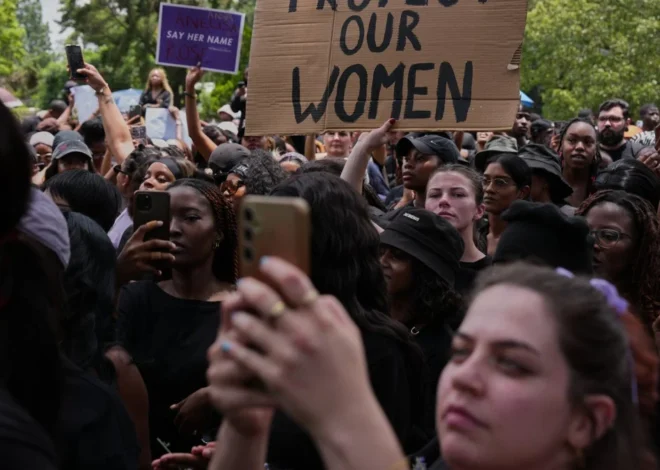
During the November 2025 protest, activists from the Nagyz Atajurt Volunteers Group gathered to demand his immediate release. The group, which has been instrumental in documenting the disappearances of ethnic Kazakhs in Xinjiang, utilized the protest to draw international attention to the broader "crimes against humanity" reported by organizations such as Human Rights Watch. The demonstration took a provocative turn when participants burned Chinese flags and a portrait of President Xi Jinping—acts that, while protected under free speech norms in many democratic nations, are viewed as severe provocations by both the Chinese and Kazakh governments.
Chronology of the Diplomatic and Legal Crackdown
The timeline of events suggests a direct correlation between Chinese diplomatic intervention and the subsequent escalation of legal action by Kazakh authorities.
- July 2025: Alimnur Turganbay is detained by Chinese authorities while in Xinjiang.
- November 2025: Activists hold a peaceful but provocative protest in Almaty, calling for Turganbay’s release and condemning Chinese policies.
- Late November 2025: One day after the protest, the Chinese consulate in Almaty issues a formal statement urging Kazakh authorities to "take appropriate measures" to address the incident and protect the dignity of Chinese national symbols.
- December 2025: Local authorities initiate a criminal investigation, moving away from the typical administrative fines or short-term detentions used in the past.
- Early 2026: The trial of the 19 activists begins, culminating in the recent sentencing.
This sequence indicates that the Kazakh government’s decision to pursue criminal charges was likely influenced by the need to appease its neighbor and largest trading partner.
The Legal Tool of Suppression: Article 174 and "Inciting Discord"
The use of the charge "inciting discord" (often referred to as Article 174 of the Criminal Code) is a recurring point of contention between Kazakhstan and international human rights bodies. The United Nations Human Rights Committee has repeatedly expressed concern that the law’s vague language allows the state to criminalize legitimate political dissent and criticism of government policy.
In this specific case, the prosecution argued that the burning of the Chinese flag and the portrait of President Xi constituted an act that could incite social or national discord. However, defense attorneys and rights monitors argue that the protest was directed at the policies of a foreign government, not at any specific ethnic or social group within Kazakhstan. The heavy-handed application of this law in the context of the Atajurt activists marks the first time such a large group has been subjected to significant prison time for Xinjiang-related advocacy.
Socio-Political Context: The Plight of Ethnic Kazakhs in Xinjiang
To understand the intensity of the protests, one must consider the demographic and historical ties between Kazakhstan and Xinjiang. Kazakhstan shares a 1,700-kilometer border with China and serves as home to one of the largest Uyghur and ethnic Kazakh diasporas in the world.
Since 2016, the Chinese government has intensified its crackdown in Xinjiang, citing "anti-extremism" as the justification for a vast network of detention centers. Ethnic Kazakhs, many of whom have family members across the border, have been caught in this net. Beijing has specifically targeted individuals with "foreign ties," which includes anyone who has visited or has relatives in a list of "26 sensitive countries," of which Kazakhstan is a prominent member.
The Nagyz Atajurt Volunteers Group emerged as a response to this crisis, providing a platform for families to share testimonies of their missing relatives. For years, the Kazakh government attempted to balance the concerns of its citizens with its diplomatic needs, often engaging in quiet diplomacy to secure the release of some detainees. However, the recent mass conviction suggests that the era of "quiet diplomacy" may be giving way to active suppression of those who speak out.
Economic Interdependence and the Belt and Road Initiative
The harshness of the sentences cannot be viewed in isolation from the economic realities of the region. Kazakhstan is a central pillar of China’s Belt and Road Initiative (BRI), serving as the "buckle" in the land-based economic belt that connects Chinese factories to European markets.
China is Kazakhstan’s largest trading partner, with bilateral trade reaching record highs in recent years. Beijing has invested billions into Kazakh infrastructure, including oil pipelines, railways, and the Khorgos Gateway dry port. This economic dependence grants China significant leverage over Astana’s internal policies. Analysts suggest that the Kazakh government views anti-China sentiment as a direct threat to its economic stability and its primary source of foreign investment. By silencing the Atajurt activists, the government is signaling to Beijing that it remains a reliable and controlled partner.
Transnational Repression and the Chilling Effect on Civil Society
The conviction of these 19 individuals is a textbook example of "transnational repression"—a phenomenon where a government reaches across borders to silence critics. While the arrests were carried out by Kazakh police and the sentences handed down by a Kazakh judge, the impetus originated in Beijing.
This development creates a "chilling effect" on civil society within Kazakhstan. Previously, activists faced 15-day detentions or modest fines for unauthorized protests. The jump to five-year prison terms for "inciting discord" dramatically raises the stakes for any citizen wishing to voice concerns regarding Xinjiang. It effectively draws a "red line" around any criticism of China, signaling that the Kazakh state will no longer provide a safe haven for those advocating for the rights of ethnic minorities in the PRC.
International Human Rights Obligations and Future Implications
The international community, including the European Union and the United States, has frequently called on Kazakhstan to reform its laws regarding public assembly and "inciting discord." The recent trial is expected to further strain Kazakhstan’s reputation as a reforming state under the "Listening State" policy promoted by the current administration.
As the 11 activists begin their prison terms and the others navigate the restrictions of their "restricted freedom," the future of human rights advocacy in Central Asia appears increasingly precarious. The Nagyz Atajurt case serves as a stark reminder of the challenges facing small nations positioned between global superpowers. For the families of those detained in Xinjiang, the message is equally grim: their own government, once a source of hope for diplomatic intervention, has now become an active participant in the suppression of their voices.
In the coming months, international legal bodies and human rights monitors are expected to review the trial’s proceedings, with some advocates calling for targeted sanctions against those involved in the prosecution. However, with the geopolitical landscape favoring regional stability and economic cooperation, the 19 activists of Almaty remain the latest casualties in a complex struggle for human rights and national sovereignty.

Related Posts

Human Rights Watch Calls for Investigation into Death of Detainee Following Removal from Najaf Hospital by Iraqi Drug Police
Human Rights Watch Urges UN Security Council to Extend Lebanon Peacekeeping Mission Amid Escalating Conflict and Humanitarian Crisis