Systemic Deficiencies in Government Oversight Allowed Substandard Materials in Hong Kong’s Deadliest Fire in Decades
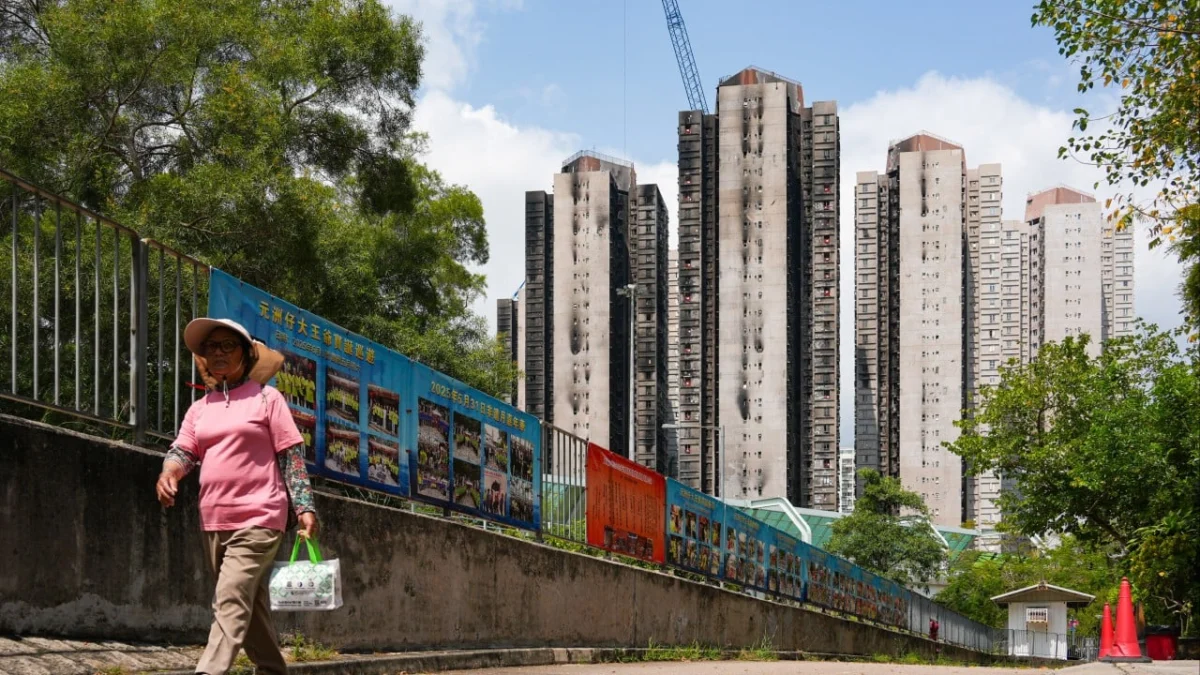
The catastrophic fire that ravaged Wang Fuk Court in Tai Po last November, claiming 168 lives and becoming Hong Kong’s deadliest blaze in decades, was exacerbated by systemic failures in government supervision that allowed contractors to conceal the use of substandard building materials. This damning assessment emerged during the initial evidential hearings of a public inquiry, which commenced on Thursday to determine responsibility for the inferno that engulfed seven of the estate’s eight residential blocks over a harrowing 43-hour period.
The independent committee, chaired by a judge, was presented with an opening statement by its leading senior counsel, Victor Dawes, which painted a grim picture of a supervisory framework riddled with "human factors" and a dangerous lack of accountability. Dawes highlighted a disturbing scenario where multiple government departments – the Labour Department, the Fire Services Department, and the Housing Bureau’s Independent Checking Unit (ICU) – each disclaimed responsibility for ensuring that materials used in the HK$336 million renovation project met stringent fireproof standards. This jurisdictional ambiguity, it appears, created a critical loophole exploited by contractors.
The inquiry heard that when persistent complaints from residents finally spurred authorities to conduct inspections, the contractor, allegedly forewarned, engaged in a deceptive practice. Instead of rectifying the widespread use of combustible protective nets, they selectively replaced a portion of these substandard materials with fire-retardant ones, creating a false impression of compliance. Dawes poignantly questioned the security and efficacy of a city renowned for its advanced infrastructure, asking, "Why would such a major fire happen in Hong Kong… and why hadn’t the government and contractors been notified of the series of failures and mistakes?" He concluded with a stark pronouncement: "This fire has revealed unacceptable systemic failings that cannot be overlooked."
The Unfolding Tragedy: A Timeline of Neglect and Fire
The events leading up to and during the Wang Fuk Court inferno underscore a concerning chronology of oversights. While specific dates for the commencement of the renovation project and the exact period during which the substandard materials were allegedly procured and installed are still under detailed investigation, the inquiry’s initial revelations suggest a prolonged period of inadequate oversight.
Pre-Fire Period:
- Renovation Project: A significant renovation project, valued at HK$336 million, was undertaken at Wang Fuk Court. The exact scope and purpose of this project are crucial to understanding the context of the materials used. It is understood that the renovation involved upgrades to fire safety systems and potentially other structural or aesthetic improvements.
- Material Procurement and Installation: During this renovation phase, contractors allegedly sourced and installed combustible protective nets. These materials, critical for fire containment and safety, were later identified as not meeting the required fireproof standards.
- Systemic Oversight Deficiencies: The inquiry has pointed to a fundamental breakdown in the supervisory roles of the Labour Department, the Fire Services Department, and the Housing Bureau’s Independent Checking Unit (ICU). Each department appears to have operated under the assumption that fire safety material compliance was the responsibility of another, creating a vacuum where substandard materials could be introduced and remain undetected.
- Resident Complaints: Over an unspecified period, residents of Wang Fuk Court began lodging complaints regarding the renovation work and potential safety concerns. The nature and frequency of these complaints are expected to be a significant focus of the inquiry.
The Inferno and Immediate Aftermath:
- November 26th (Last Year): The inferno broke out at Wang Fuk Court. The precise ignition point and cause of the initial blaze are still under investigation, but the rapid spread and intensity of the fire were directly linked to the compromised fire safety measures.
- 43-Hour Blaze: The fire raged for an unprecedented 43 hours, consuming seven of the eight residential blocks. Firefighting efforts were severely hampered by the scale of the conflagration and the compromised structural integrity of the buildings.
- 168 Fatalities: The tragic loss of life reached 168 individuals, making it the deadliest fire in Hong Kong in decades and sending shockwaves through the community.
- Evacuations and Rescue Operations: Extensive evacuation and rescue operations were launched, with emergency services working under perilous conditions to save residents.
Post-Fire Investigations and Inquiry:
- Initial Inspections and Deception: Following the fire and subsequent media attention, authorities initiated inspections. The inquiry heard that the contractor, allegedly tipped off about these inspections, conducted a partial replacement of the substandard nets with fire-retardant ones. This act is being presented as evidence of an attempt to cover up prior negligence.
- Public Inquiry Launch: An independent, judge-led committee was established to conduct a thorough public inquiry into the blaze.
- Evidential Hearings Commence: The first series of evidential hearings began on Thursday, with Victor Dawes presenting the opening statement that detailed the systemic failures.
The Scale of the Disaster: Data and Impact
The Wang Fuk Court fire stands as a stark statistical anomaly in Hong Kong’s usually robust safety record. The loss of 168 lives is a number that dwarfs most other fire incidents in the city’s recent history. For context, the deadliest fire prior to this incident was the 1996 Garley Building fire, which claimed 41 lives. The sheer magnitude of the Wang Fuk Court tragedy underscores the severity of the systemic issues at play.
The HK$336 million renovation project, while intended to improve the estate, has become a symbol of how significant public funds can be mismanaged and how critical safety regulations can be circumvented. The economic cost of the fire extends beyond the renovation budget, encompassing the loss of homes, the cost of emergency response, and the long-term social and psychological impact on survivors and the wider community. The destruction of seven residential blocks has displaced hundreds of families, requiring significant government and community support for rehousing and rehabilitation.
Voices from the Inquiry and Beyond
While the inquiry is in its nascent stages, the statements made by Victor Dawes have set a clear tone. The emphasis on "systemic failings" and the direct challenge to the accountability of multiple government bodies suggest that the inquiry will delve deeply into bureaucratic shortcomings.
Key Stakeholders and Their Alleged Roles:
- Contractors: Accused of using substandard materials and allegedly attempting to cover up their negligence. Their actions are central to the inquiry.
- Labour Department: Responsible for workplace safety. Its role in overseeing the renovation project and ensuring compliance with safety regulations is under scrutiny.
- Fire Services Department: Tasked with fire prevention and response. Their oversight of fire safety measures during construction and renovation is being examined.
- Housing Bureau’s Independent Checking Unit (ICU): A body specifically designed to provide independent checks on building works. Its failure to identify the substandard materials is a critical point of inquiry.
- Residents: Their persistent complaints, which ultimately forced inspections, highlight their role as the initial whistleblowers who were seemingly ignored or inadequately addressed.
While no direct statements have been released by the implicated government departments following the initial hearing, it is expected that they will present their defense and explanations as the inquiry progresses. The public will be keenly awaiting their responses to the allegations of shirking responsibility and the implications of their alleged supervisory gaps.
Broader Implications: Rebuilding Trust and Reinforcing Safety
The revelations from the Wang Fuk Court fire inquiry carry profound implications for Hong Kong’s governance and its citizens’ trust in public institutions. The concept of "systemic defects" suggests that this was not an isolated incident of negligence but rather a breakdown in the very fabric of government oversight.
Key areas of impact and potential reform include:
- Accountability and Jurisdiction: The inquiry’s primary objective will be to assign accountability. The ambiguity in jurisdiction among government departments must be clarified to prevent future instances of responsibility being passed around. This could lead to a restructuring of departmental responsibilities or the creation of a dedicated oversight body.
- Procurement and Quality Control: The investigation into material procurement will likely lead to a review of regulations governing the sourcing and testing of building materials, particularly those related to fire safety. Stricter penalties for non-compliance and more rigorous independent testing protocols may be implemented.
- Whistleblower Protection and Complaint Mechanisms: The inquiry must examine how resident complaints were handled. Strengthening mechanisms for reporting and addressing public concerns, coupled with robust whistleblower protection, will be crucial in preventing future tragedies.
- Transparency and Public Trust: The thoroughness and impartiality of the inquiry will be vital in restoring public trust. Transparent reporting of findings and clear action plans for reform are essential to demonstrate that the government is committed to learning from this devastating event.
- Urban Planning and Fire Safety Standards: The incident may also prompt a broader review of Hong Kong’s urban planning policies and fire safety standards, particularly for older residential buildings undergoing renovations.
The Wang Fuk Court fire serves as a somber reminder that even in a highly developed city, complacency and systemic weaknesses can have devastating human consequences. The public inquiry’s findings will undoubtedly shape future policies and practices, aiming to ensure that such a catastrophic loss of life due to preventable failures is never repeated. The road to recovery for the affected community will be long, but the pursuit of truth and accountability through this inquiry is a critical step in that journey.