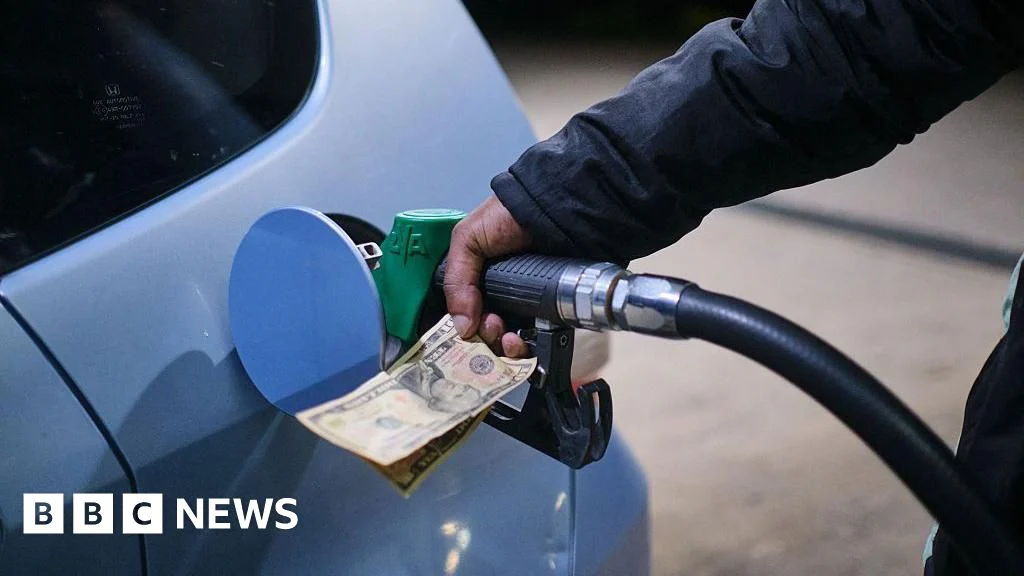
Rationing power and diluting petrol – how African countries are coping with effects of Iran war
African nations are confronting a severe energy crisis, marked by power rationing, fuel shortages, and escalating prices, all direct consequences of the intensifying conflict between the United States and Israel and Iran. This geopolitical turmoil, primarily impacting global oil supplies and shipping routes, has sent ripple effects across the continent, forcing governments to implement drastic measures to preserve dwindling energy reserves and mitigate economic fallout. From the power grid instability in Juba to the diluted petrol in Harare, the distant war is manifesting as an immediate, tangible hardship for millions.
The Geopolitical Quake: Understanding the Iran War’s Global Energy Impact
The current energy crisis gripping parts of Africa stems from the escalating conflict in the Middle East, specifically involving the US, Israel, and Iran. While the specific nature and timeline of this conflict remain fluid, its primary impact on global energy markets has been a sharp increase in crude oil prices and significant disruptions to vital shipping lanes. The Strait of Hormuz, a narrow waterway between the Persian Gulf and the Gulf of Oman, is a critical choke point for global oil transit, through which a substantial portion of the world’s seaborne oil passes daily. Any instability or threat to shipping in this region, or disruptions to Iranian oil exports, inevitably triggers global price surges and supply anxieties. Furthermore, heightened tensions in the broader Middle East often lead to increased insurance premiums for shipping, longer transit times due to re-routing, and overall supply chain inefficiencies, all of which translate into higher costs for importing nations. For African countries, many of which are heavily reliant on imported refined petroleum products for transport, electricity generation, and industrial activity, these global tremors quickly become local earthquakes. The continent’s diverse economies, already grappling with pre-existing challenges like inflation, debt, and infrastructure deficits, are particularly vulnerable to such external shocks.
Immediate Fallout: Power Rationing and Energy Emergencies
The most immediate and stark consequences of the fuel crisis are manifesting in countries like South Sudan and Mauritius, which have been compelled to impose severe restrictions on electricity consumption.
South Sudan’s Oil Paradox: In Juba, the capital of South Sudan, the main electricity distributor, Jedco, announced on Wednesday that parts of the city would begin experiencing daily power cuts on a rotational basis. The company explicitly linked these measures to the "ongoing Iran-US conflict," stating that it must "proactively manage its available energy reserves" and was "prioritising a strategic rationing of power." This situation is particularly ironic and challenging for South Sudan, which boasts some of East Africa’s largest crude oil reserves. However, the vast majority of this crude is exported, while the nation remains dependent on imports for refined petroleum products necessary for its domestic energy needs. According to the International Energy Agency, a staggering 96% of South Sudan’s electricity is generated from oil. The new rationing comes on top of intermittent power cuts that have plagued Juba since May of the previous year, attributed to maintenance operations.
Ereneo Mogga, an electrical engineer residing in one of Juba’s most affected areas, shared his daily reality with the BBC, explaining that power often ceases at 16:00 and does not resume until 04:00 the following day. "This paralyses most businesses," Mogga lamented, highlighting the severe disruption to commerce and daily life. He noted that some businesses and affluent households are increasingly turning to solar power as an alternative, despite its prohibitive upfront cost. "It is very expensive though, but it costs less in terms of consumption," he added, underscoring the desperate search for reliable energy solutions in a crisis-ridden environment. The economic implications are profound, with small and medium-sized enterprises (SMEs) struggling to maintain operations, leading to potential job losses and a slowdown in economic activity. The lack of consistent power also impacts essential services, from healthcare facilities needing refrigeration for medicines to educational institutions requiring lighting for evening studies.
Mauritius’s Island Vulnerability: Far from the mainland, the island nation of Mauritius faces an even more precarious situation due to its heavy reliance on oil imports for generating electricity. The recent fuel shortage has triggered what the government describes as an energy emergency. A critical shipment of oil, expected to arrive over the weekend, failed to materialise, leaving the country with a mere 21 days of fuel stock. This short supply margin underscores the extreme vulnerability of island economies to disruptions in global supply chains.
Energy Minister Patrick Assirvaden addressed the nation on Monday, detailing efforts to secure alternative fuel supplies. He announced that the government had managed to obtain new shipments from Singapore, with the first due to arrive on April 1st, and additional supplies later in the month. However, these emergency procurements come at a significantly higher cost, which will inevitably translate into increased electricity tariffs for consumers and businesses, further fueling inflationary pressures across the island. The sudden scarcity threatens not only daily life but also the vital tourism sector, a cornerstone of Mauritius’s economy, which relies heavily on stable energy supplies.
Coping Mechanisms: Dilution, Prioritization, and Tax Adjustments
Across the continent, various governments are implementing diverse strategies to cope with the escalating fuel crisis, ranging from altering fuel composition to adjusting fiscal policies.
Zimbabwe’s Ethanol Boost: In Zimbabwe, authorities have announced plans to increase the amount of ethanol blended into petrol, from the current 5% to 20%. This measure, commonly known as "diluting petrol" in the context of extending fuel supplies, aims to make the country’s existing fuel reserves last longer and reduce reliance on expensive imported petroleum. Zimbabwe is a significant producer of ethanol from sugarcane, making this a domestically viable solution. Alongside this, the government has also moved to scrap some taxes on fuel imports, a fiscal intervention designed to mitigate the rapid rise in fuel prices, which have already surged by a staggering 40% in less than a month.
These economic pressures are keenly felt by ordinary citizens. Nicole Mazarura, a street vendor in Harare who sells soft drinks from a push cart, shared her struggles with the BBC. She explained that while the prices of her goods have skyrocketed due to increased transport costs, she cannot raise her selling prices without losing customers. Consequently, she has to absorb the losses, significantly eroding her already thin profit margins. Her transport costs alone have doubled, varying depending on the time of day and the supplier’s location. "If transport costs go back to where they were, I can survive," she articulated, highlighting the direct link between fuel prices and the viability of small businesses. The move to increase ethanol blending, while offering some relief, also raises concerns about its impact on vehicle performance and maintenance for older engines not optimized for higher ethanol concentrations.
Ethiopia’s Strategic Allocation: In Ethiopia, authorities have responded by issuing a directive for fuel supply companies to prioritize specific sectors. Security institutions, major government projects, key industries, and the manufacturing of essential goods are now at the top of the allocation list. The Ethiopian Oil and Energy Authority’s measures, announced last week, also mandate petrol stations to prioritize public transport, a move aimed at keeping essential services and public movement operational. These restrictions are a clear indication of a national effort to conserve fuel and ensure its availability for critical functions.
The situation is particularly dire in the Tigray region, where existing fears of a return to civil war compound the energy crisis. Authorities in Tigray have announced a complete suspension of fuel supplies, a decision that could have severe humanitarian consequences and further destabilize an already volatile region. Such measures underscore how global geopolitical events can exacerbate local conflicts and vulnerabilities.
Kenya’s Supply Chain Tensions: In Kenya, approximately 20% of petrol stations are reportedly experiencing supply shortages. An association representing petroleum outlets in the country has attributed this to high demand driven by panic buying, leading to rapidly dwindling stock levels. This phenomenon, where consumers hoard fuel in anticipation of further shortages or price hikes, often worsens the crisis by accelerating demand.
However, Kenya’s energy ministry offered a contrasting view. On Wednesday, Minister Opiyo Wandayi denied the existence of a fuel shortage, instead accusing retailers of hoarding the commodity in anticipation of higher prices. He urged Kenyans not to engage in panic buying, attempting to calm public anxiety and prevent speculative practices by distributors. Vivo Energy Kenya, a major distributor of Shell products, acknowledged "temporary stock-outs" at some of its service stations due to increased demand, stating it was monitoring the situation and working to ensure supplies. This divergence in narratives highlights the challenges governments face in managing public perception and market behavior during a crisis.
Uganda’s Assurances: Neighboring Uganda has also faced reports of fuel shortages. The government has sought to reassure citizens that measures are being taken to ensure sufficient fuel supplies. Simultaneously, it has issued stern warnings to fuel distributors against increasing prices, aiming to prevent profiteering during a period of scarcity. Such interventions, while intended to protect consumers, can sometimes distort market mechanisms if not carefully managed.
Broader Economic and Logistical Implications: Winners and Losers
While many African nations grapple with the adverse effects, the crisis also presents a complex interplay of challenges and potential opportunities, particularly for those with significant natural resources or strategic geographic locations.
South Africa’s Resilience and Port Opportunities: South Africa, a regional economic powerhouse, has maintained that its immediate fuel supply remains stable. An official government statement on Thursday affirmed, "South Africa’s fuel supply remains stable in the immediate term, and there is no basis for panic buying." However, officials also issued a cautionary note, warning that a prolonged conflict could indeed affect availability and prices in the coming months.
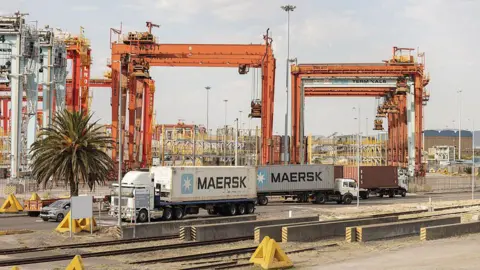
Intriguingly, the re-routing of global shipping traffic away from the volatile Red Sea and Strait of Hormuz could present a unique economic opportunity for southern and eastern African ports. As vessels avoid the Suez Canal and opt for the longer route around the Cape of Good Hope, ports such as Walvis Bay in Namibia, Cape Town and Durban in South Africa, Maputo in Mozambique, and Dar es Salaam in Tanzania are experiencing an increase in traffic. Timothy Walker, a Senior Researcher at the Institute for Security Studies, observed this trend, telling the BBC, "The new longer routes are going to put increasing pressure on many of the offshore port areas in southern Africa – Walvis Bay, Cape Town, Durban, Maputo, Dar es Salaam." He elaborated that "ships will potentially be looking to stop there and resupply themselves, pick up new food supplies or new crew," indicating a potential boost for port services, logistics, and related industries in these regions. This shift, however, also demands robust port infrastructure and efficient customs procedures to handle the increased volume effectively.
Nigeria’s Potential Windfall and Domestic Challenges: As Africa’s second-largest oil producer, Nigeria finds itself in a paradoxical position. While many nations suffer from higher oil prices, Nigeria could potentially benefit from them. The country has already offered to pump more oil to help meet global demand, a move that could significantly boost its foreign exchange earnings and government revenues. Given its vast reserves and production capacity, Nigeria stands to gain from any sustained upward pressure on crude oil prices.
However, as Dumebi Oluwole, a lead economist from Lagos specializing in oil, cautioned the BBC, these benefits may not immediately trickle down to ordinary citizens. "Even if the government and oil companies earn more revenue," Oluwole explained, "ordinary people may not feel the benefit immediately because if international petrol prices rise, transport costs increase everywhere." This highlights the disconnect between crude oil export revenues and the cost of refined petroleum products, which Nigeria largely imports. The inflationary impact of higher transport costs on essential goods and services could negate any potential gains for the average Nigerian, underscoring the complexities of oil wealth in resource-rich nations.
A Continent on Edge: The Path Forward
The "Iran war," albeit distant, has unequivocally demonstrated Africa’s deep interconnectedness with global energy markets and geopolitical stability. The continent’s diverse responses – from emergency rationing and policy adjustments to the unexpected opportunities for strategic ports and oil producers – paint a complex picture of resilience, vulnerability, and adaptation. The crisis underscores the urgent need for African nations to diversify their energy sources, invest in renewable technologies, and strengthen regional energy infrastructure to reduce their reliance on volatile global oil markets. While some countries may find temporary relief or even benefit from the shifting global energy landscape, the overarching challenge remains clear: to build more robust, self-sufficient, and sustainable energy systems that can withstand the shocks of future geopolitical events. The current predicament serves as a stark reminder that peace in one corner of the world can directly influence prosperity in another, and that Africa, despite its geographic distance, remains firmly tethered to the pulse of global stability.

Related Posts
US launches fresh strikes on Iran, as Trump warns of retaliation for deaths of soldiers
US Imposes Sweeping 50% Tariffs on Canadian Goods, Citing "Unequal Treatment" in Major Trade Escalation