Iranian press review: Reports of US backchannel to Ghalibaf cause backlash in Tehran
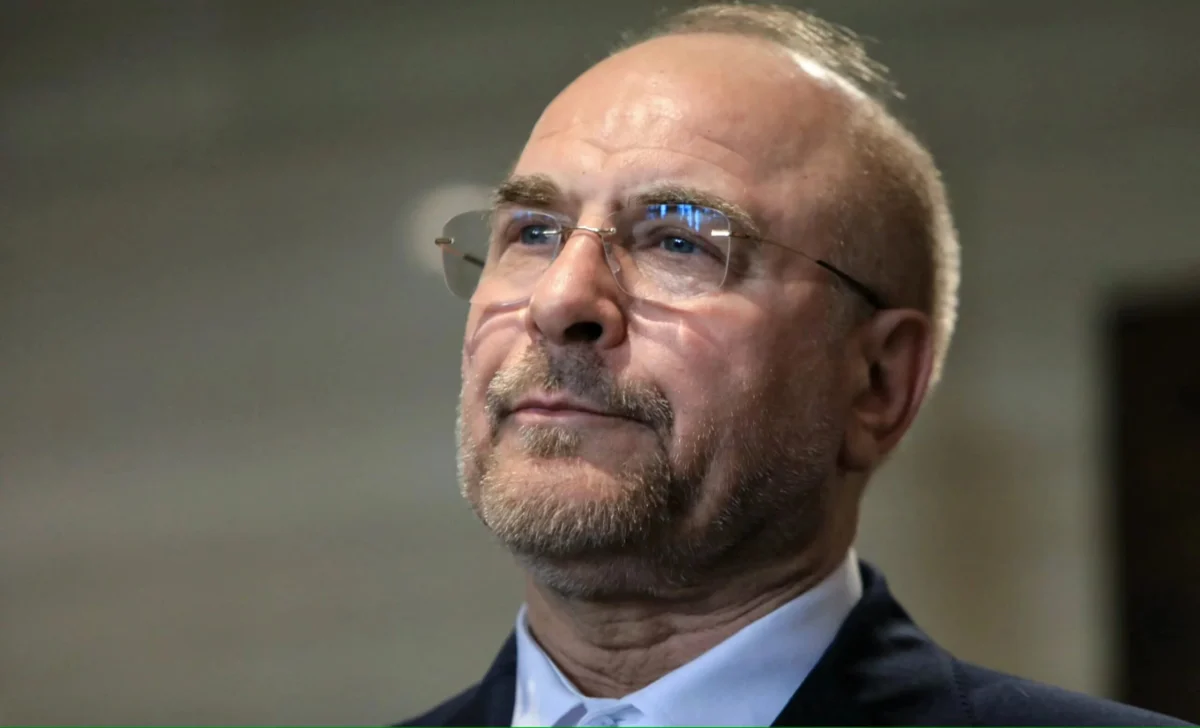
Reports circulating about potential negotiations between the United States and Mohammad Bagher Ghalibaf, Iran’s Parliamentary Speaker, coupled with speculation regarding President Donald Trump’s possible backing for his ascension within Iran’s power structure, have ignited a firestorm of criticism and widespread backlash among Iranians, highlighting deep-seated public distrust and exposing the complex internal dynamics of the Islamic Republic during a period of intense external pressure. These diplomatic rumours unfold as a reported US-Israeli military campaign against Iran enters its fourth week, bringing with it a burgeoning humanitarian crisis, particularly for cancer patients, and drawing international condemnation for attacks on critical national infrastructure and the scientific community, while concurrently, exiled opposition figure Reza Pahlavi faces online derision for perceived political missteps.
Allegations and Backlash: The Ghalibaf Controversy
Mohammad Bagher Ghalibaf, a figure long entrenched in Iran’s political and military establishment, has consistently been a lightning rod for controversy. His career trajectory spans critical roles, from a senior commander in the Islamic Revolutionary Guard Corps (IRGC) to Tehran’s Mayor for 12 years, and currently, the Speaker of Parliament. It is this extensive and often contentious past that fuels the public outcry against any suggestion of US engagement with him. Ghalibaf’s direct involvement in the violent suppression of the 1999 student movement, an event etched into the collective memory of many Iranians as a brutal crackdown on dissent, remains a significant stain on his human rights record. Critics frequently recall his open boasts about being part of the forces that quelled the protests, a stance viewed by many as an endorsement of state violence against its own citizens.
Beyond his security background, Ghalibaf’s tenure as Mayor of Tehran (2005-2017) was marred by persistent and widespread allegations of corruption. These claims ranged from questionable land deals and property transfers to financial irregularities involving his close associates and family members. Journalists and activists have repeatedly pointed to an opaque network of financial dealings, including controversies surrounding his wife’s charity activities and his sons’ alleged involvement in property and residency issues abroad, painting a picture of systemic graft. For many Iranians, who grapple with economic hardship and official corruption, Ghalibaf embodies the very cronyism they decry.
The mere mention of Ghalibaf as a potential negotiator with Washington, despite Tehran’s official denials of any such talks, has therefore triggered a visceral reaction on social media platforms. Iranian journalist Ata Mohammad Tabrizi, based in Turkey, succinctly captured a prevalent sentiment when he posted on X, describing Ghalibaf as “one of the most corrupt and opportunistic figures in the Islamic Republic.” Similarly, Maryam Moghadam, another journalist, explicitly linked Ghalibaf and his family to multiple corruption cases, further solidifying public perception of his compromised integrity. This widespread condemnation underscores a deep public yearning for accountability and a rejection of any foreign endorsement of figures perceived as oppressive or corrupt.
Adding another layer of complexity to the Ghalibaf narrative, Reuters, citing a Pakistani source, reported on Thursday that Israel had removed Ghalibaf and Iranian Foreign Minister Abbas Araghchi from its "hit list" following a request from Pakistan to Washington not to target them. While unconfirmed by official Israeli or US sources, this report, if accurate, would imply a level of intelligence and strategic consideration concerning Ghalibaf by external powers, further fuelling speculation about his perceived importance and the intricate geopolitical manoeuvring at play. The implications of any potential US engagement with Ghalibaf are significant: it risks undermining US credibility among the Iranian populace, who might perceive such a move as endorsing a figure associated with repression and corruption, thereby alienating potential allies among the Iranian opposition and civil society. It also highlights the challenging calculus for any diplomatic overture amidst escalating regional tensions.
A Nation Under Strain: Humanitarian Crisis Amidst Conflict

As the reported US-Israeli military campaign against Iran progresses into its fourth week, the humanitarian consequences are escalating, putting immense pressure on Iran’s already strained healthcare system. The Shargh daily, a prominent Iranian newspaper, has highlighted the severe challenges faced by cancer patients, including a distressing scarcity of hospital beds and vital medicines, coupled with rapidly rising treatment costs. This crisis is exacerbated by the broader impact of the conflict, which has reportedly led to a significant number of casualties.
According to Hrana, a US-based human rights group, the conflict has resulted in over 2,500 fatalities and more than 5,000 wounded across Iran since its commencement. These casualty figures place an extraordinary burden on healthcare infrastructure and personnel, leading to overcrowding and resource depletion. Even as hospital cancer wards remain operational, the ripple effects of the conflict, including disrupted supply chains and economic instability, have translated into soaring drug prices and acute shortages of critical medications, particularly for specialized cancer treatments like chemotherapy and targeted therapies. Patients report being forced to travel extensively, or even forgo essential treatment, due to the unavailability of specific drugs or the prohibitive costs.
The fear among patients is palpable and deeply personal. One patient interviewed by Shargh daily articulated a profound anxiety: "I’m afraid something might happen to my doctor. What if the hospital where I get chemotherapy is bombed? If that happens, it will be very hard to find another doctor or hospital and continue my treatment." This sentiment reflects a pervasive fear stemming from reports that hospitals, clinics, and other health centres have been hit in the ongoing attacks, raising serious concerns about adherence to international humanitarian law, which strictly prohibits targeting medical facilities. The long-term implications of such disruptions are dire, potentially leading to increased mortality rates from treatable cancers and a widespread deterioration of public health across the nation. International bodies like the World Health Organization (WHO) have, in similar conflict zones, frequently called for unimpeded access to humanitarian aid and protection of medical infrastructure, underscoring the universal urgency of this situation.
Targeting Infrastructure and Intellect: Economic and Strategic Implications
The reported strike on Iran’s section of the South Pars gas field, the world’s largest natural gas field shared with Qatar, has drawn sharp criticism from a diverse array of opposition figures, who view it as a direct assault on the nation’s economic lifeline and a broader strategy to destabilize the country. The South Pars field is not merely an energy source; it is a cornerstone of Iran’s economy, accounting for a significant portion of its GDP and export revenues. Its joint development with Qatar underscores its regional and global strategic importance in the energy sector.
Peyman Jafari, a researcher specializing in contemporary Iranian history, articulated a common concern, telling Radio Zamaneh that the attack reveals what he perceives as the true objective of the conflict. “This is not about regime change,” Jafari stated. “They want to damage Iran’s economic base and push the country toward social collapse.” This analysis suggests a calculated strategy to dismantle Iran’s economic foundations, rather than merely targeting military assets, thereby weakening the state’s capacity to govern and potentially fomenting internal unrest.
Ezzat Dolatabadi, a former employee at the gas complex, underscored the immense human effort and national investment embedded in the infrastructure. He lamented that the strike effectively destroys years of painstaking work by Iranian experts and labourers. “This was not built overnight, and it cannot be rebuilt overnight after destruction or occupation,” Dolatabadi remarked on Facebook, highlighting the long-term, devastating impact on Iran’s industrial capabilities and the livelihoods dependent on them. Such attacks not only cripple immediate production but also incur colossal reconstruction costs and significantly delay future economic development.
Further compounding the concerns are reports of the assassination of Iranian scientists by Israel, which has also drawn severe condemnation. Nazli Kamouri, a writer and researcher based in Canada, powerfully criticized these attacks, emphasizing that “Knowledge and infrastructure do not belong to the mullahs or the IRGC. They are the result of the work of engineers and workers.” This statement encapsulates the sentiment that such actions are an attack on the Iranian people’s collective intellectual capital and national heritage, rather than solely targeting the ruling establishment. The history of assassinations of Iranian nuclear scientists, often attributed to Israel, has consistently been viewed by Tehran as acts of state terrorism and violations of international law. These acts not only represent a profound loss of expertise but also sow fear within the scientific community, potentially leading to a brain drain and hindering Iran’s technological advancement. The broader implications of targeting critical civilian infrastructure and scientific personnel include a significant escalation of the conflict, increased regional instability, and a heightened risk of international legal repercussions for those responsible.

Reza Pahlavi: An Exile’s Struggle for Relevance
Amidst the escalating regional tensions and domestic crises, Reza Pahlavi, the son of Iran’s last Shah, has faced a wave of online mockery and sharp criticism, underscoring the complex and often unforgiving landscape of Iranian opposition politics. Pahlavi, who has publicly expressed support for Israel and the reported US-Israeli military actions against Iran, recently issued a series of public calls urging Iranians to observe end-of-year traditions such as Chaharshanbe Suri (the fire festival preceding Nowruz) and visiting graves before Nowruz, the Persian New Year.
These pronouncements quickly became targets of ridicule across social media platforms. Iranians widely perceived his calls as an attempt to claim credit for long-standing national customs that are deeply ingrained in Persian culture and are observed universally, irrespective of political or religious affiliation. The public reaction highlighted a profound disconnect between Pahlavi’s exiled leadership and the realities of everyday life and cultural practices within Iran.
The online mockery was swift and cutting. One user on X sarcastically declared, "That’s it, from now on I officially call him the ‘King of Confiscation.’ People have always been going to cemeteries at the end of the year, and they’re always crowded. Now he shows up and acts like he made them crowded." This sentiment reflects a widespread frustration with figures perceived as out of touch or attempting to co-opt cultural heritage for political gain. Another user, in a widely shared video, humorously quipped using the popular hashtag “Neither to [religious] leadership, nor to Pahlavi” – a slogan that captures the desire of many Iranians to reject both the current clerical establishment and the former monarchy. The user joked, "Give him two days more and he’ll say if you support me, go visit your family for the New Year. After that, he’ll probably say take the Islamic Republic flag and go to the streets." A third user, Mahdieh Golroo, wrote with evident sarcasm, “So the New Year is also happening because of your call. Great. Maybe also tell people to eat Sabzi Polo with fish and set up the Haft-Seen table, just to make sure everything gets done.”
This widespread mockery underscores the significant challenges Pahlavi faces in galvanizing broad support within Iran. His perceived alignment with external powers hostile to the Islamic Republic, coupled with what is seen as a superficial understanding of internal dynamics and cultural nuances, often alienates segments of the population who might otherwise be receptive to an alternative to the current regime. The “Neither to leadership, nor to Pahlavi” slogan itself is indicative of a deep-seated desire among many Iranians for a future that transcends the historical binaries of theocracy and monarchy, seeking a democratic and independent path free from perceived foreign influence. This incident further illustrates the fragmented and often contradictory nature of the Iranian opposition movement, struggling to present a unified and credible alternative to the current establishment.
In conclusion, the confluence of speculative diplomatic overtures, escalating military actions, a deepening humanitarian crisis, and the internal political struggles of opposition figures paints a grim and complex picture of Iran’s current trajectory. The controversy surrounding Ghalibaf highlights the deep mistrust among Iranians for figures perceived as corrupt and repressive, challenging the legitimacy of any external engagement with such individuals. The humanitarian toll of the conflict, particularly on vulnerable populations like cancer patients, underscores the urgent need for international intervention and adherence to humanitarian principles. Furthermore, attacks on vital economic infrastructure and the scientific community threaten to cripple Iran’s long-term development and escalate regional tensions. Simultaneously, the public’s swift rejection of Reza Pahlavi’s attempts to align himself with national traditions reveals the profound disconnect between exiled opposition and the lived realities of Iranians, suggesting that any future political transition will likely demand leaders who genuinely resonate with the nation’s diverse aspirations and deep-seated grievances. The interplay of these domestic and international pressures continues to shape a highly volatile and uncertain future for Iran.

Related Posts
Over 150 Israeli Settlers Storm Al-Aqsa Compound and Perform Prayers, Violating Status Quo Under Police Protection.
UN Report Highlights Over 900 Obstacles Hampering West Bank Aid Amid Escalating Humanitarian Crisis