Pentagon and Defense Industry Partners Quadruple THAAD Missile Seeker Production to Bolster Global Air Defense Capabilities
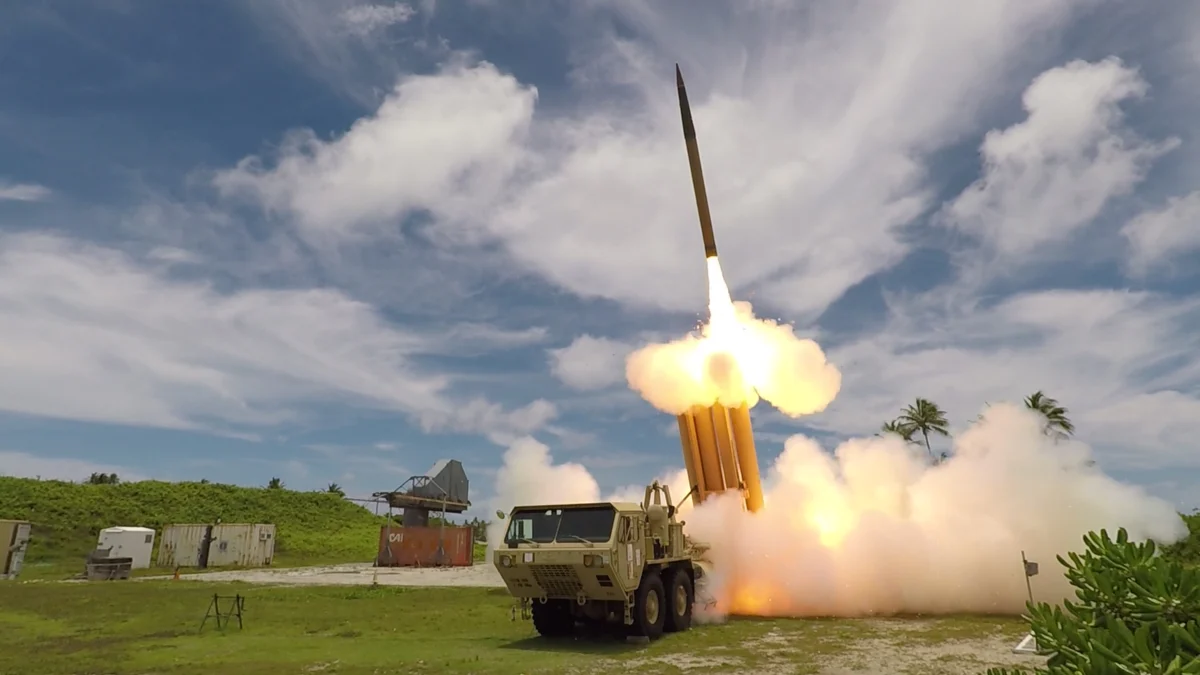
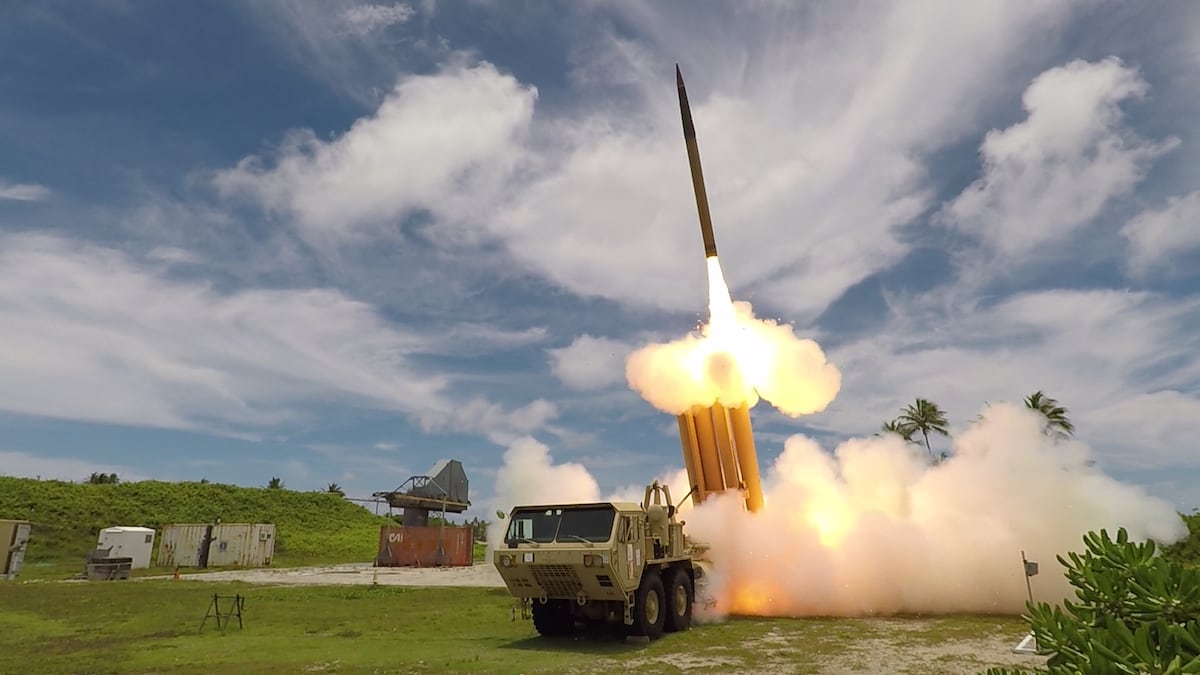
The United States Department of Defense has finalized a landmark agreement with BAE Systems and Lockheed Martin to quadruple the production of infrared seekers for the Terminal High Altitude Area Defense (THAAD) interceptor system, marking a significant escalation in the nation’s missile defense industrial capacity. Announced on Wednesday, the deal represents a pivotal shift in the Pentagon’s procurement strategy, moving toward a "wartime footing" to address evolving aerial threats in the Middle East and the Indo-Pacific. This multiyear agreement specifically targets the production of the sophisticated seeker technology required to track and neutralize high-speed ballistic missiles, ensuring that the critical "eyes" of the THAAD system are available in quantities that match the increased production of the interceptor airframes themselves.
The agreement serves as a necessary industrial follow-up to a framework established in January, where the Pentagon and Lockheed Martin agreed to increase the annual production of THAAD interceptors from 96 units to 400. By aligning the production of BAE Systems’ infrared seekers with Lockheed’s interceptor assembly, the Department of Defense aims to eliminate supply chain bottlenecks that have historically slowed the deployment of these high-demand defensive systems. Tom Arseneault, President and CEO of BAE Systems, emphasized that the seven-year contract provides the long-term stability required for the defense industry to invest heavily in specialized labor and infrastructure. The expansion will primarily take place at BAE Systems’ facilities in Nashua, New Hampshire, and Endicott, New York, reinforcing the domestic industrial base’s role in national security.
A Strategic Response to Shifting Threat Landscapes
The decision to dramatically scale THAAD production comes at a time of heightened regional instability, particularly following the events of Operation Epic Fury. During this period, the U.S. military and its allies faced unprecedented saturation attacks involving a mixture of low-cost unmanned aerial vehicles (UAVs) and high-end ballistic missiles. While THAAD is designed to intercept short-, medium-, and intermediate-range ballistic missiles during their terminal phase—either inside or just outside the atmosphere—the sheer volume of threats has tested the limits of existing stockpiles.
The Pentagon’s move to quadruple production is a direct acknowledgment that the current "just-in-time" manufacturing model for advanced munitions is insufficient for prolonged, high-intensity conflicts. Michael Duffey, the Under Secretary of Defense for Acquisition and Sustainment, noted that the agreement is intended to send a "stable, long-term demand signal" to the private sector. By guaranteeing seven years of high-volume orders, the government is incentivizing BAE Systems and Lockheed Martin to expand their cleanroom facilities, procure rare-earth materials in bulk, and hire the highly specialized engineering talent required for seeker assembly.
Technical Specifications and the Role of Infrared Seekers
The THAAD seeker is a marvel of modern aerospace engineering, serving as the guidance brain of the interceptor. Unlike traditional missiles that rely on explosive warheads to destroy targets through fragmentation, THAAD utilizes "hit-to-kill" technology. This means the interceptor must physically collide with the incoming ballistic missile to destroy it through kinetic energy alone. This approach minimizes the risk of detonating conventional or nuclear warheads prematurely and reduces the amount of debris that falls back to earth.
To achieve a direct hit, the seeker must operate with extreme precision. BAE Systems’ infrared (IR) seekers are designed to identify, lock onto, and track threats traveling at speeds of up to 17,000 miles per hour (Mach 22). These sensors must distinguish the heat signature of a warhead from decoy flares, atmospheric friction, and other infrared clutter. The ability to function both within the atmosphere (endo-atmospheric) and in the vacuum of space (exo-atmospheric) makes THAAD a unique "upper-tier" defense system, sitting above the lower-altitude Patriot (PAC-3) systems in a layered defense architecture.
The Economic and Industrial Timeline
The expansion of THAAD production is part of a broader, multi-phased effort by the Department of Defense to modernize the American defense industrial base. The chronology of these agreements highlights a rapid acceleration in procurement policy over the first quarter of 2026:
- January 6, 2026: The Pentagon and Lockheed Martin announce a seven-year deal to increase PAC-3 MSE (Patriot) interceptor production from 600 to 2,000 units annually.
- January 29, 2026: A framework agreement is signed to quadruple THAAD interceptor production from 96 to 400 per year.
- March 11, 2026: Concerns are raised by officials in Seoul regarding the potential shifting of THAAD batteries from South Korea to the Middle East due to the ongoing conflict with Iran, underscoring the global shortage of these units.
- March 24, 2026: Reports emerge regarding the Pentagon’s push for AI-driven targeting following a controversial strike in Iran, highlighting the need for more precise and high-volume defensive systems.
- March 25, 2026: The formal agreement with BAE Systems to quadruple seeker production is announced, completing the supply chain requirement for the THAAD expansion.
This timeline reflects a sense of urgency within the Department of War (as the Pentagon has been colloquially referred to in recent legislative sessions) to move away from peacetime acquisition cycles. The seven-year duration of these contracts is particularly notable, as it spans multiple budget cycles, providing a degree of insulation from political fluctuations in Washington.
The Attrition Dilemma: High-Cost Interceptors vs. Low-Cost Drones
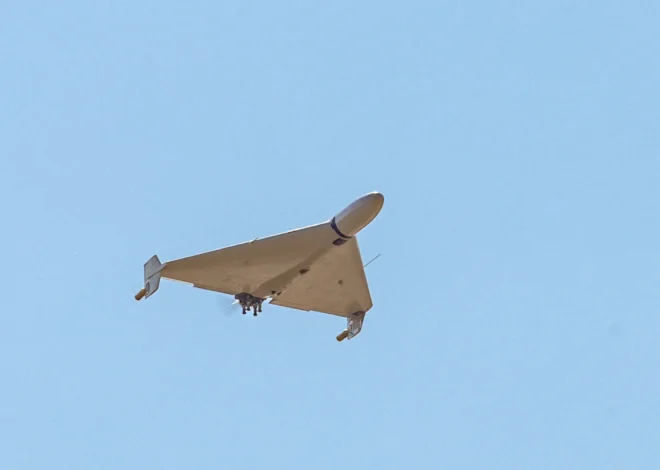
One of the most significant challenges facing the Pentagon is the lopsided cost exchange ratio of modern aerial warfare. While THAAD is primarily a defense against ballistic missiles, it exists within a theater where the primary threat is often a "swarm" of inexpensive drones. Data from Operation Epic Fury revealed a stark economic reality: Iran is reportedly capable of producing approximately 10,000 Shahed-series drones per month at an average cost of $35,000 per unit.
In contrast, a single PAC-3 interceptor costs approximately $4 million, and a THAAD interceptor is estimated to cost significantly more. This creates a cost-exchange ratio of roughly 114-to-1 in favor of the attacker when high-end interceptors are used to down low-end drones. Military analysts have warned that the U.S. and its allies could be "priced out" of a defensive war if they continue to use multi-million dollar missiles to destroy "lawnmowers with wings."
However, the Pentagon argues that the value of the THAAD system is not measured by the cost of the drone it hits, but by the value of the target it protects. A single ballistic missile hitting an aircraft carrier, a dense urban center, or a critical energy terminal could result in billions of dollars in damage and the loss of thousands of lives. By quadrupling production, the U.S. aims to reach a level of "defensive mass" where it can absorb and neutralize large-scale attacks without depleting its entire national stockpile in a matter of days.
Regional Implications and Global Demand
The increase in production capacity is also driven by international demand. Nations in the Middle East, including Saudi Arabia and the United Arab Emirates, have expressed continued interest in expanding their THAAD footprints following repeated missile attacks on their infrastructure. Similarly, in the Indo-Pacific, the presence of THAAD in Guam and South Korea remains a cornerstone of the U.S. strategy to deter regional adversaries.
In South Korea, the presence of THAAD has long been a point of geopolitical friction. Recent reports suggest that the war in the Middle East may force the U.S. to redeploy existing assets, a move that Seoul has viewed with concern. By increasing production to 400 interceptors a year, the Pentagon hopes to alleviate these tensions by ensuring that there are enough batteries to cover all strategic theaters simultaneously, rather than being forced to choose between the protection of allies in different hemispheres.
Impact on the Domestic Industrial Base
The economic impact of the BAE Systems agreement will be felt most acutely in New Hampshire and New York. The Nashua facility, a hub for BAE’s Electronic Systems sector, will require significant upgrades to its manufacturing lines to accommodate the 400% increase in output. This is expected to generate hundreds of high-tech manufacturing jobs and provide a boon to local sub-contractors who provide the specialized components, such as circuit boards and optical housings, used in the seekers.
In Endicott, New York, the focus will be on the ruggedization and assembly of the electronics that allow the seeker to survive the extreme temperatures and G-forces of a Mach 22 flight. These communities are becoming central pillars of the "wartime footing" mentioned by Under Secretary Duffey. The stability of a seven-year contract allows these local economies to plan for long-term growth, rather than the "boom-and-bust" cycles often associated with defense spending.
Analysis of Future Challenges
While the agreement to quadruple production is a significant step, several challenges remain. First is the issue of raw materials. The production of advanced infrared sensors requires rare-earth elements and specialized germanium optics, much of which is currently sourced from global markets that may be subject to trade restrictions or geopolitical instability. Securing the "upstream" supply chain will be the next hurdle for the Pentagon.
Second is the integration of artificial intelligence. As noted in recent military strikes, the Pentagon is increasingly looking toward AI to assist in target discrimination. Integrating these algorithms into the BAE seekers will be necessary to ensure the THAAD system remains effective against "maneuverable" reentry vehicles and hypersonic gliders that do not follow a predictable ballistic trajectory.
Ultimately, the decision to quadruple THAAD seeker and interceptor production represents a fundamental shift in American military doctrine. It is an admission that the era of limited, precision-only engagements is giving way to an era of high-volume, high-intensity conflict. By investing in the industrial capacity to produce these advanced systems at scale, the United States is attempting to ensure that its defensive shield remains robust enough to withstand the "race of attrition" that defines modern warfare.

Related Posts
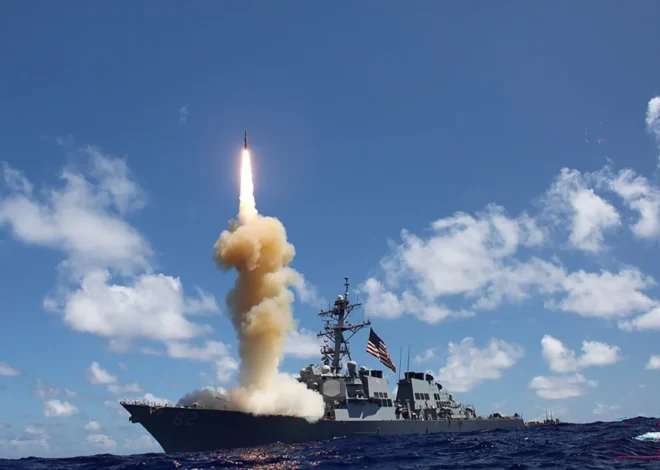
Pentagon Forges Landmark Seven-Year Agreements with Boeing and RTX to Accelerate Standard Missile-3 Production and Stabilize Defense Supply Chains
Boeing Unveils Ultra Low-Cost Seeker to Enhance Missile Inventory and Combat Cost Challenges in Modern Warfare