Israel Escalates Ground Operations in Lebanon Amid Expanding Conflict with Iran and Regional Instability
The Israel Defense Forces (IDF) have significantly intensified their ground incursion into southern Lebanon this week, marking a pivotal escalation in a conflict that now threatens to reshape the geopolitical landscape of the Middle East. This military operation, which commenced on Monday, is officially characterized by Jerusalem as a targeted campaign to dismantle the military infrastructure of Hezbollah, the powerful Iranian-backed militant group that has dominated the Lebanese political and military sphere for decades. While Israeli officials maintain that the Lebanese front is a distinct theater of operations, it remains inextricably linked to the ongoing joint U.S.-Israel war against the Islamic Republic of Iran. The intersection of these two conflicts has created a volatile security environment where tactical successes on the ground in Lebanon are weighed against the broader strategic objective of neutralizing Iranian influence across the "Axis of Resistance."
According to a spokesperson for the IDF, the current deployment is projected to last several weeks, though military analysts suggest the duration could extend depending on the level of resistance encountered and the progress made in neutralizing Hezbollah’s subterranean tunnel networks and long-range missile sites. The primary objective, as stated by the military command, is to "remove imminent threats and create an additional layer of security" for the residents of northern Israel, tens of thousands of whom have been displaced since the cross-border skirmishes began in late 2023. The IDF has signaled that this campaign seeks to push Hezbollah forces north of the Litani River, enforcing a de facto buffer zone that aligns with long-standing international resolutions that remained largely unfulfilled for nearly twenty years.
A Timeline of Escalation: From Pagers to Assassination
The current ground offensive is the culmination of a series of escalating events that began in late 2024. To understand the current posture of both the IDF and Hezbollah, one must look back to September 17, 2024, a date that marked a paradigm shift in modern electronic warfare. In a sophisticated operation attributed to Israeli intelligence, thousands of pagers used by Hezbollah operatives across Lebanon detonated simultaneously. This attack not only resulted in thousands of injuries and hundreds of deaths but also effectively crippled Hezbollah’s secure communication infrastructure. The psychological impact of the pager explosions created a climate of paranoia within the organization, leading to a temporary paralysis of their command-and-control capabilities.
Following the chaos of late 2024, a fragile and uneasy ceasefire was established in November, brokered through indirect channels. This truce largely held through the winter months of 2025, despite frequent rhetorical threats from both sides. However, the regional status quo was shattered on February 28, 2026, when a joint U.S.-Israeli operation resulted in the assassination of Iran’s Supreme Leader, Ayatollah Ali Khamenei. The death of the Iranian figurehead triggered an immediate and violent response from Tehran’s proxies. On March 2, 2026, Hezbollah launched a massive barrage of rockets into northern and central Israel, ending the months-long period of relative calm and prompting the massive Israeli retaliatory strikes that have now evolved into a full-scale ground incursion.
U.S. Strategic Support and Domestic Political Friction
The White House has maintained a posture of firm support for Israel’s right to self-defense, particularly concerning the disarmament of non-state actors in Lebanon. President Donald Trump, while primarily focused on the direct kinetic operations against Iranian military assets, has authorized a policy of "maximum pressure" that includes the logistical and intelligence backing of the Israeli campaign in Lebanon. A White House official recently affirmed that the administration views the disarming of Hezbollah as "crucial" for long-term regional stability and the eventual re-establishment of Lebanese state sovereignty.
This support is backed by substantial financial and military commitments. A 2025 Congressional report highlighted the depth of the bilateral relationship, noting that Washington has provided Israel with a cumulative $174 billion in assistance to date. This funding encompasses direct bilateral aid, joint military exercises, and, most critically, missile defense funding for systems like the Iron Dome, David’s Sling, and the Arrow-3. These systems have been instrumental in mitigating the impact of Hezbollah’s rocket fire, allowing the IDF the domestic political breathing room to conduct extended operations across the border.
However, the consensus in Washington is far from absolute. The conflict has ignited a fierce debate within the U.S. government regarding the extent of Israeli influence on American foreign policy. On Tuesday, Joe Kent, the director of the National Counterterrorism Center under the Trump administration, resigned in a high-profile protest. In a resignation letter that quickly went viral, Kent alleged that high-ranking Israeli officials, in coordination with certain segments of the American media, had created an "echo chamber" designed to deceive the President into believing an Iranian threat was more imminent than intelligence suggested. Kent’s departure exposed a rift between "America First" proponents who favor limited foreign entanglements and traditional hawks who see the survival of Israel as paramount to U.S. interests. The resignation was met with sharp criticism from Senate Republican leadership, with Senator Mitch McConnell accusing Kent of "virulent anti-Semitism" and defending the necessity of the alliance in the face of Iranian aggression.
The Role of Hezbollah: Deterrence and Decline
For decades, Hezbollah served as Iran’s primary deterrent against a direct Israeli or American strike on the Iranian mainland. Paul Salem, a senior fellow at the Middle East Institute, noted in a recent analysis that the Islamic Republic meticulously built Hezbollah into a "state-within-a-state," equipped with an arsenal of over 150,000 rockets and missiles. "Iran established an armed and trained Hezbollah in Lebanon to serve as a deterrent and to be able to hit and hurt Israel in a major way," Salem explained. The fear was that any confrontation with Tehran would result in a rain of fire upon Tel Aviv, making the cost of war prohibitive for Jerusalem.
That calculus changed with the systematic degradation of Hezbollah’s leadership and technology over the past 18 months. The 2024 pager attacks, followed by targeted assassinations of the Radwan Force commanders and the destruction of several key missile manufacturing sites, have left the group in its most vulnerable state since the 2006 Lebanon War. While the group remains a formidable fighting force with deep knowledge of the local terrain, the loss of their primary benefactor’s top leadership has introduced a degree of strategic uncertainty. Hezbollah now finds itself fighting not just for Iranian interests, but for its own institutional survival as the IDF moves to level its strongholds.
Humanitarian Impact and International Warnings
The humanitarian cost of the two-week offensive has been staggering. Reports from Lebanese health authorities and international NGOs indicate that nearly 1,000 people have been killed since the ground operation was telegraphed in early March. More critically, the conflict has triggered a mass exodus. Over 1 million people—roughly one-quarter of Lebanon’s total population—have been forced to flee their homes in the south, seeking refuge in overcrowded schools and temporary shelters in Beirut and the northern provinces.
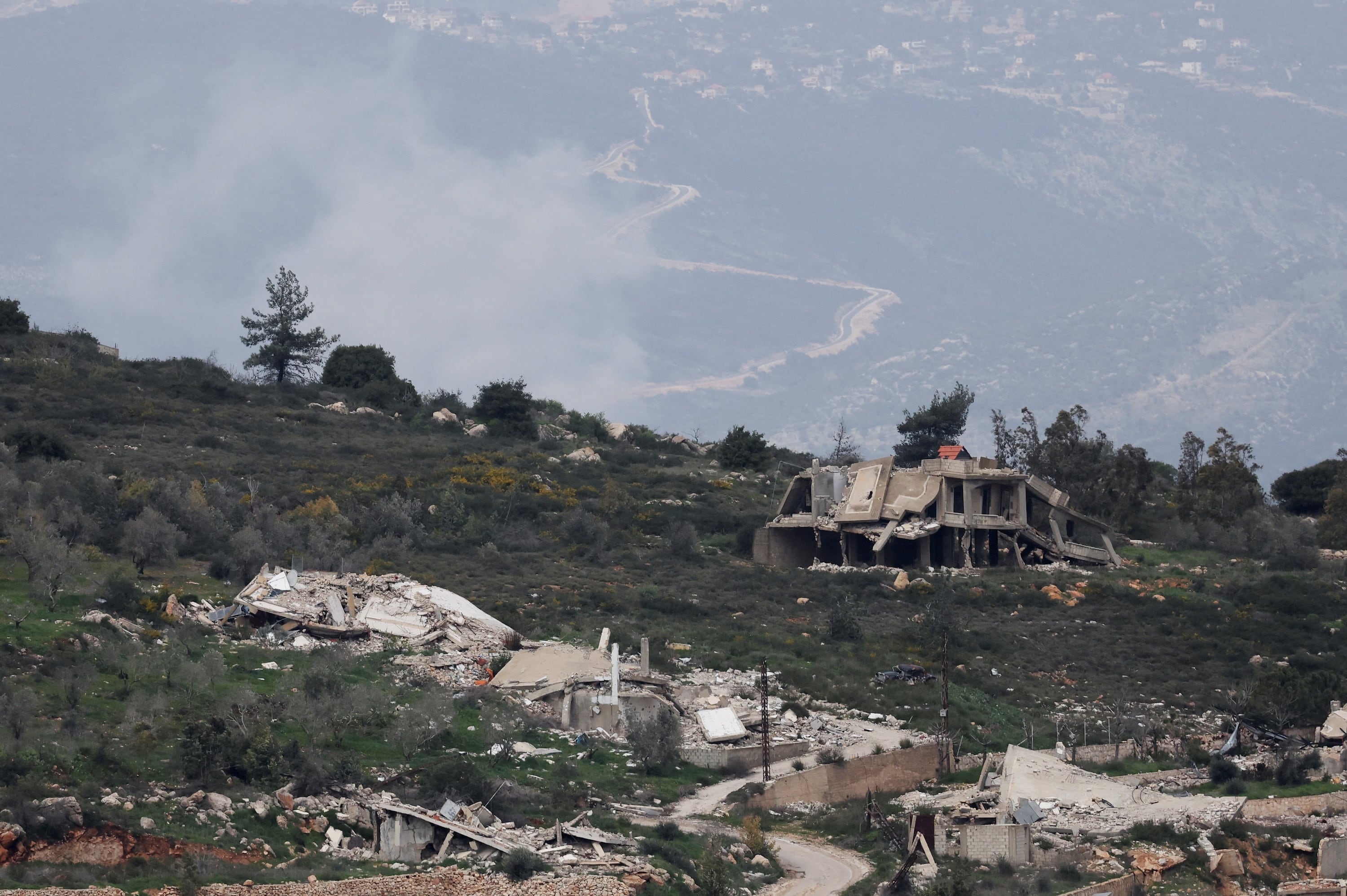
The scale of the destruction has drawn comparisons to the Israeli operations in the Gaza Strip. Much of the infrastructure in southern Lebanese villages has been leveled by artillery and airstrikes, which the IDF claims are necessary to destroy Hezbollah’s "terrorist infrastructure" embedded within civilian areas. This "Gaza model" of urban warfare has raised alarms globally. A joint statement issued by Canada, France, Germany, Italy, and the United Kingdom warned that a protracted ground offensive would have "devastating humanitarian consequences" and could lead to a permanent destabilization of the Lebanese state, which is already reeling from a multi-year economic collapse.
Strategic Implications and the Path Ahead
As the IDF pushes deeper into Lebanese territory, the diplomatic focus has shifted to the role of the Lebanese government. A U.S. State Department spokesperson confirmed on Thursday that Ambassador Michel Issa is leading the diplomatic efforts to ensure that the conflict does not result in a total collapse of the Lebanese central administration. The U.S. objective is twofold: supporting Israel’s tactical goal of neutralizing Hezbollah while simultaneously empowering the Lebanese Armed Forces (LAF) to reassert sovereignty over the south once the IDF eventually withdraws.
However, the path to stability remains fraught with obstacles. Paul Salem of the Middle East Institute suggests that while Israel possesses "predominant power," the resistance from Hezbollah will be persistent. "They will be challenged by Hezbollah, so it won’t be calm and uncontested," Salem remarked. The risk of a "protracted conflict," as warned by the G7 nations, is high. If the IDF remains in Lebanon for an extended period, it risks transforming from a surgical strike force into an occupying power, a scenario that historically fueled the very insurgency Israel now seeks to extinguish.
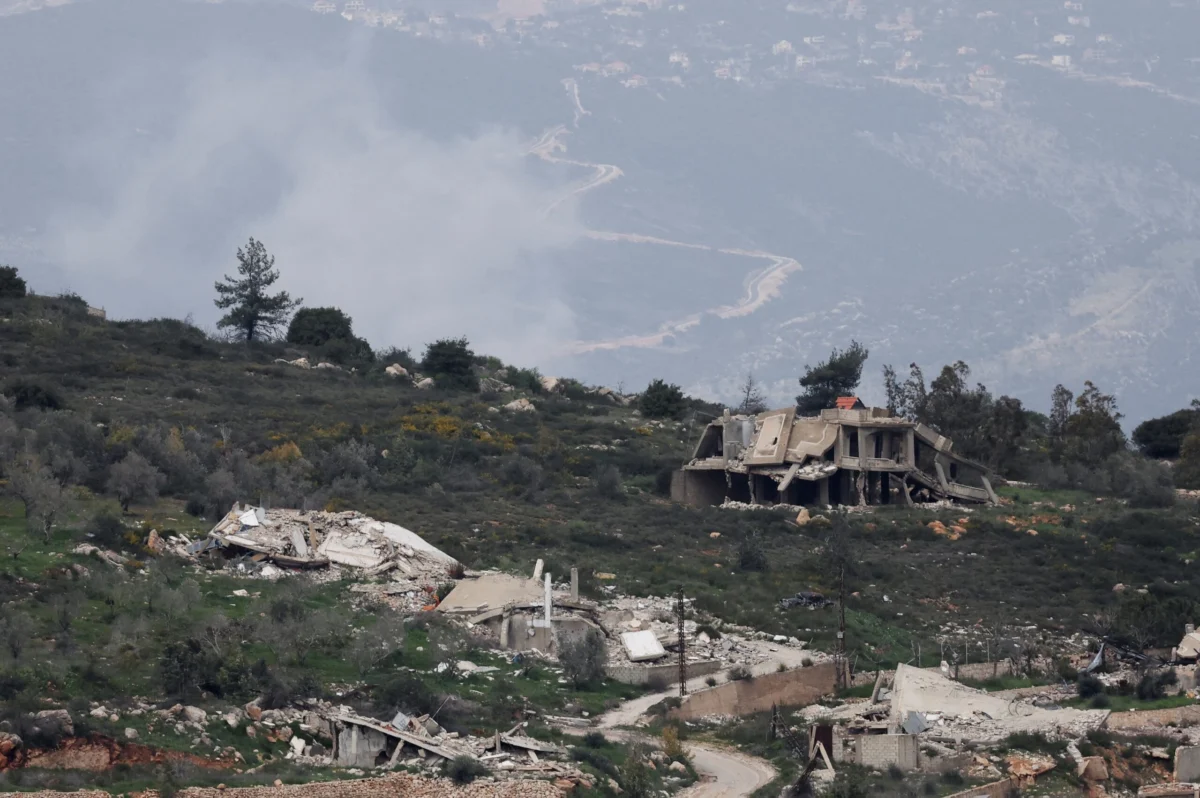
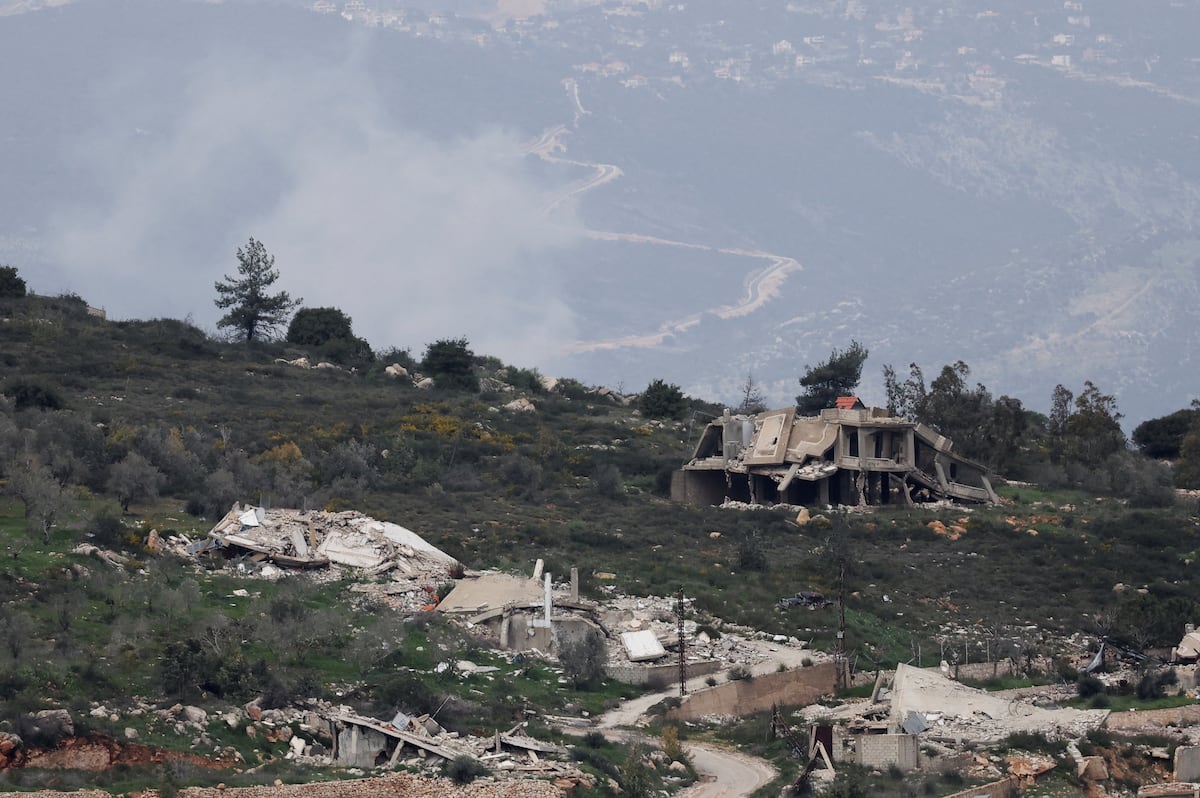
The broader regional implication is the potential for a total realignment. If Hezbollah is successfully disarmed or significantly marginalized, Iran loses its most effective forward-deployed asset. This would fundamentally alter the balance of power in the Levant, potentially opening a door for the Lebanese government to implement UN Security Council Resolution 1701 in full. Yet, until a ceasefire is reached, the region remains on a knife’s edge, with the smoke rising from Lebanese villages serving as a grim reminder of the high stakes involved in this new chapter of Middle Eastern warfare.

Related Posts
Pentagon Forges Landmark Seven-Year Agreements with Boeing and RTX to Accelerate Standard Missile-3 Production and Stabilize Defense Supply Chains
Boeing Unveils Ultra Low-Cost Seeker to Enhance Missile Inventory and Combat Cost Challenges in Modern Warfare