Hong Kong Lawmakers Voice Strong Concerns Over Lack of On-Site Car Parking at Upgraded Huanggang Border Crossing
Hong Kong lawmakers have expressed significant apprehension regarding the absence of an on-site car park at the newly upgraded Huanggang border crossing, arguing that the proposed shuttle bus service for tour groups and individual motorists will introduce considerable inconvenience and disrupt the seamless travel experience envisioned for the enhanced facility. The concerns highlight a potential disconnect between infrastructure development and user accessibility, raising questions about the overall efficiency and attractiveness of the revamped crossing for cross-border commuters and tourists.
Background: The Huanggang Border Crossing and its Strategic Importance
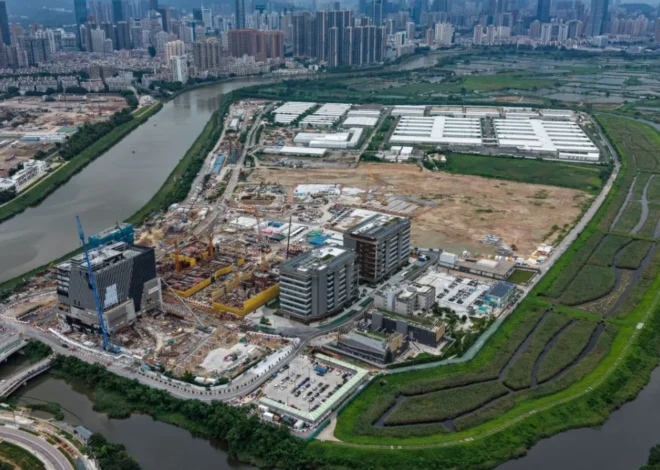
The Huanggang border crossing, located in Shenzhen on the mainland Chinese side of the Hong Kong-Shenzhen border, has long been a vital artery for trade, tourism, and daily commuting between the two regions. Historically, it served as a 24-hour passenger and cargo checkpoint, facilitating constant movement and economic exchange. The recent upgrade aims to modernize its facilities, improve operational efficiency, and potentially enhance the passenger experience. However, the decision to exclude an integrated public car park from the immediate vicinity of the checkpoint building has ignited debate among Hong Kong’s legislative representatives.
The strategic importance of Huanggang cannot be overstated. It is one of the busiest land boundary control points, connecting the bustling economic hubs of Shenzhen and Hong Kong. Its proximity to Hong Kong’s New Territories and its role in facilitating both leisure and business travel make it a critical piece of infrastructure for the Greater Bay Area (GBA) initiative, a master plan to integrate Hong Kong, Macau, and nine cities in Guangdong province into an economic powerhouse. Any perceived inefficiencies at such a key gateway could have ripple effects on cross-border activities and the broader GBA integration efforts.
Official Response and Proposed Solution
In response to these growing concerns, Secretary for Security Chris Tang Ping-keung addressed the Legislative Council security panel meeting on Friday. He confirmed that the revamped Huanggang building, situated in Shenzhen, would not feature a public car park or dedicated bays for coaches directly at the checkpoint. Instead, he outlined a proposed solution involving the establishment of a car park at a nearby location, with the Transport and Logistics Bureau tasked with determining its exact site.
"In our plan, we will find a spot that’s very close to the crossing, with the location to be confirmed, such as the San Tin traffic intersection, for residents to park and then take a shuttle bus for a few minutes to reach the Huanggang crossing," Tang stated, attempting to assuage lawmaker anxieties. The suggestion is that motorists would park their vehicles at this designated off-site location and then utilize a shuttle bus service for a brief journey to the main border crossing building.
This proposed solution, while aiming to provide an alternative, has been met with skepticism. The rationale behind not incorporating parking facilities directly at the crossing, especially given the substantial investment in the upgrade, remains a point of contention.
Lawmakers’ Apprehensions and Demands for Enhanced Convenience
Lawmakers have been vocal in their criticism of the proposed shuttle bus arrangement, deeming it a significant step backward in terms of convenience for travelers. Dominic Lee Tsz-king, a Legislative Council member, articulated these sentiments, stating that even a short shuttle bus ride, irrespective of the frequency of the service, would inevitably add to the overall travel time.
"Compared with a completely seamless passage, it’s a long way behind," Lee remarked, highlighting the perceived disparity between the modernised facility and the anticipated user experience. His statement underscores a fundamental expectation: that upgraded infrastructure should translate into enhanced ease of access and reduced transit times, not the introduction of additional transfer steps.
The lawmakers’ primary demand is for a public car park that offers a level of convenience comparable to that found at other border crossings. They specifically referenced the Heung Yuen Wai crossing as a benchmark, where drivers have the option to book parking spots in advance, ranging from 30 minutes to seven days prior to their intended entry. This pre-booking system at Heung Yuen Wai allows for a more predictable and streamlined arrival at the border, minimizing the stress associated with finding parking and the subsequent need for onward travel arrangements.
The legislators’ call for a similar integrated parking solution at Huanggang stems from a desire to cater to a diverse range of travelers. This includes:
- Tour Groups: Coaches carrying tourists would ideally be able to drop off passengers closer to the main building, avoiding lengthy walks or shuttle transfers, especially in adverse weather conditions.
- Individual Motorists: Drivers who prefer to use their private vehicles for cross-border travel expect the convenience of parking their cars securely and close to the checkpoint, allowing for a quick and direct passage.
- Business Travelers: Those on time-sensitive business trips would benefit from the efficiency of a seamless transition from their vehicle to the immigration and customs process.
- Residents of Nearby Areas: Local residents who frequently cross the border for shopping, work, or leisure would find a readily accessible car park a significant advantage.
The absence of on-site parking, therefore, is seen as a potential deterrent for certain segments of travelers, potentially impacting the flow of people and goods through this critical gateway.
Broader Implications and Analysis
The debate surrounding the Huanggang border crossing’s parking facilities extends beyond mere logistical concerns; it touches upon broader implications for regional connectivity and the effectiveness of cross-border infrastructure projects.
Impact on GBA Integration: The Greater Bay Area initiative aims to foster closer economic and social ties between Hong Kong, Macau, and the nine mainland cities. For this vision to materialize, efficient and user-friendly transportation links are paramount. If key border crossings are perceived as inconvenient or cumbersome to access, it could hinder the free flow of people and goods, thereby undermining the very goals of GBA integration. A frictionless journey across the border is crucial for encouraging tourism, facilitating business, and promoting daily commuting.
Competitive Advantage of Border Crossings: Hong Kong has multiple land border crossings with Shenzhen, each with its own characteristics and accessibility. If Huanggang, despite its upgrade, proves less convenient due to parking limitations compared to other crossings, travelers might opt for alternatives. This could lead to a redistribution of traffic, potentially overwhelming other checkpoints and impacting the overall efficiency of border management across the region.
User Experience and Tourism: For tourists, especially those arriving from overseas or other parts of China, the initial impression of a border crossing can significantly influence their overall travel experience in Hong Kong. A facility that requires multiple transfers or extended walks from parking can be off-putting. Conversely, a well-integrated and convenient crossing can enhance the appeal of Hong Kong as a travel destination.
Economic Considerations: While the cost of building and maintaining a large car park is a factor, the potential economic losses from reduced cross-border activity due to inconvenience could outweigh these costs. Businesses that rely on efficient cross-border logistics and individuals who contribute to the local economies of both Hong Kong and Shenzhen might be less inclined to travel if the process is unnecessarily complicated.
Precedent and Future Planning: The legislators’ reference to the Heung Yuen Wai crossing suggests a desire for Hong Kong to set a high standard for its border infrastructure. The successful model at Heung Yuen Wai, with its pre-booking system, demonstrates that integrated parking solutions are feasible and appreciated by users. The decision at Huanggang raises questions about the planning process and whether lessons learned from existing crossings were adequately incorporated.
Timeline and Future Developments
The upgrade of the Huanggang border crossing has been a multi-year project, with discussions and planning phases preceding the current construction and rollout. The Secretary for Security’s statement on Friday indicates that the facility is nearing completion or has recently undergone its upgrade. The timeline for the implementation of the proposed shuttle bus service and the confirmation of the off-site car park location are now critical next steps.
The Transport and Logistics Bureau’s role in identifying a suitable location for the car park, likely within a reasonable distance to minimize shuttle travel time, will be closely watched. Factors such as land availability, cost, traffic flow impact, and connectivity to public transport networks will likely influence the final decision.
The legislative panel’s concerns, formally voiced and recorded, will likely exert pressure on the relevant government departments to expedite a satisfactory resolution. Further meetings, public consultations, and possibly revised proposals might emerge as lawmakers continue to advocate for a more convenient and integrated approach to the Huanggang crossing’s accessibility.
Conclusion
The controversy surrounding the lack of a car park at the upgraded Huanggang border crossing highlights a fundamental tension between infrastructure development and user convenience. While the upgrade aims to modernize a vital gateway, the absence of on-site parking facilities and the reliance on a shuttle bus service have sparked significant apprehension among Hong Kong lawmakers. Their calls for a solution comparable to the Heung Yuen Wai crossing underscore the importance of seamless travel and efficient access for all types of users. The implications of this decision extend to the broader goals of GBA integration, the competitiveness of Hong Kong’s border crossings, and the overall user experience for millions of travelers. The coming months will be crucial in determining how effectively the authorities address these concerns and ensure that the upgraded Huanggang crossing truly serves as an efficient and welcoming gateway between Hong Kong and mainland China.