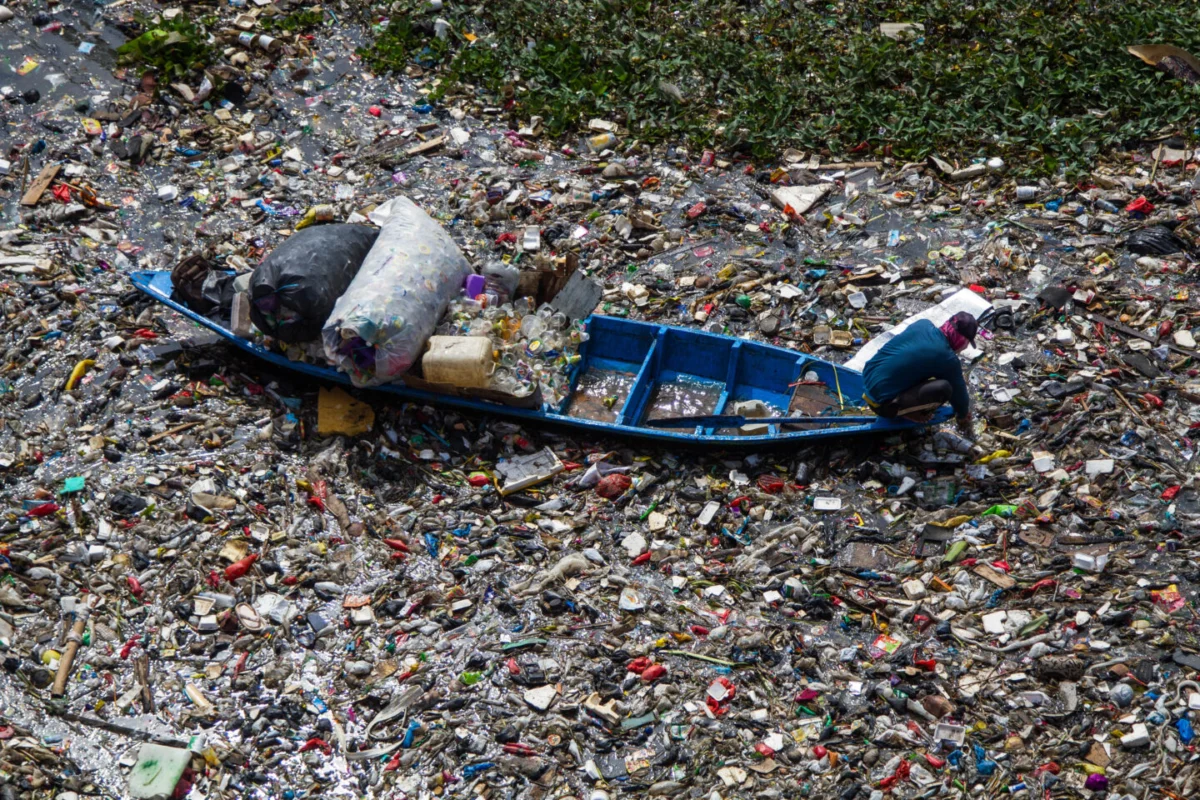
Global Plastic Treaty Chair Proposes 2026 Informal Talks to Resuscitate Stalled Negotiations Following Geneva Collapse
The Chair of the Intergovernmental Negotiating Committee (INC) tasked with developing an international legally binding instrument on plastic pollution has officially proposed a series of intensive informal consultations throughout 2026. This strategic pivot comes in the wake of a catastrophic breakdown in formal negotiations during the resumed fifth session (INC-5.2) held in Geneva last year, which left the global community without a clear path toward ending plastic pollution. The new proposal aims to bridge the profound ideological and economic divisions that have fractured the negotiating bloc into two distinct camps: those advocating for mandatory production caps on primary plastic polymers and those insisting the treaty focus exclusively on downstream waste management and circularity.

The proposed 2026 roadmap envisions a sequence of "Bridge-Building Dialogues" to be held in neutral venues, away from the high-pressure environment of formal plenaries. These sessions are designed to allow technical experts and high-level ministers to negotiate the most contentious "bracketed" text in the draft treaty without the immediate threat of a formal veto. By shifting to an informal format, the Chair hopes to foster a more transparent exchange of "red lines" and "landing zones" that could eventually be codified into a final agreement by late 2026 or early 2027.
The Genesis of the Deadlock: A Chronology of the INC Process
The journey toward a global plastic treaty began with great optimism in March 2022, when the United Nations Environment Assembly (UNEA-5.2) adopted a historic resolution to develop an international legally binding instrument on plastic pollution, including in the marine environment. The mandate was ambitious: to address the full lifecycle of plastic, from extraction and production to design and disposal.

However, the transition from a broad mandate to specific legal obligations has proven arduous. The first four sessions of the INC—held in Punta del Este, Paris, Nairobi, and Ottawa—exposed a widening chasm between the "High Ambition Coalition," led by the European Union and several Pacific Island nations, and the "Like-Minded Countries," a group primarily composed of major oil and gas producers and large-scale plastic manufacturing hubs.
The crisis reached a breaking point in late 2025 during the Geneva talks (INC-5.2). While delegates had hoped to finalize the "Busan Draft," the session ended in a stalemate. The primary point of contention was Article 3, which deals with the supply and production of primary plastic polymers. High-ambition nations argued that a treaty without production controls would be akin to "mopping the floor while the tap is still running." Conversely, a minority of powerful fossil-fuel-exporting nations argued that production caps exceeded the original UNEA mandate and would infringe upon national sovereignty and economic development.

Statistical Context: The Escalating Plastic Crisis
The urgency of the Chair’s proposal is underscored by alarming environmental and economic data. According to the Organization for Economic Co-operation and Development (OECD), global plastic production has doubled since the beginning of the century, reaching nearly 400 million tonnes annually. If current trends persist, this figure is projected to triple by 2060.
Environmental advocates point to the fact that approximately 99% of plastics are derived from fossil fuels. This link makes the plastic treaty a critical component of broader climate goals. As the world transitions toward renewable energy, the petrochemical sector is increasingly viewed by the fossil fuel industry as its primary growth engine. Data suggests that plastic production could account for 20% of total oil consumption and 15% of the global carbon budget by 2050 if left unregulated.

The waste management crisis is equally severe. Of the approximately 9 billion tonnes of plastic produced since the 1950s, only an estimated 9% has been recycled. The remainder has been incinerated, landfilled, or leaked into the environment. Current leakage rates into the oceans are estimated at 11 million tonnes per year, a figure that is expected to triple by 2040 without a robust international intervention. The economic cost of plastic pollution—including impacts on tourism, fisheries, and healthcare—is estimated by the UN Environment Programme (UNEP) to be at least $100 billion annually.
Key Stumbling Blocks for the 2026 Dialogues
The Chair’s proposed informal meetings will focus on four critical pillars that have paralyzed the formal process:

1. Primary Plastic Polymer (PPP) Reduction Targets
This remains the most volatile issue. The High Ambition Coalition seeks a global target to reduce the production of virgin plastic. The 2026 consultations will explore "alternative pathways," such as national reduction plans similar to the Nationally Determined Contributions (NDCs) of the Paris Agreement, rather than a single, top-down global cap.
2. The Financial Mechanism and Resource Mobilization
Developing nations have made it clear that they cannot implement stringent plastic regulations without significant financial and technical assistance. The dispute centers on whether to create a new, dedicated "Plastic Fund" or to utilize existing mechanisms like the Global Environment Facility (GEF). Furthermore, there is a push for "extended producer responsibility" (EPR) at a global scale, which would require plastic producers to pay into a fund for waste management in the Global South.

3. Chemicals of Concern and Product Design
The draft treaty includes lists of hazardous chemicals used in plastic production that should be banned or phased out. However, defining these "chemicals of concern" has faced resistance from chemical industry lobbyists and certain manufacturing nations who argue that such lists should be determined by national authorities rather than an international body.
4. A Just Transition for Waste Pickers
An estimated 20 million people worldwide work as informal waste pickers. The 2026 talks must ensure that any transition to a circular economy protects the livelihoods of these vulnerable workers. This includes formalizing their roles in waste management systems and ensuring they are not displaced by large-scale, automated recycling infrastructure.

Official Reactions and Diplomatic Perspectives
The proposal for informal meetings has met with a mixture of cautious support and skepticism. A spokesperson for the High Ambition Coalition stated, "While we prefer the transparency of formal negotiations, the urgency of the plastic crisis demands that we explore every avenue. We cannot afford another Geneva. If informal talks are what it takes to secure a ban on the most harmful single-use plastics and toxic additives, we are prepared to engage."
In contrast, representatives from the group of "Like-Minded Countries" expressed concerns that informal settings might be used to sideline minority viewpoints. "Any outcome must be consensus-based and respectful of the diverse economic realities of member states," a senior diplomat from a major oil-producing nation remarked. "Focusing on production caps is a distraction from the real issue: the lack of infrastructure and technology for waste management in the developing world."

The UN Climate Chief, Simon Stiell, has also weighed in on the broader implications of the treaty. Speaking recently on the intersection of the plastic crisis and the fossil fuel transition, Stiell warned that "delusional" support for unrestricted plastic production ignores the planetary boundaries. He emphasized that a strong plastic treaty is an essential pillar of the Paris Agreement, as it directly addresses the petrochemical demand that keeps the world "hooked on fossil fuels."
Broader Implications: The Link to the Global Climate Agenda
The success or failure of the 2026 informal plastic talks will have significant ripple effects across other multilateral environmental agreements. The stalled plastic negotiations are reflective of a broader trend in global diplomacy where economic interests in the fossil fuel value chain are increasingly clashing with environmental imperatives.

For instance, the push for a plastic treaty coincides with recent landmark deals in other sectors, such as Chile’s efforts to share its lithium windfall with Indigenous communities and the global pledge to triple nuclear energy capacity. Both signify a world in the midst of a volatile energy transition. If the plastic treaty fails, it could signal a weakening of the multilateral system’s ability to regulate global industries, potentially emboldening fossil fuel interests that are currently facing legal accountability in various jurisdictions for their role in the climate crisis.
Furthermore, the "informal" approach proposed by the Chair may set a precedent for other stalled UN processes, such as the discussions on the transition away from fossil fuels, which Colombia is currently seeking to revive through a dedicated summit. If the 2026 dialogues successfully produce a "clean" text for adoption, the "bridge-building" model could become a standard tool for navigating the "polycrisis" of the 21st century.

Conclusion: The Road to 2027
The Chair’s proposal for a year of informal diplomacy represents a high-stakes gamble. By stepping outside the formal UN structure, the process gains flexibility but risks losing the legitimacy and inclusivity that formal sessions provide. However, with the "Geneva Collapse" still fresh in the minds of negotiators, there is a palpable sense that the status quo is no longer tenable.
As 2026 approaches, the world will be watching to see if these informal dialogues can translate into a legally binding reality. The stakes could not be higher. Beyond the visible blight of plastic-choked oceans and landscapes, the treaty represents a fundamental test of whether the global community can decouple economic growth from environmental destruction. If the 2026 roadmap succeeds, it will mark the beginning of the end for the age of plastic pollution. If it fails, the "tap" will remain open, and the global environmental crisis will continue to deepen, leaving future generations to deal with the irreversible consequences of a world buried in its own waste.

Related Posts
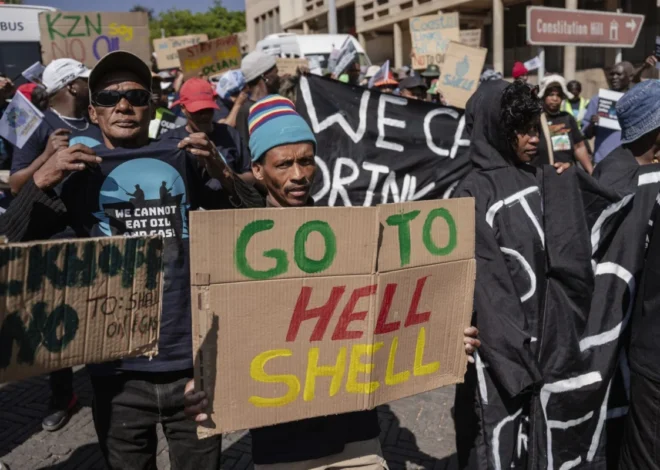
Constitutional Court of South Africa Bars Shell Oil Exploration in Landmark Victory for Environmental and Community Rights
The Battle for Saldanha Bay: South Africa’s Ambitious Ocean Economy Strategy Faces Legal and Environmental Reckoning