Madrid Plans Ambitious Cultural Exchange Week in Buenos Aires to Foster Bilateral Artistic Ties
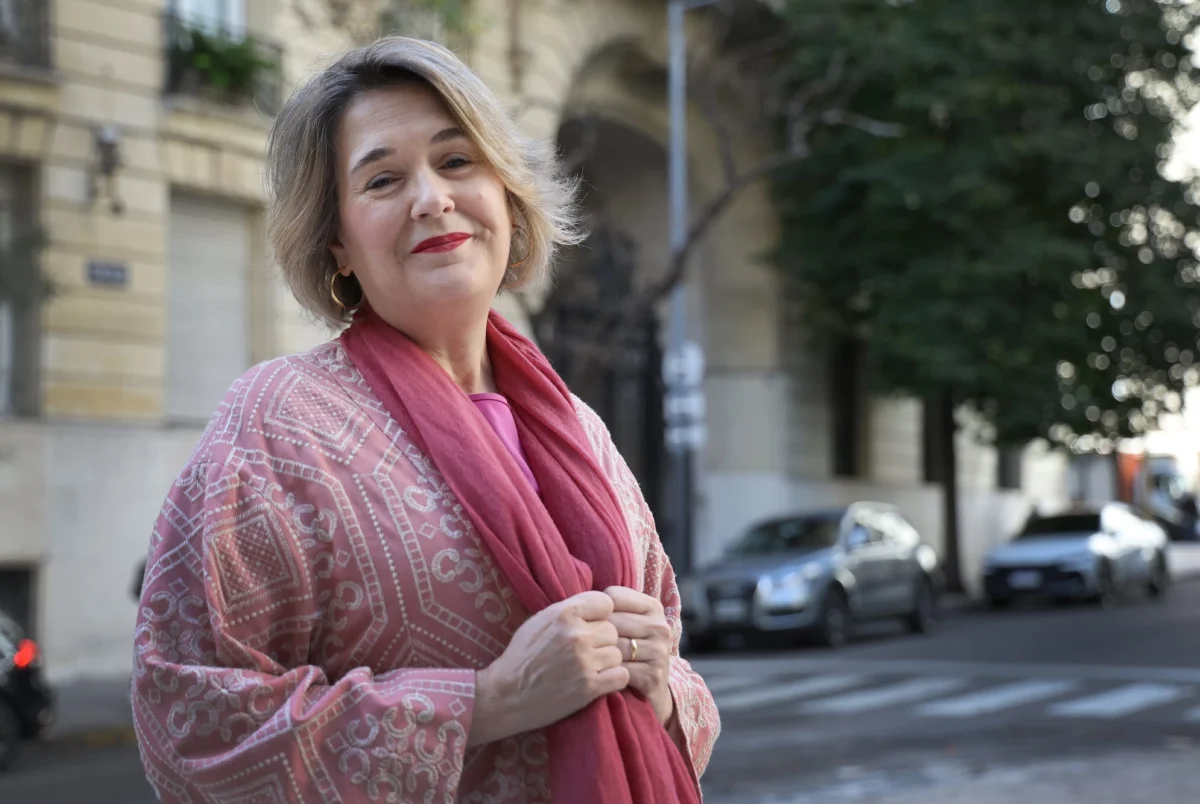
The concept of a dedicated "Madrid Culture Week" in Buenos Aires is currently in its formative stages, with no definitive dates or a finalized program yet established. However, a recent preliminary visit by Marta Rivera de la Cruz, the writer and current delegate for Culture, Tourism, and Sports of the Madrid City Council, to the Argentine capital marks a significant first step in outlining what this ambitious cultural initiative might entail. This visit signals a concrete effort to strengthen the artistic and cultural bridges between Spain and Argentina, building upon a successful precedent set by Buenos Aires in Madrid.
Rivera de la Cruz, who brings a distinguished background in publishing and cultural journalism to her public service role, undertook a brief but intensive two-day itinerary in Buenos Aires. Her agenda was meticulously crafted to include site visits to prominent cultural venues, meetings with local government officials, and direct engagement with the vibrant porteño arts scene. "What I intend to propose is bringing performances from the Madrid scene to Buenos Aires, in collaboration with municipal theaters," Rivera de la Cruz explained. She emphasized that the project is being developed through an ongoing dialogue with the Buenos Aires city government, which she described as "collaborative, receptive, and complicit in all of this."
While the exact timing remains fluid, the delegate expressed her hope that the event could be realized by the autumn of this year in Europe. This timeline, however, is contingent upon the complex coordination of institutional schedules and the finalization of official agreements. At present, the primary focus is on thoroughly exploring the potential opportunities and identifying viable collaborations. "This trip is precisely about seeing what can be done, with whom, and under what conditions," she stated, underscoring the exploratory nature of her visit.
A Shared Affinity for Culture: Madrid and Buenos Aires
Beyond the specific programming of the planned event, Rivera de la Cruz highlighted a fundamental affinity that she believes underpins the potential success of such an exchange: the strong connection between cities and their audiences. "One can program exceptionally well, but if the public doesn’t respond, it doesn’t amount to much. And I believe that both Madrileños and porteños and those from the Buenos Aires province respond incredibly to cultural offerings," she asserted. This observation speaks to a shared cultural vibrancy that makes both cities fertile ground for artistic endeavors.
This public engagement, she contends, not only signifies the vitality of an artistic scene but also shapes the very nature of the tourism it attracts. "Those who travel driven by culture are visitors who connect with a city in a different way," she noted. In this context, both Madrid and Buenos Aires function as premier destinations where cultural activity is an intrinsic component of the urban experience. This shared understanding of culture’s role in urban identity is a key driver for the proposed exchange.
During her brief stay, Rivera de la Cruz toured several of Buenos Aires’s most significant cultural landmarks. Her itinerary included a visit to the Malba (Latin American Art Museum of Buenos Aires) in the afternoon, following a meeting in Madrid with Eduardo Costantini, the museum’s founder. She also paid homage to iconic institutions such as the Teatro Colón, describing it as "an icon," alongside the Teatro San Martín and the Usina del Arte. Her exploration extended to the Centro Cultural Recoleta, which she characterized as "a beautiful place," and the Museo de Arte Moderno, where she identified potential projects that could be featured in a future Madrid exhibition.
"Buenos Aires is a city one immediately associates with culture," Rivera de la Cruz summarized. "One arrives – even if for another reason – and inevitably ends up dedicating time to attending a play, a concert, or an exhibition." This inherent cultural inclination in Buenos Aires makes it a natural partner for Madrid in a large-scale cultural showcase.
Reciprocity in Cultural Exchange: Buenos Aires in Madrid
The initiative now being envisioned for Buenos Aires is not without a significant precedent. In 2025, the Spanish capital hosted "Buenos Aires in Madrid," a week-long cultural festival that presented a diverse program across various theaters and cultural centers. This event served as a crucial proof of concept, demonstrating the viability and impact of such bilateral cultural initiatives.
The "Buenos Aires in Madrid" cycle featured a rich tapestry of theater, music, film, and literary activities, all designed to showcase the breadth and depth of the porteño artistic landscape. Participating venues included the Teatros del Canal and the Cineteca de Matadero, which hosted a series of performances, forums, and film screenings. One of the most highly attended events was a day dedicated to tango and milonga, which drew hundreds of enthusiasts throughout the day, underscoring the universal appeal of Argentine culture.
"The experience was very positive," Rivera de la Cruz recalled, reflecting on the success of the Buenos Aires event in Madrid. "There were high-quality offerings, and the public responded very well. That is the most important aspect: there is nothing more disheartening than a great show with an empty venue." This sentiment underscores the critical importance of audience engagement in the success of any cultural program.
Expanding the Vision: Future Possibilities and Strategic Alignment
Among the evolving ideas for the Madrid Culture Week in Buenos Aires, there is a strong consideration for incorporating visual arts and aligning the programming with the upcoming centenary celebration of Spain’s "Generation of ’27." This literary and artistic movement, which flourished in the 1920s and 1930s, remains a cornerstone of Spanish cultural heritage. By linking the event to this significant anniversary, Madrid aims to offer a multi-faceted cultural experience that resonates with both historical and contemporary artistic trends. Furthermore, Rivera de la Cruz expressed particular interest in including dance, a medium she believes has the potential to introduce novel artistic discoveries to the local audience in Buenos Aires.
More than just a singular event, these reciprocal initiatives are part of a broader, long-term exchange strategy aimed at fostering sustained cultural dialogue. "The teams are in constant communication, and we exchange many things," the official explained. As an illustrative example, she pointed to the ongoing collaborative work between the municipal bands of both cities, which have already begun sharing repertoires and musical arrangements. This practical collaboration highlights the tangible benefits of such cultural diplomacy.
The underlying principle, Rivera de la Cruz insisted, is mutual learning. This involves sharing experiences, identifying successful strategies, and recognizing potential pitfalls based on the accumulated knowledge of each city’s cultural administration. "It is very beneficial for cities to communicate," she affirmed, emphasizing the strategic importance of this ongoing dialogue. This approach ensures that each iteration of the cultural exchange builds upon the successes and lessons learned from previous endeavors, creating a more robust and impactful program over time.
The Broader Impact: Cultural Diplomacy and Urban Development
The planned Madrid Culture Week in Buenos Aires represents a significant investment in cultural diplomacy, aiming to deepen the understanding and appreciation between the two cities and their citizens. Such exchanges are not merely about showcasing artistic talent; they are strategic tools for fostering goodwill, promoting mutual respect, and strengthening bilateral relations. By presenting a curated selection of Madrid’s artistic output, the initiative seeks to highlight the city’s cultural dynamism and its contributions to the global arts landscape.
The economic implications of such a cultural exchange are also noteworthy. Cultural tourism is a growing sector, and events like this can attract a significant number of international visitors, boosting local economies through increased spending on accommodation, dining, and other services. Furthermore, the exposure gained by participating artists and cultural institutions can lead to new international collaborations, touring opportunities, and increased visibility in global markets.
The decision to focus on specific art forms, such as dance and visual arts, alongside established strengths like theater and music, reflects a strategic approach to cultural programming. It aims to offer a comprehensive and engaging experience for the Buenos Aires public, catering to diverse tastes and interests. The potential synergy with the centenary of the Generation of ’27 further enhances the program’s intellectual and historical depth, offering a unique opportunity to explore a pivotal moment in Spanish literary and artistic history.
The commitment to ongoing communication and knowledge sharing between Madrid and Buenos Aires underscores a forward-thinking approach to cultural exchange. This collaborative model, characterized by mutual learning and strategic alignment, promises to yield a more impactful and sustainable cultural relationship. The success of "Buenos Aires in Madrid" has provided a strong foundation, and the anticipation for Madrid’s cultural presence in Buenos Aires is palpable, signaling a new chapter in the artistic partnership between these two dynamic global cities. The ultimate goal is to create a lasting legacy of cultural understanding and artistic collaboration that transcends individual events and fosters a continuous flow of creative exchange.

Related Posts

The Electric Vehicle Battery Health Debate Emerges as Argentina’s EV Market Accelerates

President Donald Trump Confirms Secret Departure from Turkey Amidst Assassination Threat