Global Oil Markets Face Unprecedented Volatility Following Escalating Conflict Between the United States and Iran
The global energy sector is reeling this week as crude oil prices experience a volatile surge, with benchmarks threatening to breach the $100-per-barrel threshold. This sharp upward pressure on commodity prices follows a weekend of intense military engagements involving the United States, Israel, and Iran. The conflict, which has already resulted in the death of Iranian Supreme Leader Ayatollah Ali Khamenei and subsequent retaliatory strikes on critical energy infrastructure, has brought the stability of global oil supply chains to a critical inflection point. As markets grapple with the prospect of a protracted regional war, analysts and energy experts are warning that the geopolitical risk premium currently being baked into oil futures could have lasting consequences for the global economy.
A Chronology of Escalation
The current crisis did not emerge in a vacuum; it is the culmination of months of deteriorating relations between Washington and Tehran. The path to the current volatility began in mid-2025, when heightened tensions over Iran’s nuclear program led to targeted US airstrikes on clandestine facilities. These actions set a precedent for military intervention, but the events of the past 72 hours represent a dramatic escalation in scope and intent.
The sequence of events began on Friday evening, when combined US and Israeli forces launched a coordinated strike targeting high-level leadership within the Iranian government. By Saturday, news of the death of Ayatollah Ali Khamenei had reverberated through international markets. Rather than signaling an end to the conflict, the strike appears to have triggered a decentralized, multi-front response from Iranian forces and their regional proxies. By Sunday evening, as markets reopened, Brent crude had spiked nearly 13 percent, climbing toward $80 per barrel. The volatility continued into Monday as reports surfaced of drone strikes hitting key Saudi Arabian refineries and the complete suspension of production at major liquefied natural gas (LNG) facilities in Qatar.
The Vulnerability of the Strait of Hormuz
At the heart of the current market anxiety lies the Strait of Hormuz, a maritime chokepoint that serves as the world’s most important oil artery. Approximately 20 to 25 percent of the world’s total petroleum consumption passes through this narrow passage daily. The strategic importance of the strait cannot be overstated; it is the primary export route for major OPEC members, including Saudi Arabia, Iraq, the United Arab Emirates, and Kuwait.
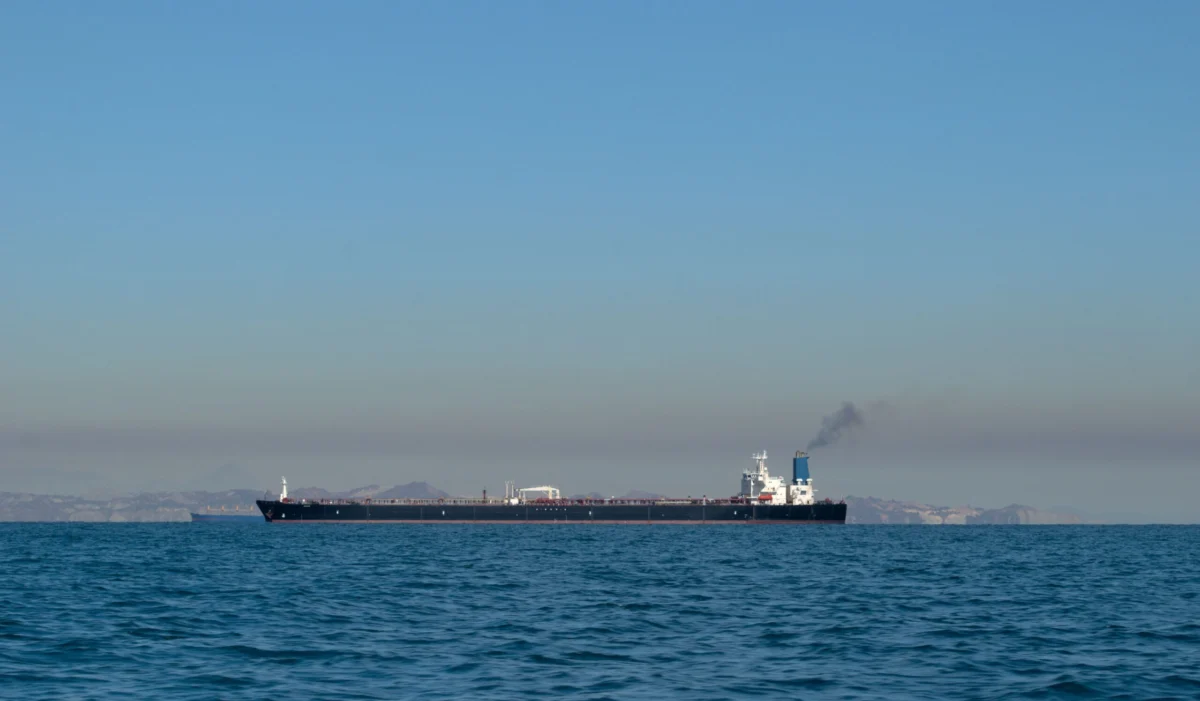
Throughout the weekend, traffic through the strait effectively ground to a halt. While the Iranian government has offered ambiguous statements regarding a formal closure of the waterway, the reality on the ground—or rather, on the water—is that the route has become effectively unusable. Major international shipping insurers have responded by cancelling war-risk coverage for vessels operating in the region, leading to a de facto blockade. Analysts describe this as a "voluntary closure," where the prohibitive cost of insurance and the high risk of kinetic military action have rendered the route impassable for commercial tankers.
Impact on Global Energy Infrastructure
The conflict has evolved from a maritime concern into a direct threat to land-based production assets. In a development that mirrors the 2019 attacks on Saudi oil facilities—which saw oil prices spike by 15 percent in a single session—recent drone strikes have targeted critical infrastructure across the Middle East. Saudi Aramco confirmed the closure of the Ras Tanura refinery on Monday following reported strikes, and similar shutdowns have been noted across regional oil and gas fields.
The impact is not limited to crude oil. QatarEnergy, the world’s largest producer of liquefied natural gas, announced a halt to production in response to the security environment. This move has sent shockwaves through European energy markets, where reliance on imported LNG remains a pillar of energy security. Experts warn that if these strikes continue, the damage to the "global energy faucet" could be catastrophic, leading to sustained supply shortages that exceed the capacity of current strategic reserves to mitigate.
Economic Implications and Policy Responses
The economic ramifications of this conflict extend far beyond the energy sector. For the United States, the timing of the crisis presents a significant challenge. With midterm elections approaching, the White House is facing immense pressure to contain both the military conflict and the subsequent inflationary impact on domestic fuel prices.
Industry analysts at the Center for Strategic and International Studies (CSIS) note that the administration’s strategy remains opaque. There is a growing concern that the initial military objectives were focused on decapitation strikes—such as the targeting of leadership—without a comprehensive plan to neutralize Iran’s regional attack capabilities. This "hope for the best" approach has left the market in a state of high uncertainty, a condition that historically drives prices higher.
For US oil producers, the situation is complex. While higher global prices generally benefit domestic energy companies, the long-term outlook is clouded by policy volatility and the potential for a global economic slowdown caused by energy inflation. Harold Hamm, a prominent figure in the US shale industry, had already signaled a pullback in North Dakota drilling earlier this year due to low prices. Producers are now waiting to see if these price spikes are a temporary anomaly or the beginning of a sustained period of high energy costs, which would necessitate a total recalibration of capital expenditure plans.
Strategic Outlook: The Path Forward
The coming week will be defined by the signaling emanating from Washington, Tehran, and the Gulf states. The primary question facing investors is whether the conflict will be de-escalated through back-channel diplomacy or whether it will spiral into a broader regional war.
"The more desperate Iran becomes, the greater the likelihood that it will weaponize its energy assets to gain leverage," says a senior energy analyst. If the conflict persists, the world could see a return to triple-digit oil prices, a scenario that would drastically alter the trajectory of the global economic recovery.
Furthermore, the domestic political fallout for the current administration is intensifying. Democrats are reportedly working to craft a messaging strategy to insulate themselves from the inevitable rise in gasoline prices, which are expected to jump as early as this week. However, as the conflict persists, the efficacy of such messaging will likely wane, as consumers feel the direct impact not just at the pump, but across the supply chain. From plastics to fertilizers, the reliance on fossil fuel feedstocks ensures that an energy crisis will rapidly transition into a broader cost-of-living crisis.
Ultimately, the trajectory of this crisis rests on a narrow set of variables. Does the Iranian government intend to seek a ceasefire, or is it preparing for a long-term campaign of attrition? Will the Gulf states, currently suffering from their own infrastructure disruptions, coordinate a more unified military response? And perhaps most importantly, will the White House adopt a strategy of rapid stabilization, or will it continue to engage in a high-stakes military standoff that risks pushing the global energy market into a period of extreme, and perhaps uncontrollable, volatility? As the situation unfolds, the world remains in a state of watchful waiting, with the global economy precariously balanced on the outcome of a conflict that shows few signs of a quick resolution.

Related Posts

The Las Vegas Cybersecurity Summit and the Escalating Threat of Autonomous Digital Exploitation

New York City Council members and privacy advocates launch legislative campaign to ban biometric facial recognition at public entertainment venues