Senegal Challenges CAF Decision Stripping AFCON 2025 Title in Landmark Legal Battle at Court of Arbitration for Sport
The landscape of African football has been thrown into unprecedented turmoil following the decision by the Confederation of African Football (CAF) Appeal Board to retroactively award the 2025 Africa Cup of Nations title to Morocco, a move that has prompted an immediate and fierce legal challenge from the Senegalese Football Federation (FSF). The administrative ruling, which overturned the original on-pitch result of the final match held on January 19, 2026, at the Prince Moulay Abdellah Stadium in Rabat, has sparked a diplomatic and sporting crisis that now moves to the Court of Arbitration for Sport (CAS) in Lausanne, Switzerland.
The Chronology of a Disputed Final
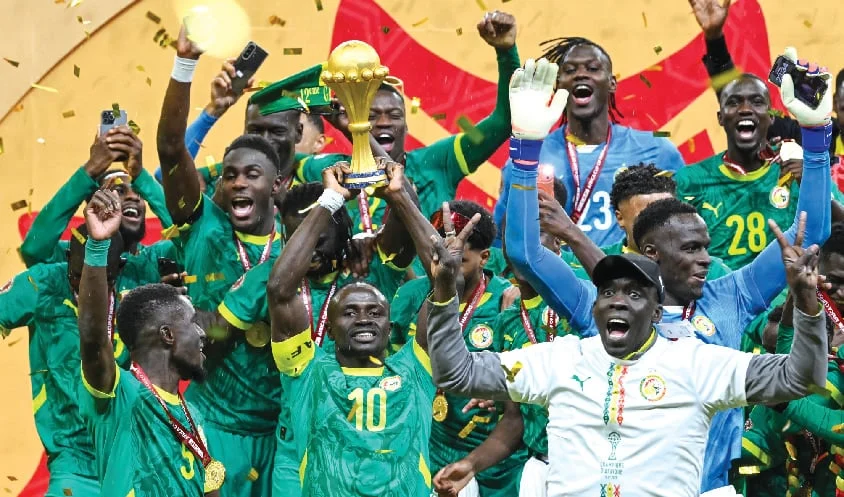
The controversy centers on the final match of the tournament, which initially concluded with Senegal celebrating a hard-fought 1-0 victory. However, the match was marred by high-tension moments in the closing stages. Following a controversial decision by the officiating crew to disallow a potential equalizer for Senegal and subsequently award a penalty to the host nation, Morocco, the Senegalese squad staged a brief walk-off in protest of the refereeing standards.
The protest led to a prolonged stoppage of play. While the match eventually resumed and concluded, the Royal Moroccan Football Federation (FRMF) filed an immediate formal protest with the CAF Disciplinary Board. Initially, the Disciplinary Board appeared to uphold the result, acknowledging the intensity of the atmosphere while dismissing claims that would necessitate a total forfeiture. However, the FRMF appealed this decision, arguing that the procedural rights of the host nation were neglected during the initial review. On March 17, 2026, the CAF Appeal Board delivered its verdict, effectively reversing the outcome of the tournament by declaring that the Senegal national team had forfeited the match. Under the ruling, the match score was adjusted to a 3-0 victory for Morocco, thereby crowning the hosts as the continental champions.
Legal Basis for the CAF Ruling
The CAF Appeal Board based its decision on Articles 82 and 84 of the Africa Cup of Nations regulations. Article 82 pertains to general misconduct, requiring teams to maintain order and adhere to the authority of match officials. Article 84, which governs forfeiture, stipulates that any team that refuses to continue play or causes a match to be abandoned without just cause shall be deemed to have lost the fixture by a score of 3-0.
In its legal rationale, the Appeal Board noted that the initial hearing conducted by the Disciplinary Board had been procedurally flawed. Specifically, the board found that the FRMF’s right to be heard had been compromised, rendering the previous decision invalid. By rectifying this procedural error, the Appeal Board reopened the case and concluded that the walk-off constituted a violation of the competition’s integrity, thereby triggering the forfeiture clause. This decision marks a rare instance in modern football history where a major tournament final has been stripped from a winner due to disciplinary action taken months after the conclusion of the event.
The Senegalese Response: Defending Sporting Integrity
The FSF issued a formal, scathing rebuttal to the CAF decision on Wednesday, labeling the verdict as "unfair, unprecedented, and unacceptable." The federation’s leadership argued that the decision not only undermines the efforts of the players on the pitch but also casts a shadow over the credibility of CAF’s governance structures.
"The Senegalese Football Federation denounces an unfair, unprecedented, and unacceptable decision that discredits African football," the statement read. The FSF has made it clear that they intend to exhaust all legal avenues, starting with an urgent appeal to the Court of Arbitration for Sport (CAS). By seeking intervention from the highest sports court in the world, Senegal is aiming to have the original match result reinstated, citing that the temporary protest on the field did not constitute an abandonment of the match, as the game was successfully completed.
Broader Implications for African Football
The fallout from the AFCON 2025 final has significant implications for the future of the tournament and the governance of African football. Historically, the Africa Cup of Nations has faced challenges regarding officiating standards and the consistency of disciplinary procedures. This incident serves as a flashpoint for a long-standing debate concerning the influence of host nations and the transparency of CAF’s judicial bodies.
The decision has created a bifurcated reaction across the continent. Supporters of the Moroccan federation argue that the ruling reinforces the necessity of strict adherence to match regulations and prevents players from dictating the flow of the game through intimidation or walk-offs. Conversely, critics of the decision—led by the Senegalese contingent—argue that allowing a result to be overturned long after the final whistle sets a dangerous precedent, potentially opening the door for future legal challenges to every contentious match result in CAF competitions.
Economic and Sporting Data Context
The 2025 AFCON was one of the most commercially successful tournaments in recent history, with record-breaking viewership numbers and significant sponsorship revenue. Morocco’s successful hosting of the event was widely praised for its infrastructure, but the political weight of the tournament was always high. The economic value of the AFCON title extends beyond the trophy itself, involving significant bonuses from sponsors, qualification slots for future intercontinental tournaments, and the FIFA world ranking points that dictate future seedings.
By awarding the victory to Morocco, the economic stakes have shifted dramatically. The FSF is likely to calculate its losses not just in prestige, but in the financial benefits associated with the title, which could factor into their claims for damages or compensation if the case reaches a full hearing at CAS. Furthermore, the global perception of African football is now heavily dependent on how the CAS handles this appeal. If the ruling is overturned, it could lead to a massive overhaul of how CAF handles disciplinary cases in real-time.
The Road Ahead at the Court of Arbitration for Sport
The appeal to the Court of Arbitration for Sport will be a meticulous process. CAS panels typically examine whether the rules were applied correctly, whether the due process was followed, and whether the sanctions are proportionate to the offenses committed. The FSF will likely argue that the "forfeit" sanction is a draconian measure for a temporary disruption of play that did not prevent the match from reaching its natural conclusion.
The CAS process is notoriously slow, and a final resolution could take months. During this period, the status of the 2025 title will remain in a state of legal limbo. For the players involved—many of whom are currently competing in European league seasons—the uncertainty is an unwelcome distraction. The international football community is now watching closely to see if this incident results in a landmark ruling that strengthens the autonomy of the referee or, conversely, one that forces international federations to standardize their disciplinary processes to avoid such administrative chaos.
Public Sentiment and the Quest for Transparency
In Dakar, the mood remains one of frustration. The Senegalese public, having celebrated a victory that they believed was earned on the field, views the CAF ruling as a betrayal. The FSF has promised to keep the public informed, emphasizing their commitment to "the values of integrity and sporting justice."
The federation’s focus on the "right to be heard" as the primary reason for the initial Disciplinary Board’s failure suggests that the FSF will focus its legal strategy on the procedural conduct of the Appeal Board itself. If they can demonstrate that the Appeal Board’s decision was influenced by external pressures or that the application of Articles 82 and 84 was misinterpreted in the context of a match that actually finished, they may have a strong case for a reversal.
As the case moves to Lausanne, the primary concern for all stakeholders—including CAF, the FSF, and the FRMF—is the long-term damage to the reputation of the continent’s most prestigious footballing event. Regardless of the outcome at CAS, the 2025 AFCON final will likely be remembered as the moment African football’s administrative processes faced their most significant test of the decade. The outcome will set a definitive precedent for how discipline, protest, and judicial review interact within the high-stakes environment of international sport.