House Leaders Unveil Controversial FISA Section 702 Reauthorization Bill Despite Ongoing Privacy Concerns
The United States House of Representatives leadership released the text of a negotiated bill on Thursday aimed at reauthorizing Section 702 of the Foreign Intelligence Surveillance Act (FISA). The proposed legislation seeks to extend the controversial warrantless surveillance program for another three years, following a failed attempt by Speaker Mike Johnson to secure a shorter, 18-month extension last week. While the bill introduces a series of new oversight provisions, civil liberties advocates and several lawmakers argue that the core issue—the ability of federal agents to search for and read the private communications of Americans without a warrant—remains fundamentally unchanged.
The release of this text marks the latest chapter in a protracted battle over the limits of government surveillance. The 702 program, which was originally intended to facilitate the monitoring of foreign intelligence targets located outside the United States, has increasingly drawn fire due to the "incidental" collection of data belonging to American citizens. As the debate moves toward a floor vote, the political tension between national security hawks and privacy-focused reformers has reached a fever pitch, complicating the path toward a legislative resolution.
A Chronology of the Legislative Impasse
The current standoff is the culmination of months of debate over the balance between domestic security and constitutional protections. The trajectory of the bill highlights the volatility of the issue:
- April 2026: Reports surface that FBI agents allegedly combed through federal databases to investigate a New York Times reporter, Elizabeth Williamson, following her coverage of the FBI director’s personal life. This revelation has intensified scrutiny of how internal oversight mechanisms function within the Bureau.
- Late April 2026: A bipartisan group of lawmakers mounts a successful "mutiny" against a clean, short-term extension of the program, citing a lack of meaningful reform.
- Late April 2026: House leadership negotiates a revised legislative package, introducing a series of procedural hurdles for the FBI.
- Current Status: The bill is currently under review by rank-and-file members, with leadership pushing for a swift vote to prevent the program from lapsing.
The urgency surrounding the vote is compounded by the fact that the program has previously been ruled unconstitutional by federal courts regarding the scope and nature of warrantless searches on American citizens. Critics argue that the current legislative proposal ignores these judicial warnings, opting instead for procedural adjustments that do not address the underlying Fourth Amendment concerns.
Analysis of the Proposed Reforms
The bill attempts to address concerns regarding the FBI’s "querying" practices, wherein agents search the vast repository of intercepted data for information linked to specific U.S. persons. However, legal experts and internal aides have raised significant doubts about the efficacy of these proposed safeguards.
One of the most touted reforms requires the FBI to submit written justifications for queries involving an American’s identifier to the Office of the Director of National Intelligence (ODNI) on a monthly basis. While this appears to mimic previous internal auditing processes, analysts point out that the ODNI lacks the personnel, subpoena power, and authority to block or suppress an improper query. Furthermore, the recent reclassification of career federal employees as "at-will" workers means that the very attorneys responsible for flagging these queries may face professional retaliation, including termination, for challenging the Bureau’s actions.
Section 3 of the bill introduces a criminal penalty of up to five years in prison for FBI employees who "knowingly and willfully" violate querying rules. Skeptics, however, note that the legal threshold for "knowing and willful" intent is exceptionally high. Historically, the Department of Justice has struggled to prosecute its own agents under such strict standards, and the Bureau has frequently attributed past abuses to "inadequate training" or "unintentional human error," defenses that would likely shield agents from these new penalties.
Perhaps most contentious is the inclusion of a section titled "Fourth Amendment Requirement for Targeting United States Persons." Critics, including former House Judiciary Chair Bob Goodlatte, have characterized this provision as a "fig leaf." Because the Fourth Amendment is already the supreme law of the land, codifying it in this manner does not create new legal hurdles for the government; rather, it creates the appearance of reform without enacting substantive policy changes.
The Debate Over Oversight and Transparency
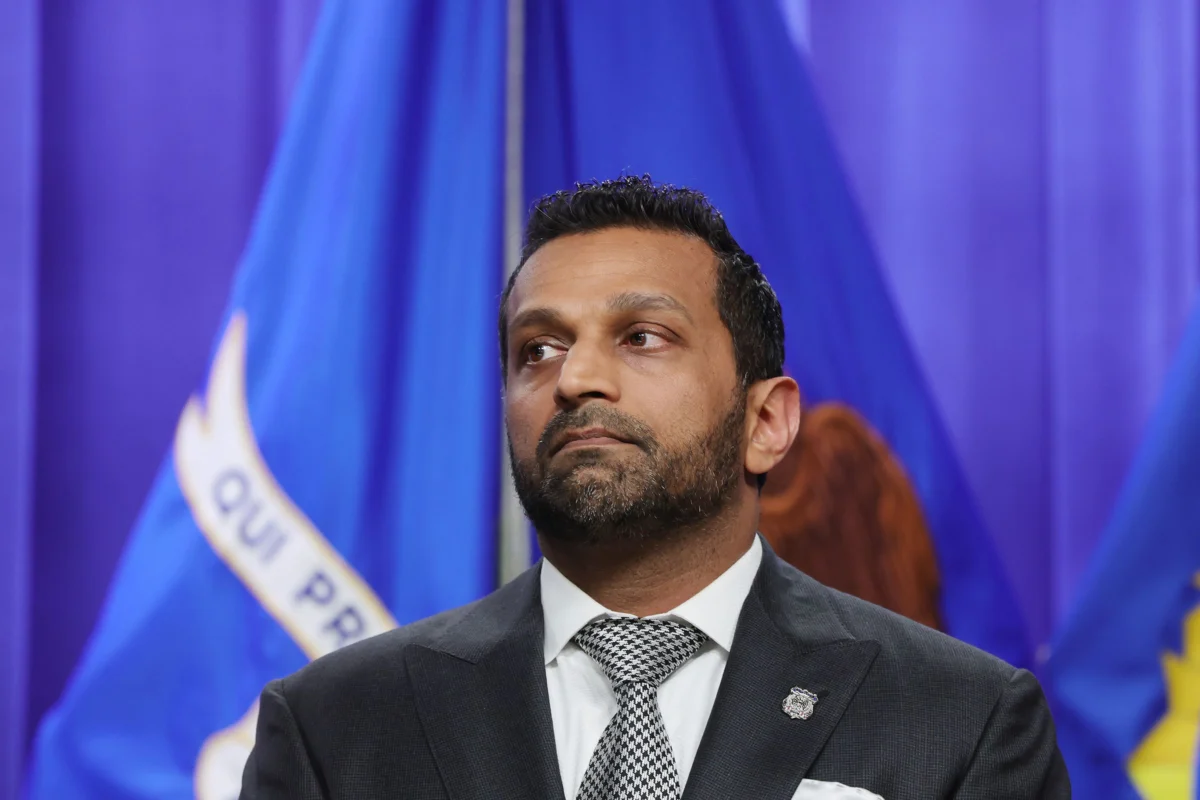
The role of the FBI’s internal oversight has been a point of extreme contention. Last May, FBI Director Kash Patel shuttered the Office of Internal Auditing (OIA), an entity that was previously credited with identifying and curbing systemic abuses. The new bill attempts to distribute these oversight responsibilities among various agencies, but without the central focus and independence that the OIA once provided, many observers fear that the culture of impunity will persist.
Representative Jim Himes, the ranking member of the House Intelligence Committee, has become a central figure in the push to pass the bill. Himes has defended the reauthorization, stating he has seen no evidence of program abuse under the current administration. However, this defense has been met with skepticism from advocacy groups and some of his own constituents. A coalition of Connecticut-based organizations recently issued a formal call for Himes to step down from his leadership position, accusing him of facilitating the preservation of a system that allows for the mass surveillance of American citizens.
Institutional Reactions and Broader Implications
The political spectrum is deeply divided on the implications of the bill. Senator Ron Wyden, a staunch critic of warrantless surveillance, has been vocal in his opposition, labeling the bill a "rubber stamp" for the current administration. Wyden argues that the legislation serves only to create a facade of compliance while failing to implement the warrant requirement that privacy advocates have long demanded.
The broader implications of the Section 702 reauthorization extend far beyond the walls of the Capitol. As the digital footprint of the average American continues to grow, the ability of federal agencies to access private communications without judicial oversight represents a significant shift in the relationship between the state and the individual. Legal scholars suggest that if this bill passes without meaningful changes, it could solidify the status of warrantless surveillance as a permanent fixture of American domestic policy, regardless of the constitutional questions that remain unresolved.
Furthermore, the lack of transparency surrounding the use of data brokers and the potential integration of purchased third-party data into the 702 database remains a major concern for civil libertarians. While the bill orders an audit by the Government Accountability Office (GAO), the audit is non-binding and relies on the cooperation of the intelligence community, which has historically been hesitant to disclose the technical mechanisms of its surveillance operations.
Looking Ahead
As the House prepares for the upcoming vote, the pressure on lawmakers is immense. The success of the "rebel" faction last week demonstrated that there is a significant appetite for reform, even within the majority party. For many, the question is not whether intelligence gathering is necessary, but whether it can be performed in a way that respects the fundamental rights of the American people.
The bill’s sponsors maintain that these measures are essential for national security, arguing that any delay or overly restrictive reform could create a "blind spot" in the nation’s ability to counter foreign threats. Conversely, opponents argue that a democracy cannot be sustained if the government operates in the shadows, unconstrained by the warrants and judicial review that form the bedrock of the American legal tradition.
With the current authorization set to expire, the coming days will likely see an intensification of lobbying efforts by both the intelligence community and privacy advocacy groups. The final version of the bill—or the failure to pass one—will serve as a defining moment for the current legislative session, setting the tone for the future of digital privacy and government accountability in the United States. Whether the proposed oversight provisions are viewed as a "legislative scam" or a pragmatic compromise will ultimately be decided by the House floor, but the underlying questions regarding the constitutional validity of the program are likely to persist long after the vote is cast.

Related Posts

The Las Vegas Cybersecurity Summit and the Escalating Threat of Autonomous Digital Exploitation

New York City Council members and privacy advocates launch legislative campaign to ban biometric facial recognition at public entertainment venues