FIFA faces antitrust probe as consumer groups challenge World Cup ticket monopoly
A coalition representing European football fans and consumer rights advocates has formally escalated its battle against football’s global governing body, filing a comprehensive complaint with the European Commission that accuses FIFA of engaging in systematic antitrust violations. The filing, submitted by Euroconsumers and Football Supporters Europe (FSE), alleges that FIFA is leveraging its absolute monopoly over World Cup ticket distribution to enforce exorbitant pricing, utilize deceptive marketing practices, and impose unfair contractual conditions on millions of supporters worldwide. This legal challenge, which invokes Article 102 of the Treaty on the Functioning of the European Union (TFEU), represents a significant shift in how European regulators are being asked to oversee the commercial activities of non-profit sports associations.
The core of the complaint centers on the assertion that FIFA operates without the constraints of a competitive market. By controlling the entire ticketing lifecycle for the 2026 World Cup, the organization is accused of exploiting its dominant market position to extract maximum revenue at the expense of accessibility. As the tournament approaches, the tension between the commercial interests of football’s elite governing body and the rights of the average fan has reached a breaking point, drawing the attention of Brussels regulators who are increasingly wary of the unchecked power held by global sports federations.
The Mechanics of the Alleged Monopoly
At the heart of the legal argument is the concept of a "closed-loop" market. FIFA acts as the sole architect, seller, and regulator of World Cup tickets. According to the complaint, this lack of competition allows for practices that would be scrutinized in almost any other commercial sector. Romane Armangau, a spokesperson for Euroconsumers, emphasized that the organization’s power is being used to manipulate consumer behavior. "FIFA has a complete monopoly over World Cup ticket sales," Armangau stated. "They are using that power to charge prices that would not exist in a normal competitive market, while hiding information from buyers and manipulating them into rushed decisions."
The complaint details several specific practices that the groups argue are anticompetitive. One such issue is the "variable pricing" model, which enables the governing body to fluctuate prices based on demand surges. This dynamic pricing, while common in airline and hotel industries, is viewed by consumer advocates as inherently predatory in a market where the consumer has no alternative options for purchasing tickets to a specific, unique event. Furthermore, the groups point to "dark patterns"—sophisticated digital interface designs that create artificial scarcity and time-pressure—which they argue coerce fans into finalizing purchases before they have sufficient information regarding seat quality or the specific nature of the event experience.
A Financial Barrier to Entry
The economic implications for the average fan are profound. While FIFA continues to advertise "entry-level" tickets starting at approximately $60, the complaint alleges that the availability of these lower-tier seats is negligible. Conversely, premium tickets for high-stakes matches, including the final, have reached prices exceeding $4,000, creating an environment where only the most affluent supporters can participate in the tournament’s flagship moments.
Beyond the initial purchase price, the complaint highlights a hidden layer of costs. Fans attempting to resell their tickets through authorized channels are allegedly subject to a 15 percent service fee. This structure effectively ensures that FIFA retains a cut of every financial transaction associated with the event, regardless of whether the original purchaser is able to attend. For many supporters, the cumulative effect of these fees and the high starting prices has transformed the World Cup from a public-facing global celebration into a luxury experience.

Legal Precedent and the Shift in EU Sports Governance
The legal foundation of this complaint relies heavily on the landmark December 2023 ruling regarding the European Super League. In that decision, the Court of Justice of the European Union (CJEU) clarified that governing bodies like FIFA and UEFA are not immune to competition law when they act as both regulators and commercial entities. By establishing that these organizations can be held liable for abusing a dominant position, the court effectively opened the door for this current challenge.
Legal analysts suggest that the European Commission now has a clearer mandate to intervene in the commercial operations of sports federations. If the Commission determines that FIFA’s ticketing practices constitute an abuse of dominance, it could mandate significant structural changes, including the imposition of price caps, requirements for transparent seat allocation, and the elimination of restrictive resale policies. Such an intervention would set a major precedent, signaling to other international sports organizations that their commercial practices are subject to the same rigorous oversight as any other large-scale corporation.
Political Tensions and Safety Concerns
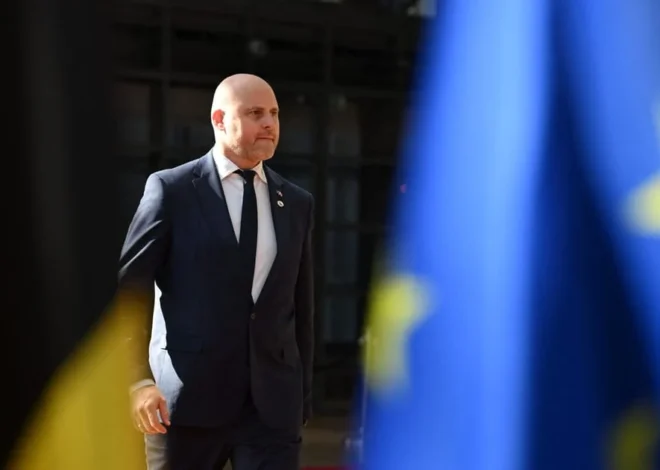
The antitrust complaint arrives during a period of heightened friction between FIFA and European institutions. Earlier in March 2026, EU Sports Commissioner Glenn Micallef raised significant alarm regarding the logistical and security challenges of the upcoming tournament. Micallef specifically highlighted the complexities associated with hosting a tournament where certain participating nations are currently involved in active conflict.
Beyond security, Micallef expressed sharp disapproval of FIFA’s recent alignment with the "Board of Peace," an initiative led by former U.S. President Donald Trump. Many European officials view this body as an attempt to bypass established international frameworks, such as the United Nations, in managing diplomatic relations surrounding the event. The combination of these political controversies and the consumer-focused antitrust complaint suggests that FIFA’s relationship with the European Union is undergoing its most turbulent period in recent history.
Chronology of the 2026 World Cup Ticketing Controversy
- Mid-2025: Initial concerns are raised by fan groups regarding the complexity of the digital ticketing portal and the lack of clarity surrounding ticket categories.
- January 2026: FIFA announces the final phase of ticket pricing, drawing immediate criticism for the high cost of premium categories and the scarcity of low-cost tickets.
- February 2026: European Sports Commissioner Glenn Micallef publicly questions the transparency of FIFA’s operational assurances for fans.
- March 2026 (Early): Reports emerge detailing the partnership between FIFA and the "Board of Peace," sparking further legislative scrutiny in Brussels.
- March 24, 2026: Euroconsumers and Football Supporters Europe formally file an antitrust complaint with the European Commission, citing Article 102 of the TFEU.
Implications and the Road Ahead
The potential for the European Commission to issue "interim measures" remains the most pressing concern for FIFA. Such measures could force an immediate freeze on ticket sales or mandate price adjustments before the tournament officially commences. As Romane Armangau noted, "Once those matches are played, the harm to fans cannot be undone."
The broader implications of this case extend well beyond the 2026 World Cup. As the sport continues to commodify at an accelerated rate, the conflict between accessibility and profitability will likely intensify. Should the European Commission rule in favor of the consumer groups, it would fundamentally alter the business model of international sporting events. The era of unchecked authority for governing bodies appears to be drawing to a close, as the intersection of fan rights, digital transparency, and European competition law creates a new, more rigorous framework for global sports administration.
For now, all eyes are on Brussels. The Commission’s response will dictate whether FIFA must adapt its commercial strategies to align with the standards of a fair, competitive, and transparent marketplace. For the millions of fans who have waited years for the tournament, the outcome of this legal challenge could be the difference between inclusion in a historic sporting moment and being priced out of the game entirely.