European Commission President Ursula von der Leyen pushes for major EU reform following the decisive electoral shift in Hungary
The landscape of European diplomacy shifted dramatically on April 13, 2026, as European Commission President Ursula von der Leyen seized upon the political transition in Budapest to advocate for a fundamental restructuring of how the European Union conducts its foreign policy. Less than twenty-four hours after the announcement that Viktor Orbán’s sixteen-year tenure as Hungary’s Prime Minister had come to an end, von der Leyen signaled that the European bloc must move rapidly to dismantle the veto power currently held by individual member states.
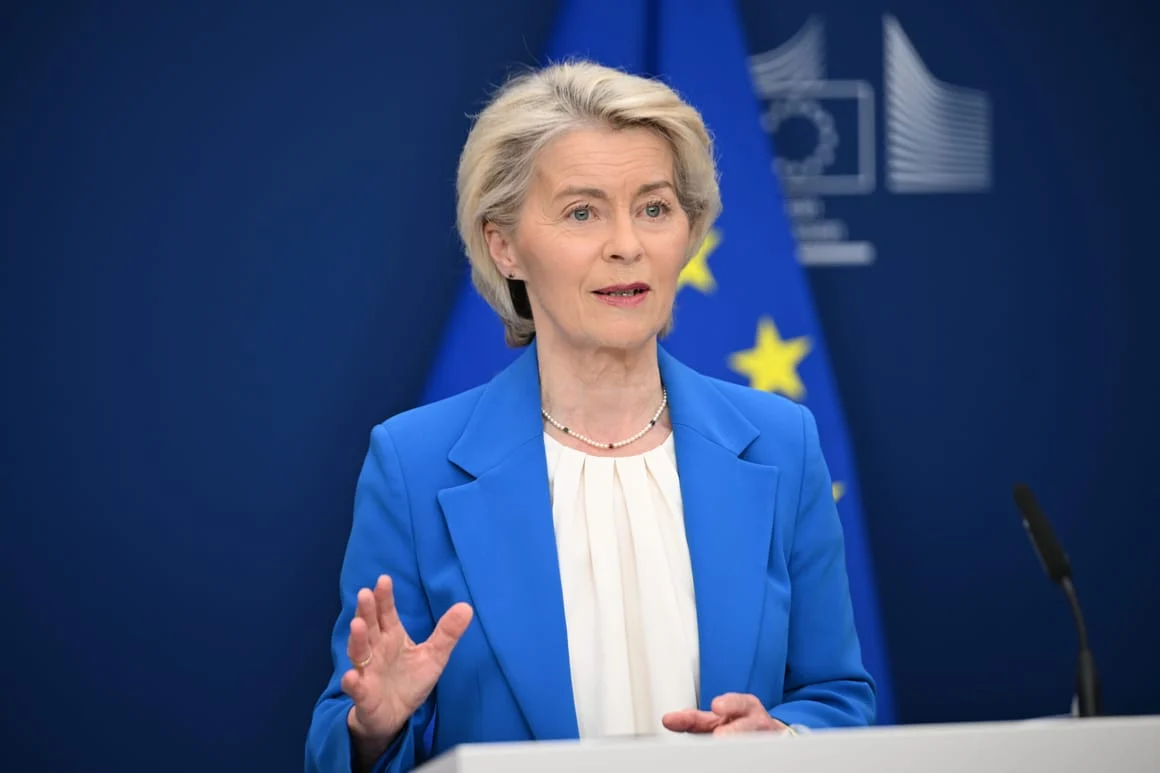
Speaking at a press conference in Brussels, the Commission President characterized the defeat of the incumbent administration as a "day to celebrate" for the European project. However, her remarks quickly pivoted from celebratory rhetoric to a call for institutional reform. Von der Leyen argued that the departure of a leader who frequently utilized the national veto to stall, dilute, or block foreign policy initiatives—specifically regarding sanctions against Russia and financial aid packages for Ukraine—provides a unique "momentum" to transition toward a system of qualified majority voting (QMV).
A New Chapter for Hungary and the EU
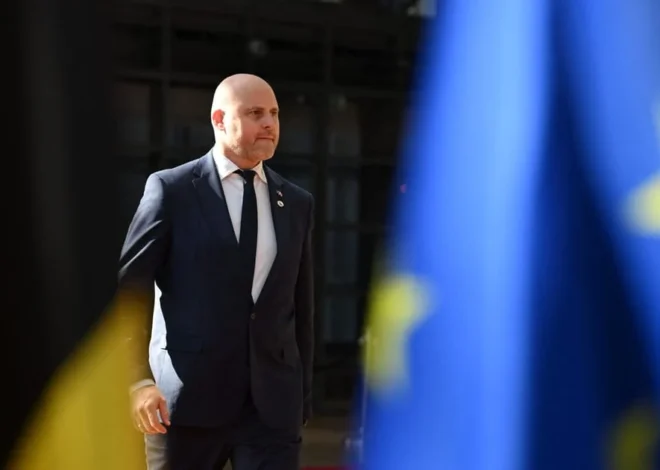
The election results in Hungary represent the most significant political realignment in Central Europe since the country’s accession to the European Union in 2004. Péter Magyar, the incoming Prime Minister, secured a victory that saw the highest voter turnout in the nation’s democratic history. His campaign, which focused heavily on repairing ties with Brussels, addressing domestic corruption, and distancing Hungary from the influence of Moscow and the populist right-wing movements in the United States, appears to have resonated deeply with a public fatigued by years of diplomatic isolation.
For the European Commission, the shift is more than just a change in personnel; it is an opportunity to reclaim a seat at the table of European consensus. Von der Leyen noted that the Commission intends to engage immediately with the incoming Hungarian government to expedite the release of frozen EU funds, contingent upon structural reforms in the rule of law and judicial independence. "The people of Hungary have spoken, and they have reclaimed their European task," von der Leyen stated, emphasizing that the new government’s commitment to the European path offers a clear roadmap for reintegration.
The Mechanism of Change: From Unanimity to Majority
At the heart of the current debate is the principle of unanimity, which currently governs Article 31 of the Treaty on European Union. This article requires that all 27 member states agree on foreign and security policy before the EU can take unified action. Critics, including von der Leyen and various leaders in the European Parliament, argue that this requirement turns individual member states into "hostage-takers," capable of paralyzing the entire bloc to leverage domestic political interests or signal alignment with non-EU powers.
The transition to Qualified Majority Voting (QMV) would mean that a decision could be passed if 55% of member states, representing at least 65% of the total EU population, vote in favor. Proponents argue this is the only way for a bloc of 27 nations—and eventually more—to remain relevant in a geopolitical environment dominated by global superpowers like China and the United States.
Chronology of the Diplomatic Friction
The tension between Budapest and Brussels has been a defining feature of European politics for the past decade. A brief timeline illustrates the mounting pressure that led to the current push for reform:

- 2010–2018: The consolidation of Viktor Orbán’s power leads to the implementation of the "National Consultation" system and a series of constitutional changes that trigger the first Article 7 proceedings—a mechanism to suspend a member state’s rights due to rule-of-law violations.
- 2022: Following the Russian invasion of Ukraine, Hungary repeatedly threatens to veto EU aid packages for Kyiv, forcing late-night negotiations and watered-down versions of sanctions, which creates deep-seated resentment among other member states.
- 2024–2025: The European Commission maintains a strict stance on the "Conditionality Mechanism," withholding billions in recovery funds from Hungary until specific judicial milestones are met. The standoff creates a permanent state of tension within the European Council.
- April 12, 2026: Hungary holds a general election with record-breaking turnout. Initial results indicate a landslide victory for Péter Magyar, ending the Orbán era.
- April 13, 2026: Ursula von der Leyen holds a press conference in Brussels, explicitly calling for an end to the national veto in foreign policy.
The Geopolitical Stakes and Internal Resistance
Despite the optimism in Brussels, the proposal to abolish the unanimity rule faces significant hurdles. While the Commission frames this as a necessary evolution, several smaller member states remain deeply skeptical. Countries such as Ireland, Malta, and even traditionally pro-EU nations like the Netherlands have historically been wary of losing their sovereignty in matters of national interest.
The fear among these smaller states is that a move to QMV would allow larger nations, such as Germany and France, to dominate the foreign policy agenda, potentially forcing smaller states to support actions that conflict with their national security interests or economic dependencies. Furthermore, any change to the treaty-based decision-making process requires unanimous approval by all 27 member states, meaning that even if the new Hungarian government is cooperative, the European Council as a whole remains a difficult body to move.
Analysis of the Policy Shift
The implications of this proposal are profound. If implemented, a move toward majority voting would signal a transformation of the European Union into a more centralized, federalized entity regarding its external actions. This would arguably make the EU a more potent and agile actor on the global stage, capable of responding to crises with the speed of a single state rather than the sluggishness of a consensus-based organization.
However, the political cost could be high. By pushing for a change that erodes national sovereignty, the Commission risks alienating voters in nations where "Brussels-skepticism" remains a potent force. Analysts point out that while the departure of a populist leader like Orbán removes a specific obstacle, the underlying structural concerns of member states regarding autonomy remain unchanged.
Looking Ahead: The Hungarian Transition
As the incoming administration in Budapest begins its transition, the focus will turn toward the implementation of the reforms promised during the campaign. The European Commission has already indicated that it is prepared to provide technical assistance to help the new government align its legislative framework with EU standards.
"There is much work to be done. Hungary is coming back to the European heart," von der Leyen remarked. Yet, the path forward is complex. The new government must navigate a domestic landscape still populated by institutions and civil service sectors deeply influenced by sixteen years of Fidesz-led governance, while simultaneously managing the expectations of a European Union that is eager to see Hungary become a model, rather than an outlier, of democratic integration.
For now, the European Commission is treating the Hungarian election as a victory for the "European idea." Whether that victory can be leveraged into a permanent change in the EU’s institutional DNA remains the central question of the coming months. The debate over the veto is not merely a technical adjustment; it is a fundamental disagreement over what the European Union is and what it is intended to become: a loose confederation of sovereign states or a cohesive, integrated power. As the dust settles on the Hungarian election, that fundamental debate has moved from the fringes to the very center of the European political agenda.