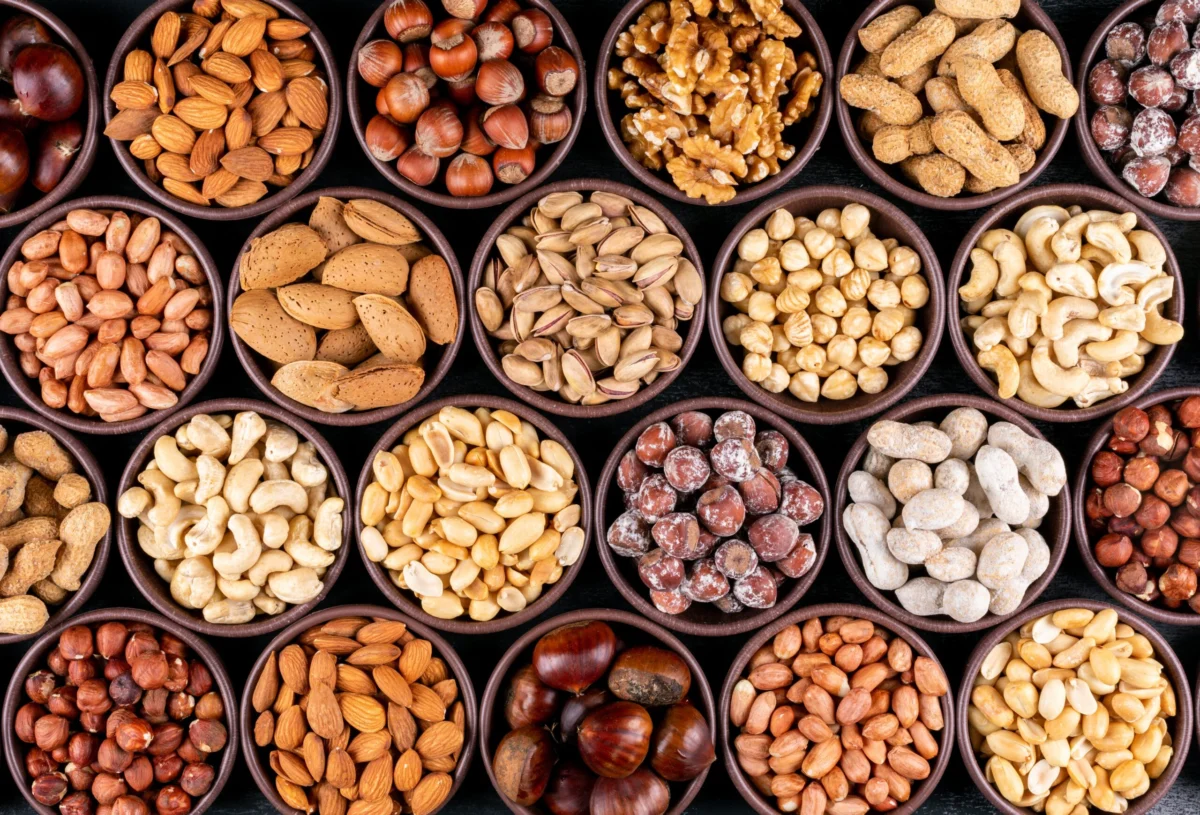
The Power of Tiny Titans: Nuts Emerge as Cardiovascular Champions Recommended by Cardiologists
The intricate mechanics of maintaining a healthy heart extend far beyond the well-trodden paths of regular exercise and annual medical check-ups. Increasingly, the scientific and medical communities are spotlighting the profound and often underestimated influence of diet on cardiovascular function. In this burgeoning landscape of nutritional science, a consensus is forming among cardiologists regarding a specific group of nutrient-dense powerhouses: nuts. These seemingly small edibles, packed with essential compounds, are proving to be significant allies in the ongoing battle for robust cardiovascular health.
The heart, a vital organ roughly the size of a clenched fist, performs an astonishing feat of endurance, beating approximately 100,000 times each day. This relentless rhythm is the engine that drives the circulation of blood, ensuring the delivery of oxygen and vital nutrients to every corner of the body. Sustaining this monumental task requires a long-term commitment to healthy habits, and nutrition stands as a cornerstone of this commitment.
A growing body of scientific evidence unequivocally supports the beneficial impact of nuts on cardiovascular well-being. The Spanish Heart Foundation, a leading authority on cardiovascular health, highlights that regular nut consumption is consistently linked to improvements in critical markers such as blood pressure, cholesterol levels, and body weight management. These findings are not isolated; they represent a confluence of research from various institutions and disciplines, all pointing towards the potent cardioprotective properties of these natural wonders.
Delving deeper into the scientific underpinnings, a significant study published in the Journal of the American College of Nutrition, conducted by researchers at Louisiana State University, analyzed the dietary habits and health outcomes of over 13,000 adults. The findings were compelling: individuals who incorporated nuts into their regular diet exhibited a demonstrably lower risk of developing cardiovascular diseases. Specifically, the study identified a correlation between nut consumption and a reduction in the incidence of coronary heart disease events, strokes, and overall mortality related to cardiovascular issues. This large-scale observational study provides robust statistical backing for the anecdotal evidence and earlier smaller-scale trials.
The specific mechanisms by which nuts exert their beneficial effects are multifaceted. They are a rich source of monounsaturated and polyunsaturated fats, often referred to as "healthy fats." These fats play a crucial role in lowering LDL ("bad") cholesterol while simultaneously increasing HDL ("good") cholesterol, thereby improving the overall lipid profile in the blood. Beyond fats, nuts are also excellent sources of dietary fiber, which aids in digestion, promotes satiety, and can help regulate blood sugar levels, another crucial factor in cardiovascular health.
Furthermore, nuts are replete with antioxidants, such as vitamin E and selenium, which combat oxidative stress and inflammation – key contributors to the development of atherosclerosis, the hardening and narrowing of arteries. The presence of essential minerals like magnesium, potassium, and L-arginine also contributes to maintaining healthy blood pressure and improving blood vessel function. L-arginine, in particular, is a precursor to nitric oxide, a molecule that helps relax and widen blood vessels, facilitating better blood flow.
Among the vast array of nuts, cardiologists often highlight specific varieties for their exceptional contributions:
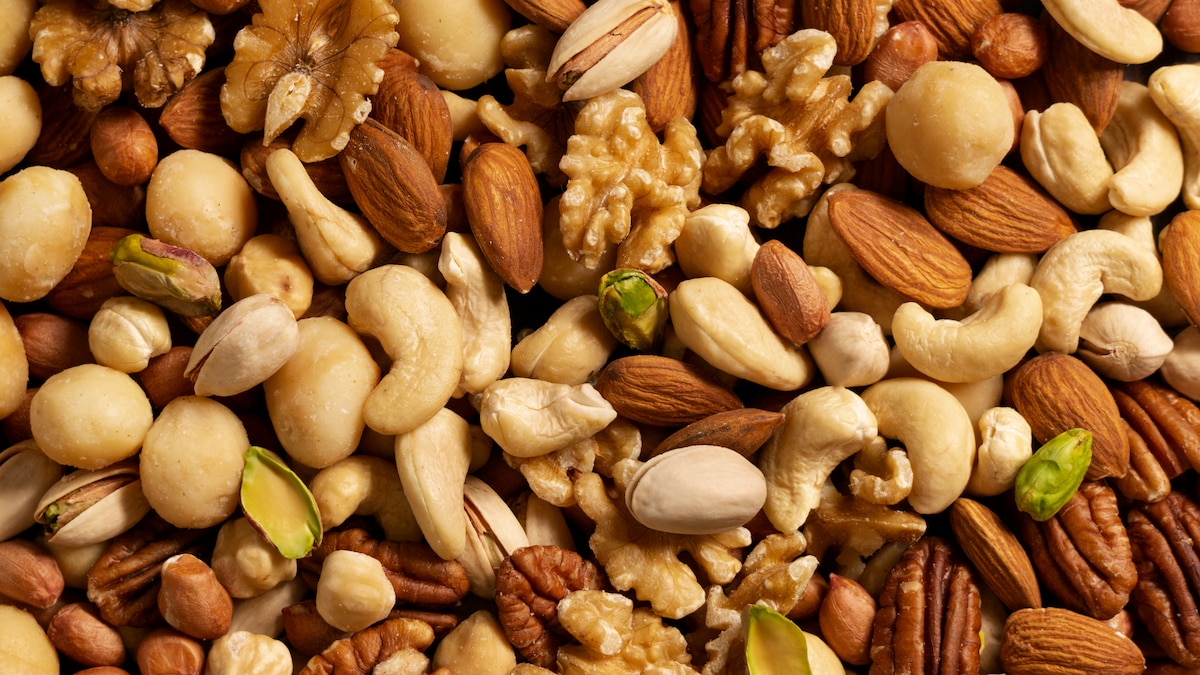
- Almonds: Rich in vitamin E, magnesium, and fiber, almonds are particularly beneficial for improving cholesterol levels and reducing inflammation. Their magnesium content also plays a role in regulating blood pressure and heart rhythm.
- Walnuts: Standing out for their high content of alpha-linolenic acid (ALA), a plant-based omega-3 fatty acid, walnuts are potent anti-inflammatory agents. Omega-3s are well-known for their ability to reduce triglycerides, prevent blood clots, and improve arterial function.
- Pistachios: These vibrant nuts offer a good source of potassium, which helps balance sodium levels and maintain healthy blood pressure. They also contain beneficial antioxidants like lutein and zeaxanthin, which are good for eye health and may have anti-inflammatory properties.
- Pecans: Pecans are a good source of monounsaturated fats and antioxidants. They also provide fiber and essential minerals that support overall cardiovascular function.
- Hazelnuts: Rich in monounsaturated fats, vitamin E, and magnesium, hazelnuts contribute to lowering LDL cholesterol and protecting against oxidative damage.
While the benefits are substantial, experts emphasize the importance of mindful consumption. The inherent caloric density of nuts necessitates moderation to avoid unintended weight gain, which can counteract their positive effects. The recommendations from health professionals generally suggest a daily portion of approximately one ounce, or about a small handful. This is roughly equivalent to 20-24 almonds, 14 walnut halves, or 49 pistachios.
Key recommendations for optimal nut consumption include:
- Opt for Unsalted and Unroasted Varieties: Salting nuts can significantly increase sodium intake, which is detrimental to blood pressure management. Roasting, especially dry roasting, is generally acceptable, but avoid nuts roasted in oil, which can add unhealthy fats.
- Prioritize Whole Nuts: Processed nut products, such as candied nuts or those coated in chocolate, often contain added sugars and unhealthy fats that diminish their health benefits.
- Incorporate Them as Snacks or Meal Additions: Nuts can be enjoyed as a standalone snack, added to salads, yogurt, oatmeal, or incorporated into savory dishes.
- Be Mindful of Portion Sizes: Due to their calorie content, it’s crucial to stick to recommended serving sizes to harness their benefits without contributing to weight gain.
The integration of nuts into a daily diet can be achieved through various simple yet effective methods. They can serve as a convenient and satisfying mid-morning or afternoon snack, helping to curb hunger and prevent overeating at subsequent meals. Sprinkling chopped nuts over a morning bowl of oatmeal or yogurt adds texture, flavor, and a significant nutritional boost. In salads, nuts provide a delightful crunch and a wealth of nutrients, transforming a simple dish into a heart-healthy meal component. Furthermore, nuts can be incorporated into homemade trail mixes, providing sustained energy for active individuals. For those who enjoy cooking, ground nuts can be used as a binder in meatloaf or as a coating for fish and chicken, offering a healthier alternative to breadcrumbs.
It is imperative to understand that nuts are not a panacea for all cardiovascular ailments. They function most effectively as part of a comprehensive dietary strategy. Cardiologists strongly advocate for complementing nut consumption with a diet rich in fruits, vegetables, legumes, and whole grains. Conversely, reducing the intake of salt, added sugars, and saturated and trans fats is equally crucial for fostering a heart-healthy lifestyle. This holistic approach to nutrition, encompassing both the inclusion of beneficial foods and the limitation of detrimental ones, creates a synergistic effect that maximizes positive outcomes for cardiovascular health.
The long-term implications of dietary choices on heart health are profound. Cardiovascular diseases remain a leading cause of mortality worldwide, and preventive strategies are of paramount importance. The growing body of evidence supporting the role of nuts in this prevention offers a tangible and accessible dietary intervention for a broad population. By making informed choices about the foods we consume, individuals can actively participate in safeguarding their cardiovascular well-being and reducing their risk of developing serious health complications.
However, it is crucial to acknowledge that individual dietary needs and responses can vary. Before embarking on any significant changes to one’s diet, particularly the incorporation or modification of regular nut consumption, consulting with a healthcare professional or a registered dietitian is highly recommended. These experts can provide personalized guidance based on an individual’s specific health status, existing medical conditions, allergies, and dietary preferences. This personalized approach ensures that dietary recommendations are safe, effective, and sustainable.
There are specific populations for whom nut consumption may require careful consideration or avoidance. Individuals with known allergies to nuts must, of course, abstain from them entirely. Those adhering to very low-calorie diets might need to be particularly judicious with portion sizes due to the high caloric density of nuts. For individuals with hypertension, consuming salted varieties of nuts can be counterproductive and should be strictly avoided; unsalted options are essential. Furthermore, individuals with certain kidney diseases may need to limit their intake of nuts due to their potassium and phosphorus content. A healthcare provider can offer tailored advice for these individuals.
The growing awareness of the cardiovascular benefits of nuts is a positive development in public health. As research continues to illuminate the intricate relationship between diet and heart health, the humble nut is emerging from the pantry to take its rightful place as a champion of our most vital organ. By embracing these tiny titans as part of a balanced and informed dietary approach, individuals can make a significant stride towards a healthier, more vibrant heart.

Related Posts

The Electric Vehicle Battery Health Debate Emerges as Argentina’s EV Market Accelerates

President Donald Trump Confirms Secret Departure from Turkey Amidst Assassination Threat