Activists Demand Shift in Hong Kong’s Wildlife Conflict Resolution Strategy Following Consecutive Incidents
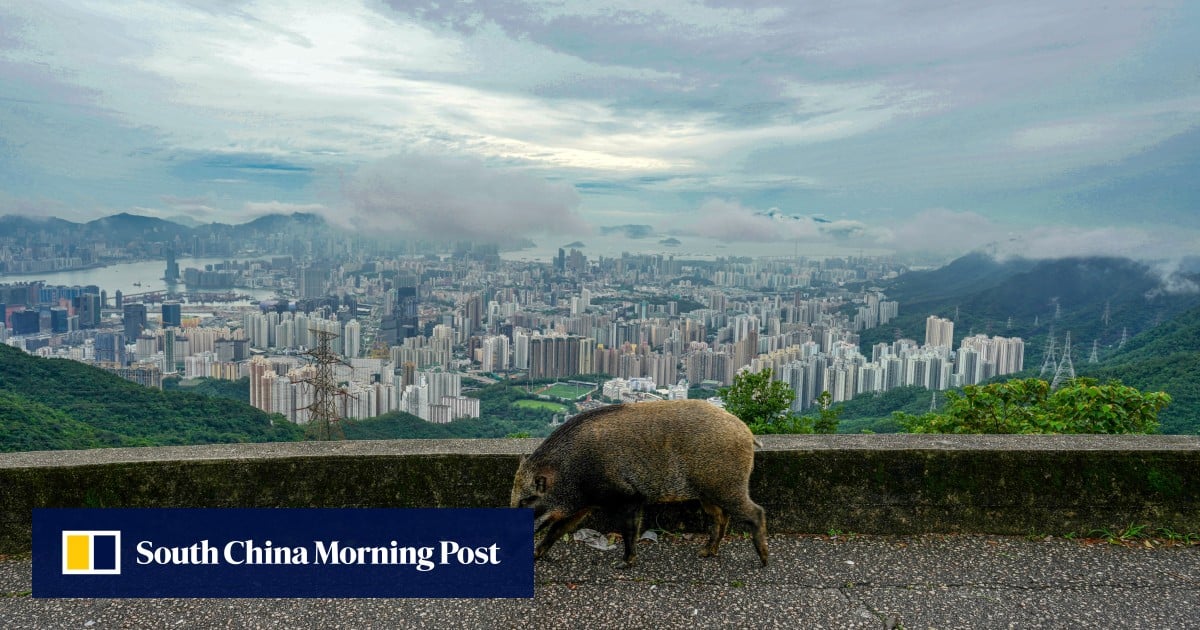
Activists are calling for a fundamental re-evaluation of Hong Kong’s approach to mitigating human-wildlife conflict, particularly concerning wild boars and other urban wildlife. The plea comes in the wake of two significant incidents occurring on consecutive days, which have reignited public debate and highlighted perceived shortcomings in current government strategies. The recent events, including the culling of a family of wild boars and a fatal traffic accident involving a buffalo, underscore the growing need for more sustainable and humane solutions that prioritize coexistence over eradication.
Escalating Encounters: A Tale of Two Days
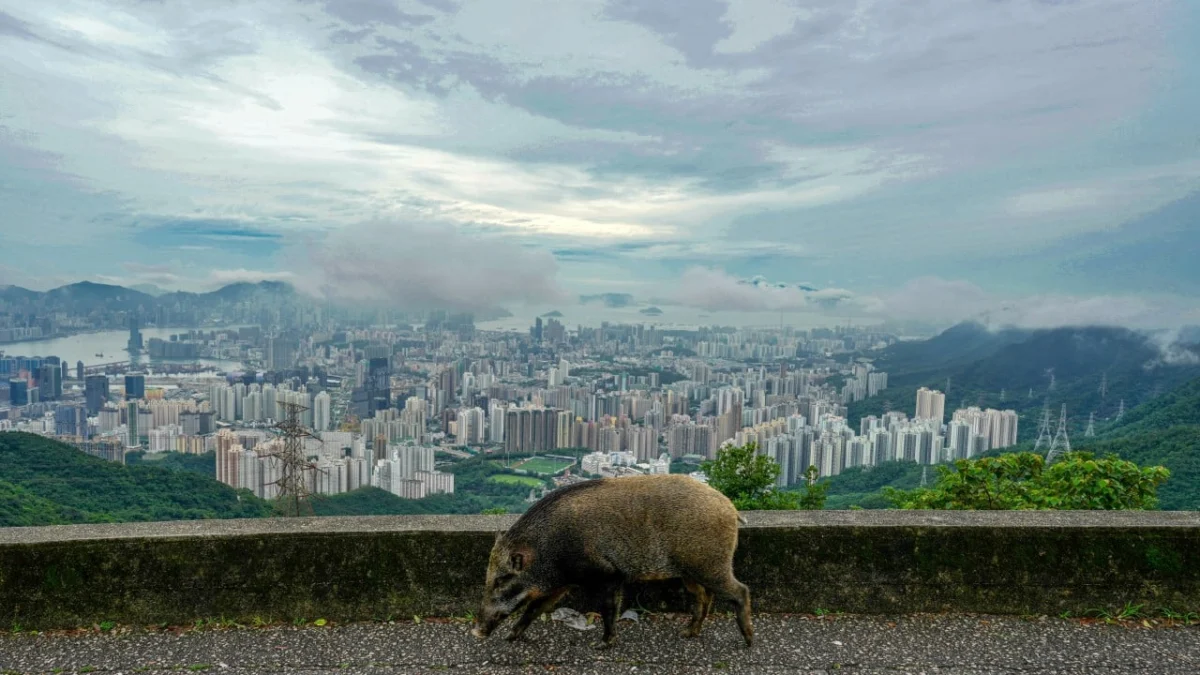
The immediate catalyst for the renewed calls for action involved two distinct but equally concerning events. On Tuesday, authorities culled eight wild boars – two adults and six juveniles – after they entered a residential area in Wong Tai Sin, near Chuk Yuen North Estate. This operation, which involved the humane euthanasia of the animals, sparked immediate condemnation from animal welfare advocates.
The following day, a substantial traffic disruption occurred in Yuen Long when a buffalo was struck by a vehicle on a highway. The incident caused significant delays and ultimately led to the buffalo being euthanized due to its injuries. This second event, while involving a different species, underscored a broader pattern of wildlife encountering hazardous urban and transport infrastructure, often with tragic consequences.
The Culling Debate: A Policy Under Scrutiny
The euthanization of the wild boars in Wong Tai Sin brought the government’s current culling policy, implemented in 2021, back into sharp focus. This policy replaced a previous strategy that involved capturing, sterilizing, and relocating wild animals. Proponents of the culling policy argued that it was a necessary measure to manage the growing wild boar population and reduce risks to public safety and property. However, animal rights groups have consistently argued that culling is an inhumane and ultimately ineffective solution that fails to address the root causes of human-wildlife conflict.
The Hong Kong Wild Boar Concern Group, a prominent advocacy organization, has been vocal in its opposition to the culling. Following the Wong Tai Sin incident, the group unequivocally condemned the operation as "brutal," emphasizing that the animals were simply seeking food and shelter in an increasingly encroached-upon environment. They contend that the government’s focus on eliminating animals ignores the fundamental issue of habitat loss and the increasing overlap between urban development and wildlife corridors.
Broader Context: Urban Expansion and Habitat Erosion
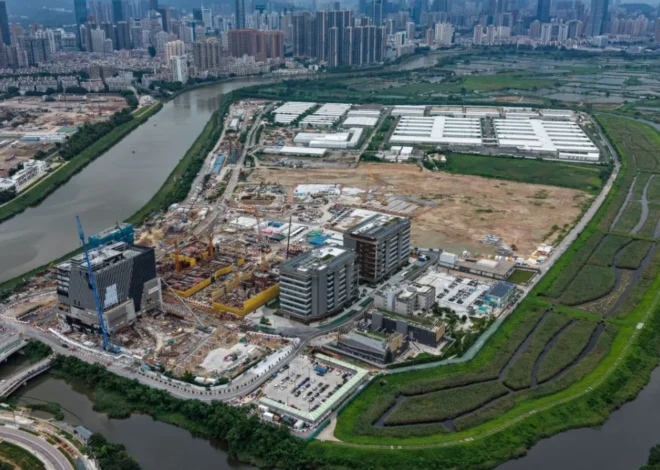
The incidents are occurring against a backdrop of significant urban expansion in Hong Kong, most notably the ambitious Northern Metropolis project. This large-scale development aims to transform a vast area into a new economic and residential hub, inevitably leading to the clearing of substantial tracts of land. Activists argue that such projects, if not meticulously planned with wildlife considerations at their core, will further fragment and diminish crucial habitats for wild animals. This erosion of natural spaces forces animals to venture into urban environments in search of sustenance and refuge, thereby increasing the likelihood of conflict.
This trend is not unique to Hong Kong. Globally, rapid urbanization and habitat destruction are primary drivers of increased human-wildlife encounters. As human settlements expand into previously undeveloped areas, the boundaries between natural and built environments become increasingly blurred. This necessitates proactive and integrated planning that accounts for the ecological needs of local fauna.
A Call for Alternative Solutions: Beyond Culling
Animal rights groups are not merely criticizing existing policies; they are actively advocating for a paradigm shift in how Hong Kong manages its relationship with wildlife. Their proposed solutions extend beyond reactive measures like culling and aim to foster long-term coexistence.
Key among these proposals is the development of animal bridges and underpasses. These infrastructure solutions are designed to allow wildlife to safely cross busy roads and human-dominated landscapes, minimizing the risk of vehicle collisions. Such measures have proven effective in other parts of the world where similar challenges exist. For instance, in countries like the United States and Canada, wildlife crossings have significantly reduced animal-vehicle accidents on major highways.
Furthermore, activists emphasize the importance of improved waste management. Improperly stored or accessible refuse is a significant attractant for wild animals, drawing them into urban areas. Implementing stricter regulations, providing more secure waste receptacles, and enhancing public education on responsible waste disposal can play a crucial role in deterring animals from seeking food in residential zones.
Another critical element of their proposed strategy involves habitat restoration and protection. Instead of viewing urban expansion as an inevitable encroachment, activists suggest that development plans should incorporate significant green corridors, protected natural areas, and ecological buffer zones. This approach would not only preserve existing habitats but also create new ones, providing animals with viable alternatives to urban foraging.
Data and Trends: Understanding the Wild Boar Population
To provide a more comprehensive understanding of the wild boar situation, relevant data offers valuable context. According to figures released by the Agriculture, Fisheries and Conservation Department (AFCD), the estimated wild boar population in Hong Kong has seen fluctuations. Prior to 2021, concerns over a rapidly increasing population led to discussions about management strategies. Reports from 2022 indicated an estimated population of approximately 1,830 wild boars. However, more recent estimates suggest a significant decline, with figures dropping to around 900 in early 2024. This decline has been attributed by some to the culling policy, while others suggest natural factors and environmental changes may also play a role. Regardless of the precise reasons for the population decrease, the recent incidents highlight that even with a potentially reduced population, encounters and conflicts persist, suggesting that population numbers alone are not the sole determinant of conflict.
Official Responses and Future Outlook
The government, through bodies like the AFCD, has maintained that its current policies are based on scientific assessments and aim to balance public safety with animal welfare. Following the recent incidents, officials have reiterated their commitment to monitoring the wild boar population and adapting management strategies as needed. They often emphasize that culling is a last resort, employed when animals exhibit aggressive behavior or pose a significant threat to public safety.
However, the persistent calls from animal welfare groups indicate a lack of consensus on the effectiveness and ethical implications of these strategies. The incidents involving both the wild boars and the buffalo serve as stark reminders of the complex challenges that arise when urban environments intersect with natural ecosystems. The long-term implications of continued human-wildlife conflict could include increased risks to public health and safety, significant economic costs associated with property damage and traffic disruptions, and the potential for irreversible ecological damage.
The Broader Impact: A Test for Urban Planning
The situation in Hong Kong is a microcosm of a global challenge: how to effectively integrate human development with the preservation of biodiversity. The Northern Metropolis project, while promising economic growth, also presents a critical opportunity to set a precedent for wildlife-conscious urban planning. The success of such initiatives hinges on the willingness of authorities to engage with diverse stakeholders, including environmentalists, urban planners, and local communities, to develop comprehensive and forward-thinking solutions.
The future of human-wildlife coexistence in Hong Kong, and indeed in many urbanized regions worldwide, depends on a willingness to move beyond reactive measures and embrace proactive, integrated, and ethical approaches to conservation and development. The recent incidents, while regrettable, offer a crucial moment for reflection and a potential catalyst for meaningful change in how Hong Kong navigates its relationship with its wild inhabitants. The path forward requires not just policy adjustments but a fundamental shift in perspective, recognizing that a truly sustainable future is one where both humans and wildlife can thrive.