Iranian Ballistic Missile and Drone Strikes Kill Two US Service Members in Jordan as Regional Conflict Escalates
United States Central Command (CENTCOM) confirmed on Friday that two U.S. service members were killed in action following a sophisticated Iranian ballistic missile and drone assault targeting U.S. and partner forces stationed in Jordan. The attack, which represents a significant escalation in the ongoing regional conflict, also left one service member missing and four others wounded severely enough to require medical evacuation to Jordanian hospitals.
According to a formal statement released by CENTCOM via official channels, the four evacuated personnel have since been treated and discharged. Other personnel who sustained minor injuries during the kinetic engagement were evaluated by medical teams on-site and have already returned to their respective duties. In accordance with Department of Defense policy, the identities of the deceased are being withheld for 24 hours following the completion of next-of-kin notification processes.
This latest strike marks a grim milestone in a conflict that has seen a steady increase in casualties and high-intensity engagements. While the exact location of the Friday attack remains classified for operational security reasons, the incident has sent shockwaves through the diplomatic and military communities, raising urgent questions regarding the efficacy of current regional air defense umbrellas and the potential for a wider, more direct confrontation.
Details of the Friday Assault
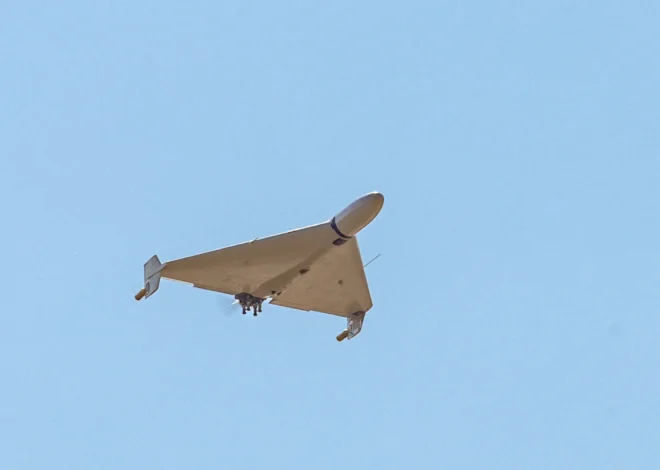
The attack on Friday was characterized by military analysts as a "complex strike," involving a synchronized launch of ballistic missiles and one-way attack drones, often referred to as "suicide drones." This combination is designed to overwhelm Integrated Air and Missile Defense (IAMD) systems by forcing them to track and intercept targets moving at vastly different altitudes and velocities.
Initial reports suggest that the Iranian-origin assets were launched from sites outside Jordan, traversing international borders before striking the facility where U.S. and partner forces were conducting routine operations. The presence of ballistic missiles—which travel at hypersonic speeds during their terminal phase—indicates a shift in tactics from the more common low-slow drone or rocket attacks previously attributed to regional proxies.
The "missing" status of the third service member has prompted an intensive search and rescue (SAR) operation. Military officials have not specified whether the individual was lost during the initial blast, in the subsequent structural collapses, or during the chaotic moments following the primary impact. SAR teams, supported by aerial surveillance and ground-based reconnaissance units, are currently scouring the area of operations.
A Growing Toll: The Context of the February 28 Campaign
The casualties reported on Friday bring the total number of American service members killed since the onset of the current campaign against Iranian-aligned threats to 16. This campaign, which the Department of Defense traces back to February 28, has seen a marked increase in the frequency and lethality of attacks directed at U.S. installations across the Middle East, particularly in Iraq, Syria, and now Jordan.
Prior to Friday’s events, the most recent high-profile fatality occurred on July 1, involving Commander Gabriel Edwards, the commanding officer of the Navy’s Helicopter Sea Combat Squadron 5. Cmdr. Edwards was killed when his MH-60S Sea Hawk helicopter went down in the Arabian Sea. While three other sailors were rescued in that incident, the loss of a high-ranking squadron commander underscored the persistent dangers faced by U.S. forces operating in the contested waters and airspace of the region.
Beyond the fatalities, the human cost of the conflict has been extensive. More than 400 U.S. troops have been wounded since late February. These injuries range from Traumatic Brain Injuries (TBI) resulting from blast overpressure to severe shrapnel wounds and orthopedic injuries. The medical infrastructure in the region, including facilities in Jordan and the Landstuhl Regional Medical Center in Germany, has been under sustained pressure to manage the flow of wounded personnel.
Technical Profile of the Threat: Ballistic Missiles and Drones
The use of Iranian ballistic missiles in this attack highlights the technological proliferation that has reshaped Middle Eastern battlefields. Military intelligence indicates that Iran’s arsenal includes various short-to-medium-range ballistic missiles (SRBMs and MRBMs), such as the Fateh-110 and the Zolfaghar, which are capable of high precision.
Furthermore, the integration of Shahed-series drones—the same technology seen extensively in the conflict in Ukraine—allows for a "swarming" effect. These drones are cheap to produce, difficult to detect on traditional radar due to their small size and low altitude, and can be used to "soak up" expensive interceptor missiles like the MIM-104 Patriot, leaving the base vulnerable to the much faster ballistic missiles that follow.
The Friday attack suggests a high level of intelligence and surveillance on the part of the attackers, as the strikes hit personnel areas during a period of high vulnerability. The move from proxy-led harassment to direct, high-lethality strikes using sophisticated state-level hardware represents a significant pivot in the theater’s threat landscape.
Jordan’s Strategic Role and Regional Stability
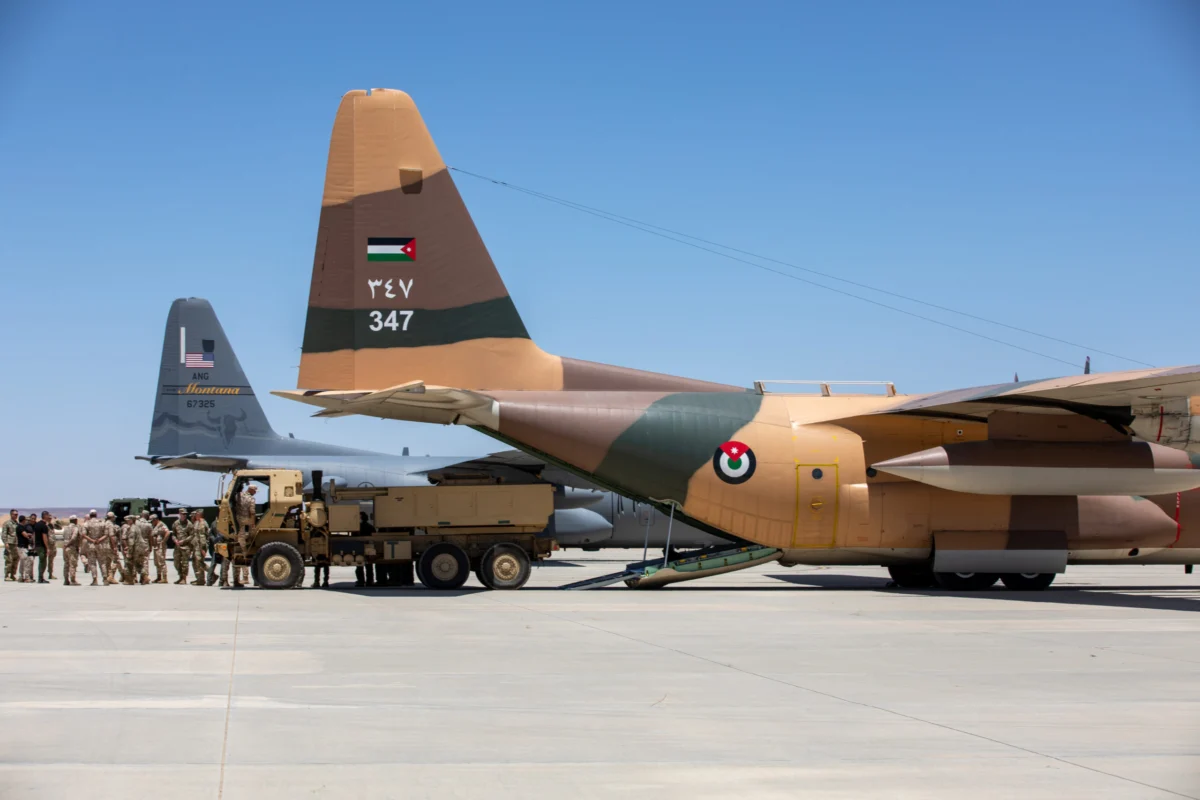
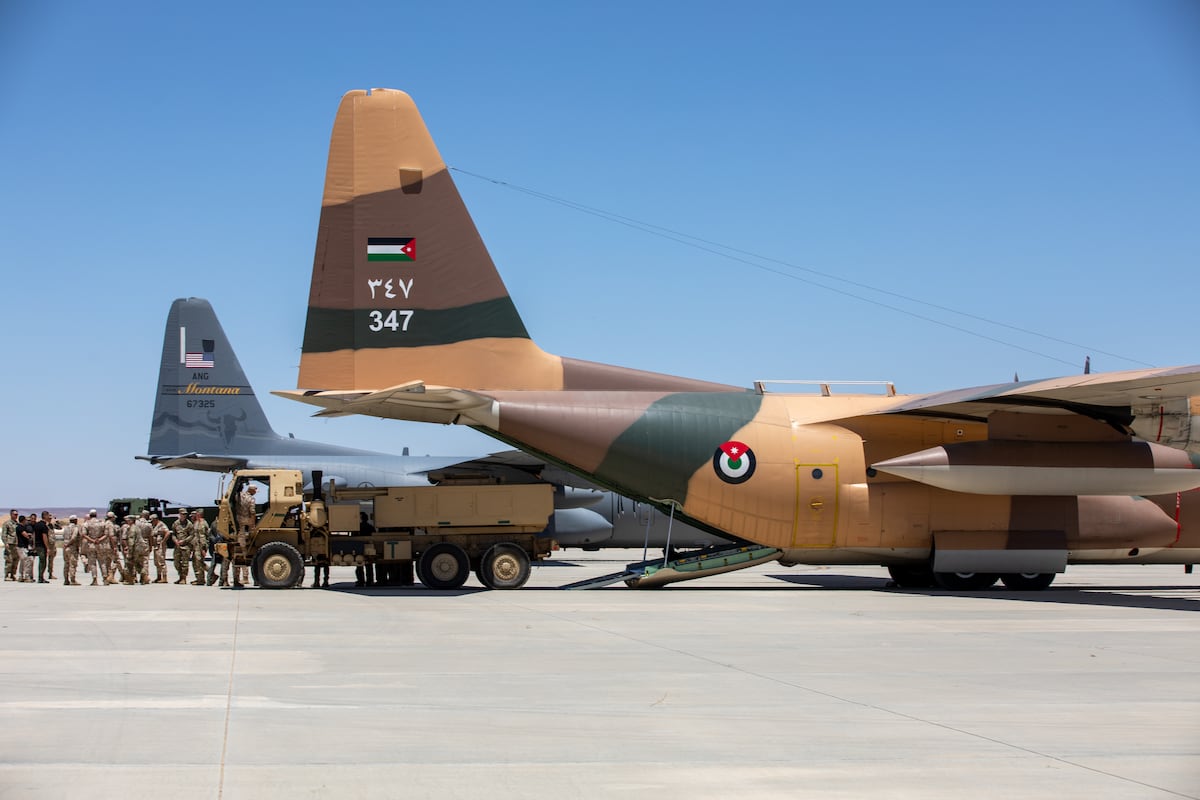
Jordan has long been a cornerstone of U.S. regional security strategy. As a Major Non-NATO Ally, the Kingdom provides critical logistical support and hosts several key facilities, including Muwaffaq Salti Air Base. These installations are vital for intelligence, surveillance, and reconnaissance (ISR) missions, as well as for providing a staging ground for counter-terrorism operations.
The targeting of forces within Jordan is particularly sensitive. Unlike Iraq or Syria, where U.S. forces operate in more overtly contested environments, Jordan is considered a stable and sovereign partner. An attack of this magnitude on Jordanian soil is not only a strike against the U.S. military but also a direct challenge to Jordanian sovereignty and its security partnership with Washington.
In the months leading up to this attack, there had been increasing concern about the "spillover" effect from neighboring conflicts. The U.S. has recently bolstered its presence in Jordan, deploying additional air defense batteries and reinforcing base perimeters. However, the Friday strike proves that even heavily defended positions remain at risk when faced with a determined adversary using multi-vector attack profiles.
Official Responses and Political Pressure
While the White House and the Pentagon have yet to issue a full formal policy response beyond the CENTCOM announcement, the political climate in Washington is reaching a boiling point. Members of both the House and Senate Armed Services Committees have expressed growing frustration with what they perceive as a "reactive" rather than "proactive" posture in the region.
Inferred statements from defense officials suggest that "all options are on the table" regarding a response. Historically, the U.S. has responded to the killing of service members with proportional but "significant" retaliatory strikes against the points of origin or the command-and-control nodes responsible for the attacks.
General Michael "Erik" Kurilla, commander of CENTCOM, has previously emphasized that the U.S. does not seek a wider war with Iran but will take all necessary measures to protect its personnel. The challenge for the administration lies in calibrating a response that deters future attacks without triggering a full-scale regional conflagration that could draw in other actors, including Hezbollah in Lebanon or the Houthi movement in Yemen.
Strategic Analysis: Escalation or Deterrence?
The attack on Friday raises a fundamental question: Is the current U.S. strategy of "calibrated response" failing to deter Iranian aggression? With 16 dead and over 400 wounded in less than six months, the data suggests that the costs being imposed on the adversary have not yet outweighed the perceived benefits of continued escalation.
Analysts suggest that the Iranian strategy may be aimed at making the U.S. presence in the region "untenable" through a war of attrition. By targeting logistics hubs and personnel in relatively stable countries like Jordan, the attackers aim to increase the domestic political cost of the U.S. deployment.
Conversely, the U.S. must balance its regional commitments with its broader global strategy, which includes the pivot to the Indo-Pacific and the ongoing support for Ukraine. The "war with Iran" described by military sources is, as of now, a high-intensity "gray zone" conflict, but the transition to ballistic missile strikes in sovereign allied territory pushes the engagement closer to a conventional state-on-state war.
Conclusion and Outlook
As the search for the missing service member continues and the families of the fallen are notified, the focus remains on the immediate tactical response and the long-term strategic adjustments required to safeguard U.S. personnel. The Friday attack in Jordan is a stark reminder that the geography of the conflict is expanding and the tools of the trade are becoming more lethal.
The coming days will likely see an increase in U.S. aerial activity over the region as intelligence assets work to identify the specific units and launch sites involved in the Friday strike. Whether this leads to a new round of "tit-for-tat" strikes or a significant shift in U.S. Middle East policy remains to be seen. What is certain, however, is that the campaign which began on February 28 has entered a new and more dangerous phase, characterized by direct hits on sovereign allies and a mounting toll on American lives.

Related Posts
Pentagon Forges Landmark Seven-Year Agreements with Boeing and RTX to Accelerate Standard Missile-3 Production and Stabilize Defense Supply Chains
Boeing Unveils Ultra Low-Cost Seeker to Enhance Missile Inventory and Combat Cost Challenges in Modern Warfare