Trump Administration Extends Regulatory Relief for Chemical Plants and Delays Fenceline Air Monitoring Standards
On July 13, the Trump administration announced a significant executive action to further delay and modify a critical environmental regulation aimed at expanding the monitoring of hazardous air pollutants across the United States. This move, characterized as part of a broader "regulatory relief" initiative for the American chemical manufacturing sector, comes just two days before the requirements were scheduled to take effect. By issuing these extensions, the administration has effectively paused the implementation of real-time monitoring for some of the nation’s most dangerous industrial emissions, a decision that has sparked immediate debate between industrial stakeholders and public health advocates.
The rule in question, often referred to as the "HON rule" (Hazardous Organic National Emission Standards for Hazardous Air Pollutants), was designed to provide communities with unprecedented transparency regarding the air quality in the immediate vicinity of petrochemical facilities. For residents living in high-density industrial corridors, particularly in the Gulf Coast region, the delay represents a significant setback in a decades-long pursuit of environmental data and health protections.
The Evolution of the HON Rule and Fenceline Monitoring
The Hazardous Organic NESHAP, or HON rule, governs the emission of synthetic organic chemicals. In April 2024, the Environmental Protection Agency (EPA) finalized updates to this rule, requiring approximately 200 plants nationwide to implement "fenceline monitoring." This technology involves placing sensors at the perimeter of industrial facilities to measure the concentration of specific pollutants as they cross the property line into residential areas.
The 2024 updates specifically targeted six hazardous air pollutants (HAPs), including benzene, ethylene oxide, vinyl chloride, chloroprene, 1,3-butadiene, and ethylene dichloride. Under the original timeline, facilities were given a two-year window to install and calibrate continuous monitoring equipment. By July 15, 2026, these facilities were expected to begin the formal process of data collection, with the goal of making that data publicly accessible by 2027.
The primary objective of fenceline monitoring is to detect "fugitive emissions"—leaks from valves, pumps, and tanks that are not captured by traditional smokestack scrubbers. Proponents of the rule argue that traditional methods of estimating pollution, which often rely on mathematical models and industry-reported "emission factors," significantly underestimate the actual volume of toxins entering the atmosphere. A 2021 report from the Government Accountability Office (GAO) and subsequent independent studies have corroborated these concerns, suggesting that actual emissions can be multiple times higher than what is officially reported to the EPA.
The July 13 Administrative Action
The announcement made this week by the White House provides two-year extensions for an additional 20 facilities, five of which are located in Louisiana’s industrial heartland. This follows a previous set of extensions granted in 2025, which had already pushed back the compliance dates for a large segment of the industry.
The administration’s justification for the "claw back" centers on "American Chemical Manufacturing Security." In its official statement, the White House argued that the rapid implementation of these monitoring standards placed an undue burden on the domestic supply chain and could compromise the competitive edge of American manufacturers against international rivals. The administration framed the move as a necessary step to prevent "regulatory overreach" from stifling industrial growth and energy independence.
By extending the deadline, the administration ensures that many facilities will not be required to report fenceline data until at least 2028 or 2029. Furthermore, the administration has signaled a broader intent to "reconsider" the underlying air rules, part of a self-described "deregulatory agenda" intended to streamline the permitting process for energy and manufacturing projects.
Regional Impacts: The Case of Cancer Alley
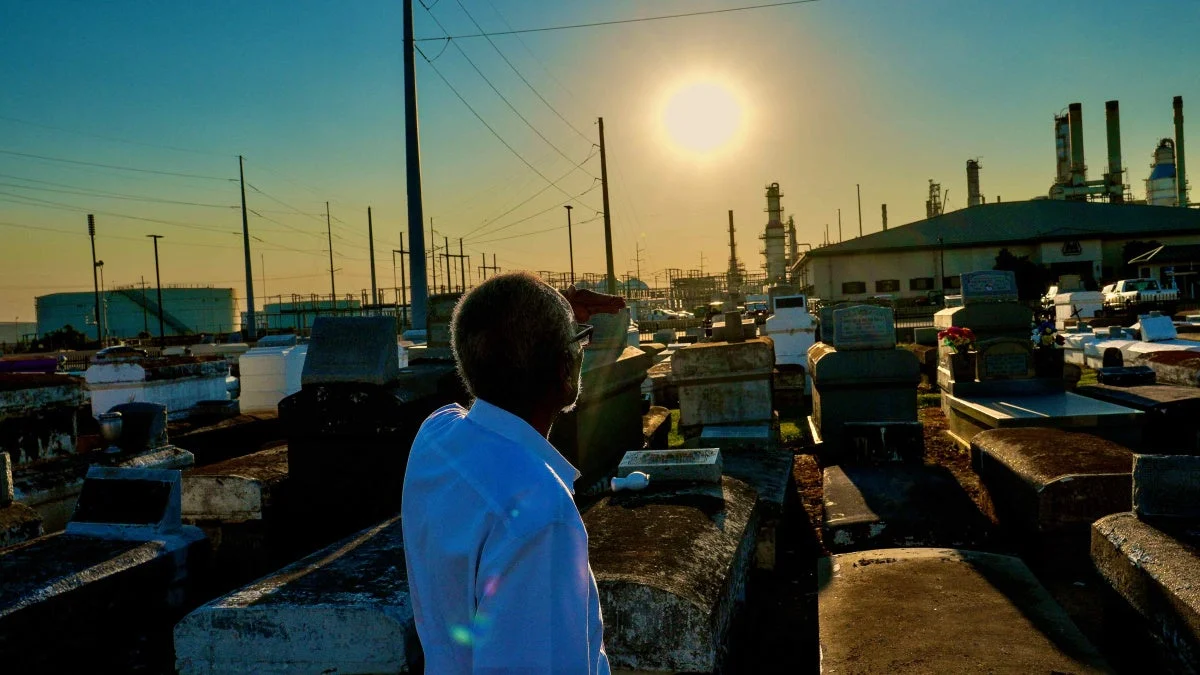
The impact of this regulatory delay is perhaps most acutely felt in the 85-mile stretch along the Mississippi River between New Orleans and Baton Rouge, an area colloquially known as "Cancer Alley." This region is home to one of the highest concentrations of petrochemical plants in the world.
For decades, residents in parishes such as St. James and St. John the Baptist have reported disproportionately high rates of cancer, respiratory illnesses, and adverse birth outcomes. Community activists have long maintained that the lack of real-time monitoring allows facilities to exceed safety thresholds without consequence, as there is no empirical data to hold them accountable.
The Biden-Harris administration, which finalized the 2024 HON rule updates, had estimated that the new standards would reduce the number of people at elevated cancer risk from air toxics by 96% in these overburdened communities. The rule also required facilities to take "corrective action" if fenceline monitors detected concentrations of pollutants above a certain "action level." By delaying these requirements, the current administration has put these corrective actions on hold, maintaining the status quo for emissions management in these sensitive areas.
Health Risks of the Targeted Pollutants
The six pollutants identified in the HON rule are among the most hazardous substances regulated under the Clean Air Act. The delay in monitoring means that exposure levels for the following chemicals will remain largely unmeasured at the community level:
- Ethylene Oxide (EtO): A colorless gas used to sterilize medical equipment and manufacture antifreeze. The EPA’s Integrated Risk Information System (IRIS) classified EtO as "carcinogenic to humans" in 2016, noting its strong links to breast cancer and lymphoid cancers. It is considered significantly more toxic than previously understood.
- Benzene: A well-known carcinogen found in crude oil and produced in large quantities by refineries. Long-term exposure is linked to leukemia and other blood disorders.
- Chloroprene: Primarily used in the production of Neoprene (synthetic rubber). The EPA has linked it to various cancers, and its emissions have been a focal point of intense legal battles in Louisiana.
- 1,3-Butadiene: A byproduct of petroleum processing used in rubber and plastic production. It is a known human carcinogen that also affects the central nervous system.
The lack of real-time data on these substances creates what health advocates call an "information vacuum," where residents are aware of the potential danger but have no way of knowing the actual concentration of toxins in the air they breathe daily.
Chronology of Regulatory Shifts (2024–2026)
- April 2024: The EPA finalizes the HON rule updates, mandating fenceline monitoring for 200 chemical plants. The rule is hailed as a landmark victory for environmental justice.
- July 2024: The formal implementation period begins, giving companies two years to prepare for monitoring.
- January 2025: Following the change in administration, the White House announces a "deregulatory pause" on several environmental initiatives.
- July 2025: The Trump administration grants the first round of two-year extensions to a group of facilities, citing the need to protect "manufacturing security."
- June 2026: Environmental groups and community organizations file lawsuits to compel the administration to adhere to the original 2024 timeline.
- July 13, 2026: Two days before the remaining facilities were to begin monitoring, the administration issues a new round of extensions for 20 more plants, further diluting the rule’s immediate impact.
Industry and Political Reactions
The chemical industry, represented by groups such as the American Chemistry Council (ACC), has generally welcomed the administration’s focus on regulatory relief. Industry representatives have argued that the 2024 HON rule updates were based on "flawed science" and "overly conservative" risk assessments regarding ethylene oxide. They contend that the costs of installing and maintaining continuous monitoring systems would divert resources from innovation and safety upgrades within the plants.
"We support the administration’s efforts to ensure that regulations are feasible, cost-effective, and based on sound data," an industry spokesperson stated following the announcement. "The current extensions provide the necessary time to ensure that monitoring technologies are properly integrated without disrupting essential chemical production."
Conversely, environmental legal groups, such as Earthjustice, have condemned the move as a direct assault on the "right to know." Legal experts suggest that these extensions may face stiff challenges in federal court, as the Clean Air Act mandates the EPA to protect public health with an "adequate margin of safety."
"This is not just a delay of paperwork; it is a delay of life-saving information," said a representative from a prominent environmental advocacy group. "The administration is choosing the profits of the petrochemical industry over the lungs of the American people."
Broader Implications and Future Outlook
The decision to roll back the HON rule monitoring requirements fits into a larger pattern of federal deregulation. By framing environmental monitoring as a national security and economic issue, the administration is attempting to redefine the scope of the EPA’s authority.
In the short term, the 20 facilities granted extensions this week will continue to operate under the old "estimate-based" reporting system. For the communities surrounding these plants, the promise of transparency has been replaced by continued uncertainty. The data that was supposed to begin flowing in July 2026 will now remain obscured, leaving health researchers and local residents without the tools needed to correlate industrial activity with health outcomes.
As the legal battles over these extensions unfold, the central question remains: who bears the burden of proof regarding air quality? For now, the Trump administration has shifted that burden back onto the public, prioritizing industrial stability while the "fenceline" remains unmonitored. The long-term health and environmental consequences of this regulatory pivot will likely be debated for years to come, but for those living in the shadow of these facilities, the "darkness" mentioned by advocates remains a daily reality.

Related Posts

Human Rights Watch Calls for Investigation into Death of Detainee Following Removal from Najaf Hospital by Iraqi Drug Police

Human Rights Watch Urges UN Security Council to Extend Lebanon Peacekeeping Mission Amid Escalating Conflict and Humanitarian Crisis