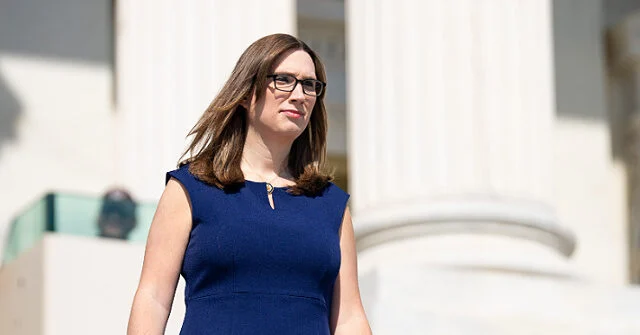
Senator Jeanne Shaheen Refutes Claims of Pushing to End ICE Shutdown Without Reform, Emphasizing Body Camera Delays and Accountability
During a recent broadcast of "CNN News Central," Senator Jeanne Shaheen (D-NH) adamantly refuted suggestions that she was among a faction of Democrats who advocated for an unconditional end to a past government shutdown without securing reforms for U.S. Immigration and Customs Enforcement (ICE). The exchange with co-host Kate Bolduan brought to the forefront lingering political tensions surrounding immigration policy, federal agency funding, and the critical issue of accountability through technology like body cameras for law enforcement. Shaheen’s denial underscores a nuanced and often contentious history of legislative efforts and inter-party disputes concerning ICE’s operational mandate and oversight, particularly in the context of the prolonged 2018-2019 federal government shutdown.
The discussion was initiated by Bolduan, who referenced comments from former Acting ICE Director Tom Homan. Homan had reportedly attributed delays in the distribution of body cameras to ICE officers – especially relevant in light of recent incidents involving agents in Maine and Texas – to Democrats and the government shutdown. Bolduan’s line of questioning implied that Shaheen was part of a "small group of Democrats" who "broke from the majority of Democrats early on to push to end the shutdown and not hold out to overhaul ICE." This framing suggested a compromise on ICE reform in favor of reopening the government.
Senator Shaheen, however, swiftly interjected, unequivocally stating, "No, that’s not correct. I’m sorry, but, Kate, that’s not correct. I was never one of those people who pushed to end the shutdown on ICE. We needed to reform ICE. I voted consistently to try and do that." She further characterized Homan’s accusations as "just an excuse" by the former administration for its failure to implement necessary reforms and deploy body cameras. Shaheen contended that ICE had "plenty of money" and "should have done this months ago," implying that the delays were due to administrative inaction rather than a lack of resources or political obstruction from Democrats on the specific issue of ICE reform.
The Context of the 2018-2019 Government Shutdown
To fully appreciate the senator’s remarks, it is essential to revisit the 2018-2019 federal government shutdown, which lasted for a record 35 days from December 22, 2018, to January 25, 2019. This was the longest government shutdown in U.S. history and primarily stemmed from a dispute between then-President Donald Trump and Congress over funding for a wall along the U.S.-Mexico border. President Trump demanded $5.7 billion for the border wall, a figure Democrats staunchly opposed, instead offering appropriations for border security measures that did not include a physical wall.
The impasse led to a lapse in funding for several federal departments and agencies, including the Department of Homeland Security (DHS), under which ICE operates. While essential personnel, including many ICE agents, were deemed "excepted" and required to work without pay, other functions and services were severely impacted. The shutdown furloughed approximately 800,000 federal employees, disrupting government services, delaying payments, and creating significant financial hardship for thousands of families. Its economic impact was estimated by the Congressional Budget Office (CBO) to have reduced the projected level of real GDP in the fourth quarter of 2018 by $3 billion and in the first quarter of 2019 by $8 billion.
During this period, the operational capabilities and morale of agencies like ICE were significantly strained. The lack of stable funding and the politicization of their mission exacerbated existing challenges. Debates around ICE’s role, funding, and reform were already prominent, with progressive Democrats advocating for significant changes, and some even calling for the agency’s abolition, while Republicans generally defended its critical role in immigration enforcement.
The Call for ICE Reform and Body Camera Implementation
Senator Shaheen’s insistence on the need to "reform ICE" reflects a broader sentiment among many Democrats and civil liberties advocates. Calls for reform typically encompass a range of issues, including enhanced oversight, improved detention standards, greater transparency in enforcement operations, and a reevaluation of the agency’s priorities. The deployment of body-worn cameras (BWCs) to ICE officers is a specific, tangible aspect of this broader reform agenda, aimed at increasing accountability and transparency.
The push for body cameras in law enforcement gained significant momentum following numerous high-profile incidents involving police misconduct and use of force across the United States. Proponents argue that BWCs can:
- Enhance Accountability: Provide an objective record of encounters between officers and the public, deterring misconduct and offering crucial evidence in cases of alleged abuse.
- Increase Transparency: Foster public trust by making interactions more visible and auditable.
- Improve Evidence Collection: Offer unbiased accounts of events, aiding in investigations and prosecutions.
- De-escalate Situations: Studies suggest that both officers and civilians may modify their behavior positively when aware of being recorded.
- Protect Officers: Document false accusations against officers and provide evidence in cases where officers act appropriately.
Despite these benefits, the implementation of body camera programs can be complex and costly. Challenges include the initial procurement of cameras, ongoing maintenance, data storage (which can be substantial, requiring secure cloud-based or on-premises solutions), training for officers, and the development of clear policies regarding when and how cameras are used, data retention, and public access to footage. For a federal agency like ICE, operating across diverse environments and jurisdictions, these challenges are magnified.
Tom Homan’s Accusations and the Funding Narrative
Former Acting ICE Director Tom Homan’s remarks, as referenced by Bolduan, place the blame for body camera delays squarely on Democrats and the shutdown. This perspective aligns with a common narrative from Republican figures who often portray Democratic legislative efforts as obstructive to effective border security and law enforcement. Homan’s argument suggests that political maneuvering during the shutdown diverted attention or resources away from crucial operational enhancements like body cameras.
Senator Shaheen’s counter-argument directly challenges this narrative. By stating that ICE had "plenty of money" and "should have done this months ago," she implies that funding was not the primary impediment. Instead, she points to a potential lack of administrative prioritization or bureaucratic inefficiency within ICE or the Department of Homeland Security itself. This shifts the blame from legislative gridlock to executive agency management, suggesting that the administration could have allocated existing resources more effectively or prioritized the initiative earlier.
Indeed, federal agencies typically receive annual appropriations, and within those budgets, there is often discretion for how funds are allocated to various programs and initiatives, including technology upgrades. While a shutdown can certainly disrupt procurement and implementation processes, Shaheen’s point suggests that the foundational decision-making and initial allocation for such a program should have occurred irrespective of a temporary funding lapse.
Timeline of Body Camera Efforts within ICE (Inferred and General Context)
While a detailed public timeline for ICE-specific body camera deployment is not always readily available, the broader federal law enforcement landscape provides context.
- Mid-2010s: Following increased public scrutiny of law enforcement, calls for body cameras expanded from local police departments to federal agencies.
- 2018-2019 Government Shutdown: As detailed, this period created significant operational uncertainty and political wrangling over DHS funding. Debates around ICE’s future and accountability intensified.
- Post-Shutdown: Discussions around ICE reform continued, often including calls for body cameras.
- Early 2020s: With a new administration, there was renewed emphasis on accountability in law enforcement. Executive orders and departmental directives began to push for increased use of body cameras across federal agencies. For instance, in May 2021, the Department of Justice updated its policy to allow federal agents to wear body cameras when serving warrants and during planned arrests. While ICE is part of DHS, such DOJ policies often set precedents or encourage similar adoptions across other federal law enforcement components.
- Ongoing Debates: The implementation remains a point of contention, with discussions often revolving around funding, policy, and union agreements.
It is plausible that even before the 2018-2019 shutdown, there were internal discussions or pilot programs for body cameras within ICE, but broader, systematic deployment likely faced hurdles related to budget prioritization, policy development, and the sheer scale of the agency’s operations.
Broader Impact and Implications
The ongoing debate between Senator Shaheen and figures like Tom Homan highlights several critical implications for immigration enforcement, government accountability, and political discourse:
-
Transparency and Public Trust: The delay in deploying body cameras to ICE agents, regardless of the cause, contributes to a perception gap between the agency and the public. In an era of heightened scrutiny, transparency tools are vital for building and maintaining trust. Without them, allegations of misconduct or excessive force are harder to verify or refute, potentially eroding confidence in immigration enforcement.
-
Operational Effectiveness and Officer Safety: Body cameras are not just for public accountability; they also serve as a tool for officer training, evidence collection, and protecting officers from false accusations. Delays in their implementation can hinder these benefits, potentially impacting the effectiveness of operations and the safety of agents.
-
Politicization of Federal Agencies: The exchange exemplifies how federal agencies like ICE become central to broader political battles. Funding, operational decisions, and even technological advancements become points of partisan contention, making it challenging to implement long-term, stable policies. The blame game between legislative and executive branches, or between different political parties, often obscures the practical needs and challenges faced by frontline agents.
-
Challenges of Bipartisan Agreement on Immigration: The 2018-2019 shutdown was a stark reminder of the deep divisions in U.S. immigration policy. Senator Shaheen’s emphasis on "reform ICE" versus a simple end to the shutdown without conditions illustrates the desire among some Democrats to leverage funding negotiations for substantive policy changes. Republicans, conversely, often prioritize enforcement and border security measures without what they perceive as undue operational restrictions. Bridging this gap remains one of the most persistent challenges in American politics.
-
Accountability for Funding Decisions: Shaheen’s assertion that ICE had "plenty of money" places a spotlight on how federal agencies manage their budgets and prioritize expenditures. It raises questions about internal decision-making processes and whether resources are consistently allocated to address critical needs like enhanced accountability measures.
In conclusion, Senator Shaheen’s forceful denial on CNN serves as more than just a correction of a factual claim; it is a restatement of a deeply held political position regarding the necessity of ICE reform and accountability. Her remarks underscore the persistent tension between legislative oversight and executive agency autonomy, particularly concerning an agency as politically charged as ICE. The discussion surrounding body camera deployment, framed against the backdrop of a historic government shutdown, reveals the intricate layers of policy, funding, and political rhetoric that continue to define America’s approach to immigration enforcement and federal law enforcement transparency. The resolution of these debates will likely continue to shape the future of immigration policy and the operational standards of federal agencies.

Related Posts
Democratic Candidates Must Moderate to Win General Elections, Says Rep. Greg Stanton
Lisa Demuth Secures Republican Gubernatorial Nomination in Minnesota, Defeating Trump-Endorsed Mike Lindell