Nepal’s Green Revolution: How Import Subsidies and Hydropower Surplus Driven Electric Vehicle Sales to Record Highs
The Himalayan nation of Nepal has emerged as an unlikely global frontrunner in the transition to sustainable transport, with electric vehicles (EVs) now accounting for approximately 75 percent of all new passenger vehicle registrations as of April 2026. Driven by a strategic convergence of aggressive fiscal incentives, a burgeoning domestic surplus of hydroelectric power, and a massive expansion of charging infrastructure, the country has effectively decoupled its mobility sector from a decades-long reliance on imported fossil fuels. This shift is not merely an environmental achievement but a cornerstone of Nepal’s broader economic strategy to reduce its trade deficit and achieve energy sovereignty.
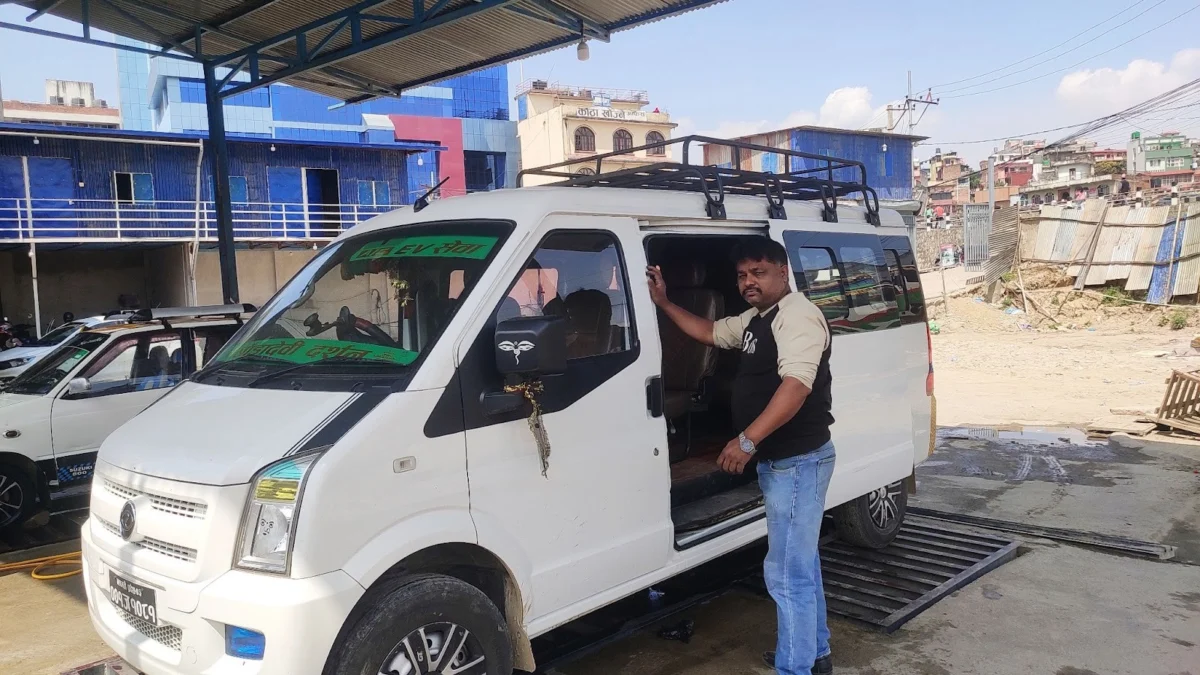
For drivers like Gyanu Pattel, who operates a 10-seater electric van through the bustling, winding streets of Kathmandu, the transition is a matter of practical economics. Standing beside his vehicle at a high-speed charging station in the capital, Pattel notes that the cost of operating his electric van is a fraction of what he previously spent on diesel. In a country where fuel prices are subject to the volatility of international markets and the logistics of trans-border supply chains from India, the stability of domestically produced electricity has become a primary motivator for commercial and private owners alike.
The Fiscal Architecture of the EV Boom
The primary catalyst for this rapid adoption has been the government’s consistent and favorable tax regime. For decades, Nepal has levied some of the highest import duties in the world on internal combustion engine (ICE) vehicles, often exceeding 250 percent when combining customs duties, excise taxes, and luxury fees. Recognizing the potential for EVs to address both urban air pollution and foreign exchange imbalances, successive administrations have maintained significantly lower tariffs for battery electric vehicles (BEVs).
As of the 2025-2026 fiscal cycle, EVs with a motor capacity of less than 50 kilowatts (kW) enjoy a customs duty of just 10 percent and a nominal excise duty. Even for higher-capacity vehicles, the tax burden remains substantially lower than that of their petrol or diesel counterparts. This fiscal policy has leveled the playing field, making EVs—traditionally more expensive to manufacture—price-competitive or even cheaper than ICE vehicles in the Nepalese market.
Furthermore, the government’s decision to provide subsidies for public transport operators transitioning to electric fleets has catalyzed a transformation in Kathmandu’s transit system. The "Safa Tempo" (electric three-wheeler) movement of the 1990s, which was once a niche environmental initiative, has evolved into a comprehensive electrification of microbuses and short-haul vans, significantly reducing the carbon footprint of the nation’s most densely populated regions.
Harnessing the Himalayan Hydropower Surplus
Nepal’s transition to electric mobility is inextricably linked to its success in the energy sector. Over the last decade, the country has seen a monumental increase in its hydroelectric capacity. Major projects, including the 456 MW Upper Tamakoshi project and several private-sector initiatives along the Marsyangdi and Kosi river basins, have transformed Nepal from a nation plagued by "load-shedding" (scheduled power cuts) to an energy-surplus state, particularly during the monsoon season.

The Nepal Electricity Authority (NEA) has reported that domestic generation capacity now exceeds 4,000 MW, with thousands of additional megawatts in the pipeline. This surplus has created a "virtuous cycle" for the EV market. By promoting electric cooking and electric transport, the NEA is able to utilize excess energy that would otherwise go to waste or be sold at lower rates to neighboring India.
To facilitate this, the NEA has spearheaded the installation of a nationwide charging network. From the plains of the Terai to the high-altitude regions of the Himalayas, over 300 fast-charging stations have been deployed by the state utility, supplemented by an additional 500 private charging points at hotels, restaurants, and dealerships. This infrastructure development has largely mitigated "range anxiety," allowing EV owners to travel across the country’s challenging terrain with confidence.
A Chronology of Transition: 2015–2026
The path to 75 percent market share was not immediate but the result of a decade of deliberate policy shifts:
- 2015–2016: Following a major border blockade that led to severe fuel shortages, the Nepalese government began prioritizing energy security, identifying EVs as a strategic necessity.
- 2018: The "National Action Plan for Electric Mobility" was launched, setting an ambitious goal to ensure that 20% of all public transport vehicles were electric by 2020. While the target was delayed by the pandemic, the groundwork for infrastructure was laid.
- 2020–2021: A controversial hike in EV taxes by a previous administration led to a temporary slump in sales, sparking widespread public debate and highlighting the sensitivity of the market to fiscal policy.
- 2022–2023: Taxes were readjusted to favor EVs again. Brands like BYD, Tata, and Hyundai began dominating the local market with affordable hatchback and SUV models.
- 2024: The NEA completed its first "Electric Highway" phase, ensuring a fast charger was available every 60–80 kilometers along the East-West Highway.
- 2025: For the first time, EV sales surpassed ICE sales in the passenger car segment.
- April 2026: New data confirms that three out of every four new cars sold in Nepal are electric, marking the highest adoption rate in South Asia.
Economic and Environmental Implications
The implications of this shift are profound for Nepal’s macroeconomics. Petroleum products have historically been Nepal’s largest import, accounting for nearly 15 to 20 percent of the total import bill. By shifting the demand to domestic electricity, the government is successfully retaining billions of rupees within the national economy, strengthening the country’s foreign exchange reserves.
Environmentally, the impact is most visible in the Kathmandu Valley. Long ranked among the most polluted cities globally due to vehicular emissions and bowl-shaped topography, Kathmandu is seeing a measurable improvement in air quality. According to the Department of Environment, nitrogen dioxide (NO2) and particulate matter (PM2.5) levels have shown a downward trend directly correlated with the rise of the electric fleet.
However, the transition is not without its challenges. The rapid influx of EVs has placed a new kind of strain on the urban distribution grid. Transformers in older residential neighborhoods are frequently overloaded as multiple households install home charging units. The NEA has responded by launching a grid-modernization project, incentivizing "smart charging" during off-peak night hours when industrial and commercial demand is low.
Global and Regional Reactions
International observers have noted Nepal’s progress with interest. The World Bank and the Asian Development Bank (ADB) have both increased their financing for Nepal’s green energy and transport sectors, citing the country as a model for other developing nations with high renewable energy potential.

"Nepal is proving that the transition to electric mobility is not a luxury reserved for wealthy nations," said a regional energy analyst. "By aligning their tax policy with their natural resource strengths—in this case, water—they have created a sustainable blueprint that bypasses the traditional developmental phase of heavy fossil fuel reliance."
Regional neighbors are also taking note. While India has made significant strides in EV manufacturing, its adoption rates remain lower than Nepal’s on a percentage basis, largely due to the continued affordability of small-displacement ICE engines and a more complex domestic manufacturing lobby. Nepal, lacking a domestic car manufacturing industry, has been able to pivot more nimbly by simply adjusting its import settings.
Future Outlook: Beyond Passenger Cars
As the passenger car market nears saturation, the focus of the Nepalese government is shifting toward heavy vehicles and two-wheelers. Electric motorcycles and scooters are seeing a similar surge in popularity, particularly among the youth and urban commuters. However, the electrification of heavy trucks and long-haul buses remains the final frontier.
The Ministry of Physical Infrastructure and Transport is currently drafting a new policy to incentivize the conversion of existing diesel trucks to electric or the purchase of new electric heavy-duty vehicles. While the technology for heavy-duty electric transport is still maturing globally, Nepal’s steep gradients and high-altitude routes provide a unique testing ground for regenerative braking systems, which can recover significant amounts of energy during mountain descents.
Furthermore, the government is addressing the "second life" of EV batteries. Discussions are underway with international partners to establish a domestic battery recycling facility, ensuring that the environmental benefits of reduced tailpipe emissions are not offset by future electronic waste.
By April 2026, Nepal has not only changed the way its citizens move but has redefined its identity on the global stage. Once seen primarily through the lens of its mountainous geography and economic challenges, the country is now recognized as a pioneer of the green transition. As Gyanu Pattel unplugs his van and prepares for another day of ferrying passengers across Kathmandu, he represents a new era of Nepalese resilience—one powered by the very rivers that define the nation’s landscape.

Related Posts
Global AI Governance Dialogue in Geneva Overlooks Critical Threats to Biodiversity and Natural Ecosystems

Climate Change and Rapid Urbanization Fuel Devastating West African Floods as Scientists Warn of Increasing Future Risks