EU leaders restrict information flow to Hungary amid deepening intelligence fears regarding Russian ties
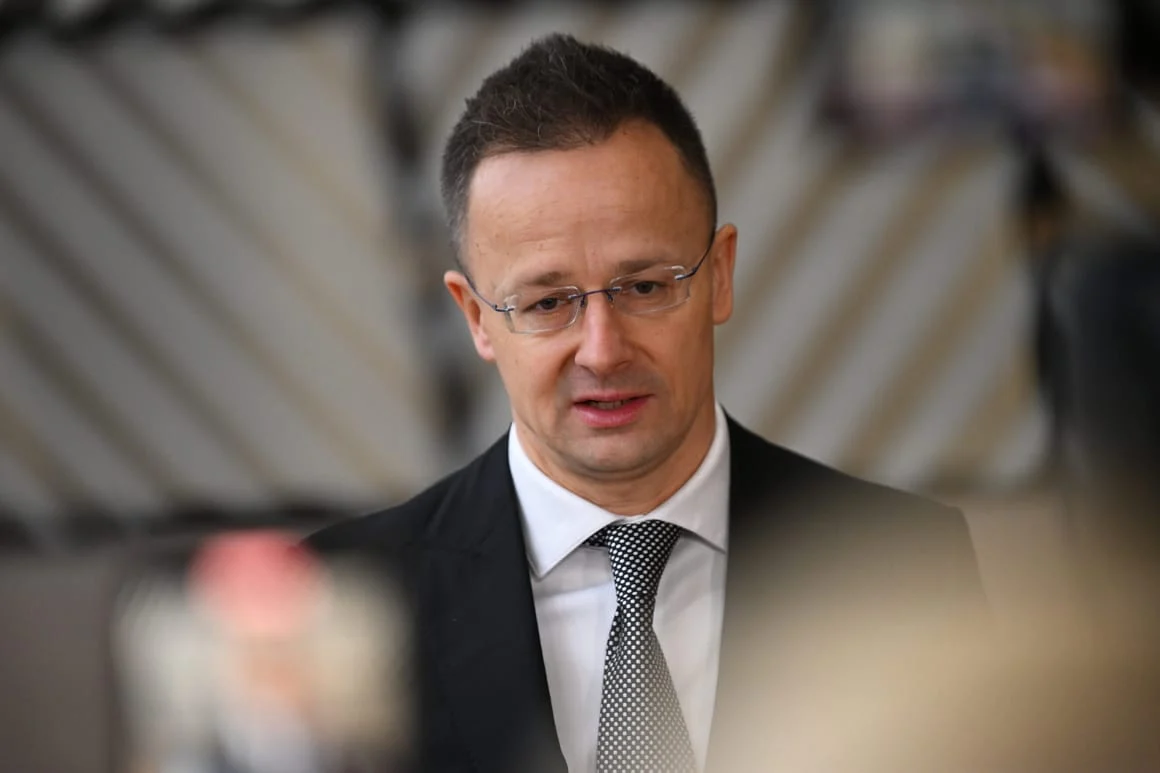
The European Union has moved to severely restrict the distribution of confidential intelligence and sensitive strategic documents to the Hungarian government as accusations mount that Budapest is operating as a conduit for information to the Kremlin. European officials and diplomats have confirmed that the EU is increasingly conducting high-stakes security discussions in smaller, exclusive formats—such as the Weimar Triangle and various Nordic-Baltic groupings—to bypass the potential for leaks. These measures come as Prime Minister Viktor Orbán’s administration faces fresh allegations that Foreign Minister Péter Szijjártó has been relaying real-time details from closed-door EU sessions directly to Russian Foreign Minister Sergey Lavrov.
The growing isolation of Budapest within European security architecture marks a significant deterioration in trust between the Hungarian leadership and its counterparts in Brussels, Paris, and Berlin. While the EU has refrained from issuing a formal reprimand or launching an immediate investigation—a decision largely attributed to the sensitivity of the upcoming April 12 Hungarian general election—the clandestine operational changes signal a de facto suspension of Hungary’s participation in the most sensitive aspects of European security cooperation.
A Pattern of Alleged Compromise
The recent revelations, first detailed in reports by the Washington Post, have galvanized long-standing suspicions among EU member states. For years, officials have expressed frustration over Hungary’s perceived obstructionism and its consistently pro-Moscow stance on energy policy, sanctions against Russia, and financial support for Ukraine. However, the specific allegation that active, high-level diplomatic intelligence is being funneled to Moscow represents an escalation from mere political disagreement to a potential breach of security protocols.
Polish Prime Minister Donald Tusk, a vocal critic of the current Hungarian government, addressed the reports on social media, noting that the intelligence sharing comes as no surprise to those who have monitored the conduct of the Orbán administration. Tusk’s admission that he now limits his contributions during European Council meetings to the bare essentials underscores the degree to which leaders have already altered their behavior to mitigate the risk of surveillance.
Historical Context and Chronology of Distrust
The current crisis did not emerge in a vacuum; it is the culmination of years of friction. The following timeline illustrates the progressive erosion of confidence in Budapest:

- 2023 (July): During the lead-up to the NATO summit in Vilnius, reports emerged that Allied nations were excluding Hungarian envoys from critical strategy sessions to prevent the leak of sensitive defense plans.
- 2024 (Throughout): Diplomatic sources report that former Lithuanian Foreign Minister Gabrielius Landsbergis and other regional counterparts began implementing "need-to-know" protocols, effectively shutting out Hungarian representatives from informal discussions regarding Ukraine’s military aid.
- 2025 (January): The Bucharest Nine (B9)—an organization of Eastern European NATO members—reportedly held internal discussions regarding the potential expulsion of Hungary due to its refusal to align with the bloc’s collective stance on regional security threats.
- 2026 (March 20): Reports surface detailing systematic intelligence sharing by Foreign Minister Péter Szijjártó during intervals in high-level meetings.
- 2026 (March 22): The European Union officially moves toward more restrictive information-sharing protocols, with diplomats confirming the reliance on "breakout" formats (E3, E4, E7, E8) to conduct European diplomacy.
The Impact of Intelligence Segregation
The pivot toward smaller, "like-minded" groups—such as the Weimar alliance (France, Germany, and Poland) and the Nordic-Baltic Eight (NB8)—reflects a profound shift in how the EU manages its internal security. By conducting negotiations in these restricted formats, leaders are able to protect sensitive information from reaching actors who may be compromised.
However, this strategy carries inherent risks. It risks creating a "two-tier" European Union, where a core group of member states coordinates security and foreign policy while others, such as Hungary, are effectively sidelined. While this protects the integrity of intelligence, it exacerbates the political divide within the Union, providing fodder for populist narratives that characterize Brussels as an elitist bureaucracy operating behind closed doors.
Official Responses and Political Posturing
The Hungarian government has dismissed the allegations as part of a coordinated disinformation campaign. János Bóka, the Minister for EU Affairs, described the reports as "fake news," framing them as a desperate attempt by foreign powers to influence the Hungarian electorate ahead of the April 12 vote. He argued that these allegations are designed to weaken the Fidesz party, which, despite polling headwinds, remains a formidable political force.
Foreign Minister Péter Szijjártó has been equally dismissive, labeling the claims as "preposterous conspiracy theories." The Hungarian leadership maintains that their communication with Moscow is a legitimate exercise of sovereign diplomacy, aimed at ensuring the nation’s energy security and maintaining open channels in a time of conflict.
Conversely, Hungarian opposition leader Péter Magyar has seized upon the reports, characterizing the alleged behavior as "outright treason." At a campaign rally, Magyar argued that the actions of the Foreign Minister have betrayed not only the Hungarian people but the collective security interests of the entire European continent.
Data and Strategic Implications
The economic and military ramifications of this breach of trust are substantial. Hungary’s recent refusal to sign off on a €90 billion loan package for Ukraine has highlighted its ability to leverage its veto power within the European Council to block critical aid. This move has drawn widespread condemnation and served as a catalyst for the current discussion regarding the classification of EU documents.

Diplomats suggest that moving toward a more stringent classification system for internal documents could serve as a deterrent. While not a total solution, formalizing the classification of information would create a legal framework for investigating breaches and potentially hold individual officials accountable for unauthorized disclosures.
Nevertheless, many officials remain hesitant to take aggressive, public action before the election. There is a palpable fear that any sanctions or formal censure would be weaponized by the Orbán campaign, allowing the Prime Minister to frame himself as a martyr against a hostile European bureaucracy. The strategic imperative for the EU is to manage this delicate situation without escalating tensions to a point that becomes irreversible.
Future Outlook: Navigating the Post-Election Reality
The period leading up to April 12 will likely be defined by a "wait-and-see" approach from Brussels. However, the post-election landscape presents a more complex challenge. If Viktor Orbán secures another term, the EU will face the reality of a member state that is deeply integrated into the European economy and legal framework while appearing to work against its core security interests.
The fundamental dilemma for the EU is how to integrate a state that operates with a different geopolitical orientation without compromising the bloc’s overall security posture. As it stands, the move to restrict information flow is a stop-gap measure. The underlying tension—between the requirement for consensus in a 27-member bloc and the need for operational security—remains unresolved.
European leaders are now forced to confront a difficult question: Can the European Union continue to function as a unified security actor when one of its members is suspected of providing minute-by-minute intelligence updates to the primary adversary of the bloc? As the continent navigates the ongoing war in Ukraine and the resulting shift in the global order, the integrity of the information shared within the halls of the European Council has never been more vital. For now, the solution is silence—or, more accurately, speaking only as much as is strictly necessary.