Curbing methane is the fastest way to slow warming – but we’re off the pace
Methane is a short-lived but highly aggressive climate pollutant, possessing over 80 times the warming potential of carbon dioxide over a 20-year period. Because it remains in the atmosphere for a much shorter duration than CO2, reducing methane emissions is widely regarded as the "emergency brake" for global warming. Scientists argue that a rapid reduction in methane is the only viable way to prevent the planet from breaching the 1.5°C threshold in the near term. According to the United Nations Environment Programme (UNEP) and the Climate and Clean Air Coalition, achieving the 30% reduction target by 2030 could prevent approximately 0.3°C of global warming by the 2040s.

The Technical Feasibility of Methane Mitigation
The central paradox of the current climate crisis is that methane reduction is often described by the International Energy Agency (IEA) as the "low-hanging fruit" of climate action. Technical assessments indicate that nearly 70% of methane emissions from fossil fuel operations can be mitigated with existing technology. Furthermore, approximately 40% of these reductions can be achieved at no net cost, as the captured methane—the primary component of natural gas—can be sold to offset the investment in leak detection and repair (LDAR) infrastructure.
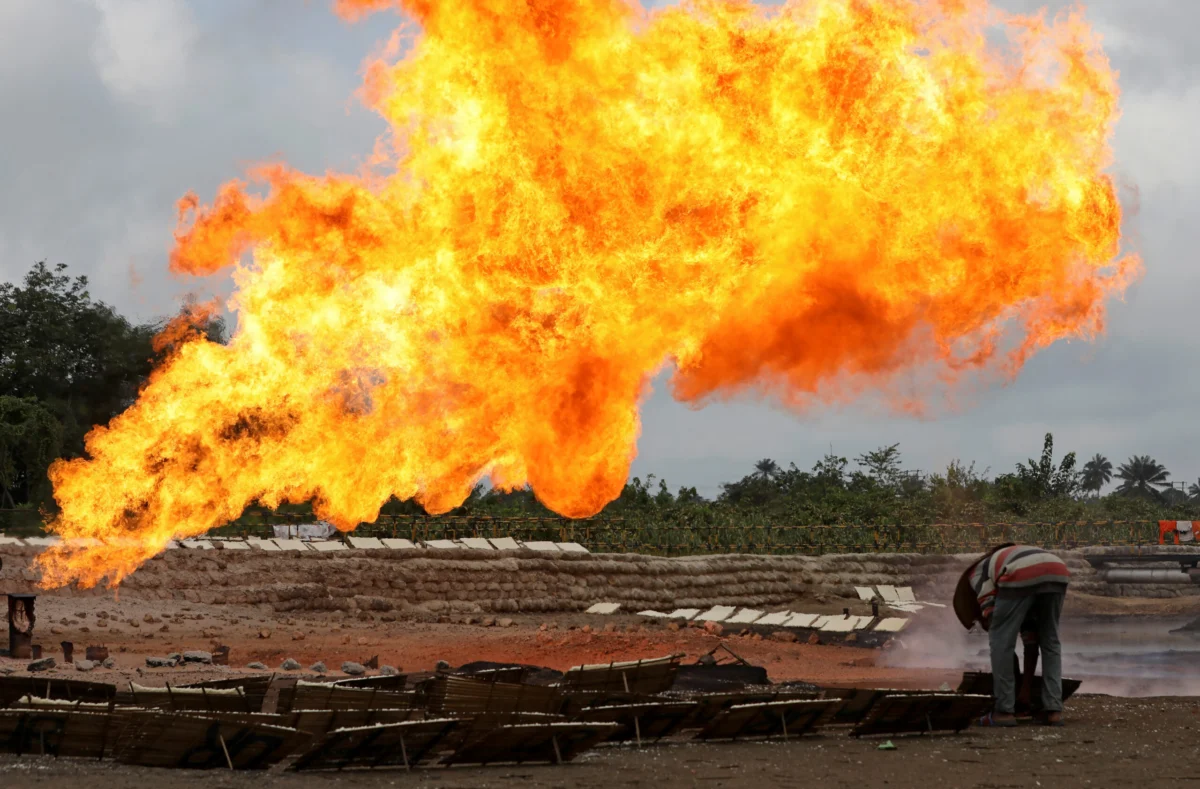
In the energy sector, the primary sources of emissions are venting, flaring, and fugitive leaks from oil and gas infrastructure. In regions like the Niger Delta, gas flaring remains a persistent issue. Despite decades of promises to end the practice, satellite data continues to show significant "hotspots" where gas is burned off as a byproduct of oil extraction rather than being captured for energy use. The technology to capture this gas, ranging from small-scale modular liquefied natural gas (LNG) plants to enhanced pipeline connectivity, is mature and commercially available.

Beyond fossil fuels, the waste and agricultural sectors represent more complex but equally critical technical frontiers. In waste management, the installation of landfill gas recovery systems can capture methane generated by decomposing organic matter, converting a liability into a source of renewable electricity or heat. In agriculture, which accounts for the largest share of anthropogenic methane via livestock and rice cultivation, technical solutions include dietary supplements for cattle and "alternate wetting and drying" (AWD) techniques for rice paddies, which significantly reduce anaerobic methane production without compromising crop yields.
A Chronology of the Global Methane Pledge
The journey toward the current 2026 implementation crisis began in earnest in November 2021 at COP26 in Glasgow. Led by the United States and the European Union, the Global Methane Pledge was launched with over 100 countries committing to a collective goal of reducing global methane emissions by at least 30% from 2020 levels by 2030.

By COP27 in Sharm el-Sheikh (2022), the number of signatories grew to over 150, including major emitters like Brazil and Indonesia. However, notable absences remained, including China, India, and Russia. The focus during this period shifted toward the creation of the Methane Alert and Response System (MARS), a high-tech satellite-based initiative designed to identify "super-emitters" and alert governments to major leaks in real-time.
At COP28 in Dubai (2023), the energy sector faced increased pressure. Fifty global oil and gas companies, representing 40% of global production, signed the Oil and Gas Decarbonization Charter, pledging to reach near-zero methane emissions by 2030. This was hailed as a breakthrough, yet as the calendar turned to 2025 and 2026, the data suggested that voluntary corporate pledges were not translating into the rapid decline required by scientific models.

By the time of the 2026 assessments, the global community has realized that while the number of signatories is high, the "National Methane Action Plans" required to underpin the pledge are often vague or lack the force of law. The current year, 2026, marks a critical midpoint where the gap between technical potential and actual policy enforcement has become the primary obstacle to climate stability.
Implementation Barriers: Why the "Low-Hanging Fruit" Remains Unpicked
The failure to implement methane reductions is not a failure of engineering, but a failure of policy, finance, and infrastructure. In many developing nations, the upfront capital required for methane-capturing technology is prohibitively expensive, even if the long-term returns are positive. High interest rates and sovereign debt crises in the Global South have made it difficult for state-owned oil companies and municipal waste authorities to secure the necessary funding.

Furthermore, the geopolitical landscape of 2026 has introduced new complications. As Simon Stiell, the UN Climate Chief, recently noted, global energy disruptions—most notably the ongoing crisis in the Persian Gulf—have led some nations to prioritize immediate energy security over long-term climate goals. In a rush to secure gas supplies, some regulators have turned a blind eye to methane leaks in aging pipeline infrastructure, fearing that strict enforcement might lead to temporary supply shutdowns.
In the agricultural sector, implementation is hindered by the sheer scale and fragmentation of the industry. While a large oil company can be regulated through centralized permits, millions of smallholder farmers in Asia and Africa cannot easily be transitioned to new rice-growing techniques or expensive livestock feed additives without significant state support and extension services.

The Role of Accountability and Satellite Monitoring
One of the most significant developments in 2026 is the maturation of "space-based accountability." With the full deployment of the MethaneSAT and other high-resolution monitoring satellites, there is no longer a place for super-emitters to hide. These satellites provide public, transparent data on methane plumes, allowing NGOs and the international community to point directly to the sources of non-compliance.
This data has empowered the "Paris Agreement Watchdog" and other oversight committees to take a harder line. Reports indicate that more than 60 countries are currently under scrutiny for failing to include specific methane targets in their updated Nationally Determined Contributions (NDCs). The oversight committee is currently debating whether to introduce formal "non-compliance" notices for countries that have signed the GMP but failed to enact domestic regulations to achieve its goals.

Regional Responses and Broader Implications
The response to the implementation gap varies significantly by region. The European Union has taken a leading role by implementing the world’s first methane import standards. By 2026, the EU has begun requiring that any gas imported into the bloc meet strict methane intensity thresholds, effectively forcing exporters in North Africa, the Middle East, and Central Asia to clean up their operations if they wish to maintain access to the European market.
In the United States, the implementation of a "methane fee" under the Inflation Reduction Act has created a financial incentive for domestic producers to plug leaks. However, political shifts and legal challenges have slowed the rollout of these measures, highlighting the fragility of climate policy in the face of domestic partisanship.

In emerging economies, the focus has shifted toward "co-benefits." For instance, in China and Brazil, methane reduction is increasingly framed as a public health and food security issue. Methane is a precursor to ground-level ozone, a hazardous air pollutant that causes respiratory illnesses and reduces crop yields. By highlighting that methane mitigation could prevent millions of tons of crop losses and thousands of premature deaths, advocates are attempting to build the domestic political will necessary for implementation.
The Path to 2030: A Call for Mandatory Regulation
The consensus among climate experts in early 2026 is that voluntary pledges have reached their limit. To bridge the gap between technical potential and actual emission cuts, the global community must move toward mandatory, legally binding regulations.

This includes:
- Universal Leak Detection and Repair (LDAR) Standards: Governments must mandate that oil and gas operators conduct regular inspections using the best available technology.
- Financing Mechanisms for the Global South: Multilateral development banks must create dedicated "methane windows" to provide low-interest loans for mitigation projects in the waste and energy sectors.
- Trade-Linked Climate Policy: Following the EU’s lead, other major importers should adopt methane standards for energy and agricultural products, creating a "race to the top" for global exporters.
- Integration into NDCs: Methane must be explicitly broken down in national climate plans, with clear, sector-specific targets and timelines.
The scientific assessment is clear: the tools to save the 1.5°C goal are in our hands. The technologies are tested, the economics are often favorable, and the monitoring systems are in place. What remains is the political courage to enforce the rules. As the world moves closer to the 2030 deadline, the success or failure of the Global Methane Pledge will serve as a definitive litmus test for the effectiveness of the Paris Agreement framework. If the world cannot pick the "low-hanging fruit" of methane reduction, the much steeper climb of total decarbonization may remain out of reach.

Related Posts
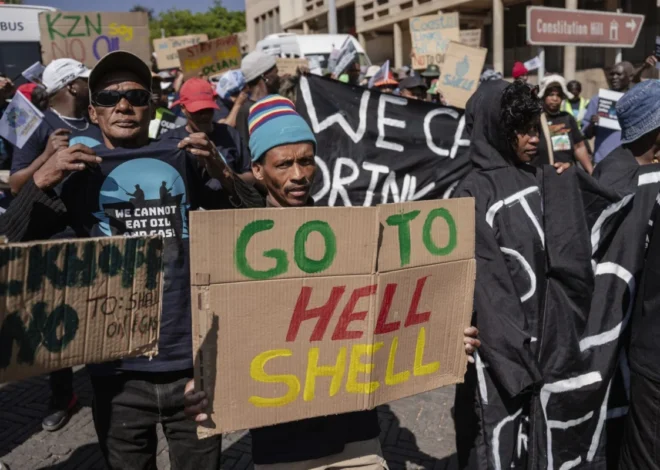
Constitutional Court of South Africa Bars Shell Oil Exploration in Landmark Victory for Environmental and Community Rights
The Battle for Saldanha Bay: South Africa’s Ambitious Ocean Economy Strategy Faces Legal and Environmental Reckoning