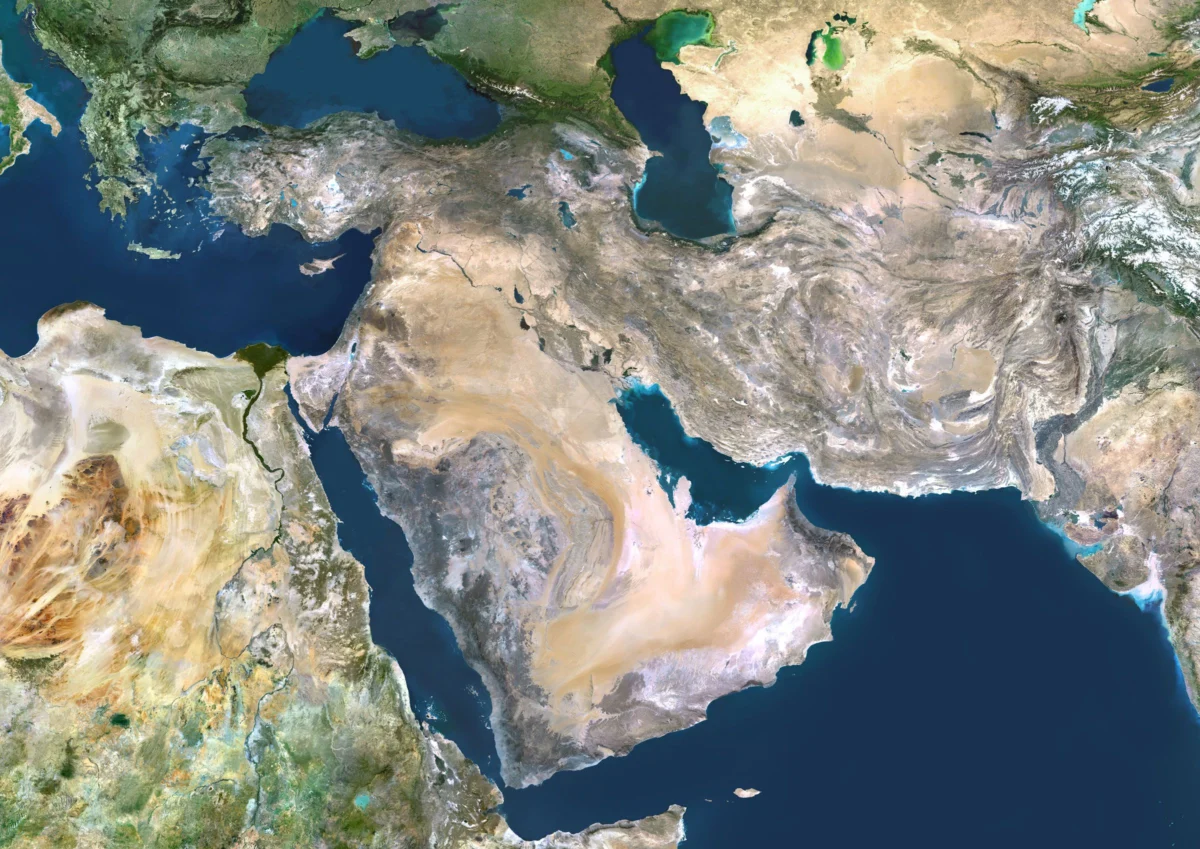
Widening Conflict in the Middle East as US and Israeli Operations Against Iran Enter Second Week
The geopolitical landscape of the Middle East has entered a period of unprecedented volatility following a coordinated military campaign launched by the United States and Israel against Iran on February 28. What began as a targeted offensive has rapidly metastasized into a regional conflagration, impacting critical energy infrastructure, global supply chains, and the safety of foreign nationals across the Gulf. As of March 5, the conflict shows few signs of de-escalation, with Iranian retaliatory measures striking a wide array of targets from Bahrain to Azerbaijan.
Chronology of the Escalation
The current hostilities trace their immediate origins to the February 28 initiation of joint US-Israeli strikes. The stated duration of these operations has been a subject of shifting projections. Secretary of Defense Pete Hegseth indicated in a recent press briefing that the engagement could persist for up to eight weeks. Conversely, President Donald Trump, speaking on March 2, suggested a more optimistic four-to-five-week window, though he emphasized the administration’s readiness to extend the operation indefinitely if strategic objectives remain unmet.
By early March, the theater of operations expanded significantly. Iran, utilizing its network of regional proxies and direct military assets, initiated a "pepper-shot" strategy, launching hundreds of ballistic missiles and drones against US military installations, diplomatic outposts, and civilian infrastructure. Israel, simultaneously, has engaged in an intensified bombardment of southern Lebanon, responding to rocket fire from Hezbollah, effectively opening a second front in the conflict.
Official Rationales and Legislative Standing
The justification for the military intervention remains multifaceted and, at times, inconsistent. The Trump administration has cited a spectrum of motivations, ranging from the necessity of neutralizing an immediate "nuclear threat" to allegations that Tehran attempted to subvert the integrity of the 2020 and 2024 United States presidential elections.
From a constitutional standpoint, the lack of formal authorization from Congress remains a point of contention. Under Article I, Section 8 of the US Constitution, the power to declare war is vested exclusively in the legislative branch. As of March 5, Congress has not issued a formal declaration of war, raising questions regarding the legal framework under which these ongoing hostilities are being conducted. Legal scholars note that while the War Powers Resolution of 1973 provides the executive branch with narrow latitude for rapid response, the current scale and duration of the operation place it in a complex legal gray area.
Impact on Global Markets and Infrastructure
The disruption of the Strait of Hormuz—a maritime chokepoint through which approximately 20 to 30 percent of the world’s total oil consumption passes—has sent shockwaves through global commodities markets. With shipping traffic effectively halted, the price of Brent crude and natural gas has experienced extreme volatility.
Beyond the energy sector, the agriculture industry faces a precarious future. The conflict has severely hindered the distribution of nitrogen-based fertilizers, essential for global crop yields. Logistics experts warn that if infrastructure shutdowns persist, the impact will be felt in food security indices globally by the third quarter of 2026. The vulnerability of digital infrastructure has also been underscored; reports from Amazon Web Services (AWS) confirm that data centers in Bahrain and the United Arab Emirates have sustained physical damage, leading to degraded services for regional and global clients.
Regional Breakdown: A Widening Theater of War
The human and structural toll of the conflict is distributed across multiple borders:
- Iran: Iranian state media reports a death toll exceeding 1,000, with extensive damage to schools, hospitals, and municipal buildings. The Israeli Air Force claims to have deployed over 5,000 munitions against Iranian targets since the inception of the operation.
- Israel: Domestic casualties have reached at least 11 deaths, with over 40 structures damaged in Tel Aviv due to incoming projectiles.
- Azerbaijan: The conflict spilled into the Caucasus on March 5, when drone strikes originating from Iranian territory struck an airport, injuring two civilians. President Ilham Aliyev has signaled that Baku is preparing retaliatory measures.
- The Gulf States: Bahrain, Qatar, and the UAE have become primary targets. In Qatar, QatarEnergy has suspended production of liquefied natural gas, urea, and methanol. In the UAE, iconic landmarks including the Burj Al Arab have been struck by debris from intercepted munitions.
- Levant and Beyond: British air bases in Cyprus have been targeted, drawing pledges of defensive support from NATO allies, including France and Greece. Meanwhile, the US embassy in Jordan has shuttered operations, with all personnel evacuated as of March 2.
Humanitarian Crisis and Evacuations
The rapid expansion of hostilities has triggered a massive consular response. The United States, United Kingdom, Ireland, Germany, and Italy have initiated emergency repatriation protocols. The US military is currently utilizing transport aircraft to facilitate the exit of private citizens, a move that underscores the administration’s assessment of the escalating "serious safety risks" within the region. Humanitarian organizations, led by the United Nations, have expressed deep concern regarding the safety of non-combatants, noting that the targeting of civilian infrastructure is rapidly degrading the ability to provide emergency medical and humanitarian relief in Syria, Iraq, and Lebanon.
Strategic Implications and Future Outlook
The "friendly fire" incident in Kuwait, where US F-15s were reportedly downed by local air defenses amidst the confusion of an Iranian attack, highlights the extreme risks of escalation in a crowded, high-tension theater. The complexity of air-defense coordination, coupled with the involvement of multiple national militaries and non-state actors, increases the probability of catastrophic miscalculation.
The conflict’s duration will likely depend on three critical variables: the durability of the current US-Israeli coalition, the capacity of the Iranian military to sustain a long-term war of attrition, and the international community’s ability to maintain a diplomatic floor to prevent the conflict from engulfing the broader MENA region.
From an economic perspective, the closure of the Strait of Hormuz is the most significant threat to global stability. Should shipping remain suspended for the duration of the projected eight-week conflict, the resulting supply chain disruptions may necessitate intervention from international maritime coalitions. While the Trump administration has framed the operation as a necessary preemptive measure, the strategic cost—manifested in economic instability, regional diplomatic isolation, and the threat of a prolonged, costly ground-adjacent campaign—continues to mount.
As the situation develops, the international community remains in a state of high alert. With the United Nations and regional powers calling for an immediate cessation of hostilities, the diplomatic window for a negotiated ceasefire appears to be narrowing as each day brings further reports of infrastructure damage and casualties. The coming weeks will be decisive, not only for the stability of the Middle East but for the global economic and security architecture that has been defined by the relative stability of the post-Cold War era.
WIRED will continue to monitor the humanitarian situation, the status of global supply chains, and the evolving military posture of all involved nations as the situation on the ground remains highly fluid and potentially prone to further escalation.

Related Posts

The Las Vegas Cybersecurity Summit and the Escalating Threat of Autonomous Digital Exploitation

New York City Council members and privacy advocates launch legislative campaign to ban biometric facial recognition at public entertainment venues