US and UK Launch REEF Project to Shield Critical Infrastructure from Undersea Drone Threats
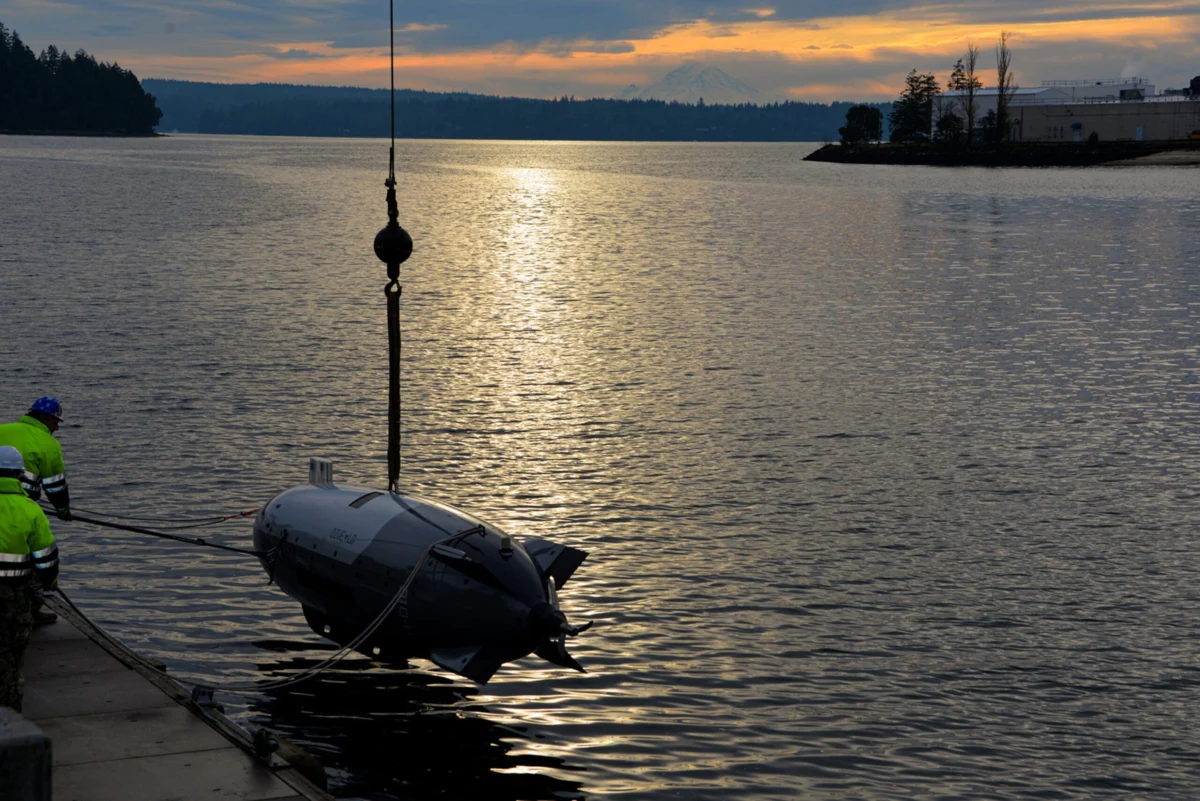
The United States Department of Defense and the United Kingdom Ministry of Defence have entered into a strategic partnership to address the escalating threat posed by autonomous and remotely operated underwater systems. Through a formal solicitation issued by the Pentagon’s Defense Innovation Unit (DIU), the two nations are calling upon the private sector to develop a comprehensive, integrated suite of commercial technologies designed to detect, track, and neutralize underwater drones. This initiative, officially titled the Robotic Exclusion and Engagement Framework (REEF), represents a significant shift in maritime security strategy, moving toward a standardized, rapidly deployable defense architecture for ports, harbors, and vital waterways.
The REEF project is born out of a growing recognition that current maritime defenses are ill-equipped to handle the proliferation of unmanned underwater vehicles (UUVs), remotely operated vehicles (ROVs), and low-profile semisubmersibles. According to the DIU solicitation, existing solutions are often "fragmented, expensive, and limited in number," leaving critical infrastructure vulnerable to asymmetric attacks. By leveraging commercial-off-the-shelf (COTS) technology and advanced artificial intelligence, the REEF program aims to create a "stand-alone solution" that can be deployed across a variety of environments, from busy commercial shipping hubs to sensitive naval installations.
The Evolution of the Subsurface Threat Landscape
The urgency behind the REEF initiative is underscored by the rapid evolution of naval warfare observed in recent global conflicts. While aerial drones have dominated headlines, the subsurface domain has become an increasingly active frontier for both state and non-state actors. The use of maritime strike drones in the Black Sea and the increasing sophistication of Houthi-controlled unmanned surface and subsurface vessels in the Red Sea have demonstrated that relatively low-cost robotic systems can challenge traditional naval supremacy and disrupt global trade.
Historically, underwater defense was primarily focused on large-manned submarines, requiring expensive sonar arrays and dedicated anti-submarine warfare (ASW) vessels. However, the modern threat is characterized by small, stealthy, and often "attritable" (expendable) robots that can be launched from civilian vessels or even the shoreline. These devices can be used for ISR (Intelligence, Surveillance, and Reconnaissance), sabotage of undersea cables, or as delivery vehicles for explosive payloads directed at port facilities and moored ships.
Technical Objectives of the REEF Framework
The DIU envisions a multi-layered defense system that utilizes a variety of sensor modalities and neutralization techniques. To be successful, the REEF system must overcome the inherent challenges of the underwater environment, such as high levels of acoustic noise in busy ports and the rapid attenuation of signals in saltwater.
Advanced Detection and AI Discrimination
A primary requirement for the REEF project is the ability to distinguish between genuine threats and the "clutter" of a busy maritime environment. Sensors—which may include active and passive sonar, buried cables, and moored buoys—must be integrated with edge processing capabilities. Artificial intelligence will play a critical role in filtering out signals from marine life, commercial cargo ships, and fishing vessels, ensuring that security personnel are not overwhelmed by false alarms.
The solicitation specifies that the system must provide "sufficient detection-to-response time for human-in-the-loop decision-making." This means the AI must not only detect an anomaly but also provide predictive analysis to allow operators to intercept or neutralize the threat before it reaches its target.
Kinetic and Non-Kinetic Neutralization
One of the most innovative aspects of REEF is its focus on a broad spectrum of engagement methods. The DIU has expressed a clear preference for non-kinetic solutions, which minimize the risk of collateral damage to port infrastructure or the environment. These methods include:
- Rapidly Deployable Nets: Mechanical barriers designed to entangle propellers or clog intake systems.
- Bubble Curtains: Using dense walls of air bubbles to disrupt the acoustic sensors of incoming drones, effectively blinding them.
- Synthetic Barriers: Flexible, high-strength materials used to block access to sensitive zones.
For threats that require more aggressive intervention, the framework also includes kinetic defenses. These might involve physical coupling devices that latch onto a drone, acoustic directed energy that can disable electronic components via sound pressure, or traditional kinetic payloads.
The Use of Decoys and Deception
The REEF project places a high premium on "spoofing" and deceptive technologies. The DIU is seeking low-cost systems capable of confusing adversarial underwater craft by emitting signals that mimic larger vessels or provide false navigational data. By leading a drone away from its intended target or causing its mission software to fail, these decoys provide a cost-effective layer of protection that does not require physical destruction of the intruder.
Chronology of Development and Strategic Milestones
The formalization of the REEF project is the result of several years of escalating concern regarding maritime security and a series of legislative and diplomatic shifts:
- December 2023: Naval commanders in both the U.S. and UK began briefing lawmakers on the "capability gap" regarding small-scale underwater threats to domestic ports.
- January 2024: The U.S. Department of Commerce issued an interim final rule streamlining export controls for certain defense-related technologies shared with the United Kingdom and Australia. This rule, specifically General Export Authorization No. 001, removed significant bureaucratic hurdles for joint projects like REEF.
- February 2024: The DIU and the UK Ministry of Defence held preliminary meetings to align technical requirements, ensuring that systems developed under REEF would be interoperable between the two navies.
- March 2024: The official solicitation for the Robotic Exclusion and Engagement Framework was released, inviting commercial entities to submit their solutions for prototyping.
- Mid-2024 (Projected): Evaluation of initial prototypes and the commencement of field testing in controlled environments, such as the Navy’s underwater testing ranges in Keyport, Washington.
Supporting Data and Economic Context
The economic stakes of port security cannot be overstated. According to the American Association of Port Authorities, U.S. ports handle more than $1.5 trillion in trade annually and support over 30 million jobs. A single successful attack on a major hub like the Port of Los Angeles or the Port of New York and New Jersey could cause billions of dollars in economic disruption.
The cost-benefit ratio of the REEF project is also a significant factor. Traditional maritime defense systems can cost hundreds of millions of dollars to develop and maintain. In contrast, the DIU is emphasizing "commercial-off-the-shelf" components to keep costs manageable. By using "attritable" systems—drones and sensors that are cheap enough to be lost in combat—the U.S. and UK can match the low-cost, high-volume threat posed by adversarial drone swarms.
Official Responses and Strategic Alignment
While specific military leaders have refrained from commenting on the classified aspects of REEF, the general sentiment among defense analysts is one of urgent necessity. Retired naval officers and industry experts suggest that this project is a natural extension of the AUKUS (Australia, United Kingdom, United States) security pact, particularly its "Pillar II" focus on advanced capabilities.
"The subsurface domain is no longer the exclusive playground of large national navies," noted one senior defense consultant. "The REEF initiative is a pragmatic admission that we need a new playbook for port security—one that is as agile and technologically advanced as the threats we are facing."
The collaboration with the UK is particularly vital given the British expertise in maritime surveillance and their own geographic vulnerability as an island nation. The shared command-and-control (C2) requirements mentioned in the solicitation ensure that both nations can share real-time intelligence and defensive assets during a crisis, creating a unified front in maritime defense.
Broader Impact and Global Implications
The REEF project is likely to have ripple effects beyond the immediate security of U.S. and British ports. If successful, the framework could become a global standard for maritime infrastructure protection, potentially adopted by other NATO allies or partners in the Indo-Pacific.
Furthermore, the emphasis on AI and autonomous discrimination will likely drive significant innovation in the commercial marine sector. Technologies developed for REEF—such as high-fidelity underwater sensors and edge-computing AI—could have secondary applications in environmental monitoring, underwater archaeology, and the maintenance of offshore wind farms and oil rigs.
However, the program also raises questions about the future of international maritime law. As automated systems gain the capability to "interdict or neutralize" drones with minimal human intervention, the rules of engagement in international waters and busy shipping lanes will require careful calibration to prevent accidental escalations or damage to legitimate commercial assets.
By prioritizing non-kinetic solutions and human-in-the-loop decision-making, the REEF framework attempts to balance the need for robust security with the complexities of modern maritime law. As the project moves from solicitation to prototyping, it stands as a testament to the changing nature of 21st-century warfare, where the most significant threats to national security may come not from massive fleets, but from small, silent robots beneath the waves.

Related Posts
Pentagon Forges Landmark Seven-Year Agreements with Boeing and RTX to Accelerate Standard Missile-3 Production and Stabilize Defense Supply Chains
Boeing Unveils Ultra Low-Cost Seeker to Enhance Missile Inventory and Combat Cost Challenges in Modern Warfare