
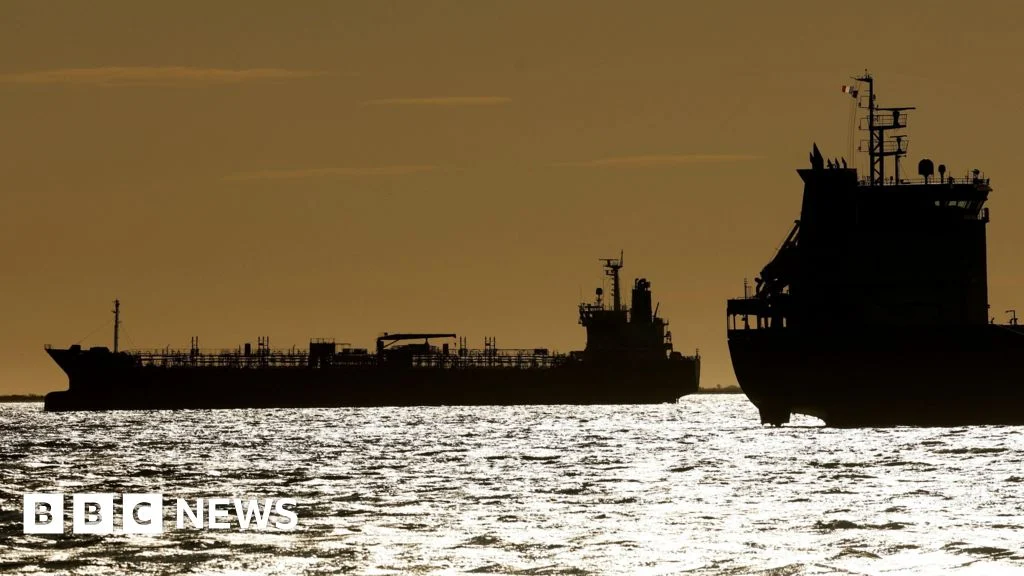
United States Reverses Longstanding Sanctions on Iranian Oil Amid Escalating War and Global Energy Crisis.
In a dramatic and highly controversial policy shift, the United States has temporarily lifted sanctions on a specific tranche of Iranian oil, a move designed to mitigate the severe impact of an escalating conflict in Iran on already volatile global energy markets. Treasury Secretary Scott Bessent announced Friday the issuance of a narrowly tailored, short-term authorization permitting the sale of approximately 140 million barrels of Iranian crude oil and petroleum products currently stranded at sea on various vessels. This unprecedented decision, effective until April 19, represents a stunning reversal of years of American foreign policy aimed at isolating Iran economically, particularly through restrictions on its vital oil exports.
A Strategic Reversal in a Volatile Landscape
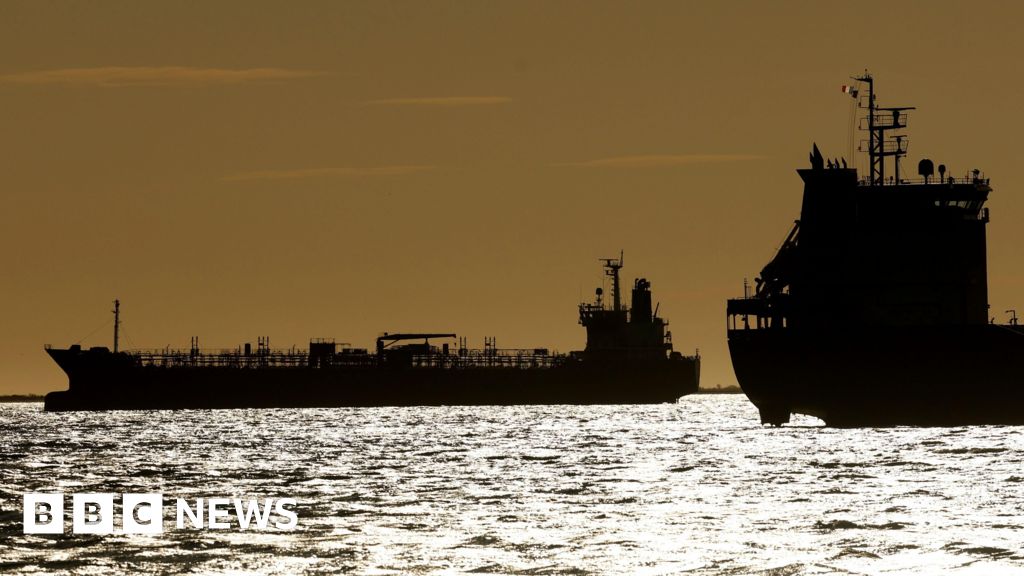
The authorization, detailed by Secretary Bessent, explicitly targets Iranian oil already loaded onto tankers, a significant volume estimated at 140 million barrels. This quantity, while substantial, must be viewed in the context of a global market that consumes roughly 100 million barrels per day. The immediate goal, according to the Treasury, is to swiftly inject this supply into the global market to alleviate upward pressure on prices, which have surged dramatically since the onset of the conflict in late February.
For years, US policy, particularly under the previous administration’s "maximum pressure" campaign, sought to choke off Iran’s oil revenues, ostensibly to curb its nuclear ambitions, support for regional proxies, and human rights abuses. The sudden pivot underscores the Biden administration’s acute concern over the economic repercussions of the ongoing hostilities, which threaten to destabilize not only energy markets but also broader global economic recovery. Secretary Bessent, speaking to Fox Business, indicated that the waiver aimed to divert these supplies from their primary buyer, China—which typically purchases Iranian oil at steep discounts due to sanctions—towards other energy-hungry nations like India, Japan, and Malaysia, thereby compelling China to pay "market price." However, specific mechanisms to ensure this diversion and, crucially, to prevent funds from flowing back to the Iranian government, which the US is actively confronting, were not detailed.
The Geopolitical Quagmire: Roots of the Energy Crisis
The impetus for this radical policy shift is a severe, rapidly escalating "war in Iran," which began in late February. This conflict has had a catastrophic impact on global energy infrastructure and supply routes. The most critical casualty has been shipping through the Strait of Hormuz, a narrow maritime chokepoint through which approximately one-fifth of the world’s daily oil consumption, or about 20 million barrels per day, typically transits. Since the outbreak of hostilities, shipping in this vital channel has largely come to a halt, creating an unprecedented supply shock.
While some efforts have been made to re-route barrels, experts estimate that the conflict has effectively removed about a tenth of the world’s total oil supply from the market. This drastic reduction, coupled with the inherent instability and speculative trading, has sent crude oil prices soaring to multi-year highs, threatening to trigger widespread inflation and economic recession. Further exacerbating concerns are reports of tit-for-tat attacks on a key natural gas field jointly operated by Iran and Qatar. Such attacks raise the alarming prospect that fossil fuel production capacity could be constrained for years, even if a resolution to the immediate conflict is achieved relatively quickly, thereby prolonging the energy crisis indefinitely.
Decades of Sanctions: A Fraught History
To fully appreciate the gravity of the US decision, it’s essential to understand the long and complex history of sanctions against Iran. US sanctions on Iran date back to the 1979 hostage crisis, but they significantly intensified in the 2000s, primarily targeting Iran’s nuclear program. International sanctions, often led by the US and involving the UN and EU, were designed to pressure Tehran into abandoning its nuclear enrichment activities.
A landmark moment came with the 2015 Joint Comprehensive Plan of Action (JCPOA), or Iran nuclear deal, which saw significant international sanctions lifted in exchange for verifiable restrictions on Iran’s nuclear program. Under the JCPOA, Iran’s oil exports briefly surged, providing a much-needed boost to its economy. However, in 2018, the Trump administration unilaterally withdrew from the JCPOA, reimposing and significantly expanding sanctions under a "maximum pressure" campaign. This campaign aimed to bring Iran’s oil exports to zero, denying the regime its primary source of revenue. While it did not fully achieve zero exports, it severely crippled Iran’s economy, reducing its oil sales from over 2.5 million barrels per day (bpd) before 2018 to less than 500,000 bpd, mostly to China, often through clandestine methods and at substantial discounts.
This historical context underscores the radical nature of the current waiver. For the US to now deliberately allow Iranian oil back into legitimate international markets, even temporarily and under specific conditions, signals an extreme level of desperation regarding the energy crisis. It effectively overrides years of concerted effort to isolate and economically pressure Tehran, highlighting the existential threat the current conflict poses to global energy stability.
The Chokepoint and Global Supply Chains
The Strait of Hormuz, located at the mouth of the Persian Gulf, is arguably the world’s most important oil transit chokepoint. It connects the oil-rich Persian Gulf producers—including Saudi Arabia, Iran, UAE, Kuwait, and Iraq—to the Arabian Sea and global markets. Its strategic importance cannot be overstated. Roughly 20% of global petroleum liquids consumption, or about 21 million barrels per day in 2023, passed through this strait. Any disruption here has immediate and profound global implications.
The cessation of shipping in the Strait due to the "war in Iran" is therefore a primary driver of the current energy crisis. The inability of tankers to safely traverse this narrow waterway has effectively trapped vast quantities of oil from major producers, creating an artificial scarcity even as global demand remains high. The threat of naval blockades, mines, or direct attacks on shipping makes commercial transit prohibitively risky and costly, forcing insurers to withdraw coverage or charge exorbitant premiums. This directly impacts the global supply chain, leading to increased transportation costs, delays, and ultimately, higher prices for consumers worldwide. The US decision to release stranded Iranian oil is an attempt to circumvent this chokepoint issue by bringing existing, already loaded supplies into the market, but it does not address the fundamental problem of ongoing transit disruptions through Hormuz.
Evaluating the Impact: A Drop in the Ocean or a Critical Infusion?
The 140 million barrels of Iranian oil, while a significant quantity, represents approximately 1.4 days of global oil consumption. Its release could offer some immediate, albeit likely temporary, relief to spiraling energy prices. For context, Brent crude, the international benchmark, has recently hovered around $120-$130 per barrel, up from around $80 before the conflict. While a release of this magnitude could cause a minor dip in prices in the very short term, many experts are skeptical about its long-term impact.
Rachel Ziemba, an adjunct senior fellow at the Center for a New American Security, articulated this sentiment, stating on Thursday that she did not believe the waiver would be a "game changer" and that it raised "a whole lot of questions." The market’s reaction is often driven by sentiment and future expectations rather than just current supply. If the underlying conflict persists, or if other supply disruptions emerge, the effect of these 140 million barrels could quickly dissipate. Moreover, the finite nature of the authorization—expiring on April 19—means any price moderation would likely be fleeting unless a more substantial and sustainable solution emerges. The US government’s position, as Ziemba noted, is an "every-barrel-counts situation" given the scale of the supply shock, highlighting the desperate search for any available crude.
Analysts Divided: Benefits vs. Risks
The US Treasury’s unprecedented move has drawn sharp criticism and raised significant concerns among sanctions experts and foreign policy analysts. David Tannenbaum, director of Blackstone Compliance Services, a consultancy specializing in maritime sanctions, expressed profound astonishment, telling the BBC, "To put it mildly, this is bananas." He underscored the primary contradiction: "Essentially we’re allowing Iran to sell oil, which could then be used to fund the war effort." This core criticism highlights the inherent paradox of the policy: seeking to stabilize markets by inadvertently strengthening an adversary the US is actively confronting.
The enforceability of the stated goal—to divert oil to specific countries and prevent funds from flowing back to the Iranian government—is another major point of contention. Given Iran’s long history of circumventing sanctions and its sophisticated illicit financial networks, monitoring the end-use of funds generated from these sales would be extraordinarily challenging. Experts like Ziemba acknowledge this difficulty, questioning how the US could effectively prevent money from reaching the Iranian government, even if that were its intention. The risk of unintended consequences, particularly that of inadvertently financing the very conflict the US is trying to contain, is significant and widely acknowledged. This policy essentially trades a direct geopolitical pressure tool for potential, but uncertain, short-term economic relief.
A Multi-Front Energy Battle
This waiver on Iranian oil sanctions is not an isolated measure but part of a broader, multi-pronged strategy by the US to combat the spiraling energy crisis. In recent weeks, the US has already undertaken several other significant steps. These include the unprecedented release of millions of barrels of oil from its Strategic Petroleum Reserve (SPR). The SPR, designed for emergencies, has been tapped multiple times, signaling the severity of the current supply crunch.
Furthermore, the US controversially suspended some sanctions on Russian oil just last week. This decision, aimed at ensuring continued supply to global markets, sparked significant blowback from European leaders and other allies. Critics argued that such a move would inadvertently strengthen Vladimir Putin’s regime, providing it with vital revenue and potentially prolonging the war in Ukraine, which itself is a major factor in global energy instability. The willingness of the US to make such contentious decisions on both Russian and Iranian oil underscores the depth of the energy crisis and the Biden administration’s determination to prevent it from derailing the global economy, even if it means sacrificing long-held foreign policy principles and risking diplomatic fallout with allies.
Ripple Effects Across the Globe
The lifting of sanctions on Iranian oil, even temporarily, sends complex signals across the geopolitical landscape. For Iran, it offers a fleeting opportunity to generate much-needed revenue, potentially easing some of the economic strain caused by years of sanctions and the ongoing conflict. However, it also places Iran in a peculiar position, where its adversary is facilitating its oil sales, albeit under duress.
For China, a primary consumer of discounted Iranian oil, the policy could mean higher energy costs if it is forced to compete on the open market with other buyers. This could lead to friction in US-China relations, already strained by various geopolitical issues. India, Japan, and Malaysia, identified as potential beneficiaries, would welcome new supplies, but their willingness to purchase Iranian oil under these specific, temporary terms, and the logistics of doing so, remain to be seen.
European allies, still reeling from the controversial Russian oil waiver, might view this latest move with a mix of relief over potential price stabilization and concern over the precedent it sets. It could be perceived as prioritizing immediate economic stability over long-term strategic goals of isolating adversarial regimes. The broader implications for the global sanctions regime are also significant, as such reversals could undermine the credibility and effectiveness of future economic pressure campaigns.
Uncertain Horizon: Short-Term Fix, Long-Term Questions
The temporary nature of the authorization, set to expire on April 19, means that any relief it provides is likely to be short-lived. The core challenges—the ongoing "war in Iran," the disrupted Strait of Hormuz, and the broader global supply-demand imbalance—will remain. The US administration faces a difficult balancing act: attempting to quell an immediate energy crisis without fundamentally undermining its long-term foreign policy objectives or inadvertently empowering adversaries.
President Donald Trump, when questioned about the idea before its formal announcement, offered a non-committal but revealing response, stating, "we will do whatever is necessary to keep the price." This indicates a bipartisan consensus on the urgency of managing energy costs, even if the methods are highly controversial. The coming weeks will be critical in assessing the true impact of this policy, both on global oil prices and on the geopolitical landscape. Whether it proves to be a shrewd, necessary intervention or a risky gamble with far-reaching negative consequences remains an open and pressing question in an increasingly volatile world.
In conclusion, the US decision to temporarily lift sanctions on Iranian oil is a stark indicator of the extreme pressure the ongoing conflict in Iran is exerting on global energy markets. It represents a desperate, calculated risk, trading long-standing geopolitical principles for the immediate imperative of preventing an even deeper economic crisis. The effectiveness of this measure, both in terms of market stabilization and preventing unintended financial flows, will be closely scrutinized, as the world navigates an unprecedented period of energy insecurity and geopolitical upheaval.

Related Posts
Zambia on Edge: Opposition Leader Arrested Amid Allegations of Insurrection Plot and Election Tensions

Rescuers search for survivors of powerful Indonesia earthquake

