Ukraine Faces Critical Air Defense Deficit Amid Sustained Russian Missile and Drone Barrages
Ukraine’s air defense forces have demonstrated remarkable resilience over the past six months, successfully neutralizing 90 percent of the loitering munitions and approximately 80 percent of the cruise missiles launched by Russian forces. These figures, presented by Minister of Digital Transformation Mykhailo Fedorov during the Ukraine Defense Contact Group meeting in Berlin, highlight both the tactical proficiency of Ukrainian operators and the relentless intensity of the Russian aerial campaign. Between November 2023 and March 2024, the Kremlin’s military apparatus deployed a staggering arsenal against Ukrainian infrastructure, including 462 ballistic missiles, nearly 600 cruise missiles, and over 27,000 Shahed-type drones.
Despite these defensive successes, the statistical reality masks a growing fragility in Ukraine’s protective umbrella. The Ukrainian military is currently grappling with a severe shortage of anti-ballistic interceptor missiles, particularly those required for the Patriot Advanced Capability (PAC-2 and PAC-3) systems. As these munitions are exhausted, the burden on the nation’s power grid and civilian centers grows, prompting a desperate search for alternatives and an urgent diplomatic push to accelerate the delivery of promised aid.
A Chronology of Sustained Aerial Aggression
The scale of the Russian aerial offensive has evolved significantly since the winter of 2023. Early in the winter season, Moscow shifted its strategy from targeting energy infrastructure exclusively to a broader campaign aimed at exhausting Ukraine’s interceptor stocks. By forcing Kyiv to expend expensive, high-end PAC-3 missiles on mass-produced Shahed drones and older cruise missiles, Russia has attempted to degrade the country’s ability to defend against more sophisticated ballistic threats, such as the Iskander-M and the hypersonic Kinzhal.
The data provided by Fedorov underscores the volume of this attrition strategy. In January and February alone, the frequency of drone strikes reached an all-time high, with Russian forces utilizing Iranian-designed technology to probe the vulnerabilities of regional air defense networks. This constant pressure has forced Ukrainian commanders to make difficult decisions regarding which sectors to prioritize, often leaving secondary targets exposed to minimize the risk of a total depletion of stockpiles.
The Patriot Dilemma and Global Supply Constraints
The Patriot missile system remains the gold standard for intercepting ballistic threats, yet its global availability is currently at a nadir. The system’s supply chain, which relies heavily on U.S. manufacturing and the coordinated efforts of NATO allies, has been strained by competing global security priorities. Since late February, regional instability in the Middle East has redirected substantial portions of Western military attention and hardware toward Israel, creating a competition for limited air defense resources.
The scarcity of interceptors is not merely a logistical challenge; it is a strategic vulnerability. Because the Patriot system is one of the few platforms capable of intercepting Russia’s high-speed ballistic missiles, any delay in the arrival of resupply shipments directly correlates to an increase in civilian casualties and industrial damage. Military analysts suggest that Russia is fully aware of this supply bottleneck, timing its most intensive ballistic missile strikes to coincide with reported shortages in the Ukrainian inventory.
Diplomatic Friction and the Push for Delivery
The frustration within the Ukrainian government is palpable. President Volodymyr Zelenskyy has become increasingly vocal regarding the discrepancy between the commitments made by international partners and the hardware that actually arrives on the front lines. The "Ramstein" format—the primary forum for coordinating military aid to Ukraine—has been a focal point for these concerns.
"There are many political commitments from partners that have already been voiced but not yet implemented, including in the ‘Ramstein’ format and on a bilateral basis," Zelenskyy stated on Thursday. The President has taken the unusual step of tasking the commander of the Ukrainian Air Force with directly contacting partner nations that have previously pledged interceptors. This move indicates a shift from broad, diplomatic appeals toward a more granular, follow-up-based approach intended to hold individual nations accountable for their promises.
The disconnect often stems from domestic political hurdles in donor countries, such as budget delays in the United States or production backlogs in European manufacturing hubs. However, the operational reality on the ground in Ukraine does not allow for the pace of bureaucratic maneuvering. Every week without a shipment of interceptors represents a potential gap in the defensive net that Russian planners are eager to exploit.
Strategic Implications: The Risk of Systemic Overload
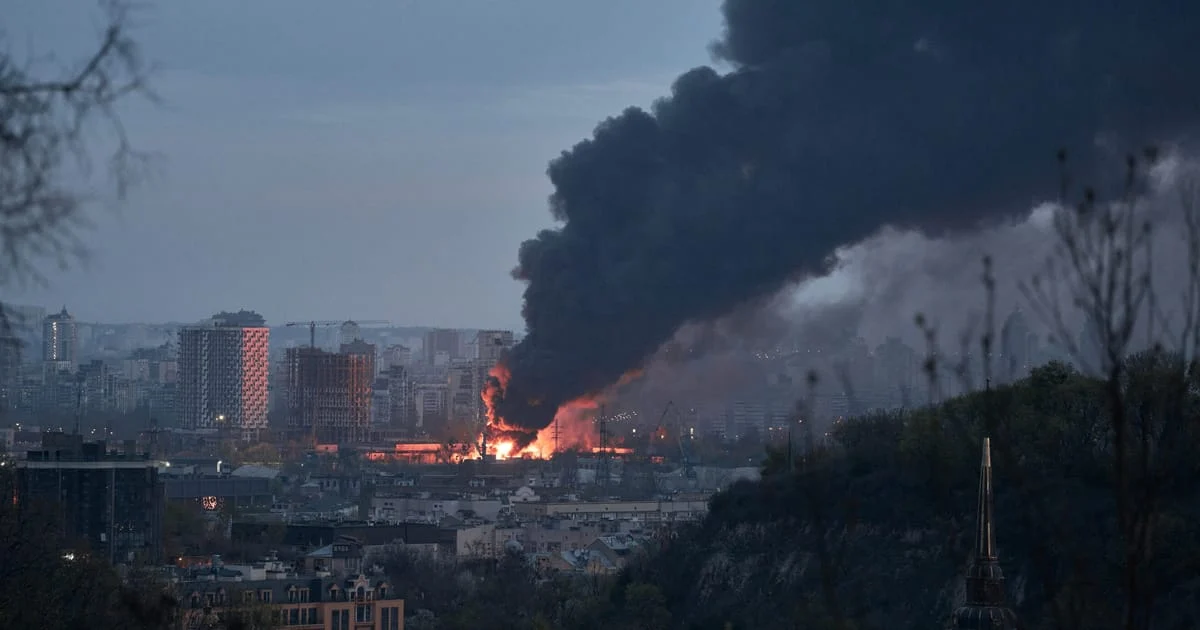
The implications of a depleted air defense system extend far beyond the immediate damage to infrastructure. A failure to stop ballistic strikes threatens to undermine the morale of the Ukrainian populace and complicate the ongoing effort to sustain a wartime economy. Furthermore, the reliance on legacy Soviet-era systems, which are increasingly difficult to maintain due to a lack of spare parts, makes the transition to Western-standard systems like the Patriot, NASAMS, and IRIS-T absolutely critical.
Military analysts observe that the war has entered a phase of industrial attrition. Russia, having successfully pivoted to a war economy, is producing munitions at a rate that tests the endurance of Ukraine’s partners. If Western nations cannot stabilize the supply chain for interceptors, Ukraine may be forced to revert to a "tiered" defense strategy, abandoning the protection of specific urban areas to preserve the integrity of critical military nodes. This would be a significant tactical retreat that could influence the outcome of potential ground offensives in the coming year.
Looking Toward Alternatives and Innovations
In response to the Patriot shortage, Kyiv is actively seeking alternative technologies. This includes the development of domestic drone-hunting capabilities and the integration of diverse, cheaper radar and interceptor systems from various NATO sources. There is also an ongoing discussion regarding the "FrankenSAM" projects—an initiative where Western missiles are retrofitted onto Soviet-era launchers to create hybrid systems capable of utilizing the existing infrastructure while maintaining modern effectiveness.
However, these are stopgap measures. The long-term security of Ukrainian airspace requires a steady, predictable supply of high-end interceptors. The search for alternatives is as much a political signal as it is a tactical necessity; by demonstrating a willingness to explore non-traditional solutions, Ukraine is signaling to its partners that it will not wait indefinitely for the status quo to improve.
Conclusion: The Path Ahead
The coming months will likely be decisive for Ukraine’s air defense capabilities. With Russia continuing its campaign of high-intensity missile barrages, the pressure on the international community to honor its commitments has never been higher. The success of the Ukrainian air force in shooting down the vast majority of incoming threats is a testament to their training and resolve, but resolve alone cannot replace physical munitions.
The challenge for the international community is to bridge the gap between policy and reality. As the conflict continues to evolve, the ability of Western nations to harmonize their defense industrial bases will determine whether Ukraine can maintain the defensive parity it has fought so hard to achieve. For now, the eyes of the Ukrainian military remain fixed on the skies, waiting for the supplies that they hope will continue to keep the lights on and the population safe from the persistent threat of aerial destruction. The diplomatic, economic, and logistical efforts in the coming weeks will be the final arbiter of whether that defensive shield holds or fractures under the weight of sustained attrition.