Ugandan Farmers Launch Legal Challenge Against UK Entity Over East African Crude Oil Pipeline Construction
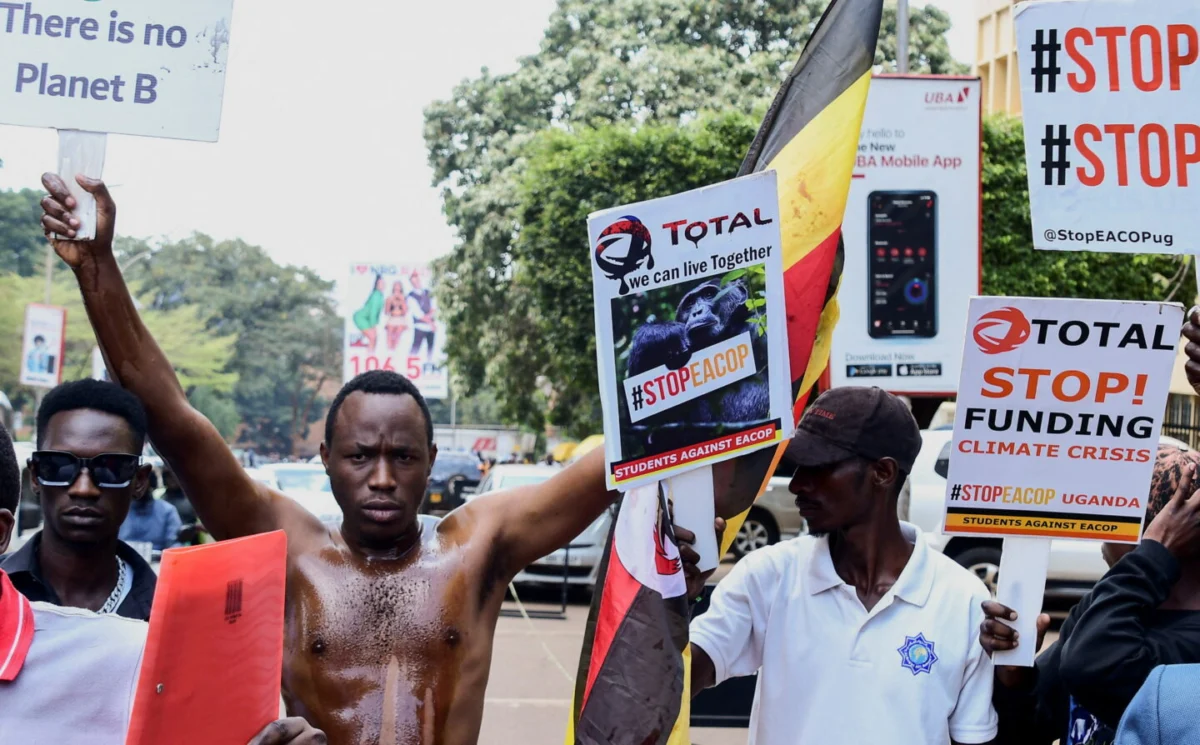
The legal representatives of a group of Ugandan farmers have filed a significant lawsuit against a UK-based entity linked to the East African Crude Oil Pipeline (EACOP), alleging that the massive infrastructure project has systematically breached Ugandan law and must immediately cease construction activities. This legal action, initiated in late March 2026, marks a pivotal escalation in the long-standing conflict between local agricultural communities and the consortium of international energy firms behind what is slated to be the world’s longest heated crude oil pipeline. The plaintiffs argue that the project has violated constitutional protections regarding land ownership, failed to provide fair and timely compensation, and bypassed critical environmental safeguards mandated by the Ugandan Parliament.

The East African Crude Oil Pipeline is a 1,443-kilometer (897-mile) project designed to transport crude oil from the Tilenga and Kingfisher oilfields in the Lake Albert region of western Uganda to the Port of Tanga in Tanzania. While the Ugandan government and its partners—primarily TotalEnergies, the China National Offshore Oil Corporation (CNOOC), and the state-owned Uganda National Oil Company (UNOC)—frame the project as a cornerstone of national economic transformation, the farmers at the heart of the new lawsuit claim the human and legal costs have become untenable.
The Core Legal Challenge: Allegations of Statutory Breach
The lawsuit centers on the activities of a UK-incorporated entity that provides administrative, financial, or technical oversight to the EACOP consortium. By bringing the case against a UK-linked entity, the farmers and their legal team are leveraging precedents in international corporate accountability, which allow for parent companies or affiliated entities in European jurisdictions to be held liable for the actions of their subsidiaries or partners abroad.

The primary argument presented by the plaintiffs is that the land acquisition process has fundamentally ignored the 1995 Constitution of Uganda and the Land Act of 1998. Under Ugandan law, "compulsory acquisition" of land by the state or private entities for public works must be preceded by "prompt payment of fair and adequate compensation." The farmers allege that in numerous districts along the pipeline’s path—including Hoima, Kikuube, and Kyotera—the compensation offered was neither fair nor prompt. Many households report being prevented from using their land for perennial crops or permanent structures for several years while waiting for payments that were eventually eroded by inflation and delayed administrative processes.
Furthermore, the legal team argues that the Environmental and Social Impact Assessments (ESIAs) approved for the project were based on outdated data and failed to account for the specific hydrological risks to local farming communities. They contend that the construction of the Central Processing Facilities (CPF), such as those at the Tilenga oilfield, has already led to localized flooding and soil degradation, directly impacting the livelihoods of smallholder farmers who depend on the land for subsistence and commercial agriculture.

Chronology of the EACOP Development and Growing Resistance
To understand the gravity of the 2026 lawsuit, it is essential to trace the timeline of Uganda’s oil ambitions and the subsequent friction with local communities:
- 2006: Commercially viable oil reserves are discovered in the Albertine Graben by Hardman Resources (later acquired by Tullow Oil). Estimates suggest the region holds approximately 6.5 billion barrels of oil, with 1.4 billion barrels currently considered recoverable.
- 2013-2016: The Ugandan government enters into intensive negotiations with TotalEnergies and CNOOC. The decision is made to export the oil via a pipeline through Tanzania rather than Kenya, citing lower costs and more favorable terrain.
- 2017: The Inter-Governmental Agreement (IGA) between Uganda and Tanzania is signed, providing the legal framework for the EACOP.
- 2021: The Host Government Agreements (HGA) are finalized. Despite rising global pressure regarding climate change, the project moves into the procurement phase.
- February 2022: The Final Investment Decision (FID) is announced in Kampala. TotalEnergies and CNOOC commit to the $10 billion overall investment, which includes both the upstream oilfields and the $5 billion pipeline.
- 2023-2025: Physical construction begins. Reports of human rights abuses, including the intimidation of environmental activists and the forced relocation of families, begin to surface frequently in international media.
- August 2025: Significant infrastructure milestones are reached at the Tilenga oilfield, with Sinopec employees offloading critical water and oil pipes. However, local protests intensify as the reality of displacement sets in.
- March 2026: The current lawsuit is filed, seeking an immediate injunction against further construction based on the alleged breach of Ugandan domestic law.
Supporting Data: The Scale of Impact
The EACOP is not merely a pipeline; it is a massive industrial corridor that intersects some of the most sensitive ecosystems and densely populated agricultural zones in East Africa. Data compiled by human rights organizations and environmental watchdogs provide a stark picture of the project’s footprint:

- Land Displacement: Approximately 118,000 people are estimated to be "Project Affected Persons" (PAPs) across Uganda and Tanzania. While not all are physically displaced, the vast majority lose access to some portion of their farmland, which is their primary source of income and food security.
- Environmental Sensitivity: The pipeline will traverse the Murchison Falls National Park and the shores of Lake Victoria, the world’s second-largest freshwater lake. A leak in these areas could contaminate water sources for millions of people.
- Technical Complexity: Because the Ugandan crude is highly waxy, the pipeline must be heated to at least 50 degrees Celsius (122 degrees Fahrenheit) along its entire 1,443km length to keep the oil flowing. This requires a network of heating stations and high-voltage cables, increasing the risk of fire and land disruption.
- Carbon Emissions: Analysts estimate that the oil transported by EACOP will result in approximately 34 million metric tons of carbon dioxide emissions per year at peak production. This has made the project a primary target for global "StopEACOP" campaigns.
Official Responses and Defensive Stances
In response to the legal filings, representatives for the EACOP consortium and the Ugandan government have maintained a firm stance on the project’s legality. The Ministry of Energy and Mineral Development in Kampala issued a statement shortly after the lawsuit was announced, asserting that all land acquisition processes have been conducted in accordance with international standards, including the International Finance Corporation (IFC) Performance Standards on Environmental and Social Sustainability.
"The EACOP project is a sovereign undertaking aimed at lifting millions of Ugandans out of poverty," the statement read. "We have ensured that compensation rates are adjusted for market value and that resettlement action plans provide better housing and amenities than those previously held by the affected families. This lawsuit is viewed as an attempt by external interests to sabotage the economic independence of a developing nation."

TotalEnergies, which holds a 62% stake in the pipeline project, has frequently stated that it carries out rigorous human rights due diligence. The company maintains that it has established grievance mechanisms for local communities and that the majority of PAPs have already signed compensation agreements. However, the plaintiffs’ lawyers argue that these signatures were often obtained under duress or through a lack of informed consent, as many farmers were not provided with legal counsel during the negotiation process.
Broader Impact and Legal Implications
The outcome of this case could have far-reaching implications for the global energy sector and the field of environmental law. If the court grants an injunction to halt construction, it would represent a historic victory for grassroots movements against multinational extractives.

From a legal perspective, the case tests the "transnational duty of care." By targeting a UK-based entity, the farmers are asking the court to determine the extent to which a company headquartered in a major financial hub is responsible for ensuring that its foreign projects strictly adhere to the domestic laws of the host country. If the UK entity is found to have been negligent in its oversight of Ugandan statutory compliance, it could open the door for similar lawsuits against other international firms operating in the Global South.
Furthermore, the case highlights the growing tension between national development goals and individual property rights. For Uganda, the oil revenue is intended to fund infrastructure, education, and healthcare. For the farmers, however, the loss of ancestral land and the degradation of the environment represent a permanent loss that no one-time compensation check can adequately address.

Analysis: The Road Ahead for EACOP
As the legal proceedings move forward, the EACOP project remains at a crossroads. While physical construction is well underway, the project has struggled to secure financing from traditional Western banks, many of which have bowed to climate activist pressure and pledged not to fund new fossil fuel infrastructure. This has forced the consortium to rely more heavily on Chinese and Middle Eastern financing, as well as internal corporate reserves.
The 2026 lawsuit adds a layer of "legal risk" that may further complicate the project’s financial viability. Investors are increasingly wary of projects entangled in protracted litigation, especially when that litigation involves allegations of human rights abuses and breaches of national law.

If the construction is indeed halted, the delay could cost the Ugandan government millions of dollars in projected revenue and strain diplomatic relations with Tanzania. Conversely, if the project continues despite the legal challenges, it may face ongoing sabotage and civil unrest in the affected regions.
The plight of the Ugandan farmers serves as a microcosm of the global struggle to balance the urgent need for economic growth with the equally urgent need to protect human rights and the natural world. As the world watches the proceedings in the coming months, the verdict will likely resonate far beyond the borders of Uganda, serving as a landmark in the evolving relationship between global capital and local justice.

Related Posts
Constitutional Court of South Africa Bars Shell Oil Exploration in Landmark Victory for Environmental and Community Rights

The Battle for Saldanha Bay: South Africa’s Ambitious Ocean Economy Strategy Faces Legal and Environmental Reckoning