U.S. Navy to Blockade Strait of Hormuz as Iran Peace Talks Collapse in Islamabad
President Donald Trump announced on Sunday that the United States Navy will immediately initiate a comprehensive blockade of the Strait of Hormuz, a move that significantly escalates regional tensions following the collapse of high-stakes diplomatic negotiations in Pakistan. The decision comes after marathon talks between American and Iranian delegations failed to produce a lasting resolution to a conflict that has entered its sixth week. The failure of these discussions jeopardizes a fragile two-week ceasefire and threatens to reignite full-scale hostilities in one of the world’s most critical maritime corridors.
In a series of statements released via Truth Social, President Trump outlined a restrictive new maritime policy, asserting that the U.S. military would interdict any vessel in international waters found to have paid transit tolls to the Iranian government. Furthermore, the President authorized the Navy to begin the systematic destruction of naval mines allegedly deployed by Iranian forces within the strait. The Strait of Hormuz serves as the primary artery for approximately 20% of the world’s total energy supply, and its closure or obstruction has historically resulted in immediate and severe volatility in global oil markets.
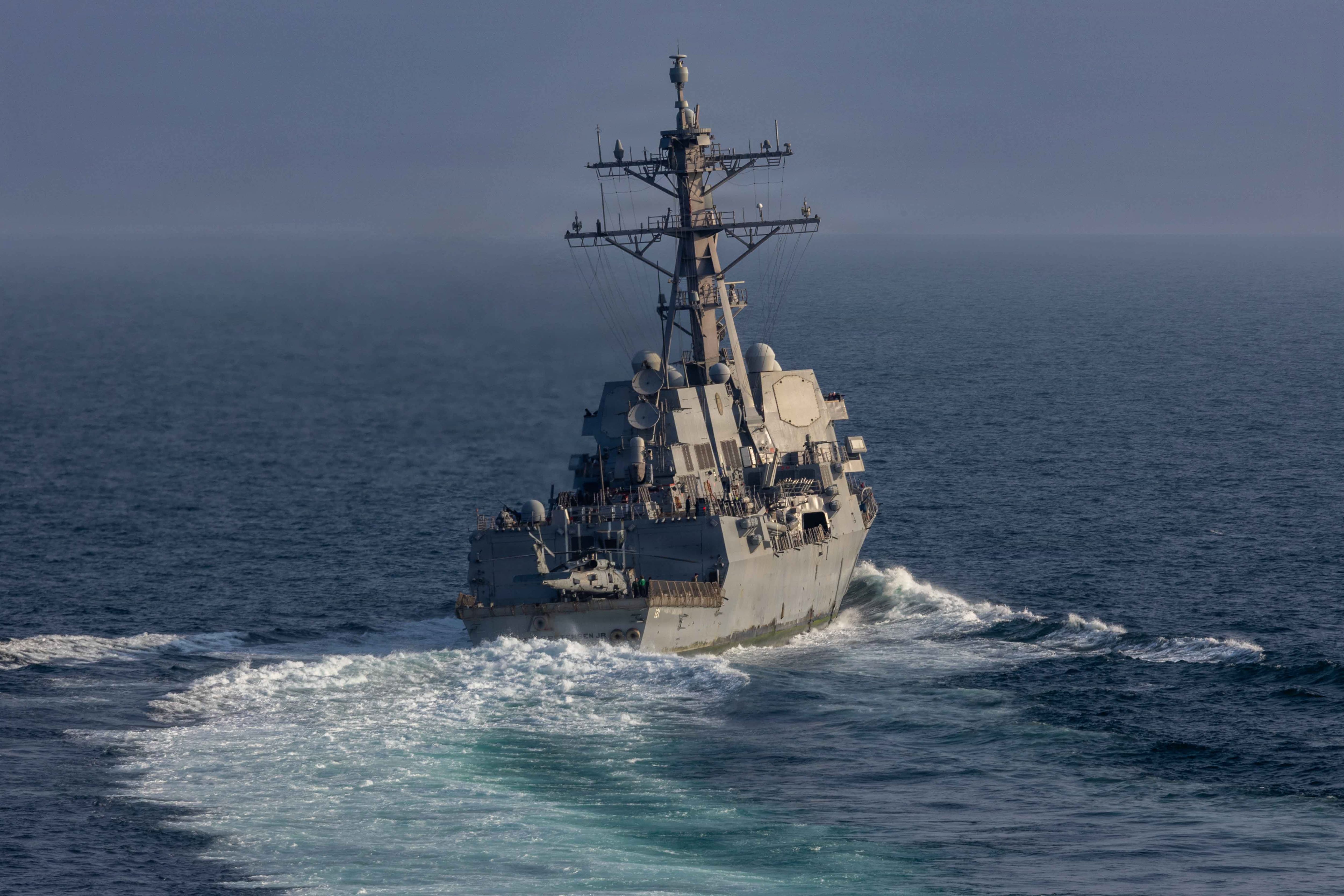
Effective immediately, the United States Navy, which the President described as the finest in the world, will begin the process of blockading any and all ships attempting to enter or leave the Strait of Hormuz. The President further specified that he has instructed naval commanders to seek out and interdict every vessel in international waters that has paid what he termed an illegal toll to Iran, warning that no party contributing to such payments would be guaranteed safe passage on the high seas. The President concluded his directive with a stark warning, stating that any Iranian forces firing upon U.S. assets or peaceful commercial vessels would face immediate and lethal retaliation.
The Collapse of the Islamabad Summit
The diplomatic breakdown occurred in Islamabad, Pakistan, where representatives from Washington and Tehran had gathered for the first direct, high-level discussions between the two nations since the 1979 Islamic Revolution. The American delegation was led by Vice President JD Vance, accompanied by senior advisors Jared Kushner and Steve Witkoff. Representing the Islamic Republic were Parliamentary Speaker Mohammad Baqer Qalibaf and Foreign Minister Abbas Araqchi.
Despite several days of intense deliberation, both sides exited the summit on Sunday without an agreement, subsequently engaging in a public exchange of blame. Vice President Vance characterized the outcome as a significant setback for Tehran, stating that the United States had established clear "red lines" that the Iranian delegation was unwilling to respect. According to Vance, the primary point of contention remains Iran’s refusal to permanently and verifiably abandon its nuclear ambitions.
On the Iranian side, Speaker Qalibaf utilized social media to criticize the American approach, suggesting that the U.S. had failed to earn Tehran’s trust despite what he described as forward-looking initiatives proposed by the Iranian team. Semi-official Iranian news outlets, including the Tasnim news agency, reported that "excessive" American demands had hindered the possibility of a deal. While some reports suggested that progress had been made on secondary issues, the core disputes regarding the sovereignty of the Strait of Hormuz and the status of Iran’s nuclear enrichment programs proved insurmountable.
Chronology of Operation Epic Fury
The current crisis, designated by the Pentagon as Operation Epic Fury, began on February 28, 2026, following a series of coordinated air strikes launched by the United States and Israel against strategic targets within Iran. The initial strikes were framed as a response to perceived Iranian provocations and advancements in nuclear technology.
Over the subsequent six weeks, the conflict evolved into a multifaceted military engagement involving naval skirmishes in the Persian Gulf and proxy battles across the Levant. According to data released by the Pentagon on April 8, the conflict has resulted in the deaths of 13 U.S. service members, with another 346 wounded. The toll on Iranian forces and civilian infrastructure is estimated to be significantly higher, though verified figures remain difficult to obtain.
A temporary ceasefire was brokered on April 7, intended to provide a window for the Islamabad talks. While the ceasefire technically remained in place during the weekend, the announcement of the naval blockade effectively signals the end of the de-escalation period. Throughout the brief pause in direct U.S.-Iran combat, regional violence continued, particularly in Lebanon, where the Israeli military continued its campaign against Hezbollah militants, asserting that those operations were independent of the U.S.-Iran negotiations.
Maritime and Economic Implications
The Strait of Hormuz is widely regarded as the world’s most important oil transit point. At its narrowest, the shipping lanes are only two miles wide, making them highly susceptible to disruption. The Iranian government has recently asserted greater control over these waters, demanding transit fees from commercial tankers and claiming the right to regulate all traffic.
President Trump’s blockade is a direct challenge to these claims of Iranian maritime sovereignty. By targeting vessels that pay tolls to Tehran, the U.S. is attempting to cut off a vital source of revenue for the Iranian government while simultaneously re-establishing the principle of "freedom of navigation" in international waters. However, the practical application of such a blockade carries immense risk. Shipping data indicated that as of Saturday, hundreds of tankers remained anchored in the Gulf, hesitant to navigate the strait. While three supertankers reportedly exited the Gulf during the ceasefire, the vast majority of the global fleet remains paralyzed by the threat of mines and military interdiction.
Market analysts warn that a prolonged blockade could send Brent crude prices well above $150 per barrel, potentially triggering a global recession. The cost of maritime insurance for vessels operating in the Middle East has already surged by over 400% since the start of Operation Epic Fury, and many shipping conglomerates have begun rerouting vessels around the Cape of Good Hope, a detour that adds weeks to delivery schedules and significantly increases fuel costs.
Regional Reactions and the Israeli Factor
The failure of the Islamabad talks has drawn varied reactions from regional stakeholders. Pakistan’s Foreign Minister, Ishaq Dar, emphasized the "imperative" need to preserve the ceasefire, warning that a return to open warfare would have catastrophic consequences for regional stability. Pakistan has played a delicate role as a mediator, attempting to balance its relationship with the U.S. while maintaining proximity to its neighbor, Iran.
In Israel, the government has maintained a hardline stance. Security Cabinet Minister Zeev Elkin noted that while diplomatic options are never entirely off the table, the Iranian government is "playing with fire." Israel has remained a central actor in the conflict, focusing its military efforts on degrading Iranian-aligned proxies. On Sunday morning, Israeli forces reported striking Hezbollah rocket launchers in Lebanon, an action that Iran cited as evidence of the U.S. and its allies’ lack of commitment to a comprehensive regional peace.
The demand from Tehran for a "regional ceasefire"—one that includes an end to Israeli operations in Lebanon—remains a significant hurdle. The U.S. has consistently maintained that its negotiations with Iran are focused on the nuclear program and maritime security, rather than the internal security decisions of its allies.
Strategic Analysis and Future Outlook
The immediate implementation of a blockade represents a shift in American strategy from "containment" to "active denial." By tasking the U.S. Navy with mine-clearing operations and ship interdictions, the Trump administration is betting that superior naval power can force Iran back to the negotiating table under less favorable terms.
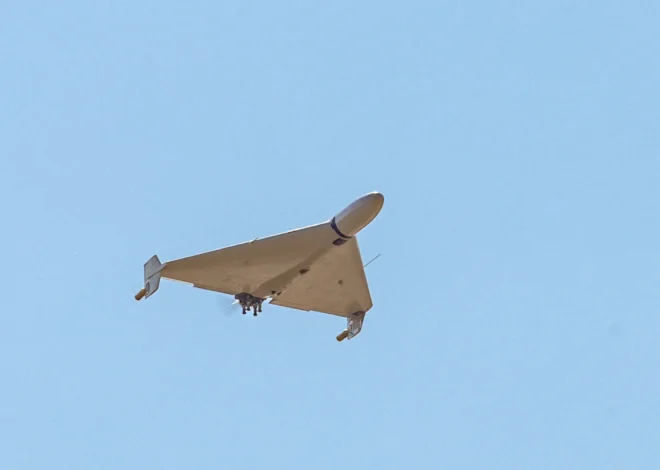
However, military analysts suggest that Iran may respond with asymmetrical tactics. The use of fast-attack craft, shore-to-ship missiles, and advanced drone swarms could complicate U.S. efforts to maintain a clean blockade. Furthermore, the legal status of interdicting ships in international waters for paying tolls to a sovereign nation is likely to be challenged in international courts, though the U.S. executive branch has signaled that it views these tolls as "illegal extortion" rather than legitimate maritime fees.
As the two-week ceasefire window nears its technical expiration, the international community remains on high alert. The transition from diplomatic dialogue in Islamabad to a naval blockade in the Strait of Hormuz suggests that the window for a negotiated settlement has narrowed significantly. For now, the global economy remains at the mercy of the escalating tensions in the Gulf, as the world’s most powerful navy prepares to enforce a new and volatile order in the world’s most sensitive waters.

Related Posts
Pentagon Forges Landmark Seven-Year Agreements with Boeing and RTX to Accelerate Standard Missile-3 Production and Stabilize Defense Supply Chains
Boeing Unveils Ultra Low-Cost Seeker to Enhance Missile Inventory and Combat Cost Challenges in Modern Warfare